Focused Arrival Windows
Useful updates and clear arrival timing.
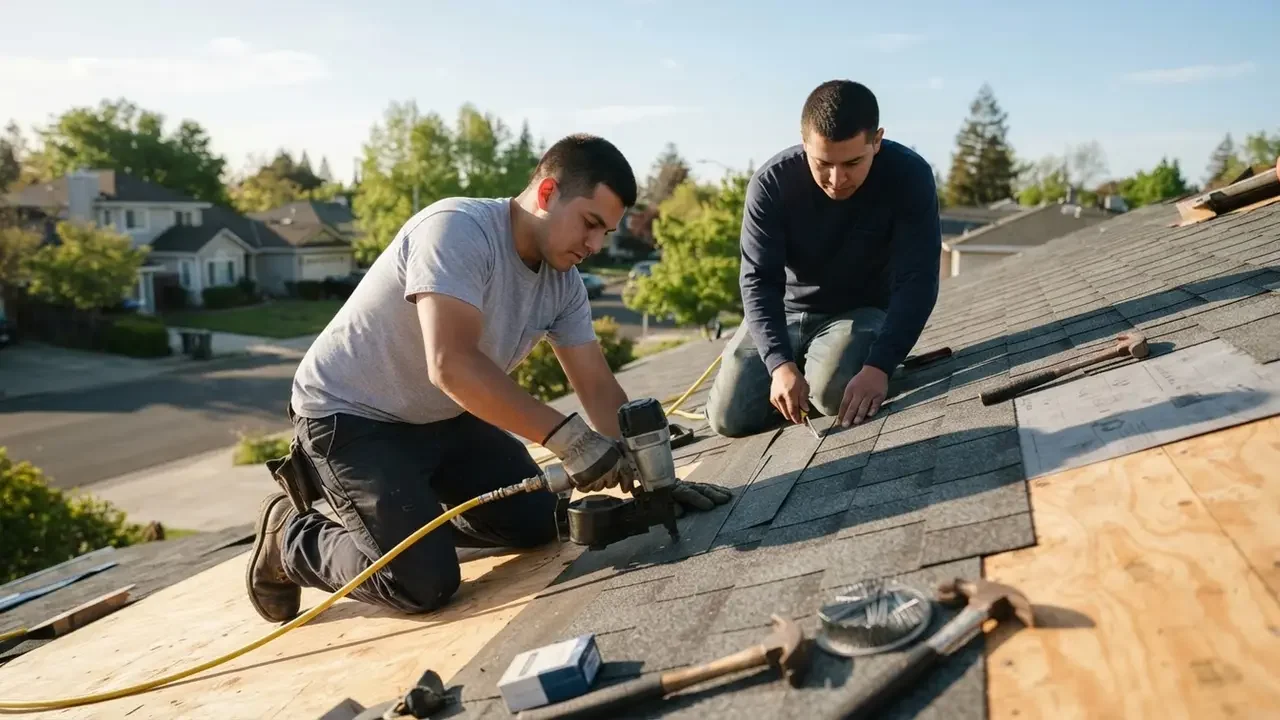
Commercial roofing in Bay City, Texas helps protect shops, offices, warehouses, and other working buildings from leaks, storm damage, and premature roof failure. We inspect the roof, identify the source of the problem, and explain repair or replacement options in plain language. Whether you need business roofing Bay City TX for a flat roof or a targeted repair after wind or hail, we focus on the work that keeps your property dry and usable.
Useful updates and clear arrival timing.
Review the approach and price before deciding.
Equipped vehicles and respectful cleanup.
Neighbors serving neighbors with follow-through.
Commercial roofing covers roof assessment, leak tracing, compatible repairs, maintenance, and replacement planning for business properties. We check the roof surface and key details such as seams, drains, flashing, and penetrations, then recommend work based on what we find. If a roof has hidden moisture, damaged insulation, or extensive deterioration, we explain the additional work needed before proceeding. Your plan stays focused on the building's condition and the goal of keeping operations protected.
We inspect the roof surface, edges, penetrations, and drainage points, then compare visible conditions with interior signs of water entry. Where needed, we use a moisture meter to check for concealed dampness. You get a clear explanation of urgent defects and items that can be monitored.
We trace active or recurring leaks toward seams, flashing, curbs, drains, and other likely entry points. Water can travel before it appears inside, so we inspect beyond the ceiling stain. Once we identify the cause, we explain the repair that addresses it.
We repair damaged sections using materials that suit the existing roof system. That can include work at membrane seams, roof flashing, penetrations, or drainage details. Preparing the area correctly helps the repair bond and perform as intended instead of concealing a defect beneath a quick patch.
When repairs no longer make sense, we assess roof area, existing layers, insulation, access, and drainage to plan replacement. We discuss suitable options such as TPO membrane, EPDM rubber membrane, or modified bitumen based on the building and its use.
After work, we check the repaired area and nearby details, remove debris, and explain maintenance priorities. You will know which drains need regular clearing and what signs to watch for after heavy rain, so small issues can be addressed before they affect operations.
Share what is happening and receive a clear next step from the local team.
Commercial roofing in Bay City, Texas is a building-envelope service that repairs, maintains, or replaces roof systems to keep commercial properties weather-tight and operational. We assess the membrane or panels, seams, flashing, drainage paths, penetrations, and visible interior evidence before recommending a repair. On low-slope roofs, ponding water, open seams, and failed roof flashing need different fixes than missing shingles on a pitched section. Our inspection uses a moisture meter where needed and records the areas that require attention.
Bay City businesses face roof stress from heavy rain, wind, heat, and debris that can block drains or expose weak seams. A small roof leak above inventory or equipment can interrupt daily work long before the damage is visible from the ground. We trace the entry point rather than sealing only the interior stain. If you are searching for commercial roofing repair in Bay City, Texas near me, we can inspect the affected area and explain whether a repair, maintenance visit, or larger replacement is the practical next step.
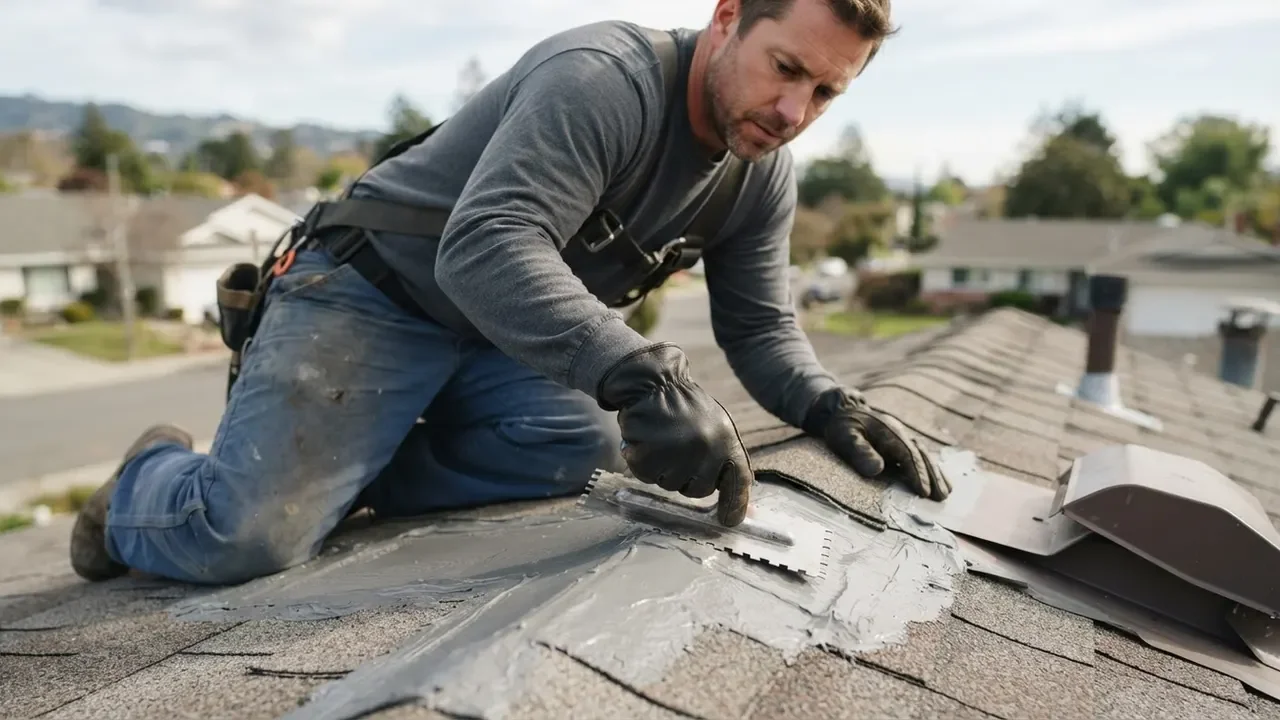
We begin with a walkthrough of the roof and the interior areas where you see staining or active dripping. A typical initial inspection takes about 45 to 90 minutes, depending on roof size and access. We check seams, penetrations, drains, flashing, and visible surface damage, then share the findings directly with you.
We distinguish the leak's entry point from the place water appears inside. Our crew checks the roof assembly and uses a moisture meter when concealed dampness needs confirmation. If rain is active, we identify immediate exposure first, then return to complete a durable repair when the surface is safe and suitable for installation.
We explain whether the roof needs a localized repair, a broader section replacement, or maintenance to address drainage and wear. You receive the proposed work and upfront pricing before the repair begins. We also discuss access, rooftop equipment, and how we will keep the active work area clear for your staff.
Our crew prepares the surface, removes failed material where required, and installs a compatible repair system. We use appropriate roof sealant and repair materials for the roof type rather than covering a defect with an incompatible patch. Small repairs often take two to six hours; larger replacement work is scheduled in phases.
After the work, we inspect the repaired area, seams, and nearby drainage points. We remove job debris and explain any maintenance items that remain, such as a drain that needs regular clearing. You leave with a clear summary of the completed work and practical timing for the next roof check.
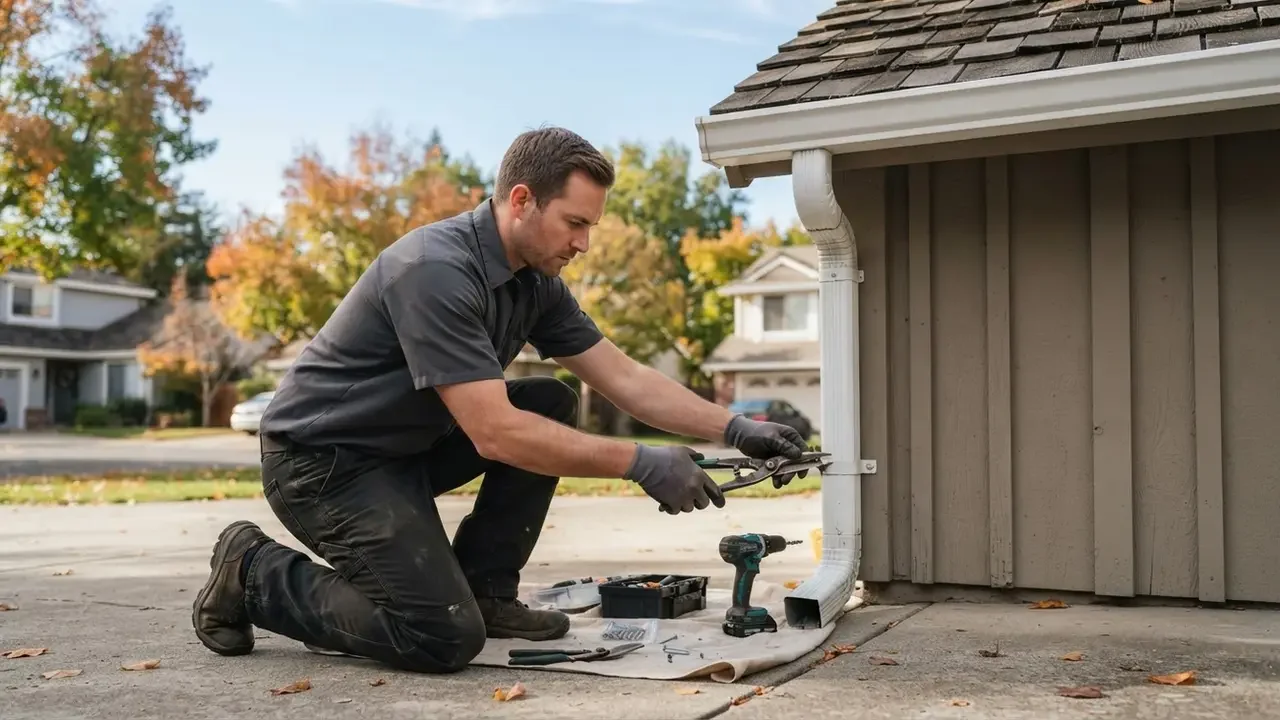
We use moisture readings to help identify damp roof assembly materials around suspected leaks. The readings support visual inspection and help us determine whether a repair needs to extend beyond the visible surface defect.
An infrared thermal camera can help locate temperature patterns associated with retained moisture when conditions are suitable. We use it as an inspection aid, then verify findings with direct roof observations and other checks.
An extension ladder provides controlled access to roof edges when the building layout allows. We secure access and use appropriate safety practices before inspecting or performing work at height.
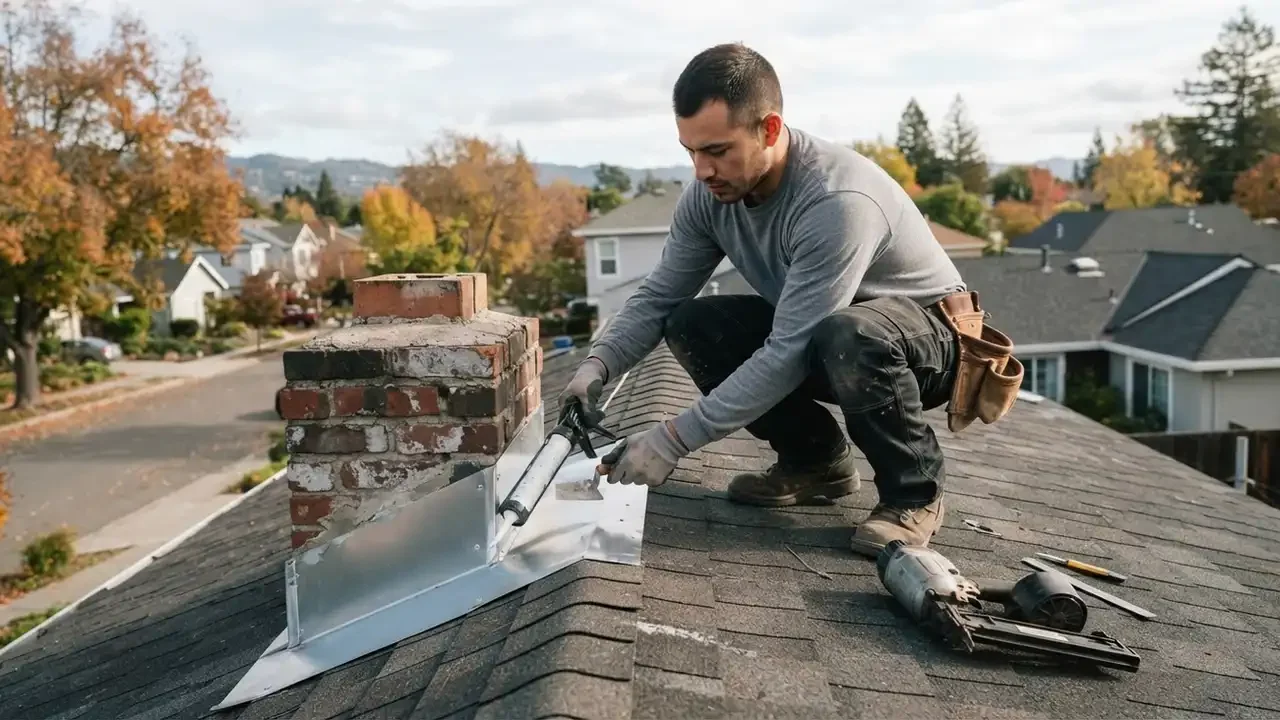
A caulking gun applies compatible roof sealant at specific transitions and repair details. We use sealant where the roof system calls for it, not as a substitute for replacing failed membrane or correcting drainage.
A leaf blower can clear loose debris from suitable roof areas and drainage paths before inspection or maintenance. We take care around seams, roof edges, equipment, and materials that could be disturbed by airflow.
We compare interior evidence with roof features above and around the affected area. Water may travel along a deck or insulation before appearing indoors, so we examine seams, penetrations, flashing, and drainage. This method helps direct the repair to the entry point rather than the visible stain.
We identify the installed roof type, prepare the affected surface, and use repair materials suited to that system. For TPO membrane, EPDM rubber membrane, or modified bitumen, the details and compatible products differ. We pay particular attention to seams and transitions where water entry often begins.
We inspect drains, scuppers, and low areas to understand how water moves off the roof. We look for blockage, damaged surrounding material, and persistent ponding after rain. The findings guide practical maintenance or repair steps and help determine whether a larger drainage correction is needed.
We plan roof access, material staging, and work zones around building use and rooftop equipment. For phased work, we address one area at a time and protect exposed sections as the job progresses. This approach helps limit disruption for staff, customers, and deliveries.
We check the roof above the stain, trace the leak to its source, and prioritize the area affecting customer access. We explain whether a same-visit repair is suitable and keep the work zone controlled. If the roof is wet or unsafe to repair immediately, we focus first on limiting water entry and protecting the interior. You know where the water is entering and what work will stop it. The affected customer area can be protected while the permanent repair is completed.
We inspect the drain, nearby membrane, and low areas to find whether debris, a failed seam, or a drainage issue is responsible. We clear the flow path where needed and repair damaged roof details. We also explain a practical maintenance interval for keeping drains clear. Runoff has a clearer route away from the roof, and damaged details are addressed before water reaches stored goods or work areas.
We inspect the equipment curbs and surrounding flashing, then compare the roof condition with the interior leak pattern. Our crew repairs the actual transition and checks nearby seams rather than treating the ceiling stain as the source. We coordinate access around building occupants. The repair targets the roof opening that allowed water inside, reducing repeat damage and limiting disruption to office staff.
We assess the seams, edges, drainage, and roof surface to determine whether repair can extend the system's useful service. If the roof has broader deterioration, we discuss replacement planning instead. You receive a prioritized approach that separates immediate defects from longer-term work. You can address the highest-risk areas first and make a roof decision based on condition, not a single visible defect.
Commercial roofing in Bay City requires attention to heavy rain, wind-driven weather, heat, and the way water moves across a building's roof. Low-slope roofs need clear drains and sound seams; pitched sections need reliable flashing and edge details. We inspect the roof type, access points, rooftop equipment, and interior signs before proposing repairs. For a warehouse or shop, we also consider loading schedules and occupied areas so the work plan fits the property. A Bay City, Texas commercial roofer should check more than the visible surface: we look at drains, penetrations, perimeter transitions, and moisture around leak locations. If you are comparing commercial roofing contractor Bay City TX options, ask how the leak source and drainage will be assessed. We explain the findings, prioritize active water entry, and outline whether a repair or replacement is appropriate. Regular checks before the wettest periods help catch clogged drains and open seams while there is time to address them.
Older commercial blocks and busy storefront access make leak location and work-area planning important. We coordinate roof access around customer entrances and identify interior areas that need protection.
Buildings with exposed roof edges and rooftop equipment need close attention to flashing, seams, and drainage after wind-driven rain. We inspect those transitions as part of the roof assessment.
Warehouse roofs often cover large work areas and stored goods. We check drains and membrane seams carefully, then plan repairs to limit interference with loading and daily operations.
Retail and office properties benefit from a repair plan that accounts for staff, customers, and rooftop equipment. We identify affected sections and keep access needs clear throughout the work.
Water can collect on low-slope roofs and enter through a small seam failure or poorly sealed penetration. We check drainage alongside the leak area so the repair addresses both the opening and the water path.
Repeated heating can contribute to aging at seams, edges, and roof penetrations. We inspect those details for separation or brittleness and select a compatible repair approach suited to the installed roof system.
Rain pushed against transitions can find openings that remain unnoticed in ordinary showers. We check perimeter details, curbs, and flashing after reported leaks, then repair the entry point and inspect nearby materials.
A warehouse near the Harbor District had water appearing beside stored inventory after heavy rain. Earlier surface patches had not stopped the leak, and staff were moving stock away from the affected area. The roof drain nearby was partly obstructed, while the visible ceiling stain did not line up with the seam that had opened.
We traced the leak to an open membrane seam and cleared the obstructed drain path. The repair covered the failed section and addressed the nearby transition. The customer regained use of the affected storage area after the repair, and water no longer appeared at that interior location during subsequent rainfall.
Maintenance: Keep the drain clear and check the repaired seam during regular roof inspections. After heavy rain, look for standing water and new interior staining. Report a change early so a small defect can be checked before it affects more inventory.
An office building had repeat ceiling stains around a room below rooftop equipment. The interior patch concealed the mark but did not stop water entering at the roof. Several seams and the equipment curb were close together, making a surface-only inspection insufficient.
We examined the curb, surrounding flashing, and nearby seams, then repaired the failed transition. We also checked the adjacent roof area for moisture and confirmed that the drain path remained open. The property manager had a clear record of the repair location and could reopen the affected room without a recurring drip.
Maintenance: Inspect rooftop curbs and nearby seams at least twice a year and after severe weather. Keep service crews from dragging equipment across the repaired area, and report any new staining promptly so the transition can be checked.
A storefront in Bay City Center reported water near the entrance after long periods of rain. Debris had slowed water flow, and a roof-edge detail showed signs of wear. The owner needed the entrance kept clear for customers while the drainage problem was addressed.
We cleared loose debris, checked the drain and roof edge, and repaired the damaged transition. The work restored a clear runoff path and addressed the location where water was entering. The storefront kept its main entrance available, and the owner received specific guidance on monitoring the drain after storms.
Maintenance: Remove leaves and loose debris from drainage points during regular maintenance visits. Check the storefront ceiling and roof edge after heavy rain, and arrange inspection if water begins collecting or a new stain appears.
Commercial roof problems can damage stock, interrupt customer service, and create unsafe wet floors. We investigate the roof and the interior signs together so the repair addresses the cause. A quick, accurate diagnosis is especially important when water is near electrical equipment or active work areas.
Ongoing moisture can damage inventory, corrode equipment, and force staff to relocate work. Water near electrical systems also requires prompt attention. We inspect the roof section above the affected area, check seams, penetrations, and drains, and trace the likely water route. We repair the entry point with materials suited to the roof system and check nearby details for related damage. If the leak is active, we prioritize protecting the interior while planning the permanent repair.
Standing water adds stress to roof materials and can expose weak seams or drainage defects. Repeated ponding raises the chance of leaks and concealed moisture. We check the low areas, drain openings, and surrounding membrane to determine why water is not leaving the roof. Our team clears obstructed flow paths and identifies repair needs at seams or drainage details. We explain whether localized work is sufficient or if the roof's slope and condition call for a broader plan.
A patch in the wrong location can hide the symptom while water continues moving through the roof assembly. Interior finishes and insulation may keep deteriorating. We compare the stain location with roof penetrations, flashing, seams, and drainage paths to find the entry point. If you need commercial roof repair Bay City, Texas, we inspect the affected section rather than applying another blind patch. Then we repair the source and check the surrounding material for moisture.
Open edges and damaged membrane sections let rain enter quickly, particularly during another storm. Unaddressed exposure can turn a limited defect into interior damage. We inspect the affected roof area for displaced material, open seams, and damaged flashing. Our crew secures vulnerable locations and completes compatible repairs when the surface and weather permit. We also check adjacent sections so hidden storm damage does not remain untreated.
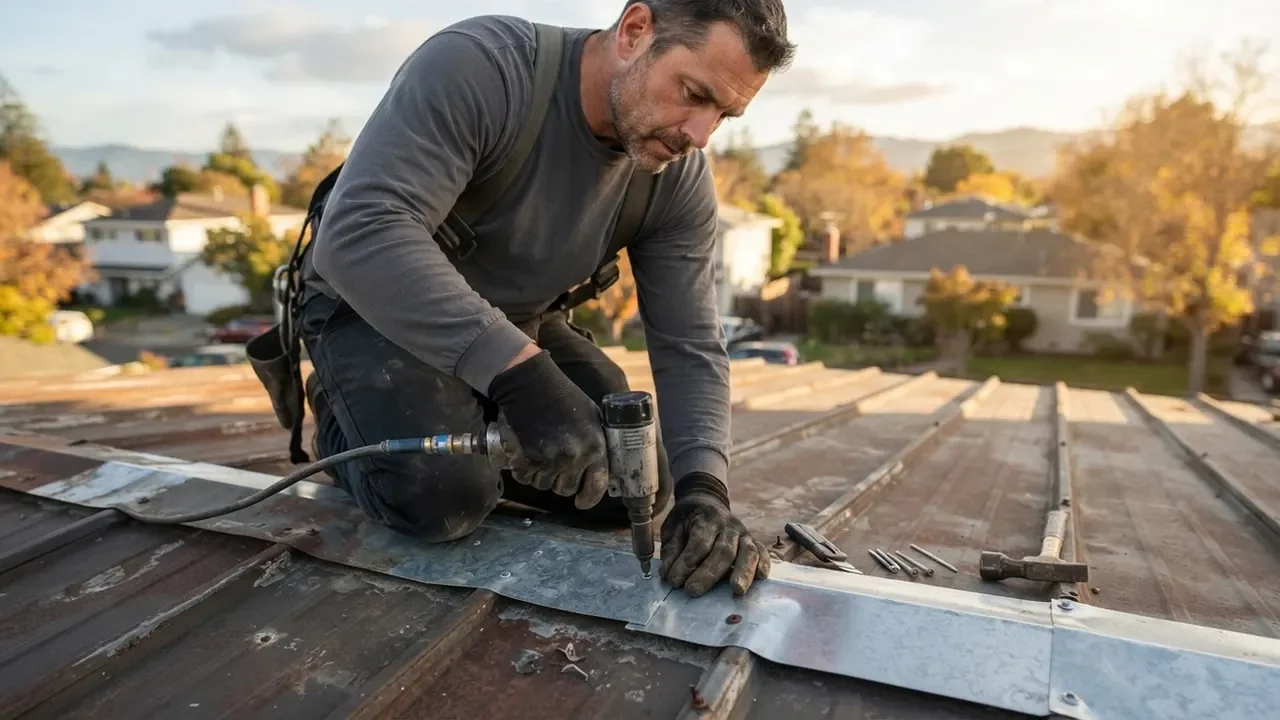
Our local experience includes leak diagnosis, flat-roof repair, roof replacement, and maintenance for working properties in Bay City. We match the repair method to the installed system and pay close attention to water movement, flashing, and rooftop penetrations. Our technicians use safe access practices, including a safety harness where required, and work with materials suited to the roof assembly. We do not claim a certification that has not been established; we explain the system and the repair plainly so you can make an informed decision about your building.
Water was showing above a storage area after a hard rain, but the roof stain was not directly below the leak. The crew checked the seams and flashing, found the entry point, and repaired it the same visit. They also showed me where a drain needed attention. We were able to keep the area open and protect the stored supplies.
Our flat roof had a recurring leak near an equipment curb. Bay City Roofing traced it to the transition instead of just coating over the ceiling stain. They explained the repair, kept the work area organized, and checked the surrounding seam before leaving. The next rain passed without water coming into the stockroom.
After wind-driven rain, we found damp insulation near the loading area. The team inspected the roof section, identified a seam problem, and repaired the affected area. They explained what to watch for and how to keep the nearby drain clear. The repair was completed without blocking our loading schedule.
Commercial roof repairs in Bay City often range from $350 to $2,500, while replacement can run about $6 to $14 per square foot in 2026. Final pricing depends on roof area, system, tear-off needs, insulation condition, access, and drainage details. We inspect the affected roof and explain the cost drivers before work begins. A small flashing repair costs far less than replacing saturated insulation across a large section.
TPO membrane, EPDM rubber membrane, and modified bitumen can all suit commercial buildings; the best choice depends on slope, drainage, use, and budget. TPO is a common low-slope option, while other systems may fit specific existing assemblies or maintenance plans. We compare the roof's condition and details before recommending a material. For TPO commercial roofing installation in Bay City, Texas, seams, penetrations, and perimeter edges need careful installation.
A small commercial roof replacement often takes 3 to 7 working days; larger or more complex roofs can take several weeks. Roof area, tear-off, weather, insulation repairs, equipment, and access affect the schedule. We plan work in sections where practical and explain how crews will protect exposed areas between shifts. For commercial flat roof replacement in Bay City, Texas, drainage and edge details are included in the sequence, not left until the end.
Call us at (877) 791-3217 for emergency commercial roof repair in Bay City TX; we prioritize active leaks and exposed roof areas. We first identify immediate water entry and protect vulnerable interior areas, then complete a durable repair when conditions allow. Response timing depends on weather and crew availability, but we will explain the next step when you call. If you need commercial roof leak repair Bay City TX 24/7, describe the leak location and any affected equipment.
Not seeing your question? Our local team can help you understand urgency, scheduling and what to expect.
Ask the local team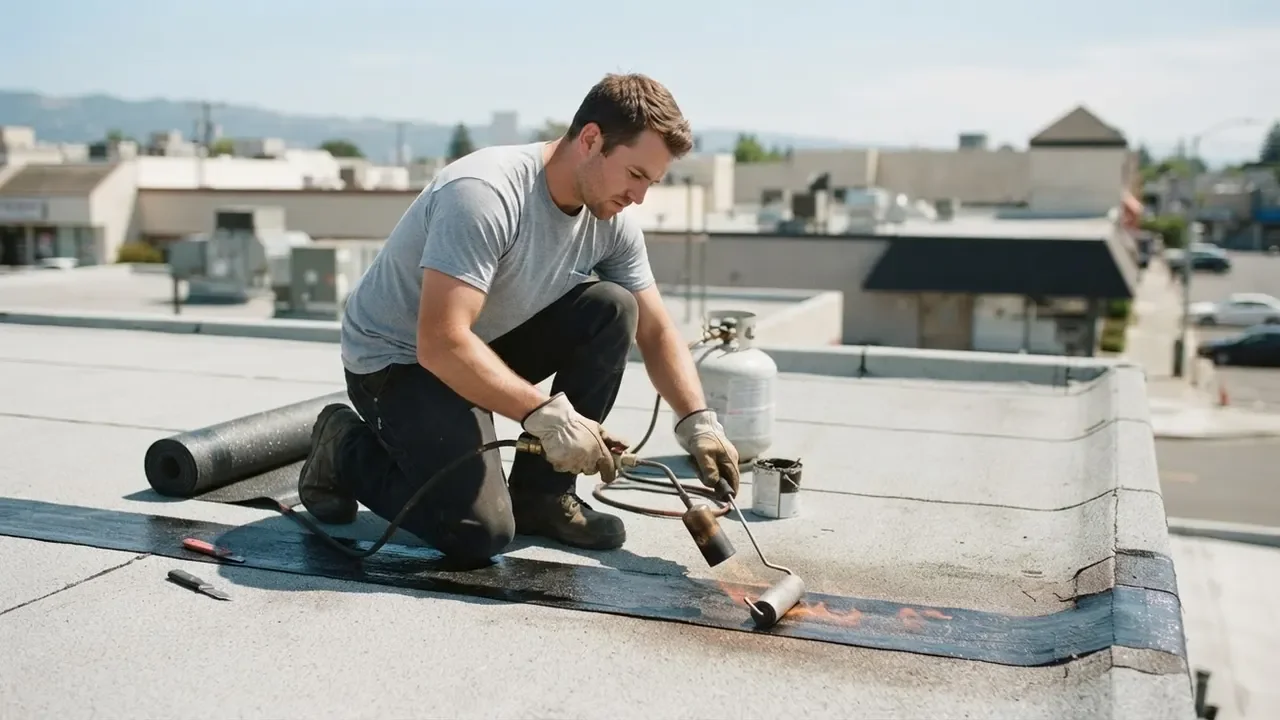
Commercial roof repair addresses localized damage before it spreads into insulation or interior finishes. We check the failed material, nearby seams, and drainage path, then repair the affected area with compatible products. It is a practical choice when the surrounding roof remains serviceable.
View service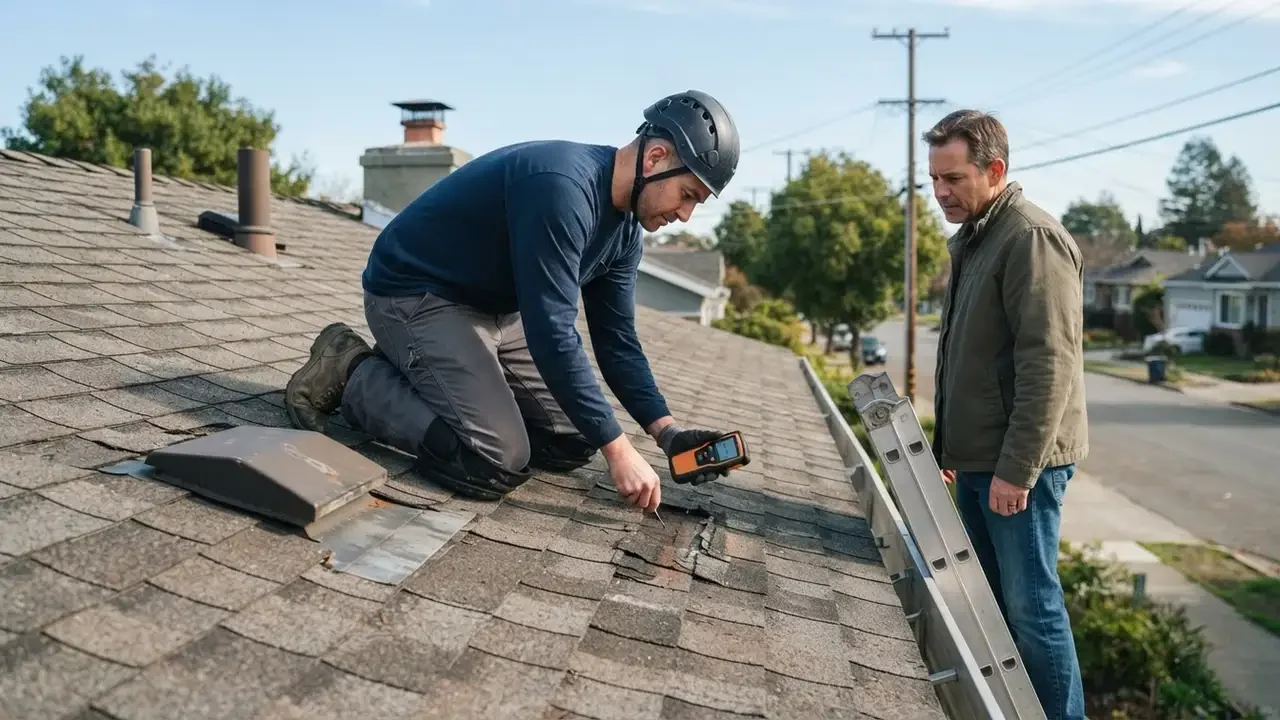
Roof replacement is appropriate when widespread wear, recurring leaks, or damaged roof layers make repeated patching a poor investment. We assess the existing assembly and plan removal, installation, and site access around your property's use. You receive a clear sequence for protecting the building during the work.
View service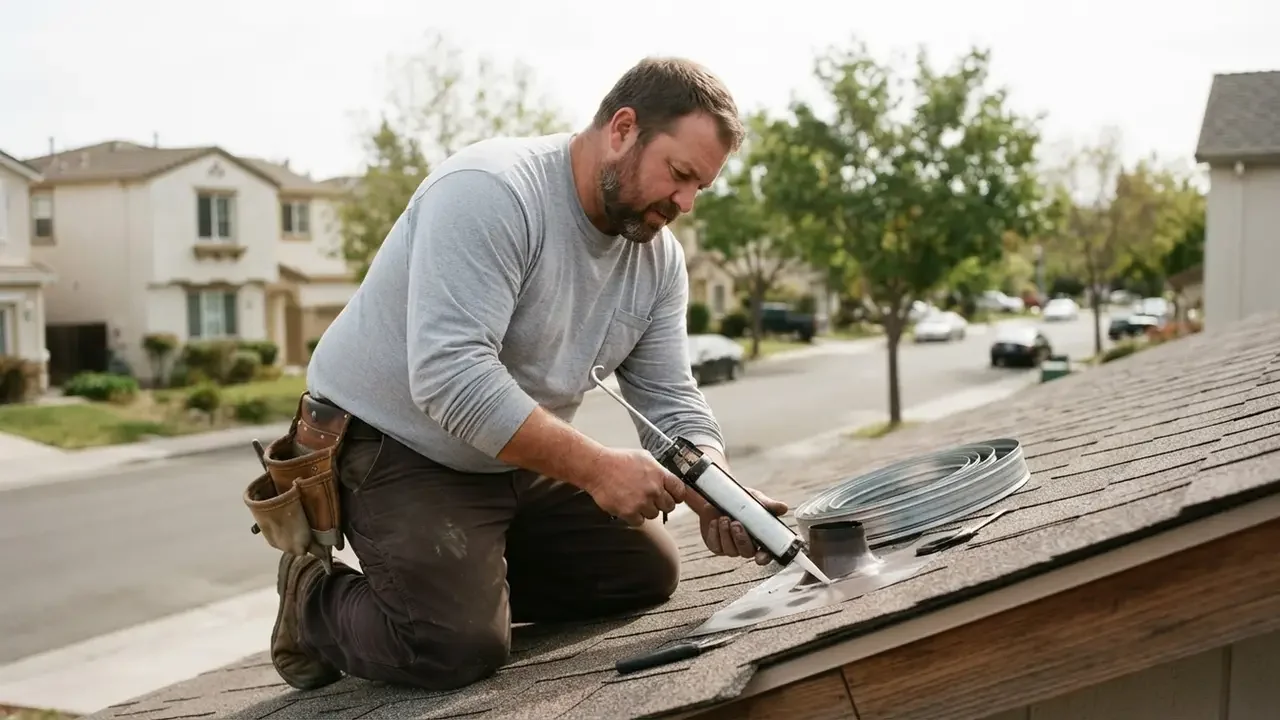
A commercial leak can travel along a deck or insulation before showing indoors. We trace the route back to seams, flashing, penetrations, or drainage trouble, then repair the source and check adjacent areas. That helps limit repeat staining and damage to inventory or equipment.
View service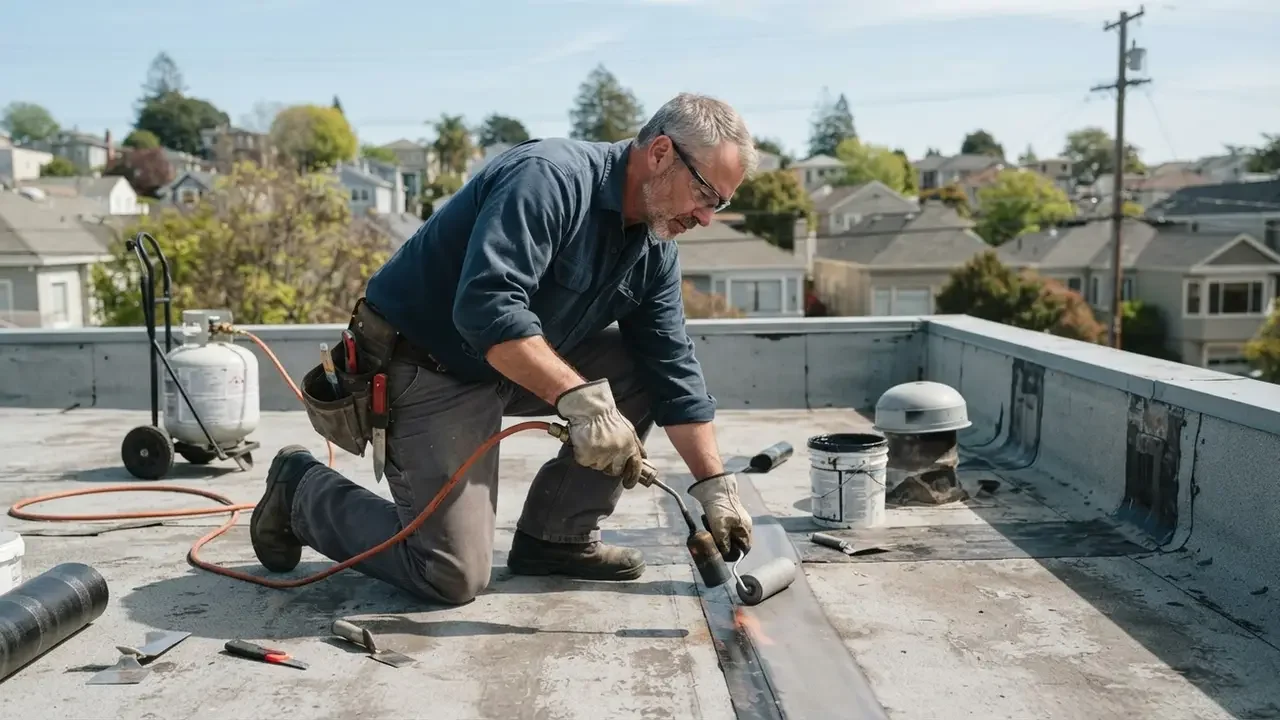
Emergency roof repair addresses active water entry, storm damage, or an exposed roof area that needs immediate attention. We identify the most vulnerable locations and take practical steps to protect the building, then complete the permanent repair when conditions are suitable.
View service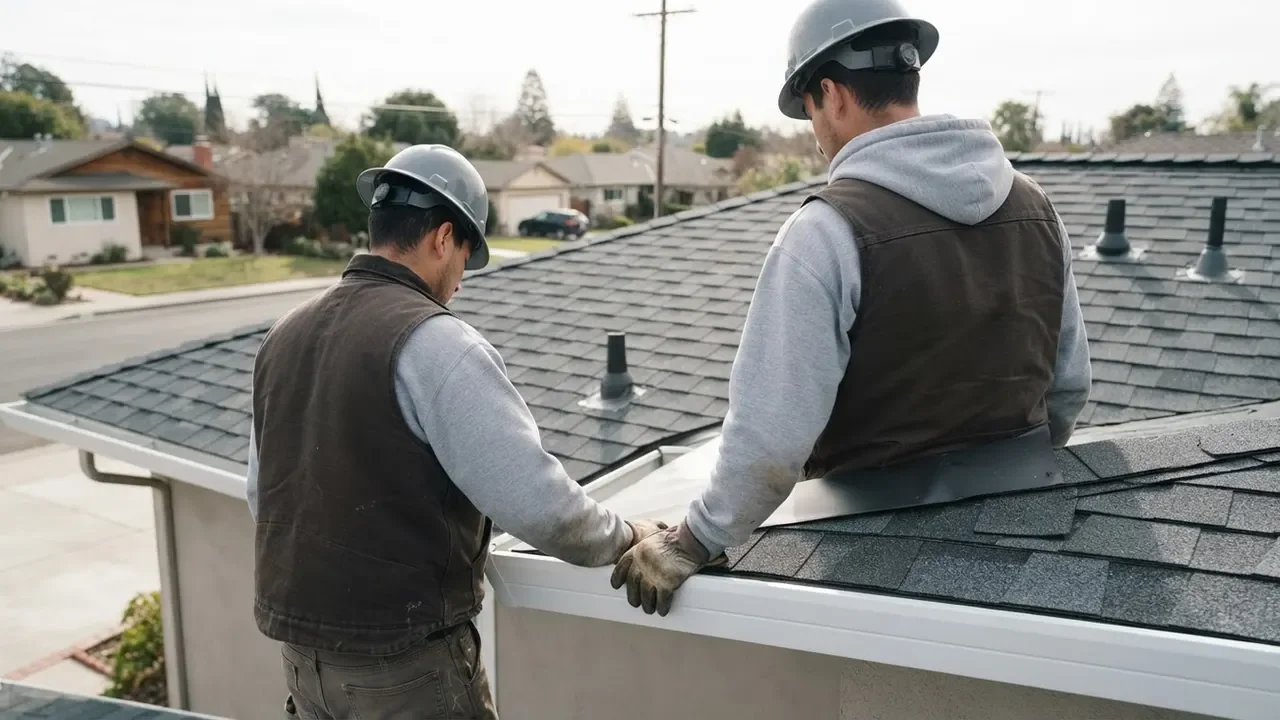
Call (877) 791-3217 to discuss a roof leak, storm damage, inspection, or replacement in Bay City. We connect you with independent roofing companies and help you get the conversation started. Calls are accepted around the clock for urgent roofing needs; tell us whether water is actively entering and where you see the damage.