Focused Arrival Windows
Useful updates and clear arrival timing.

Roof repair in Bay City, Texas helps homeowners and property managers stop leaks before water damages ceilings, insulation, and framing. Our team traces the entry point, checks nearby shingles and flashing, and explains the repair plainly. If a storm has opened the roof or a ceiling stain is spreading, call Bay City Roofing, TX at (877) 791-3217 for practical help with the damage.
Useful updates and clear arrival timing.
Review the approach and price before deciding.
Equipped vehicles and respectful cleanup.
Neighbors serving neighbors with follow-through.
Roof repair covers inspection of the reported area, diagnosis of the roof defect, and repair of localized damage using compatible materials. We check nearby roof details that could contribute to the same leak and explain what we find. If inspection shows widespread deterioration, structural damage, or a need for broader replacement, we discuss that separately rather than treating it as a small repair.
We inspect the affected roof surface and accessible interior clues to trace water toward its entry point. That includes checking shingles, valleys, roof penetrations, and flashing near the reported stain. Finding the source first helps keep the repair focused and avoids sealing the wrong spot.
We replace or secure damaged shingles, repair a small roof seam, or correct a localized flashing failure where the surrounding roof remains sound. Materials are selected to suit the installed system. We also check the nearby surface for related movement or damage before closing out the repair.
For an exposed roof area, we assess whether temporary protection is needed to reduce additional water entry. Once weather and access allow, we complete the permanent repair and inspect the surrounding materials. This is useful after wind damage, hail, or a fallen branch opens the roof.
We review the repaired area with you, explain the work performed, and remove repair debris from the immediate work zone. If there is an interior stain, we tell you what to watch for after rainfall. The review gives you a clear record of the repair and any related roof concern.
Share what is happening and receive a clear next step from the local team.
Roof repair in Bay City, Texas is a roofing service that locates and corrects localized roof damage to keep water out and extend the useful life of the existing roof. Work may include replacing missing asphalt shingles, resealing a roof flashing joint, repairing a roof valley leak, or securing a small section of metal roofing panels. We inspect the surface and the area beneath it, because water can travel along decking before it appears indoors. The repair is matched to the roof material, slope, and existing installation.
Bay City roofs face wind-driven rain, intense sun, and sudden storm damage; each can loosen shingles or expose a seam around a chimney or skylight. Our Bay City, Texas roof repair contractor service starts by identifying the entry point instead of sealing the first visible stain. For homeowners searching affordable roof repair in Bay City, Texas near me, we explain whether a targeted fix is practical, what materials are needed, and whether nearby damage should be handled at the same time.
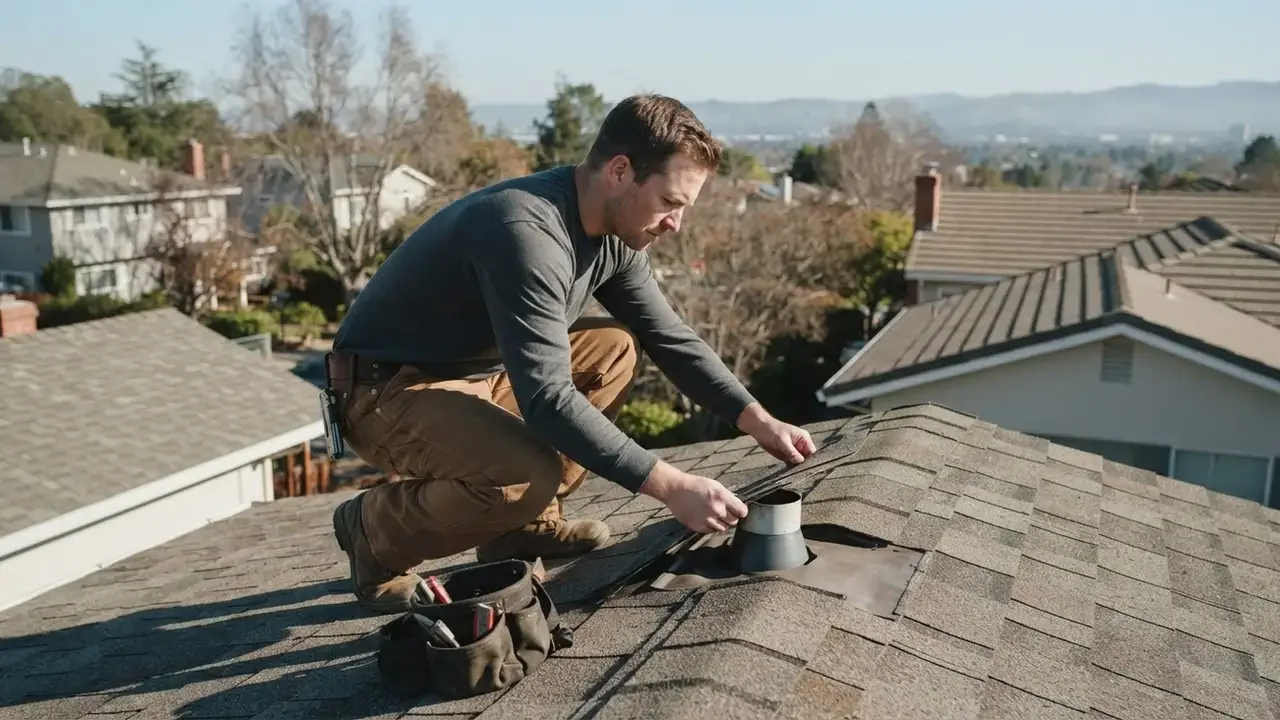
We ask where you see water, when it appears, and whether wind or heavy rain preceded it. Share photos of ceiling stains or loose shingles if it is safe to take them from the ground. This first conversation helps us prepare for the likely roof type and focus the inspection on the right slope, valley, or roof penetration.
Our roofer checks the reported area and the surrounding surface for missing shingles, lifted edges, failed sealant, and damaged flashing. We also inspect accessible attic areas for damp decking or water tracks. A typical site inspection takes about 30 to 60 minutes, depending on roof size, access, and the number of suspected leak points.
We show you the source of the problem and describe the repair in plain language, including the materials and expected work time. If a repair and replacement cost comparison is relevant, we explain why. You receive upfront pricing before work starts, so you can approve the specific repair without pressure to replace a roof that can still be repaired.
We remove failed material carefully, correct the damaged section, and install compatible replacements. A typical localized shingle repair takes two to four hours once work begins; larger flashing or decking repairs take longer. We secure loose debris and use appropriate fall protection while working on the roof.
After the repair, we check the finished area for secure materials and proper water-shedding details, then clear job debris from the immediate work area. We review what was repaired and point out any related maintenance concern. If you noticed an interior leak, keep an eye on that spot through the next rainfall and contact us if it changes.
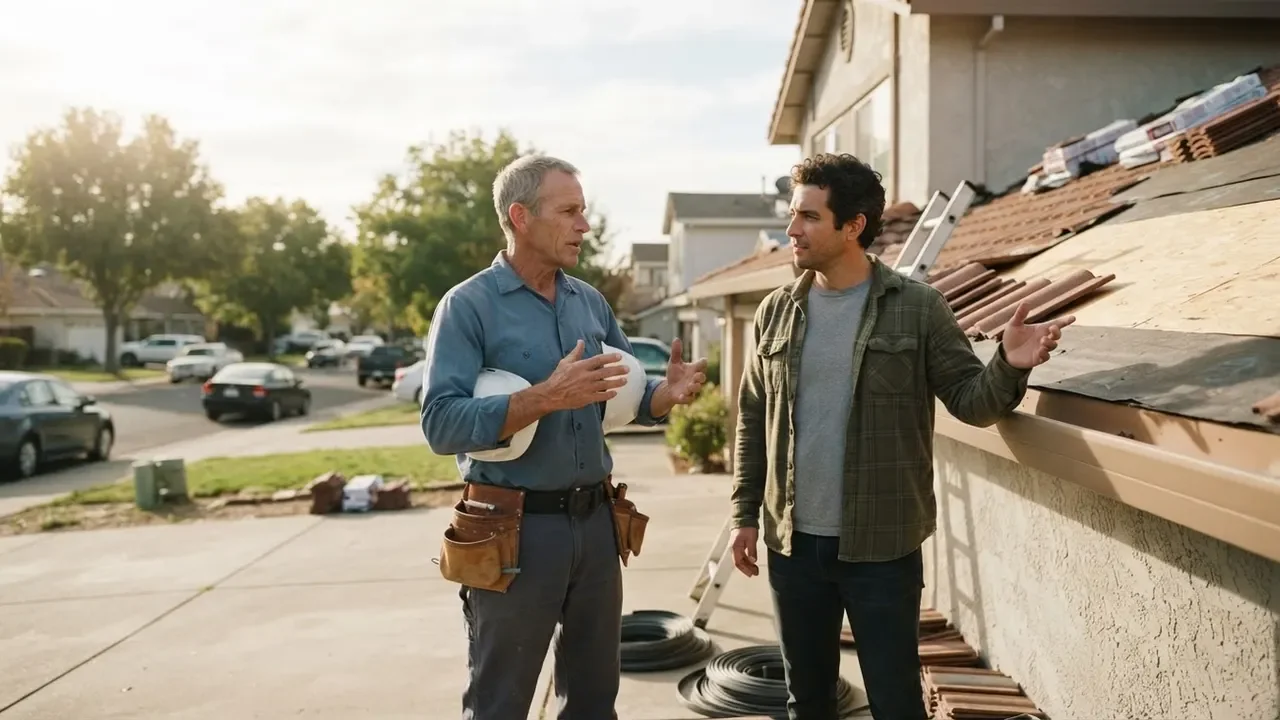
We use a moisture meter to check accessible materials when a ceiling stain suggests water has traveled beyond the visible area. Readings help focus inspection on damp decking or interior material.
An infrared thermal camera can help identify temperature patterns associated with trapped moisture under suitable inspection conditions. We use its readings alongside visual checks, not as a substitute for confirming the roof defect.
A shingle ripper helps remove damaged shingles and roofing nails with less disturbance to sound neighboring courses. This allows our roofer to inspect the layer below before installing replacement material.
A roofing nail gun fastens compatible shingle materials efficiently when the repair calls for replacement. We place fasteners according to the roofing material and repair detail, then check that edges lie flat.
A safety harness is part of fall protection for roof work where the slope and access require it. Our team plans safe access before starting, especially on steep, wet, or storm-damaged roof surfaces.
We compare the interior stain location with roof slopes, valleys, penetrations, and seams. Because water can travel along decking before dripping, we inspect beyond the point directly above the stain. This method helps distinguish the entry point from the place where water becomes visible indoors.
We identify the existing roof material and repair detail before choosing replacement components or sealants. A shingle roof, metal panel, and membrane roof do not share one universal patch method. Matching the repair to the system helps restore the intended water-shedding path and avoid creating a new weak joint.
When a storm leaves an opening, we first assess safe access and the extent of exposed material. If conditions allow, we secure the area to reduce water entry, then complete permanent repairs when the roof can be worked safely. We document the visible damage and explain what remains to be corrected.
We inspect the points where the roof meets chimneys, skylights, walls, and drainage edges. The review checks for lifted flashing, open sealant, and runoff paths that can drive water beneath roofing. Correcting the transition and drainage detail helps the repaired area shed water as intended.
Call us to assess the exposed roof area and check whether water is already tracking beneath adjacent shingles. We secure or replace damaged materials when conditions permit, and identify whether temporary protection is needed first. Our team also checks the roof edge and nearby flashing for connected damage. You get a focused repair plan and a clearer understanding of what must be secured now versus what can be scheduled as permanent work.
We inspect the roof penetration and surrounding materials, then trace the leak rather than assuming the stain sits directly beneath it. If flashing has failed, we repair the transition and check adjacent shingles or membrane. We also note any interior moisture clues that help confirm the path. The repair targets the entry point, helping stop repeated wetting and giving you a practical explanation of the cause.
We inspect the eaves, drip edge, and gutter connection to distinguish a roof defect from a drainage problem. If roof materials are damaged, we repair them; if runoff is the main issue, we explain the gutter or downspout correction needed. This prevents a roof patch from being asked to solve a drainage failure. You know whether the water is coming through the roof or spilling over it, and which repair will address the cause.
We inspect the membrane around the penetration, nearby seams, and the path water takes across the roof. Our team repairs a localized opening with compatible materials and checks whether ponding or a loose detail contributed. We coordinate access so the affected business area can be protected during the work. The leak source is addressed and the property manager receives a clear account of the affected roof section and completed repair.
Bay City roof repair starts with the conditions on your specific roof: material, slope, access, and the direction rainwater travels. Strong sun can age sealants and shingles, while wind-driven rain can expose a weak valley or flashing joint. We inspect those details before choosing a repair. In older parts of Bay City, roof additions and mixed materials can create transitions where water slips beneath a newer surface and appears inside an older room. Our roofing repair Bay City TX service checks those interfaces, not only the obvious stain. For homes near the Waterfront District or Harbor District, gusts and storm debris can leave shingles loose or damage roof edges; we look for related issues at gutters and downspouts. We follow applicable local requirements for the work and use safe access practices. If you need emergency roof repair near me Bay City TX open now, call (877) 791-3217 and describe whether water is actively entering. We will help identify the immediate next step and arrange an inspection.
Older roofs and later additions can create multiple flashing transitions. We check where roof sections meet and trace stains beyond the room directly below the visible damage.
Wind-driven rain can reach roof edges and exposed penetrations. We inspect lifted shingles, flashing joints, and drainage details after storms.
Mixed roof materials on older properties call for a repair matched to each section. We check the transition between existing and added roof areas.
Storm debris and gusts can leave small openings that are easy to miss from the ground. We check the damaged slope and nearby roof edges.
Water can move beneath shingles or flashing and travel along the decking before entering a room. We inspect the uphill side of the stain and nearby transitions so the repair addresses the entry point rather than its final drip location.
Aged sealant around flashing or roof penetrations can crack and separate. We check the condition of the surrounding material and repair the joint using a method suited to the installed roof, rather than relying on a thin surface coat.
Blocked or leaking drainage can send water over fascia and make an edge look like a roof leak. We inspect the roof edge and gutter path together, then explain whether roofing, drainage, or both need correction.
A homeowner found three lifted shingles above a bedroom after a gusty storm. The ceiling was dry, but exposed fasteners and a loose edge left the area vulnerable to the next rain. From the ground, the damage looked limited to one small patch.
We removed the damaged shingles, checked the underlayment, and installed compatible replacements across the affected section. The repair took about three hours after inspection, and the surrounding course was secured. The roof surface again shed water over the repaired area without an exposed edge.
Maintenance: After the next major storm, look for shingles on the ground and new marks on the ceiling. Keep gutters clear and arrange a roof check if you notice another lifted edge or granules collecting near a downspout.
Rain left a growing stain on the ceiling beside a fireplace. The roof surface looked intact from the yard, but water was entering at the chimney transition and traveling along the roof deck before appearing indoors.
We found separated flashing and deteriorated sealant at the chimney, repaired the transition, and checked the adjacent shingles. The work took most of a day because the flashing detail needed careful correction. After the repair, the homeowner had a clear explanation of the leak path and the completed work.
Maintenance: Check the ceiling near the chimney after heavy rain and watch for a fresh mark or damp odor. Keep nearby roof and gutter areas clear so runoff does not collect around the repaired transition.
A commercial tenant reported a drip below a low-slope roof seam after prolonged rain. Water had marked a ceiling tile, and a small area of standing water sat near a roof penetration. The visible drip did not show the full extent of the seam issue.
We inspected the membrane and drainage route, repaired the open seam with compatible material, and cleared debris from the nearby outlet. The localized repair took about half a day. The water path was restored, and the property manager received a clear summary of the corrected section.
Maintenance: Check roof drains and outlets after storms and remove debris before it restricts flow. Schedule a roof review if ponding remains after rainfall or if a ceiling tile shows a new water mark.
A roof defect can keep feeding water into the same ceiling stain even when the visible damage looks small. We find the failure, check the nearby roof assembly, and choose a repair that fits the material. Acting before repeated wetting helps limit damage to insulation, drywall, and roof decking.
Rain can move beneath the lifted edges and wet the underlayment or decking. A loose section can also expose more roof surface during another gust. We inspect the affected edge and neighboring courses to determine whether the shingles are merely lifted or have torn fasteners and damaged backing. Our roof fixing Bay City, Texas work secures or replaces the affected pieces and checks the drip edge for a related failure. We remove loose debris and explain whether nearby shingles need attention.
Repeated moisture can damage drywall, insulation, and framing, while the actual entry point may sit several feet above the stain. We trace the water path from the accessible interior area to the chimney and surrounding roof details. If the flashing has separated, we repair the transition and inspect nearby shingles for damage. We also check the upper edge where water can enter and travel beneath the roofing before appearing indoors.
Persistent ponding can stress a membrane seam and increase the chance of a leak into the building below. We inspect the membrane, seam, and drainage route to identify whether a puncture, open joint, or blocked outlet is contributing. The repair uses a method compatible with the installed roofing system. We explain whether the issue is localized or linked to broader drainage trouble that needs attention.
Water can stain interior trim and damage the roof opening, while repeated surface sealing may conceal the failed flashing detail. We check the skylight perimeter, flashing, nearby roof material, and signs of water movement. We repair the defective transition rather than relying on another surface bead alone. After the work, we explain what was corrected and which nearby materials should be monitored through the next rainfall.
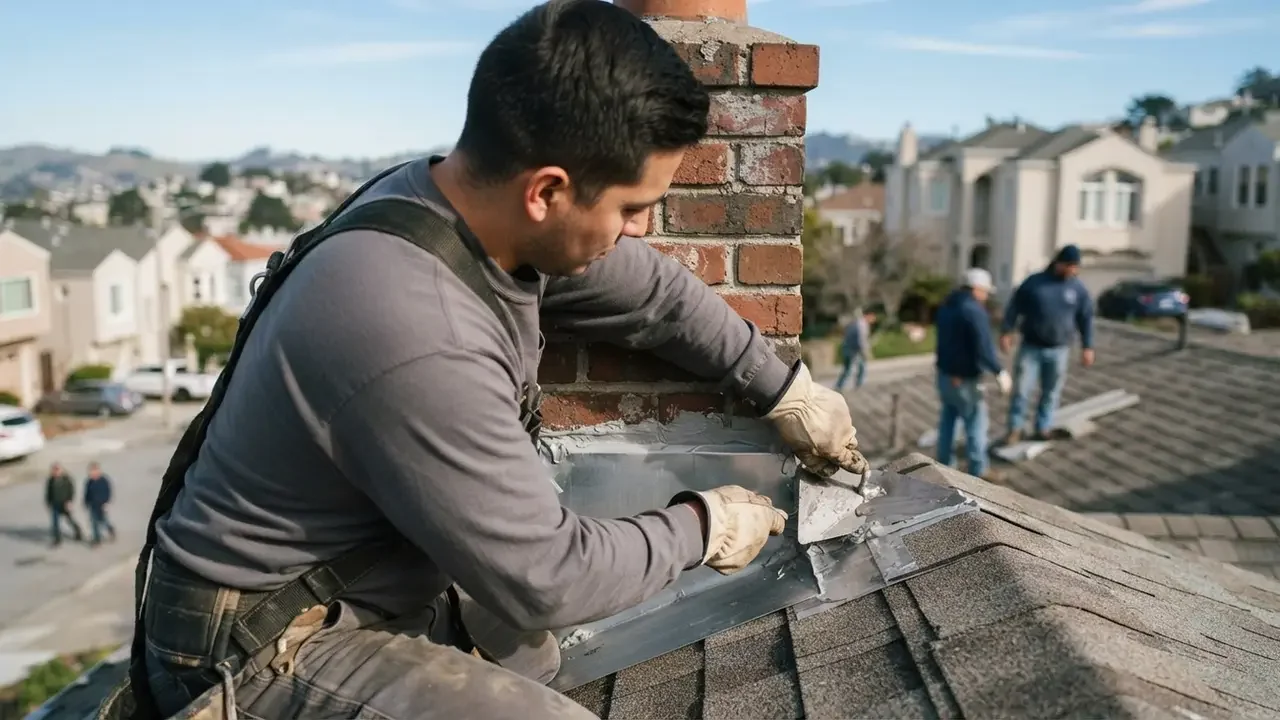
Our local experience covers the practical differences between asphalt shingles, metal panels, and low-slope roofing systems. We look for the cause of a failure before choosing a repair, because sealant alone will not correct a loose fastener or damaged flashing. Our team discusses material compatibility, water flow, and safe access with you before work begins. When a roof has a larger problem, we explain the difference between repair and replacement without disguising one as the other.
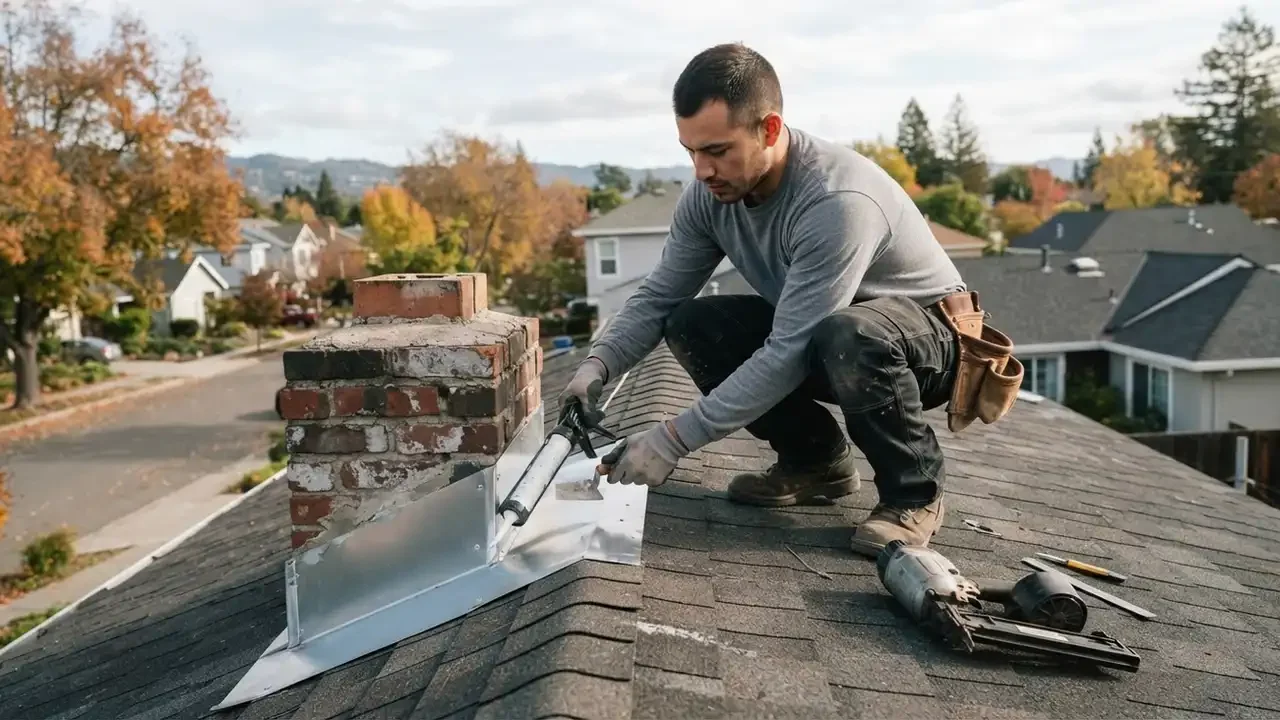
Water showed up beside our bedroom ceiling after a windy rain, and I could not tell where it was getting in. The roofer checked the valley and a lifted shingle, then explained the repair before starting. The work took a few hours, and they cleared the old pieces from the side yard. We appreciated getting a clear answer instead of a guess.
A leak around our chimney kept returning even after we tried a quick seal from inside. The team found a gap in the flashing and showed us the damaged area. They repaired the transition and checked the shingles around it. The next rain passed without a fresh stain, and I understood exactly what had been fixed.
After a storm, several shingles were loose over one unit and water had marked the ceiling. Bay City Roofing secured the exposed section, then completed the permanent repair when it was safe to work. They kept us updated about the affected area and left the walkway clear. The repair stopped the leak without turning the call into a full replacement pitch.
Localized roof repairs often cost $180 to $1,200, depending on the damage, roof material, and access. In 2026, replacing a few shingles usually falls near the lower end, while flashing, decking, or multi-area repairs cost more. We inspect the roof, identify the cause, and give you upfront pricing before work begins. Ask about roof repair and replacement cost in Bay City, Texas if the roof has widespread wear.
A small shingle repair usually takes two to four hours, while a larger flashing or decking repair can take a full day. Inspection commonly takes 30 to 60 minutes, depending on roof size and access. Rain, unsafe wind, or concealed wet materials can affect the schedule because the repair must be completed safely and correctly. We explain the expected work time after seeing the damaged area.
You can handle simple ground-level cleanup, but climbing onto a roof carries serious fall risk and can worsen hidden damage. A proper repair may require a safety harness, compatible roofing materials, and a check of the underlayment beneath the visible defect. Do not walk on wet, steep, or storm-damaged surfaces. Call us to inspect the issue and explain whether professional repair is needed.
A policy may cover sudden, documented storm damage, but coverage depends on your policy terms, exclusions, and the cause of the loss. Take photos from a safe location and report the damage to your insurer promptly. We can describe the roof conditions we observe and the repair work required; your insurer makes the coverage decision. Avoid discarding damaged materials before documenting them when practical.
Not seeing your question? Our local team can help you understand urgency, scheduling and what to expect.
Ask the local team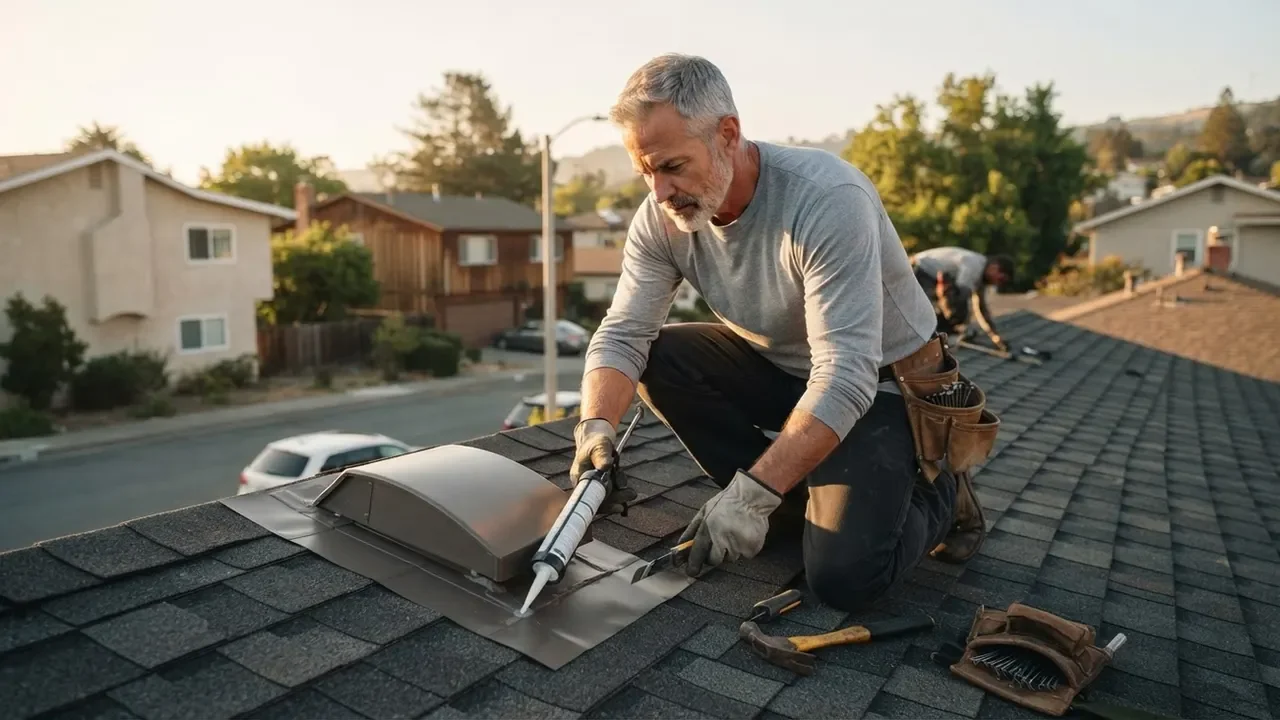
When shingles are broadly worn, repairs keep recurring, or decking damage is extensive, replacement may be more practical than another patch. We inspect the roof and explain what is failing, so Bay City property owners can compare a targeted repair with a complete new roofing system.
View service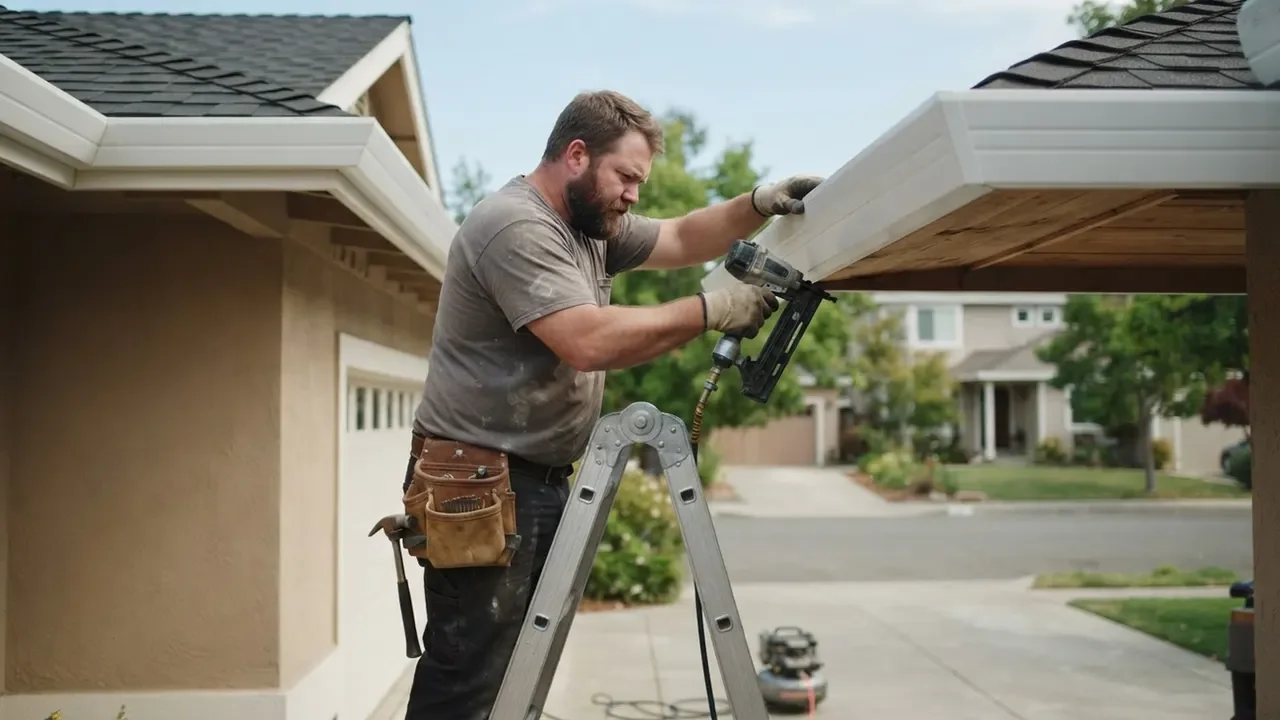
A leak needs more than a bead of sealant if water is entering through a failed flashing joint or damaged shingle. We trace the route, repair the source, and check nearby materials. This service is suited to active stains, drips, and recurring damp spots.
View service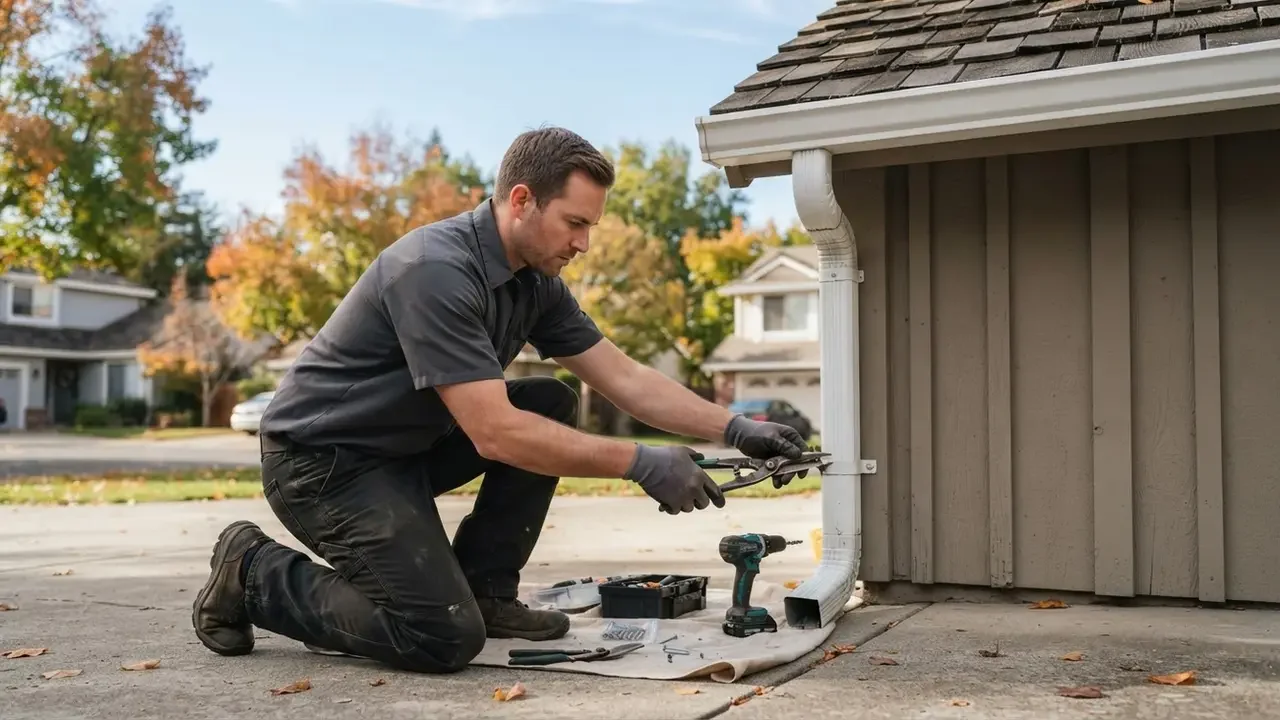
Storm damage that exposes the roof calls for prompt water control and a safe repair plan. We assess the affected area, secure it where conditions permit, and identify permanent work. Call when wind, falling branches, or hail leaves an opening above your home or business.
View service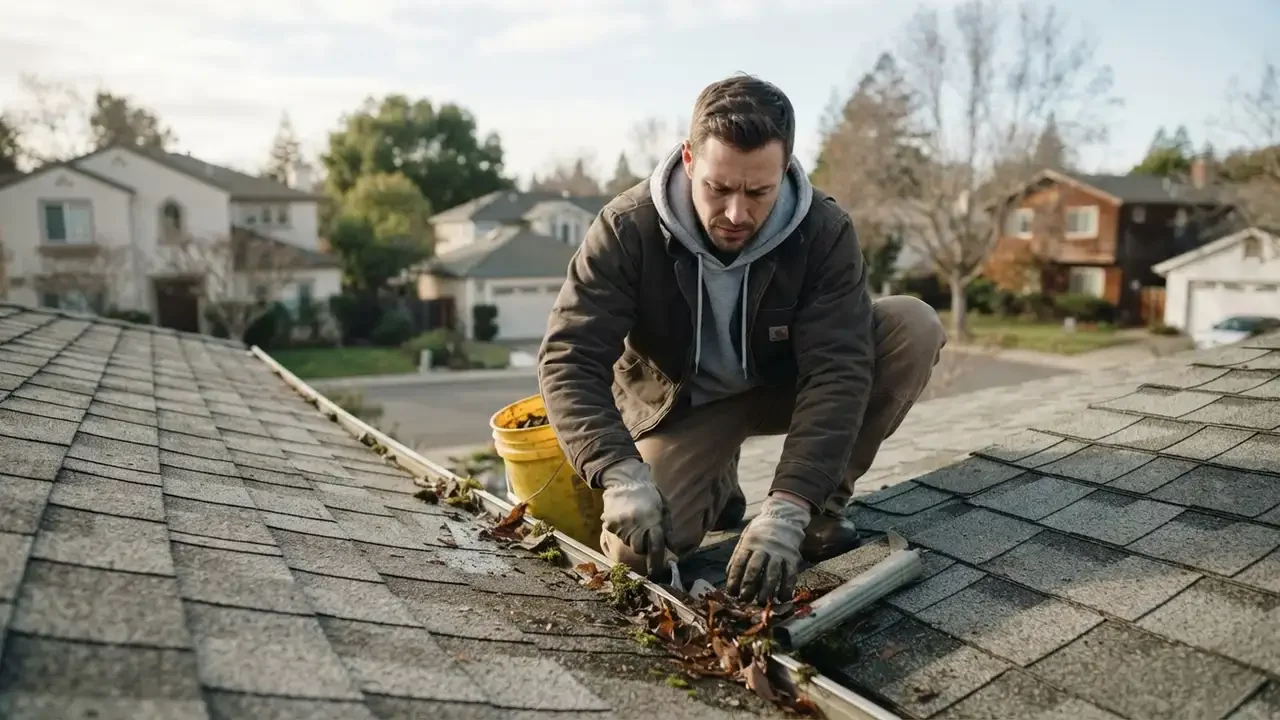
Residential roofing includes repairs and ongoing care for the roof over your home. We work with common residential materials and inspect roof edges, valleys, and penetrations that can admit water. Pairing a repair with a broader condition check helps you plan maintenance.
View service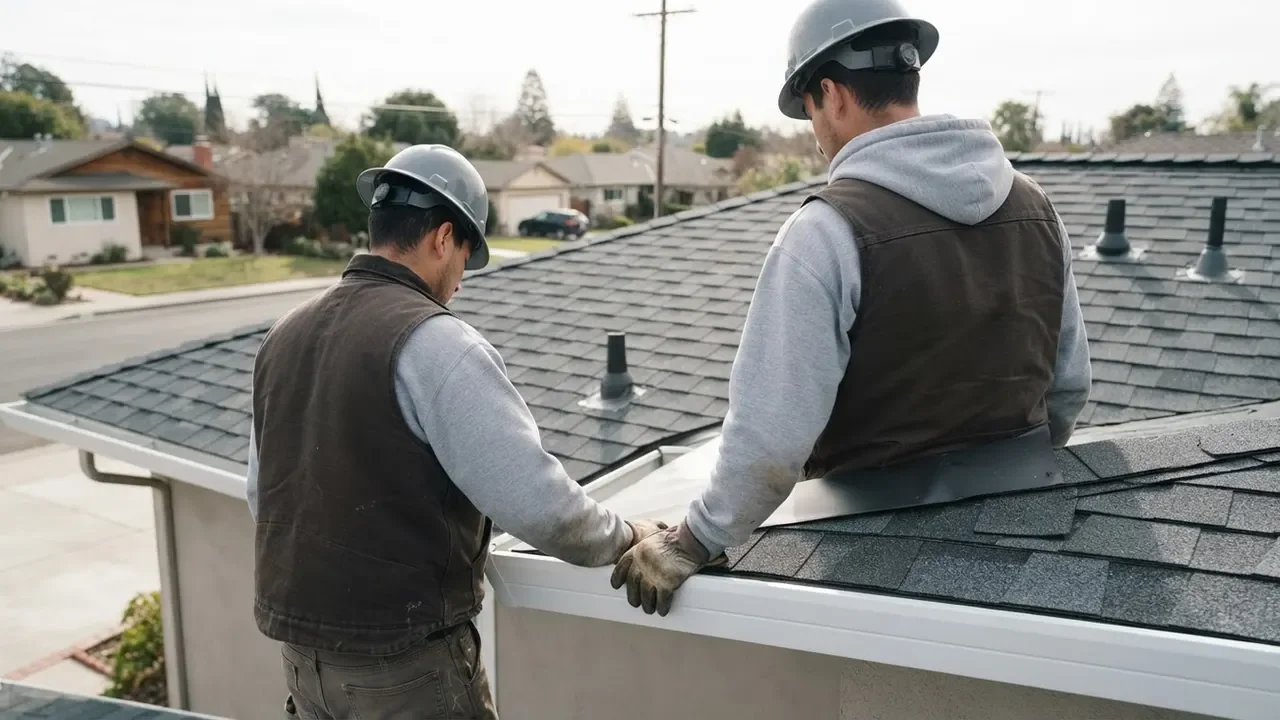
Call (877) 791-3217 to discuss a roof leak, storm damage, inspection, or replacement in Bay City. We connect you with independent roofing companies and help you get the conversation started. Calls are accepted around the clock for urgent roofing needs; tell us whether water is actively entering and where you see the damage.