Focused Arrival Windows
Useful updates and clear arrival timing.
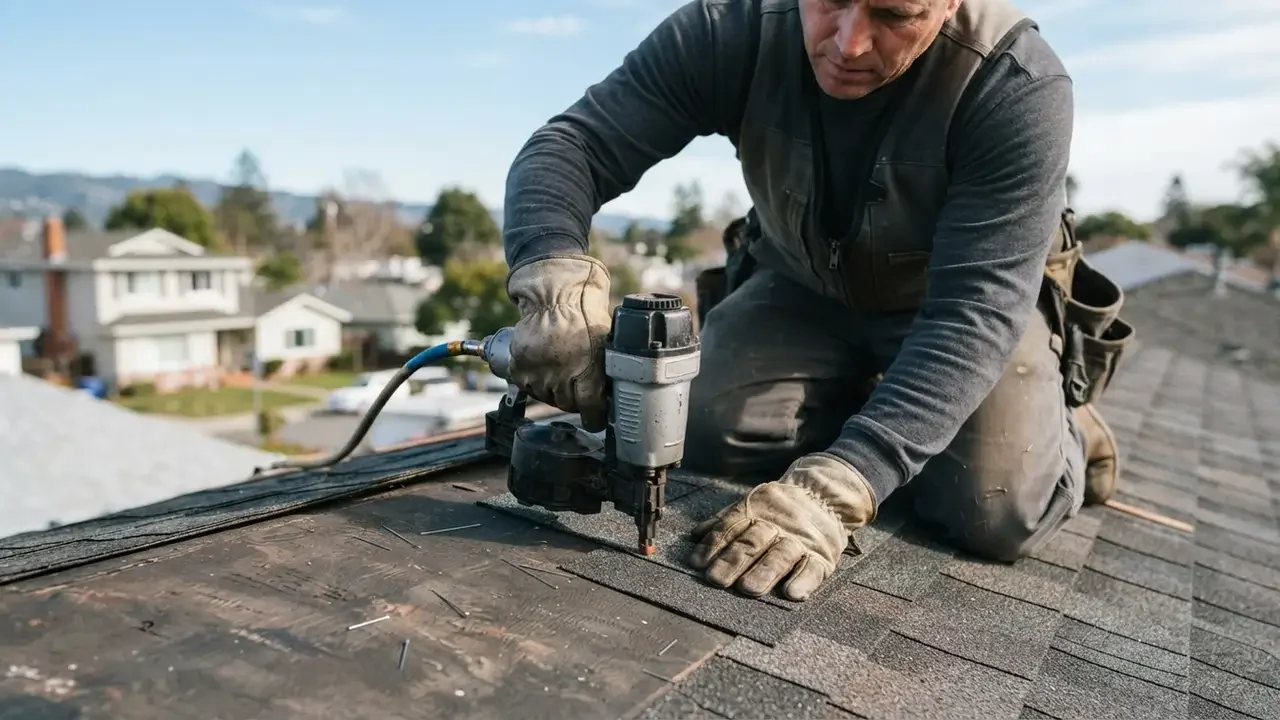
Residential roofing in Bay City, Texas keeps your home dry and protected through leaks, worn shingles, and storm damage. We inspect the roof, explain the repair or replacement options, and complete the work for homeowners who need a sound, dependable roof. If you have a ceiling stain, missing shingles, or an aging roof, our team can identify the cause and help you choose the right next step.
Useful updates and clear arrival timing.
Review the approach and price before deciding.
Equipped vehicles and respectful cleanup.
Neighbors serving neighbors with follow-through.
Our residential roofing work covers inspection, diagnosis, targeted repairs, and full roof replacement, depending on what your home needs. We address shingles, underlayment, roof edges, flashing, ventilation, and water pathways as part of the roof system. Optional improvements such as new gutters or skylights are planned as separate work so you can choose what suits the property.
We check visible roof surfaces, slopes, valleys, penetrations, and edges for damage and wear. When interior signs point to moisture, we inspect the corresponding attic or ceiling area where accessible. You receive a clear explanation of the affected components and the practical next step.
We locate active water entry, replace damaged shingles, and repair failed flashing or roof details. The crew checks surrounding materials so the repair ties into the existing roof system. Where the roof is broadly worn, we explain why individual patches may not solve recurring leaks.
Replacement includes removing roofing material as needed, checking the exposed deck, and installing the selected roof system with appropriate underlayment and edge details. We coordinate material, access, and cleanup for your home. Ventilation and flashing are reviewed as part of the complete installation.
After work, we review repaired or replaced areas, check roof transitions, and clear debris from the work zone. Where the project affects gutters or downspouts, we verify that runoff has a clear route. We explain the completed work and practical maintenance steps before wrapping up.
Share what is happening and receive a clear next step from the local team.
Residential roofing in Bay City, Texas is the repair and replacement of a home's roof system to shed water and protect the structure from weather. The work may involve asphalt shingles, roof underlayment, flashing, ventilation, and drainage-not just the visible surface. We check the roof slopes, valleys, penetrations, and edges, then trace visible symptoms to their source. A roof leak can travel along decking before it appears indoors, so locating the entry point matters as much as replacing damaged material.
Bay City homes face seasonal rain, strong wind, humidity, and intense sun that can loosen shingles, wear sealant, and expose weak flashing. Our home roofing Bay City TX service addresses those conditions with targeted repairs or a full replacement when patching no longer makes sense. If you're searching for residential roofing repair in Bay City, Texas near me, we inspect the affected area, check nearby roof details, and explain what needs attention before water reaches insulation or framing.
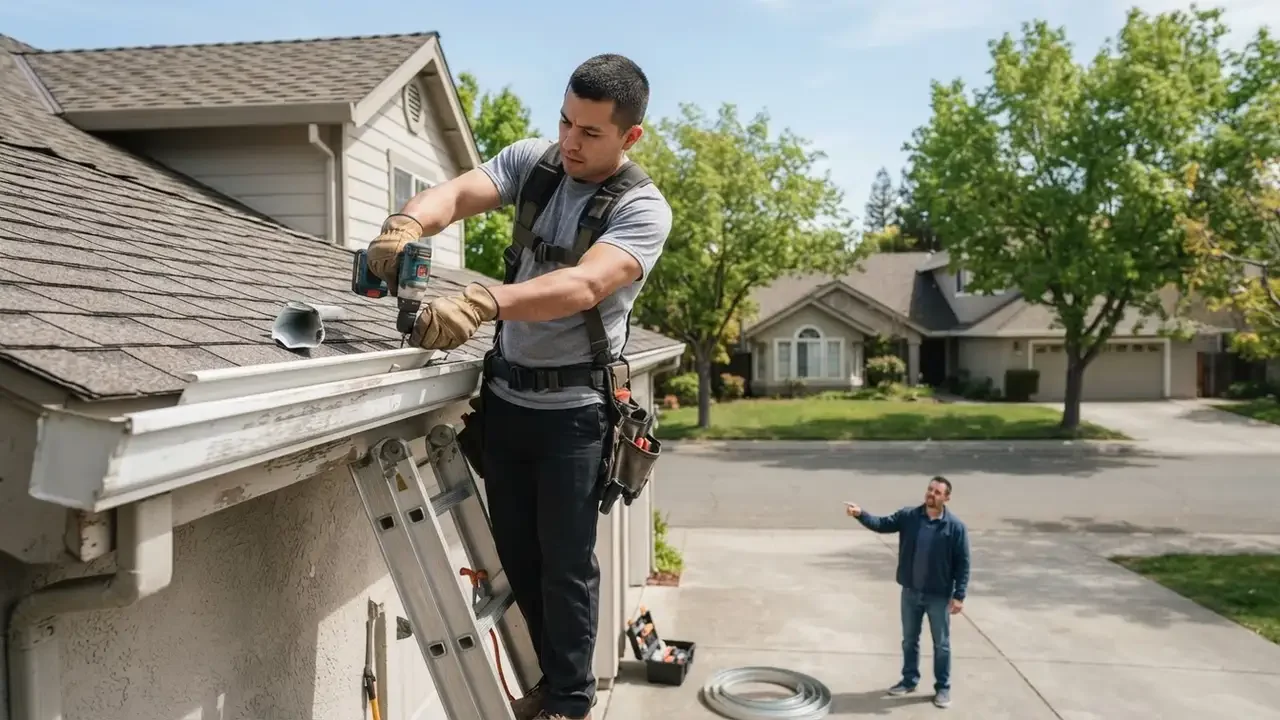
We start by asking what you have noticed, such as a ceiling stain, a loose shingle, or water near a skylight. Our roofer checks accessible roof sections, edges, valleys, and penetrations, then uses a moisture meter when interior signs call for it. A standard inspection often takes 45 to 90 minutes, depending on roof size and access.
We identify whether the problem comes from a roof leak, flashing failure, damaged shingles, or drainage. A stain indoors does not always sit directly beneath the entry point, so we follow water paths and inspect adjacent details. We show you the affected area and explain whether a repair can solve the problem or broader work is needed.
Before work begins, we stage ladders, secure the work zone, and protect nearby surfaces from falling debris. For shingle work, we remove damaged material with a shingle ripper and pry bar, then check the exposed roof deck. Your household gets a clear update on access, noise, and the expected work period.
We install matching or compatible roofing materials, replace compromised underlayment where required, and seal roof transitions with the correct flashing details. A limited repair may take a few hours; a full residential replacement often takes one to three days for an average-sized home, subject to roof complexity and weather.
We review the repaired area, confirm that penetrations and edges are sealed, and remove loose debris and fasteners from the work zone. Where the roof work affects drainage, we check the gutter path and downspouts. Before leaving, we walk you through what was done and what maintenance to schedule next.
We use a moisture meter to check suspect interior materials where a leak has left a stain. Readings help us identify damp areas and distinguish an active moisture problem from a surface mark.
A shingle ripper removes damaged shingles and exposes the roof area beneath them. We use it to reach failed material without unnecessarily disturbing sound sections around a repair.
We use a roofing nail gun for shingle installation where appropriate, setting fasteners to the required placement for the material. Correct fastening helps resist wind lift and supports the manufacturer's installation requirements.
A safety harness is part of fall protection for roof work where the access and roof conditions call for it. We plan safe positioning and ladder access before working on steep or elevated sections.
We use an infrared thermal camera as an inspection aid when temperature patterns may help identify areas for closer moisture investigation. It supports, but does not replace, direct inspection and moisture checks.
We start at the visible symptom and inspect uphill along the likely water route, including valleys, roof penetrations, and flashing. Because water can travel along decking, we compare roof and interior signs before selecting a repair. This method helps avoid sealing a location that is not the true entry point.
We remove damaged shingles carefully, inspect the exposed area, and install compatible replacement material with suitable fastening and overlap. We check the surrounding courses and roof edge so runoff continues to move correctly. When matching material or overall condition makes a small repair impractical, we explain the alternatives.
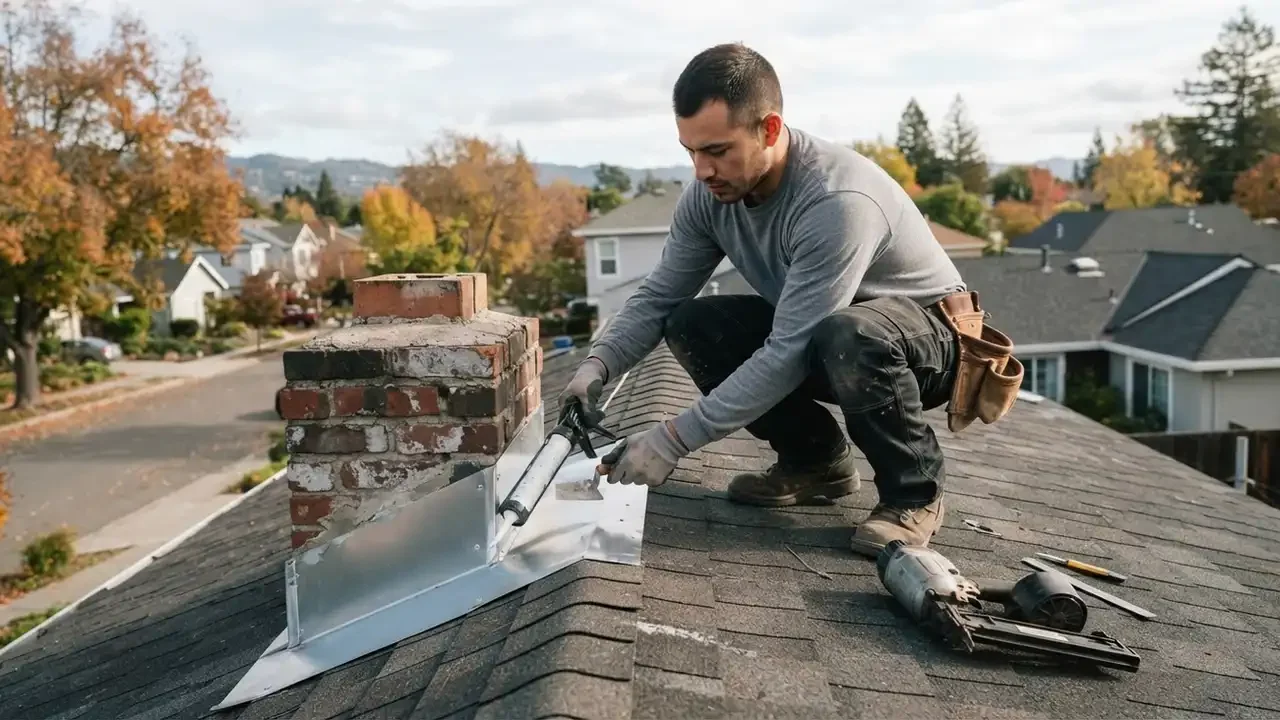
We inspect the metal and sealed transitions at chimneys, skylights, vents, and roof-to-wall joints. Failed flashing is repaired or replaced so water is directed over the roof surface instead of into the structure. We verify adjacent shingles and underlayment details as part of the same water-management path.
For replacement, we remove roof materials as needed, inspect the deck, and install underlayment, shingles, flashing, and edge components as a coordinated system. We follow applicable product installation instructions and local requirements. That approach reduces weak transitions and supports reliable drainage from ridge to eaves.
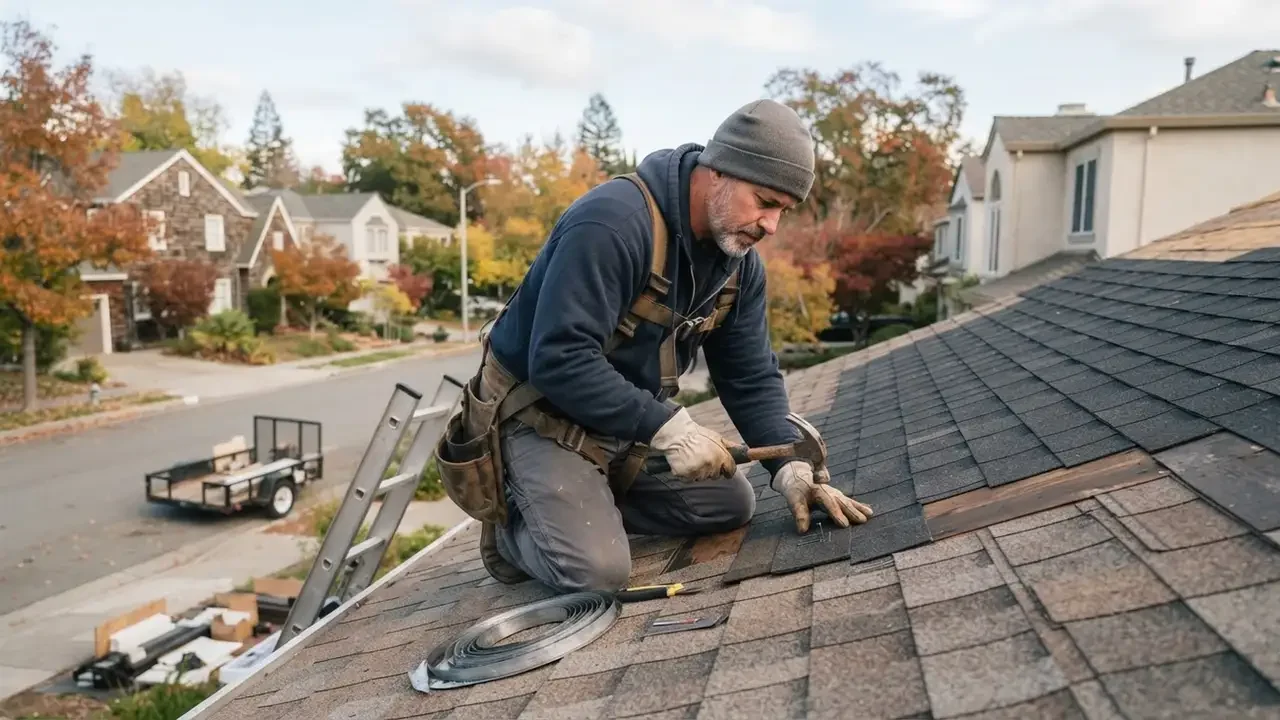
We inspect the roof area above and around the stain, following likely water paths through valleys, flashing, and penetrations. We identify whether the issue is a loose shingle, failed seal, or another opening, then repair the source and check nearby materials for moisture. You get a targeted repair plan and a clear explanation of what caused the leak, helping prevent more water from reaching the ceiling and roof deck.
We assess the roof's overall condition, inspect vulnerable details, and determine whether isolated repairs remain practical. If replacement is the sounder option, we discuss material choices, removal, underlayment, and installation sequence so you can plan the work. You can make a roof decision based on visible condition and repair history instead of paying repeatedly for patches that do not address broad wear.
We check the exposed roof area and surrounding shingles, then secure or repair the damaged section. If water is entering, we prioritize protecting the opening and limiting interior exposure before completing the permanent repair. We also look for nearby wind damage that may not be obvious from the ground. Your home gets a focused response to exposed roofing, with the damaged area repaired and surrounding roof details checked for related problems.
We inspect the roof surface, flashing, edges, and visible drainage, then explain defects that need repair and areas that appear serviceable. We separate immediate leak concerns from routine maintenance items, giving you a useful picture of the roof before listing. You can address priority roof issues early and explain the roof's condition more clearly to prospective buyers.
Residential roofing in Bay City must manage periods of heavy rain, wind-driven water, humidity, and strong sun. Those conditions can loosen shingle edges, age sealants, and expose weak points at roof valleys, vents, chimneys, and skylights. We inspect those details rather than judging a roof only from the street. In older homes around Old Town Bay City, we pay close attention to previous repairs, roof layers, and the condition of exposed decking. Waterfront District properties may need added attention to wind exposure and fasteners. For home roofing Bay City TX, material choice also depends on roof slope, shade, attic ventilation, and drainage. We follow applicable local building requirements and manufacturer instructions for the selected roof system. If you need affordable home roof replacement in Bay City, Texas, we compare the roof's condition and material options clearly, then plan removal, installation, and cleanup around weather and safe access.
We account for tight access and nearby structures when staging ladders and removing roofing debris, while checking older roof transitions for previous patch work.
Wind exposure makes shingle fastening, roof edges, and flashing worth a close look after storms. We inspect those details along with the visible roof surface.
Aged roofs may have multiple repair layers or varied materials. We check what lies beneath a damaged section before choosing a repair method.
Homes with skylights or roof additions need careful inspection at the junctions where newer sections meet existing roofing and drainage paths.
Water can move sideways beneath lifted shingle edges and enter at vulnerable flashing details. After a storm, we check the surrounding courses and roof transitions even if the visible damage appears limited.
Heat and moisture cycles can dry sealant, age shingles, and make small gaps more likely to leak. We look for brittle material, open joints, and recurring moisture at roof openings.
When water cannot move through the gutter and downspout, it can overflow against fascia or back up at the roof edge. We check drainage during roof work and identify related gutter or edge damage.
A homeowner in Bayview noticed a ceiling stain after rain, but the shingles looked mostly intact from the yard. Water had entered near a roof valley and traveled along the decking. The affected section also had loose shingle edges, making a quick surface seal unlikely to solve the recurring leak.
We removed the damaged shingles, checked the exposed roof area, and repaired the affected valley details before installing replacement material. The homeowner had a clear water path and repair area to review. A follow-up check after rainfall showed no new interior moisture at the stained ceiling location.
Maintenance: Check the valley and surrounding shingles after significant wind or hail, and keep nearby gutters clear. If a ceiling mark returns, call before repainting; a fresh inspection can catch renewed water entry while the affected area remains localized.
Across several slopes, the roof had curling shingles, visible granule loss, and repeated small repairs. Two different areas had leaked in the past year. The homeowner wanted to know whether another patch would hold or whether the roof had deteriorated too broadly for individual repairs.
We inspected the full roof and recommended replacement based on widespread wear rather than one isolated defect. The crew completed the project in two days, checked the exposed deck, and installed a coordinated shingle system with new flashing details. The home had a consistent surface and fewer weak transitions.
Maintenance: Arrange a roof check each year and after severe weather. Keep branches and debris from trapping moisture, watch for missing shingles from the ground, and have new stains investigated promptly rather than waiting for the next leak.
Rain left a small drip beside a skylight in a Midtown Bay City home. The glass was intact, but water was getting beneath the adjacent shingles where the flashing had deteriorated. The homeowner had been placing a container indoors and was concerned about damage to the ceiling and insulation.
We traced the leak to the roof transition, replaced the failed flashing, and repaired the adjacent shingle section. The work took several hours, and we checked the interior area for signs of moisture. The skylight opening was left protected, and the homeowner could stop catching water indoors.
Maintenance: Inspect skylight edges and nearby shingles annually, especially after wind-driven rain. Clear debris from the roof area without damaging the flashing, and report a new stain early so water does not spread into surrounding materials.
Small roof defects can send water into insulation, ceilings, and framing before you see a stain. We diagnose the source, repair the failed detail, and check the nearby roof system so you can avoid repeat leaks and unnecessary interior repairs.
Water can travel under shingles and soak the roof deck before reaching the ceiling. Continued moisture damages insulation and drywall and can spread beyond the visible stain. We inspect the valley, shingles, and underlayment for openings or wind damage, then repair the affected roof area. Our team checks adjacent courses and the water route so the fix addresses the entry point rather than hiding the indoor symptom. We also identify any interior moisture that needs attention.
Exposed underlayment and roof edges take direct weather, and nearby shingles can loosen further. A delay raises the risk of water intrusion and broader replacement work. We assess the damaged slope and examine surrounding shingles for lifting, granule loss, and brittle material. If the damage is localized, we replace affected shingles and check their fastening and overlap. When deterioration is widespread, we explain replacement options for the whole roof instead.
Failed flashing lets water reach roof decking and nearby framing, even when the visible roof surface appears intact. Repeated leaks can enlarge interior damage. We inspect the transition around the chimney or skylight, including flashing, sealant, and surrounding roof material. We replace or repair failed components and verify that water can pass around the feature without entering the opening. The repair is checked against the roof system rather than treated as a surface-only patch.
Standing or spilling water can damage fascia, soffit, and exterior finishes. Overflow may also contribute to leaks where the roof edge is already weak. We inspect the roof edge, drip edge, gutter condition, and downspout flow to find the cause. Our crew clears or repairs affected drainage components and addresses damaged fascia when required. That restores a controlled path for runoff and helps keep water away from vulnerable roof edges.
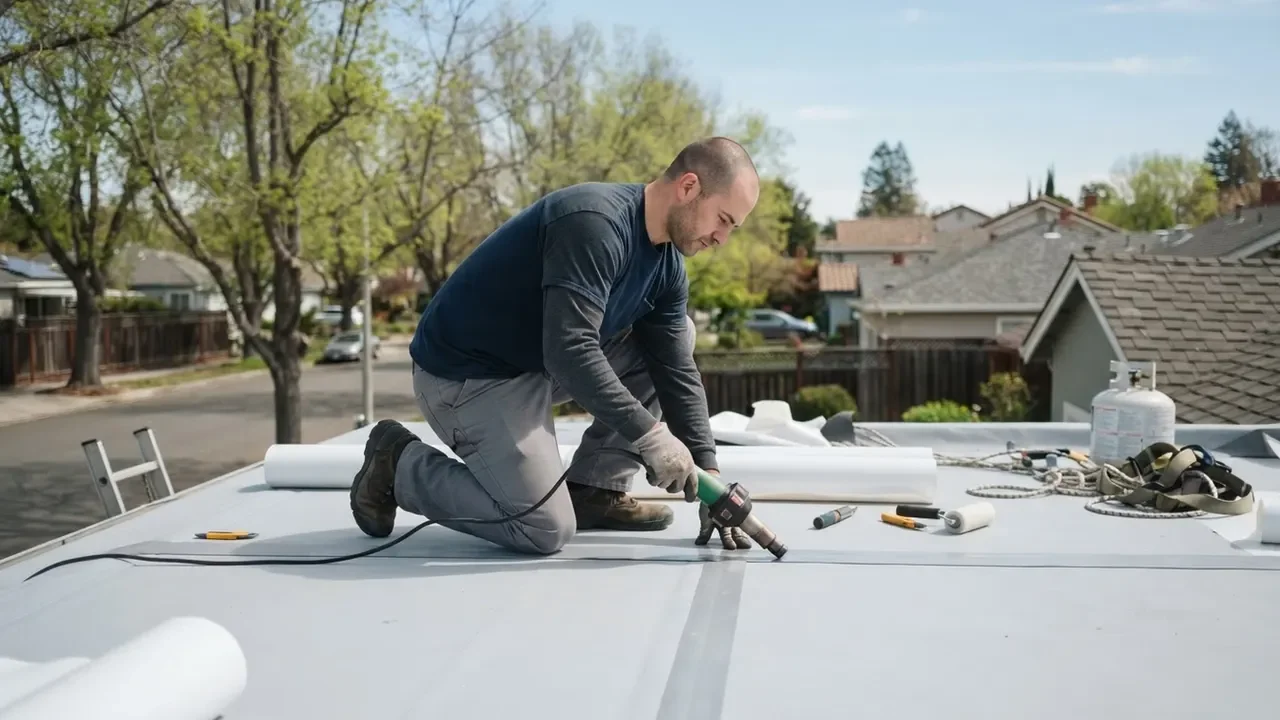
Our crew works on residential roofs with different ages, slopes, materials, and leak patterns. We match the repair method to the roof system, check the details that commonly fail, and explain the practical difference between a patch and a replacement. Material selection includes established manufacturers such as GAF and Owens Corning, with product choice based on the roof, appearance, and warranty requirements. We use safe access practices and follow applicable manufacturer installation instructions and local requirements. You get direct answers about the condition of your roof and the work needed to protect it.
We had a brown ceiling mark after a windy rain, but the roof looked fine from the yard. The crew found a gap near the flashing, showed me the spot, and repaired it the same day. They checked the shingles around it and cleaned up the loose pieces. The stain has stayed dry through the next rains.
Our shingles were curling across several slopes, and we were worried a small patch would not last. The team explained what could be repaired and why replacement made more sense for the roof's condition. The work took two days, the driveway was left clear, and they walked us through the new roof details before finishing.
Water was dripping near our skylight during heavy rain. The roofer checked the flashing and shingles around the opening instead of just sealing the visible edge. They repaired the transition and checked the interior for moisture. We appreciated seeing the problem area and getting a direct explanation of what had failed.
A residential roof repair often costs $250 to $1,500, while a full shingle replacement commonly ranges from $8,000 to $20,000. Typical 2026 pricing in Bay City depends on roof size, pitch, layers to remove, material, decking condition, and access. We inspect the roof and provide upfront pricing for the work identified. A small flashing repair costs far less than replacing a large, steep roof with widespread deck damage.
Many asphalt shingle roofs need replacement after about 20 to 30 years, with condition and storm exposure affecting the timing. In Bay City, inspect your roof at least once a year and after significant wind or hail. Look for missing or curling shingles, granule loss, recurring leaks, and soft spots. We check the whole system before recommending replacement; a localized repair can remain sensible when the rest of the roof is sound.
Architectural asphalt shingles are a practical choice for many Bay City homes because they suit common roof designs and offer a range of styles and price points. Metal roofing panels are another option where the structure, budget, and appearance fit. The best material depends on slope, wind exposure, ventilation, and installation requirements. We compare options for your house and explain how underlayment, flashing, and drainage affect performance.
Yes, we repair residential roof leaks in Bay City and check the nearby roof details to find the source. We inspect shingles, valleys, pipe and vent penetrations, skylights, and chimney flashing, then replace or reseal failed components. For residential roof leak repair Bay City TX 24/7 needs, call (877) 791-3217 to report active water entry. If water is reaching electrical fixtures, avoid the area and tell us when you call.
Not seeing your question? Our local team can help you understand urgency, scheduling and what to expect.
Ask the local team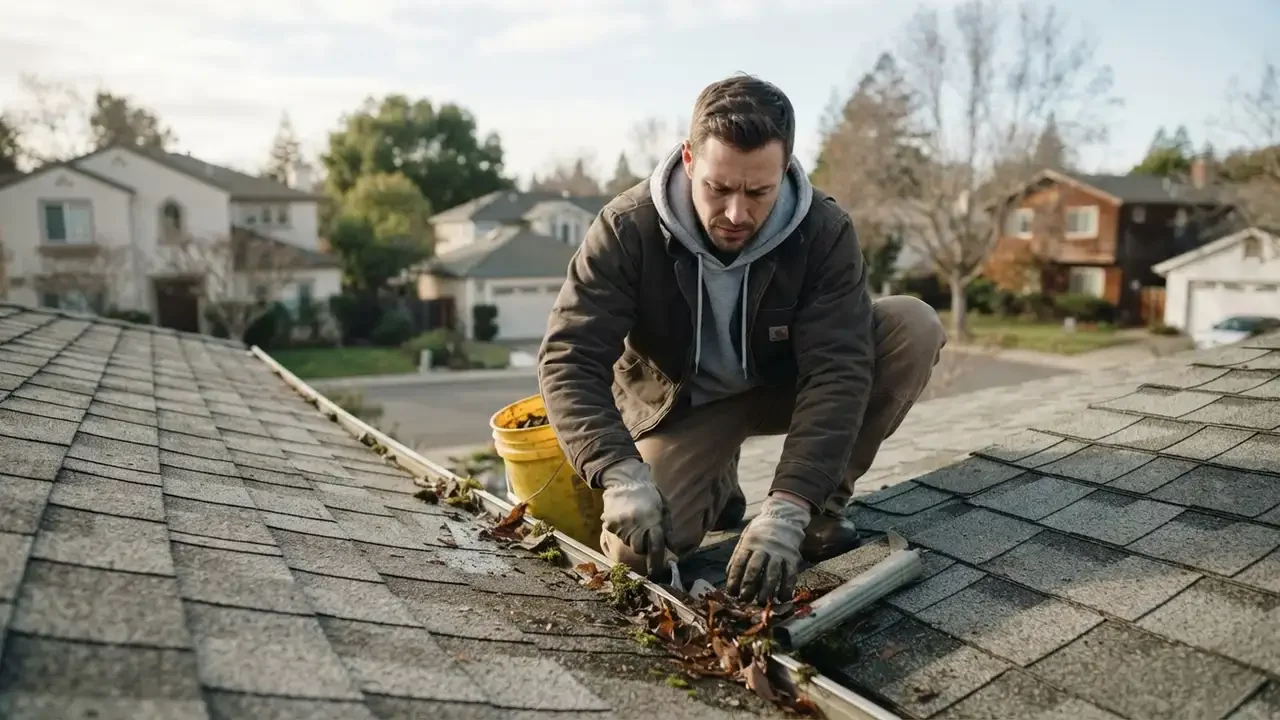
Roof Repair addresses isolated damage before water reaches ceilings or decking. We inspect shingles, flashing, valleys, and roof edges, then repair the failed section. If your Bay City home has a recurring leak or a few wind-damaged shingles, this service can restore the roof without replacing sound areas.
View serviceRoof Replacement makes sense when shingles are worn across broad areas, leaks keep returning, or the roof deck has multiple weak spots. We remove the existing system as needed, check the substrate, and install a coordinated roof assembly. You'll review material choices and the work sequence for your Bay City home.
View service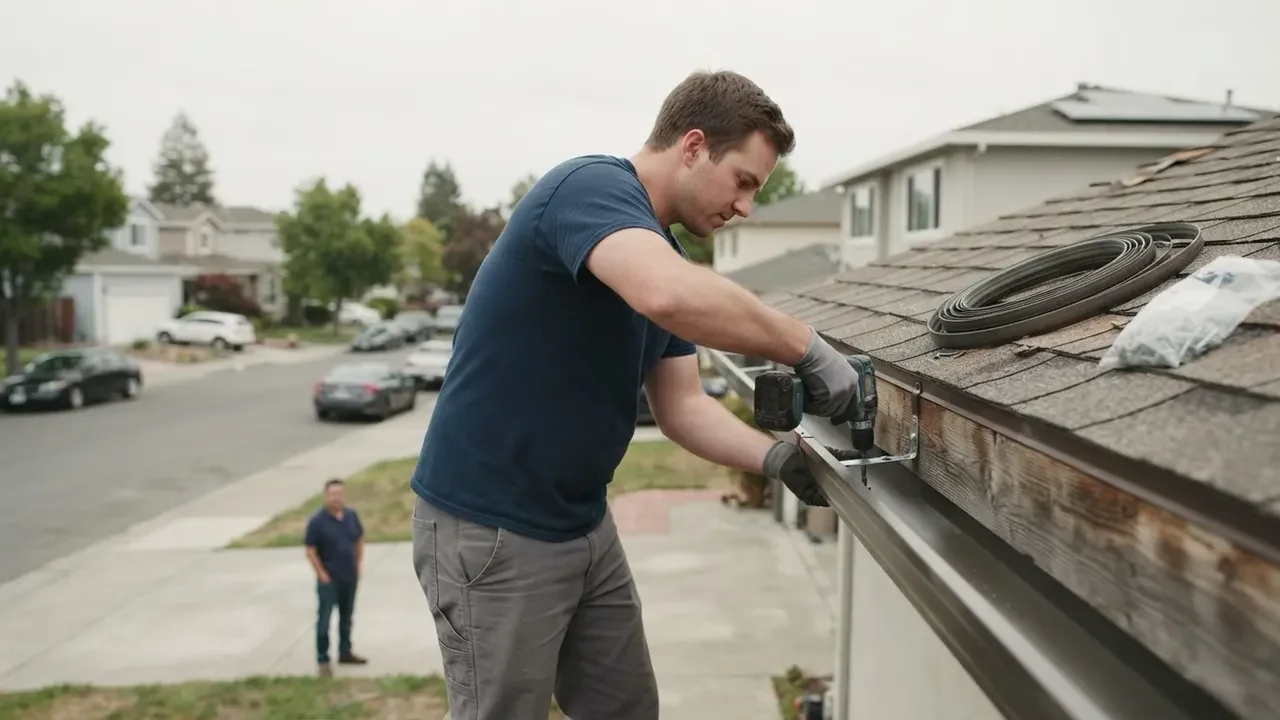
Roof Leak Repair starts with locating the entry point, not simply covering the interior stain. We inspect nearby flashing, roof valleys, vents, and shingles, then repair the failed detail. This service helps Bay City homeowners stop active water intrusion and limit further damage to insulation, drywall, and framing.
View service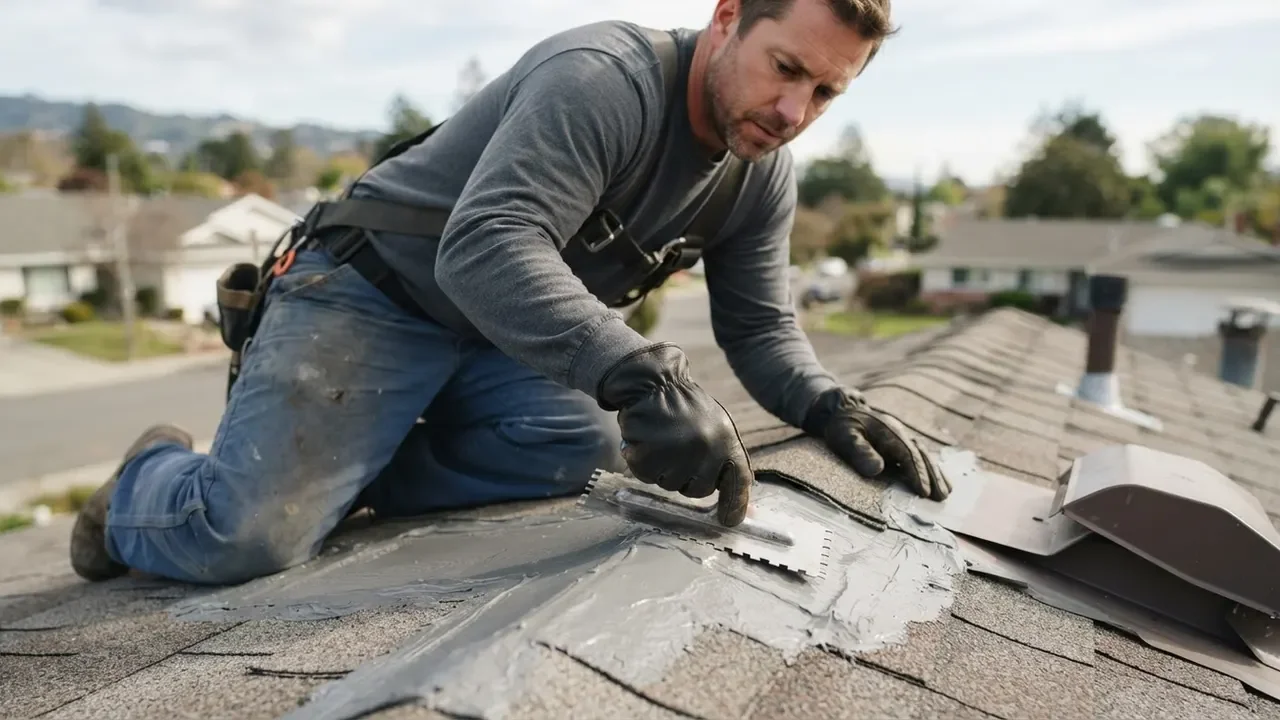
Emergency Roof Repair helps secure a home after a sudden leak, fallen branch, or storm damage. We assess exposed areas, protect the interior from further water, and plan the permanent repair. If a Bay City roof is actively letting water in, call (877) 791-3217 and describe the damage.
View service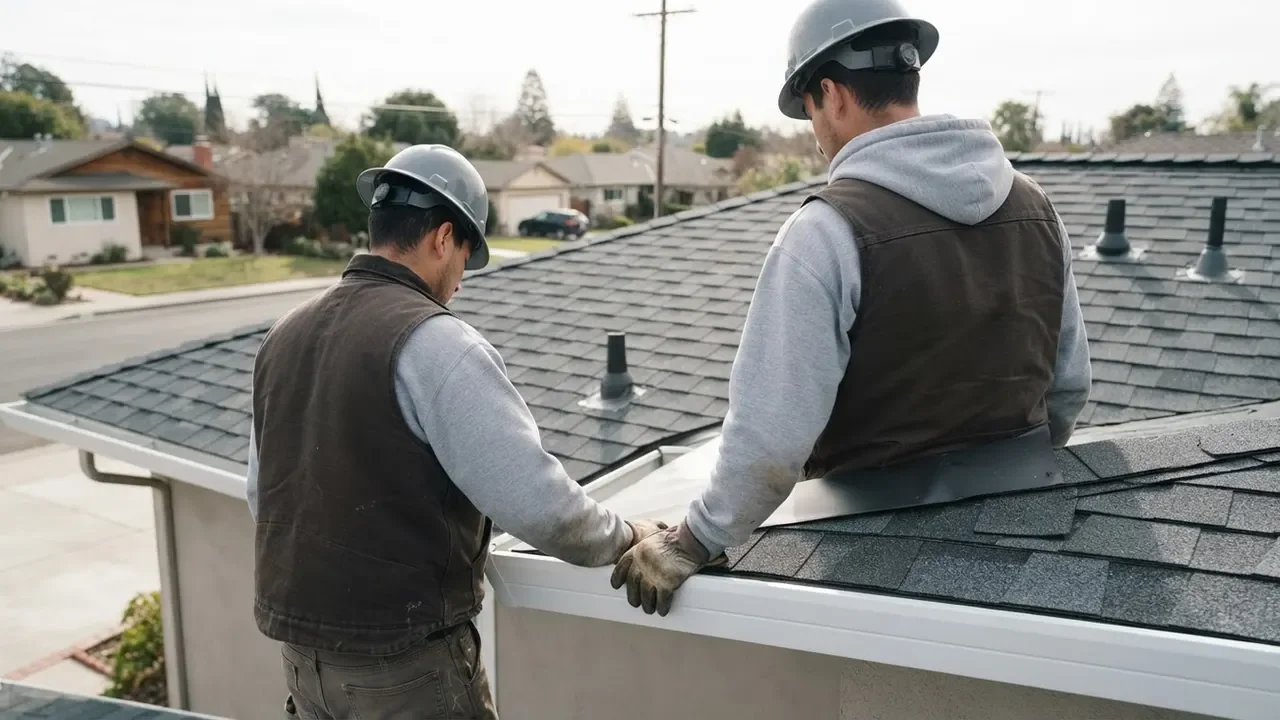
Call (877) 791-3217 to discuss a roof leak, storm damage, inspection, or replacement in Bay City. We connect you with independent roofing companies and help you get the conversation started. Calls are accepted around the clock for urgent roofing needs; tell us whether water is actively entering and where you see the damage.