Focused Arrival Windows
Useful updates and clear arrival timing.
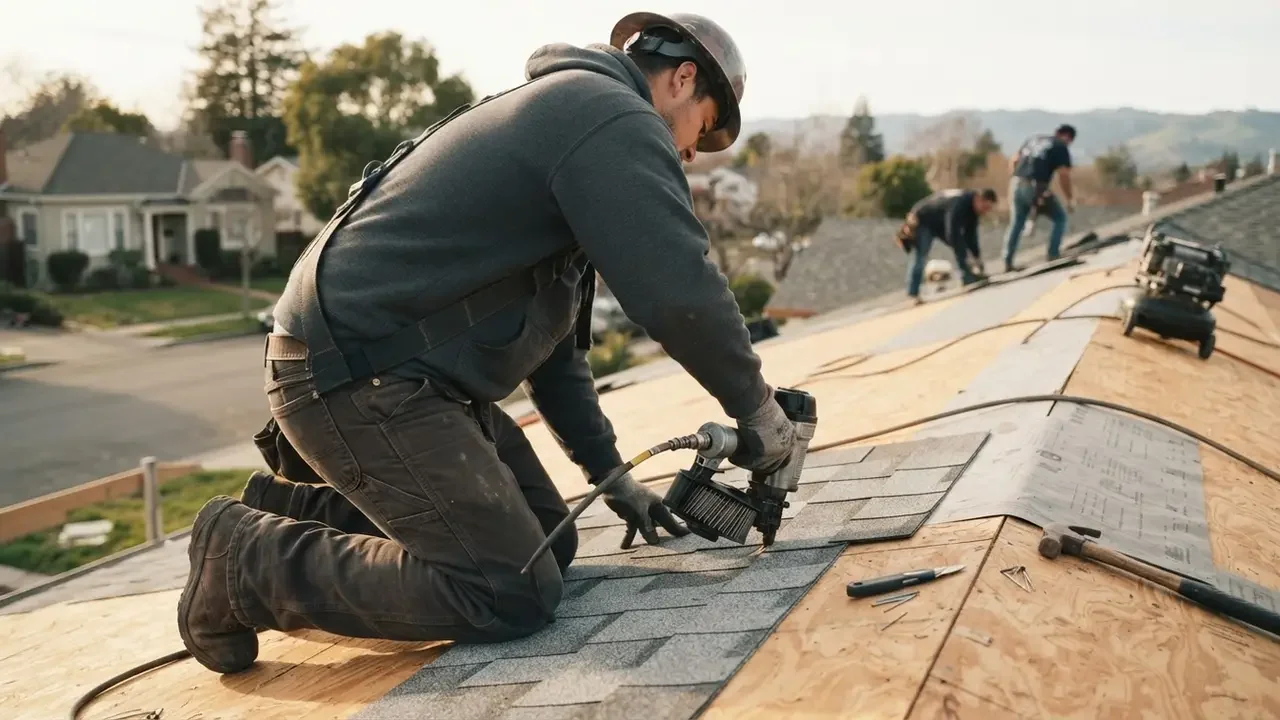
Roof leak repair in Bay City, Texas helps homeowners and property managers stop water intrusion before it damages ceilings, insulation, and framing. We trace stains and drips back to their source, repair the affected roofing assembly, and check the repair under controlled conditions. If a storm has opened a roof or a ceiling is actively dripping, call us to arrange roof leakage repair Bay City TX and keep the damage from spreading.
Useful updates and clear arrival timing.
Review the approach and price before deciding.
Equipped vehicles and respectful cleanup.
Neighbors serving neighbors with follow-through.
Roof leak repair includes locating the water entry, checking related roof details, and restoring the affected area with materials suited to the existing roof. We also review nearby damage that could affect the result. Interior drywall, insulation replacement, and extensive structural work are separate repairs if inspection shows they are needed; we explain those findings before adding work.
We compare the visible stain or drip with roof-side and attic evidence, checking likely openings around valleys, vents, chimneys, and skylights. When accessible, a moisture meter helps identify damp material. This step keeps the repair focused on the entry point rather than the place where water finally appears.
We remove or reset only the roofing needed to reach the failure, then restore damaged shingles, flashing, or compatible roof materials. Correct overlaps and fastening help direct water back down the roof. If a wider area is deteriorated, we explain why a spot repair may not solve the repeated leak.
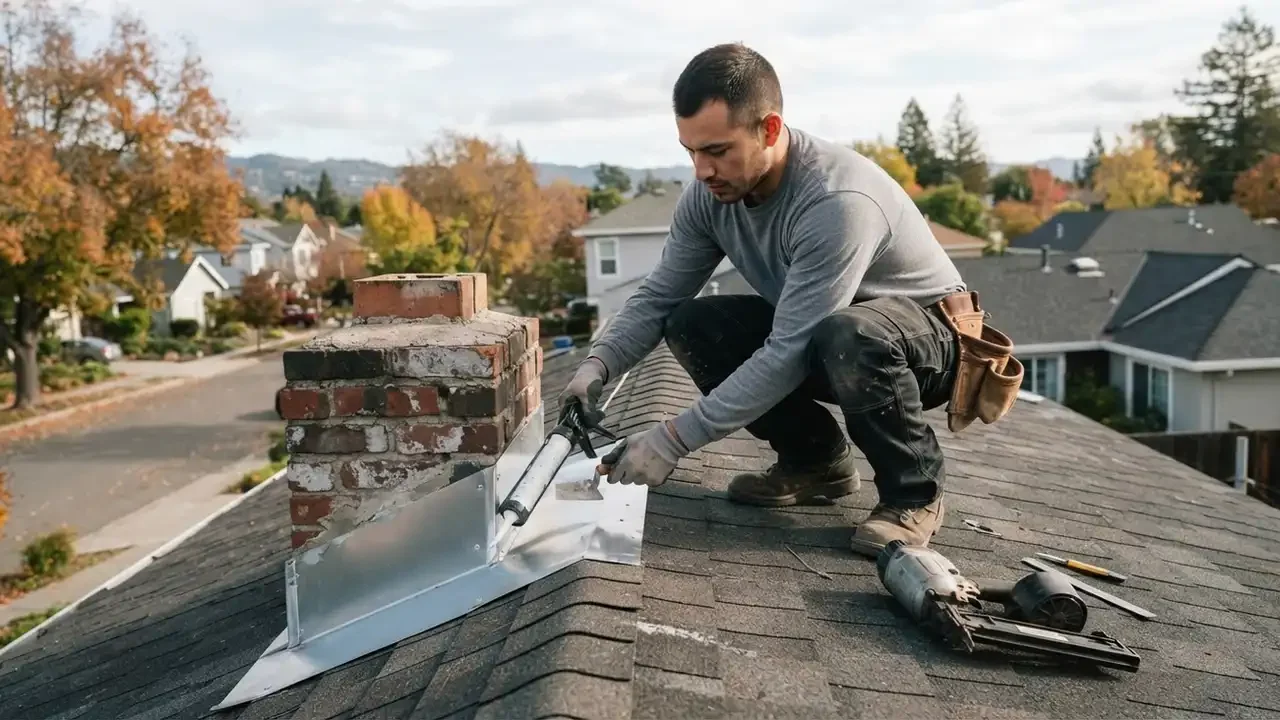
We inspect transitions around chimneys, vents, skylights, and roof edges because water often enters at a joint. The repair addresses failed connections and nearby material that affects water flow. We do not rely on a surface bead of sealant if the flashing underneath is loose or incorrectly overlapped.
After completing the roof work, we check the repaired area and review the source and repair with you. We point out any remaining moisture that needs drying and tell you what to watch after rainfall. This closeout helps you distinguish a new leak from old staining that is still drying.
Share what is happening and receive a clear next step from the local team.
Roof leak repair in Bay City, Texas is a roofing service that locates water entry and restores the roof assembly where damage is allowing moisture inside. We inspect the roof surface, flashing, penetrations, valleys, and attic-side evidence rather than sealing the first visible stain. A repair may involve replacing damaged shingles, resetting roof flashing, renewing a small section of underlayment, or sealing a roof penetration with compatible materials. We then check the repaired area and explain what was fixed, so you know how the work protects the rooms below.
Bay City properties face wind-driven rain, strong sun, and sudden storm bursts that can expose loose edges or worn sealant. Water can travel along framing before appearing far from the roof opening, so ceiling location alone is not a reliable diagnosis. For how to find roof leak in attic Bay City, Texas, we compare moisture readings with roof-side findings and trace likely paths around vents, skylights, and chimney flashing. Our roof leak detection Bay City, Texas service helps you act before damp insulation, soft decking, or recurring interior stains become a larger repair.
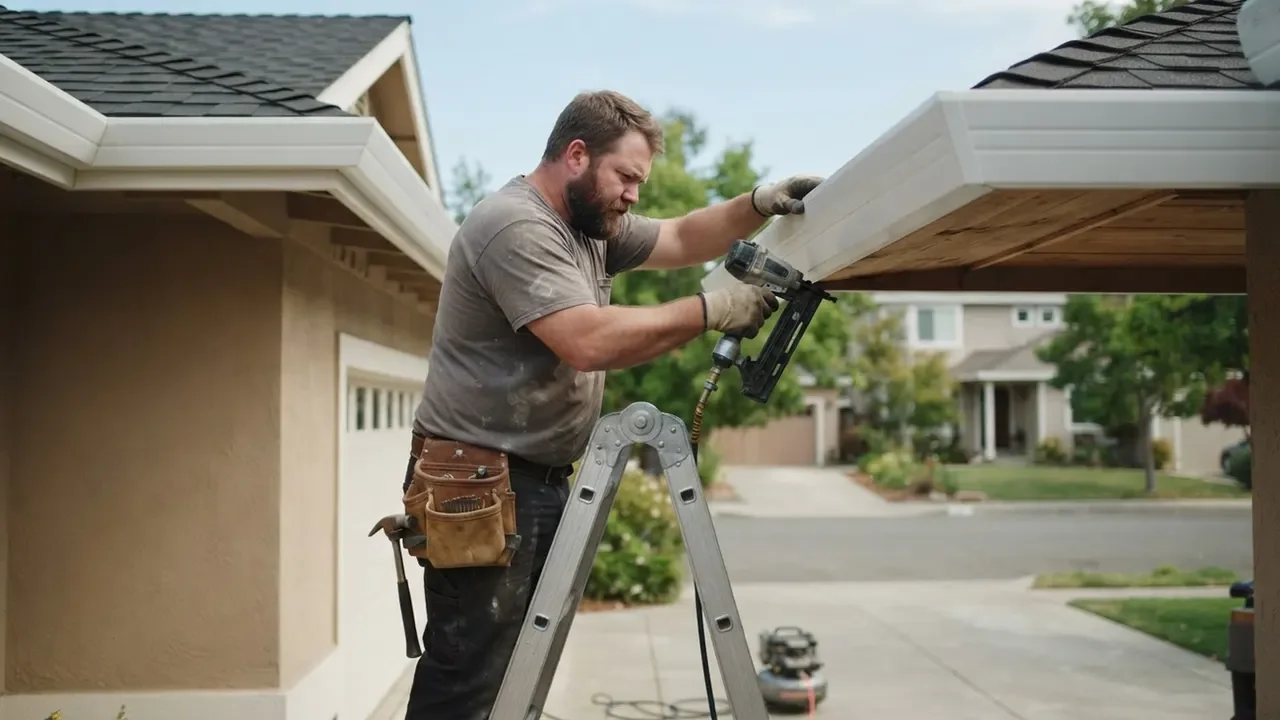
Tell us whether water is dripping now, where the ceiling stain appears, and whether a storm or wind event came first. We use those details to plan a safe response and bring the likely materials. If you are searching for roof leak repair near me in Bay City, Texas 24/7, call (877) 791-3217 and describe the urgency; we will discuss the next available response.
We examine the roof surface, attic when accessible, and interior water marks to connect the visible symptom with the entry point. An extension ladder and safety harness support safe access, while a moisture meter helps distinguish damp materials from old staining. Inspection time varies with roof size and pitch, but a focused assessment often takes 30 to 60 minutes.
We show you the failed area, identify whether shingles, flashing, a roof seam, or a penetration is involved, and explain the repair method. You receive the price before work begins. If wet decking or concealed damage appears after opening the repair area, we explain the finding and the practical options before proceeding with added work.
Our crew removes only the material needed to reach the failure, then replaces or resets damaged components and seals compatible joints. A shingle ripper and pry bar help lift surrounding shingles without needlessly disturbing sound courses. We restore the roof surface with correct overlaps and fastening, rather than relying on surface sealant alone.
We check the repaired area, clear loose debris, and review the work with you before leaving. Where conditions allow, we use a controlled water check; we do not create unsafe roof conditions during storms. We also point out any remaining moisture that needs interior drying and explain what to look for after the next rainfall.
We use a moisture meter to compare damp and dry building materials around a suspected leak. Readings help locate wet insulation or decking and distinguish active moisture from an old ceiling mark.
An infrared thermal camera can help identify temperature patterns associated with trapped moisture when conditions support a useful reading. We pair thermal observations with visual inspection rather than treating the image as proof on its own.
A shingle ripper and pry bar let us lift roofing carefully to inspect the layer beneath. We use them to access a repair area while limiting disturbance to surrounding shingles that remain serviceable.
A properly positioned extension ladder and safety harness support controlled roof access. We assess pitch, weather, and footing before climbing, and stop work if conditions make the repair unsafe.
We use a caulking gun to apply compatible roof sealant at appropriate joints and transitions. Sealant supports a correctly assembled repair; it does not replace damaged flashing or correct a poor water-shedding detail.
We begin with the interior symptom, then follow likely paths through the attic and across the roof. The entry point may sit uphill from the stain, so we check valleys, penetrations, flashing, and roof edges. This method helps keep the repair tied to the cause rather than the visible damage.
At chimneys, walls, and roof penetrations, we restore the water-shedding sequence of the flashing and surrounding roofing. We remove failed material where needed, fit compatible components, and preserve correct overlaps. A bead of sealant alone is not treated as a substitute for a sound flashing connection.
For a limited shingle failure, we lift the surrounding course carefully, remove damaged material, and install a compatible replacement with secure fastening. We check the underlayment and nearby shingles before closing the repair. This preserves sound roof sections while restoring the damaged water-shedding surface.
After repair, we visually check the area and confirm that surrounding components sit correctly. A controlled water check is used only when it can be done safely and without causing additional damage. We then review the work with you and identify any interior drying or follow-up needs.
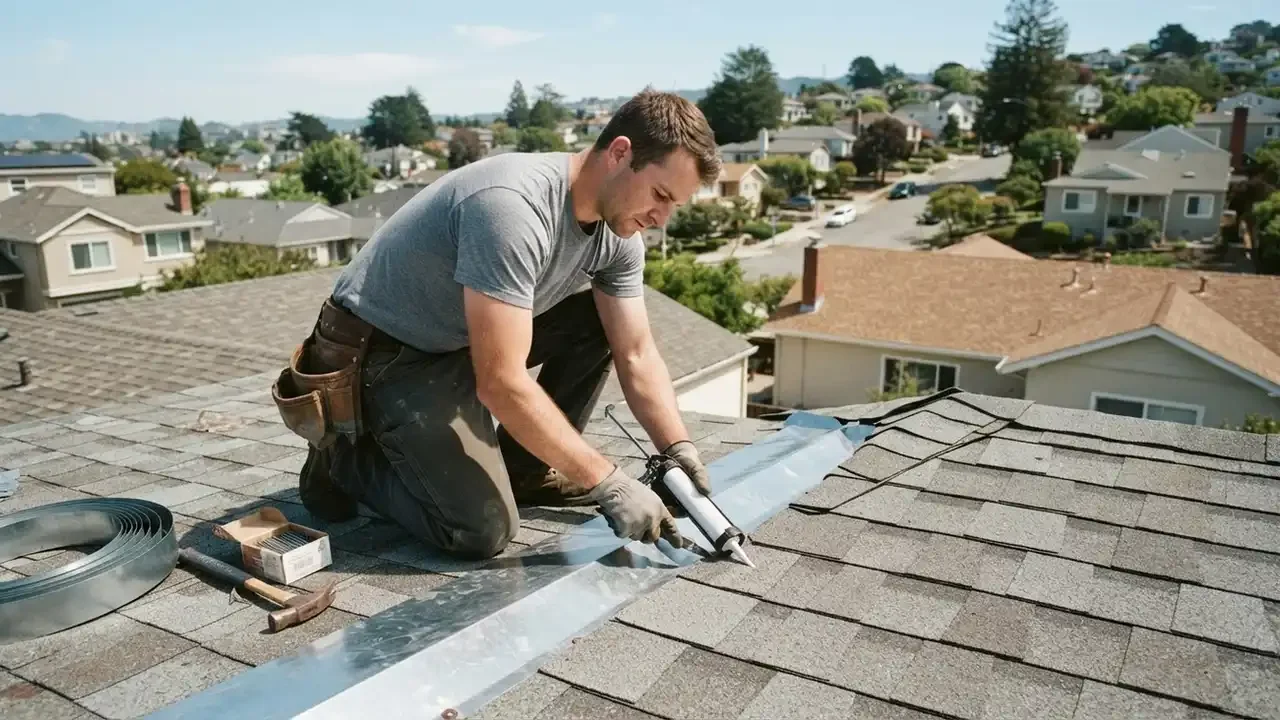
Call us and describe the active drip, affected room, and roof access. We prioritize safe response, inspect the likely water path, and protect exposed areas where conditions permit. Once the roof is safe to access, we locate the opening and repair the failed roofing or flashing. You get a clear plan for stopping the water and reducing further interior exposure, followed by a roof-side repair when conditions are safe.
We inspect the skylight frame, surrounding flashing, and adjacent roofing for separation or damage. Water can travel beneath the roof surface before showing inside, so we compare the stain with attic evidence. We repair the source and review whether the skylight itself needs further work. The repair addresses the failed roof connection rather than covering the interior stain, helping you avoid repeated leaks around the same opening.
We trace the leak across the roof surface and check seams, penetrations, and drainage. On low-slope roofs, water can travel from a seam or ponding area before it reaches the ceiling. We repair the affected membrane detail and check nearby transitions. You receive a roof-side diagnosis and a targeted repair plan that helps protect the space and limit disruption to normal operations.
We inspect the exposed area and nearby courses for torn underlayment, lifted shingles, and wet insulation. Our crew restores the roof covering and checks whether water reached the decking. If interior drying is needed, we point out the affected area so you can address it promptly. The roof opening is closed with compatible materials, and you know whether any concealed moisture needs separate attention.
Roof leak repair in Bay City, Texas must account for wind-driven rain, intense sun, and sudden changes in weather. Those conditions can loosen shingle edges, age exposed sealant, and push water beneath flashing. We check the roof material and slope before choosing a repair, because a shingle roof and a low-slope membrane shed water differently. In Waterfront District homes, wind exposure can make roof edges and penetrations worth close inspection; older properties in Old Town Bay City may have layered repairs that need careful tracing. If you are searching for roof leak repair cost in Bay City TX, the key factors are access, material, and whether water has damaged decking or insulation. We give you upfront pricing before work begins. Work follows applicable product installation instructions and local requirements; we do not assume a repair method based on the stain alone. When storms make climbing unsafe, we protect the interior first and return to the roof-side repair when conditions allow.
Closely spaced buildings and varied roof access can affect ladder placement. We plan access carefully and trace stains through the attic when available to find leaks that travel from nearby roof details.
Wind-driven rain can test roof edges, valleys, and flashing. We check for lifted shingle tabs and open joints that may admit water during storms.
Older roofs can have previous patch layers or brittle surrounding material. We inspect the repair history and lift only what is needed to assess the underlying roof.
Skylights and roof penetrations deserve close attention when stains appear after rain. We compare the interior mark with flashing and attic evidence before choosing a repair.
Rain pushed sideways can enter at a loose edge even when the main roof surface appears intact. We inspect the overlap, fasteners, and nearby underlayment instead of sealing only the visible gap.
Weathered sealant can crack or separate around penetrations over time. We check whether the underlying flashing remains sound, then replace failed components or reseal a suitable joint with compatible material.
A clogged gutter or restricted downspout can cause overflow that resembles a roof leak. We check drainage and the roof edge alongside the reported stain so the repair addresses the correct water source.
A homeowner in Bay City reported a growing stain near a chimney after each hard rain. The attic showed a damp track, but the roof shingles looked mostly intact. A previous surface seal had cracked, leaving the chimney transition open to wind-driven water.
We removed failed sealant, repaired the flashing connection, and checked the adjacent shingles and underlayment. The focused repair took about three hours, and the homeowner had no new drip during the next rainfall. We also identified a small area of insulation that needed drying.
Maintenance: Check the ceiling and attic around the chimney after major storms. Keep nearby gutters clear and call if the stain returns, because recurring moisture can indicate movement or a new failure beyond the repaired joint.
Several shingles near a roof valley had lifted after a windy storm in Bayview. Rain reached the underlayment and left a damp patch in the attic. The owner was concerned that the damage meant the entire roof needed replacement.
We replaced the missing shingles, checked the underlayment, and secured the affected course with compatible materials. The repair covered a localized area and took roughly two to four hours, including inspection. The surrounding roof remained serviceable, so full replacement was not needed for this leak.
Maintenance: After strong winds, look for shingles on the ground or new ceiling marks from inside. Avoid climbing to inspect; call for a roof check if edges appear lifted or water shows up after rain.
A resident in Downtown Bay City saw water at an exterior wall and assumed the roof was leaking. The gutter overflowed during heavy rain, and dampness had reached the fascia near the downspout. Debris was restricting the runoff path.
We cleared the blocked gutter, checked its slope and joints, and inspected the drip edge and fascia for damage. Restoring drainage stopped the overflow during the next rain. The resident also received a separate repair recommendation for a small area of softened fascia.
Maintenance: Check gutters at least twice a year and after heavy debris falls. Water should move toward the downspout without standing or spilling over the edge; address slow drainage before it wets roof-edge materials again.
Roof leak repair Bay City homeowners call for usually begins with a stain, drip, or damp smell, but the visible symptom may not show the actual opening. We trace the water path, repair the roof-side failure, and help prevent avoidable damage to ceilings, insulation, and framing. Early action makes the repair easier to define.
Repeated moisture can soften drywall, soak insulation, and spread along framing before the stain becomes obvious. Delaying diagnosis also makes it harder to separate active water from old damage. We inspect the roof and attic for water tracks, failed flashing, and damaged shingles, then repair the entry point. A moisture meter helps identify damp areas that need drying. We show you the source and explain whether the repair is isolated or connected to wider roof wear.
Exposed underlayment can be damaged by sun and rain, allowing water to reach the decking during the next storm. Loose adjacent shingles may also lift further. We check the affected course and surrounding roof for missing or loosened shingles, then replace damaged pieces and restore secure overlaps. If the underlayment is torn, we repair the exposed area as part of the roof work. We also look for wind damage in nearby valleys and edges.
A failed joint can direct water into insulation and ceiling cavities, while a stain may appear away from the actual flashing defect. Repeated wetting can damage interior finishes. We examine the penetration, flashing, and adjacent roofing to determine whether the unit or roof transition is responsible. We repair the failed connection using compatible materials and check the surrounding water path. If the opening itself is damaged, we explain the next repair step.
Blocked drainage can push water behind the edge, wet fascia, and mimic a roof leak. Continued overflow can contribute to rot and repeated staining near exterior walls. We inspect gutter flow, drip edge, fascia, and nearby roofing to separate drainage trouble from a roof opening. We clear or repair the relevant gutter components when needed, then address any roof-edge damage. Restoring the runoff path helps keep water moving away from the building.
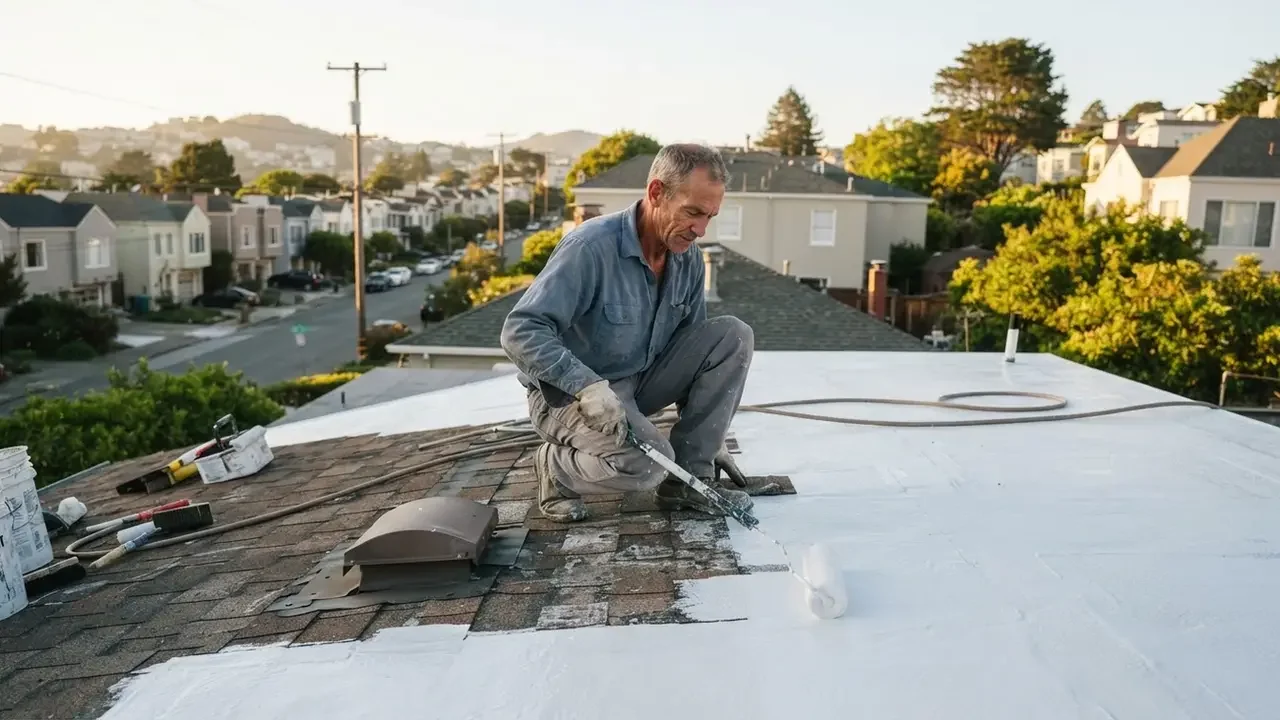
Our local roofing experience covers leak tracing and repairs on shingle, metal, and low-slope roofs. We match repair materials to the roof system instead of treating every leak with the same sealant. Our technicians use safe-access practices and assess both the roof surface and the path water takes through the structure. We explain whether the issue is isolated, connected to surrounding wear, or part of a larger roof condition. That distinction helps you choose a repair that addresses the actual cause and protects the rest of your property.
A brown ceiling mark kept spreading every time it rained. The crew checked the attic and roof, found a loose flashing joint, and explained why the stain was several feet from the entry. They repaired it that afternoon and showed me the area before leaving. The next rain came through without another drip.
We had water coming into a small office after a windy storm. The team traced it to damaged shingles near a roof valley instead of just covering the interior stain. They replaced the affected section, checked the nearby roof surface, and cleaned up the debris. We were able to keep the room in use.
Water was showing near our skylight, and I worried the whole unit needed replacement. The inspection found the leak at the surrounding flashing. The repair took a few hours, and the technician explained what had failed and what to watch after the next rainfall. The ceiling stayed dry afterward.
A localized roof leak repair in Bay City often costs $180 to $850 in 2026, depending on access, materials, and hidden damage. Replacing a small flashing section or several shingles is usually less involved than opening wet decking or repairing a complex roof penetration. We inspect the source, explain the needed work, and give you the price before starting. Ask about the exact repair area if you are comparing options.
Move valuables, place a bucket under the drip, and keep clear of a sagging or bulging ceiling; do not climb onto a wet roof. If safe, catch water and switch off power to a wet light fixture or affected circuit from a dry location. Call us for roof leakage repair Bay City TX and tell us whether water is active. A tarp or temporary roof covering should be installed only by someone with safe access.
Water dripping from a ceiling usually means rain has passed a roof opening, flashing joint, or roof seam, though plumbing should also be considered if dripping continues in dry weather. The leak may enter several feet from the ceiling stain. We inspect the attic and roof together, checking for wet insulation, a skylight leak, or chimney flashing failure, then repair the identified source rather than sealing the interior mark.
An interior patch can catch or redirect water temporarily, but it does not restore the roof opening where rain enters. We inspect the roof exterior and repair the failed shingles, flashing, seam, or penetration whenever conditions allow safe access. If a storm makes roof access unsafe, we focus first on interior protection and arrange the exterior repair when conditions permit. Drying wet insulation and drywall is a separate follow-up task.
Not seeing your question? Our local team can help you understand urgency, scheduling and what to expect.
Ask the local team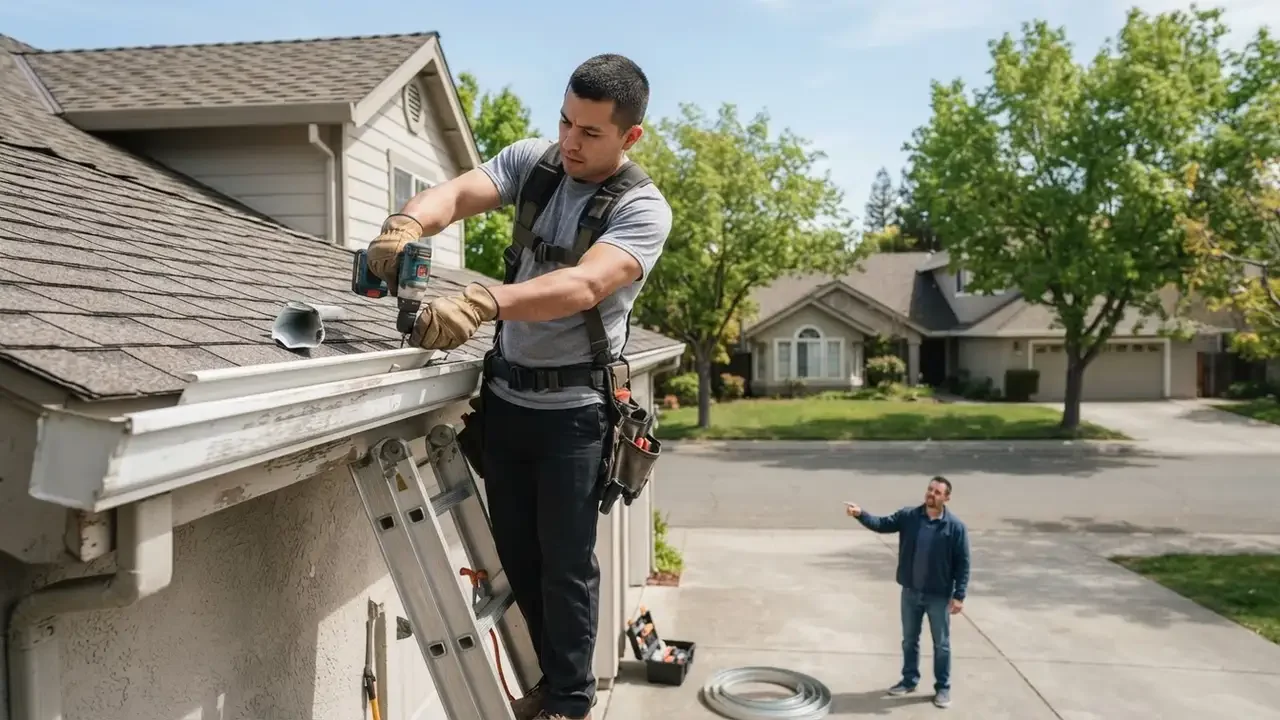
When a leak accompanies loose shingles, lifted edges, or damaged decking, Roof Repair addresses the broader affected area. We inspect adjoining materials and restore the roof surface so the leak fix works with the surrounding assembly, not as an isolated patch.
View service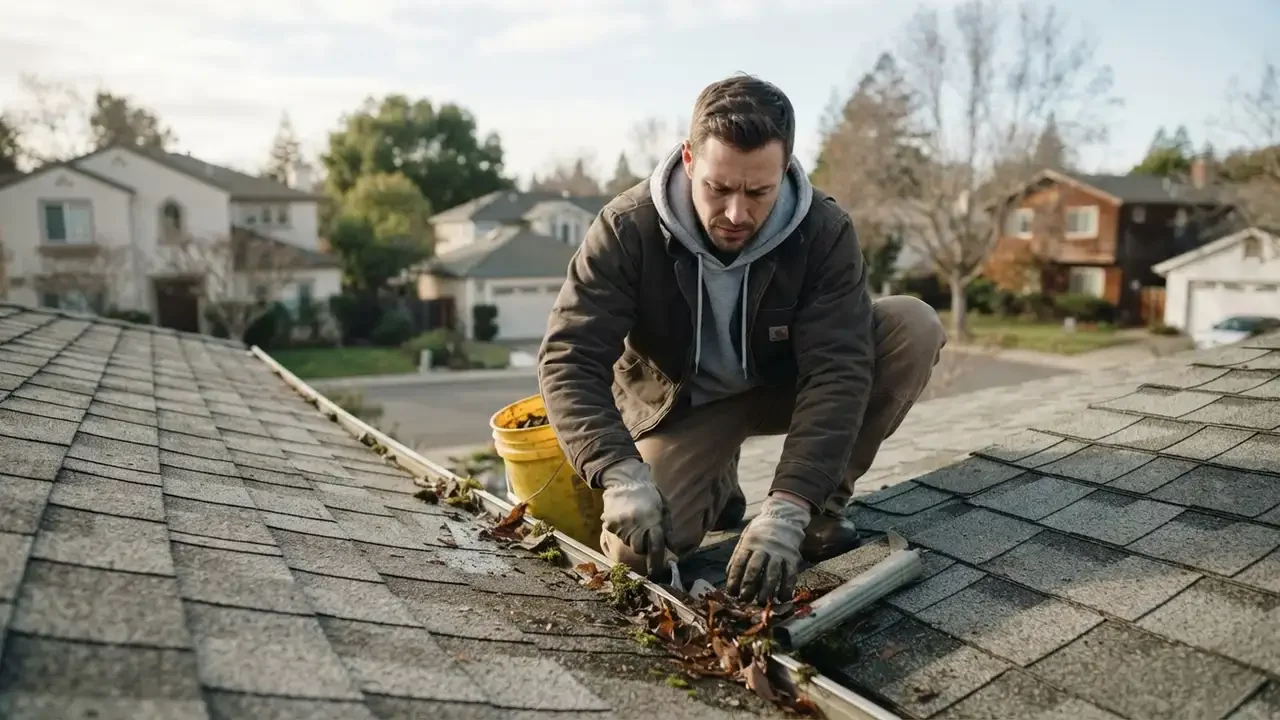
Repeated leaks across several roof sections can point to widespread wear rather than one failed detail. Roof Replacement gives Bay City property owners a full-system option when repairs no longer provide dependable coverage. We assess condition, explain the evidence, and help you compare repair and replacement.
View service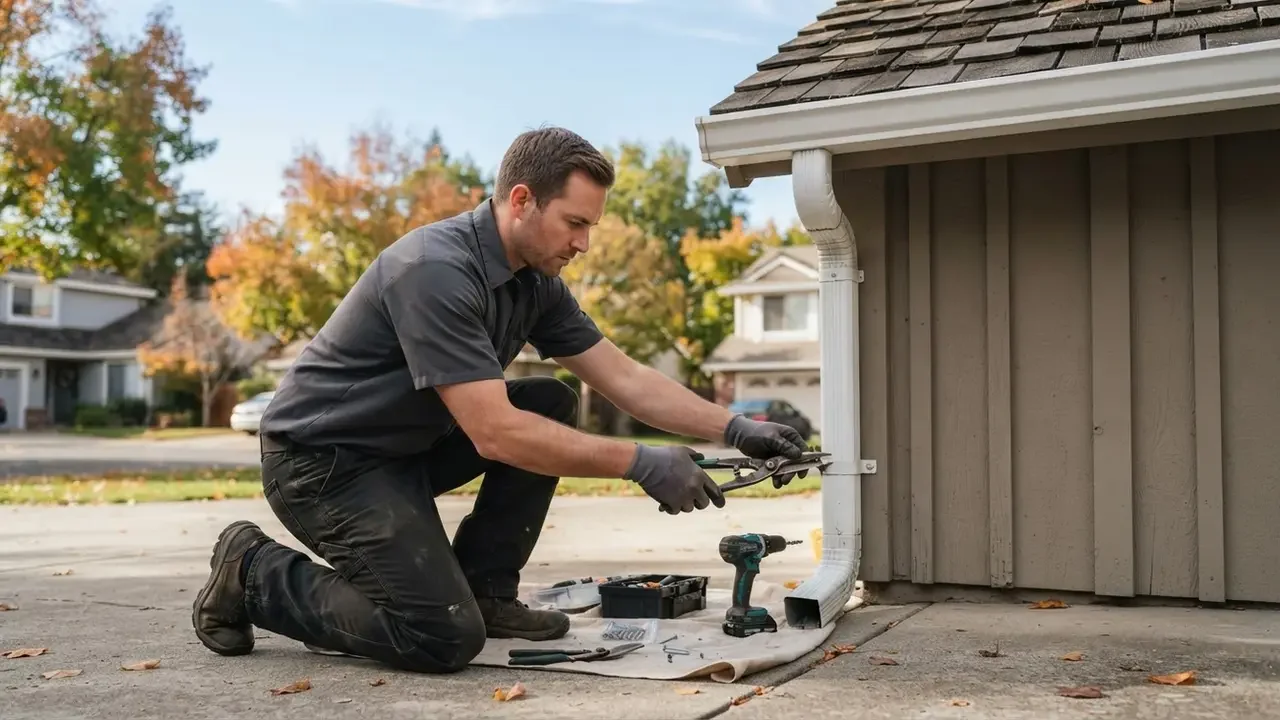
Active water entry after a storm needs immediate attention to protect rooms and belongings. Emergency Roof Repair focuses on safe temporary protection and stopping the immediate intrusion, followed by a permanent repair when roof conditions allow. Call and describe the leak and access situation.
View serviceA residential leak can affect insulation, ceilings, and household electrical fixtures. Residential Roofing includes repair work suited to your home's roof type, access, and ventilation details. We trace the source and explain any related work needed to return the roof to service.
View service
Call (877) 791-3217 to discuss a roof leak, storm damage, inspection, or replacement in Bay City. We connect you with independent roofing companies and help you get the conversation started. Calls are accepted around the clock for urgent roofing needs; tell us whether water is actively entering and where you see the damage.