Focused Arrival Windows
Useful updates and clear arrival timing.
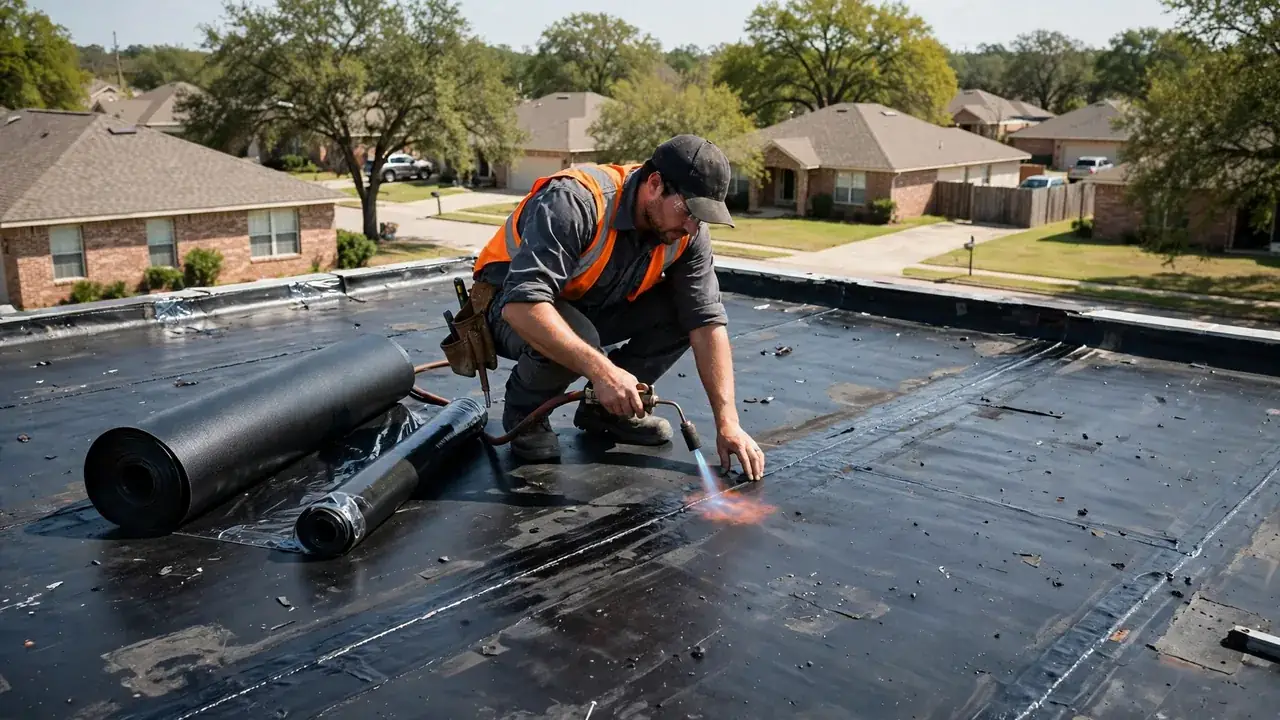
Flat roof repair in Bay City, Texas helps homeowners, property managers, and business owners stop leaks before water reaches ceilings, insulation, or equipment. We trace the entry point, check seams and drainage, then repair the roof system with compatible materials. If you have a ceiling stain, a loose membrane seam, or standing water after rain, our team will help you protect the building and plan the right fix.
Useful updates and clear arrival timing.
Review the approach and price before deciding.
Equipped vehicles and respectful cleanup.
Neighbors serving neighbors with follow-through.
Our repair service covers leak tracing, roof-surface and flashing checks, a compatible localized repair, and a final review of the completed area. We also identify drainage or substrate concerns that affect the repair. If inspection shows widespread membrane failure or extensive wet decking, we explain why broader work may be needed instead of presenting a patch as a permanent fix.
We check the roof above the interior symptom, following seams, penetrations, edges, and drainage details. A moisture meter can help locate damp materials around the visible area. You receive a clear explanation of the likely entry point before we begin the repair.
For a localized puncture or damaged section, we prepare the surface and install a compatible patch suited to the existing roof system. We pay close attention to patch edges and adhesion, since a repair that lifts at its perimeter can allow water back beneath the membrane.
We repair open seams and failed flashing around drains, vents, curbs, or roof edges. The specific method depends on the membrane and detail. Matching the repair to the existing assembly helps restore the water-shedding transition instead of relying on sealant alone.
We inspect drain openings and nearby low areas for debris, obstruction, and damage that contributes to standing water. If a drainage defect is part of the leak, we explain the needed correction. Keeping water moving off the roof supports the life of the repaired membrane.
After the repair, we check the repaired area and adjacent details, clear our work debris, and show you what was done. We also point out maintenance steps, such as checking the drain after heavy rain, so you know how to keep the roof's drainage path open.
Share what is happening and receive a clear next step from the local team.
Flat roof repair in Bay City, Texas is a roofing service that locates and corrects leaks, damaged seams, failed flashing, and drainage defects on low-pitch roofs. We inspect the membrane and roof edges, identify wet or weakened areas, and match the repair material to the existing system, such as TPO membrane, EPDM rubber membrane, or modified bitumen. A proper repair addresses the source of water entry rather than covering a stain with sealant. That distinction helps prevent recurring leaks and hidden deck damage.
Bay City roofs face heat, wind-driven rain, and sudden downpours that expose weak seams and blocked drains. We see leaks around rooftop equipment, penetrations, parapet edges, and skylights, as well as ponding water on flat roof repair in Bay City, Texas calls. For a flat roof leak repair in Downtown Bay City TX, we inspect the path water takes, including places well beyond the interior stain. Then we explain whether a localized patch, flashing correction, or broader membrane repair fits the roof.
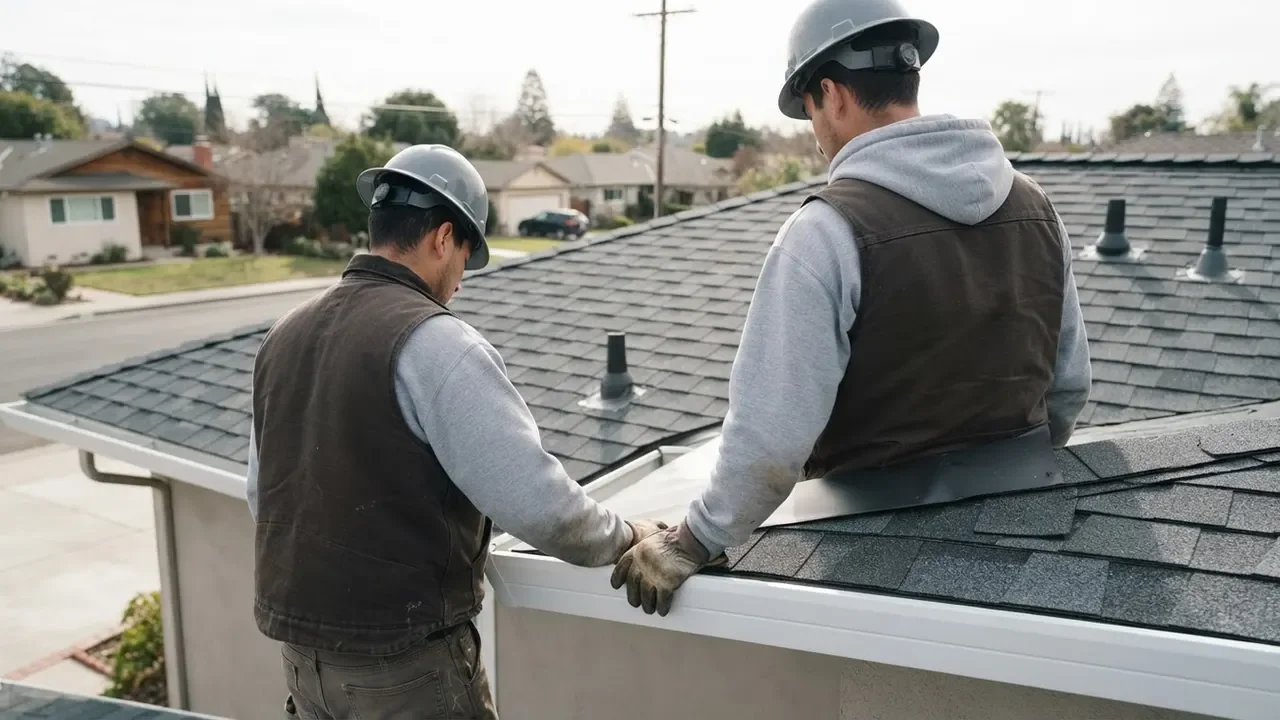
We ask where and when you noticed water, then inspect the roof area above and around the interior stain. A moisture meter helps distinguish damp materials from dry surfaces, while a visual check follows seams, penetrations, and edges. Most initial inspections take about 30 to 60 minutes, depending on roof access and size.
We examine membrane condition, flashing, drainage, and any rooftop equipment that could affect the leak path. If water is trapped, we check outlets and low spots rather than assuming the nearest seam is responsible. You see the concern firsthand, and we note whether the surrounding roof can support a localized repair.
We identify the repair method and material before starting, including whether the roof needs a patch, seam work, flashing correction, or a drainage adjustment. We also explain any damaged substrate that needs attention. You receive upfront pricing and a practical description of the work, without a sales pitch for replacement when repair is sound.
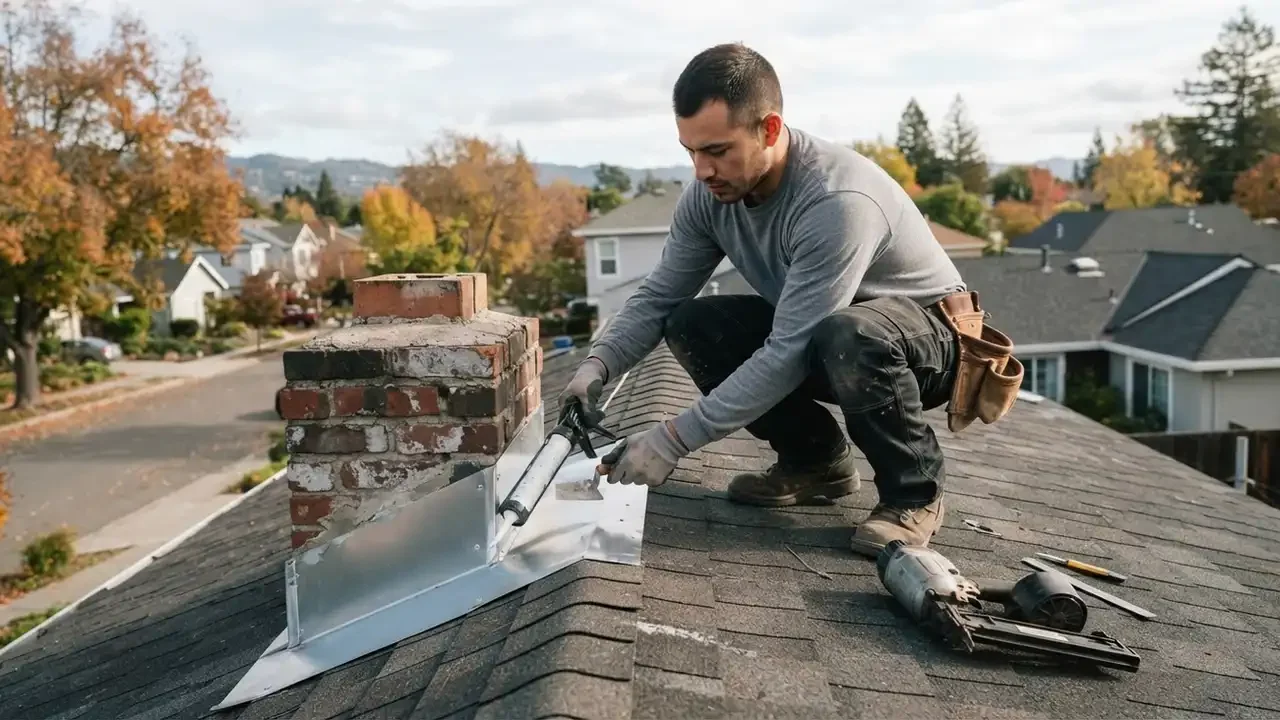
Our crew prepares the surface, removes loose or failed material, and installs a compatible patch or flashing detail. A caulking gun is used only where the roof system calls for sealant; it is not a substitute for correcting a failed membrane. A straightforward repair often takes two to four hours, while larger areas take longer.
We check the repaired edge and surrounding details for secure adhesion and open gaps, then remove job debris from the work area. We show you the completed repair and review any maintenance points, such as keeping the drain clear. If the roof needs further work, we explain the location and reason clearly.
We use a moisture meter to check suspect roof or interior materials for dampness around a leak. Readings help us decide whether a repair can stay localized or whether wet insulation needs closer attention.
An infrared thermal camera can help identify temperature patterns associated with retained moisture across a roof area. We use its findings as an inspection aid and confirm concerns through direct checks before recommending repair work.
A caulking gun applies roof sealant precisely at compatible flashing or detail repairs. We use sealant only where the roof system calls for it, not as a substitute for patching a damaged membrane or correcting a failed seam.
We use an extension ladder for controlled roof access and a safety harness where fall protection is required. Safe access lets our crew inspect and repair edges without placing people or property at unnecessary risk.
A leaf blower helps clear loose debris from a repair area and drainage path when conditions allow. Preparing a clean surface supports inspection and repair, while clearing drains helps water move off the roof.
We identify whether the roof is TPO, EPDM, or modified bitumen before choosing the repair material. The surface is cleaned and prepared, damaged material is removed where needed, and the patch or seam repair is installed to suit that system. We then check the repair perimeter for gaps or lifting.
We use the interior stain as a starting point, not an assumed location of failure. Our inspection follows seams, roof edges, penetrations, and drainage features where water can travel beneath the surface. That method helps us repair the actual entry point and avoid unnecessary work on sound material.
We inspect the drain, scupper, and surrounding roof plane for obstruction, damage, or a low area that holds water. We distinguish debris-related ponding from a slope or structural concern, then explain the practical correction. The goal is to reduce prolonged standing water without covering the underlying issue.
We remove loose or failed flashing material and rebuild the transition where the membrane meets a curb, wall, or penetration. The repair is integrated with the roof surface so water sheds over the detail rather than entering behind it. We check the finished edges before closing the job.
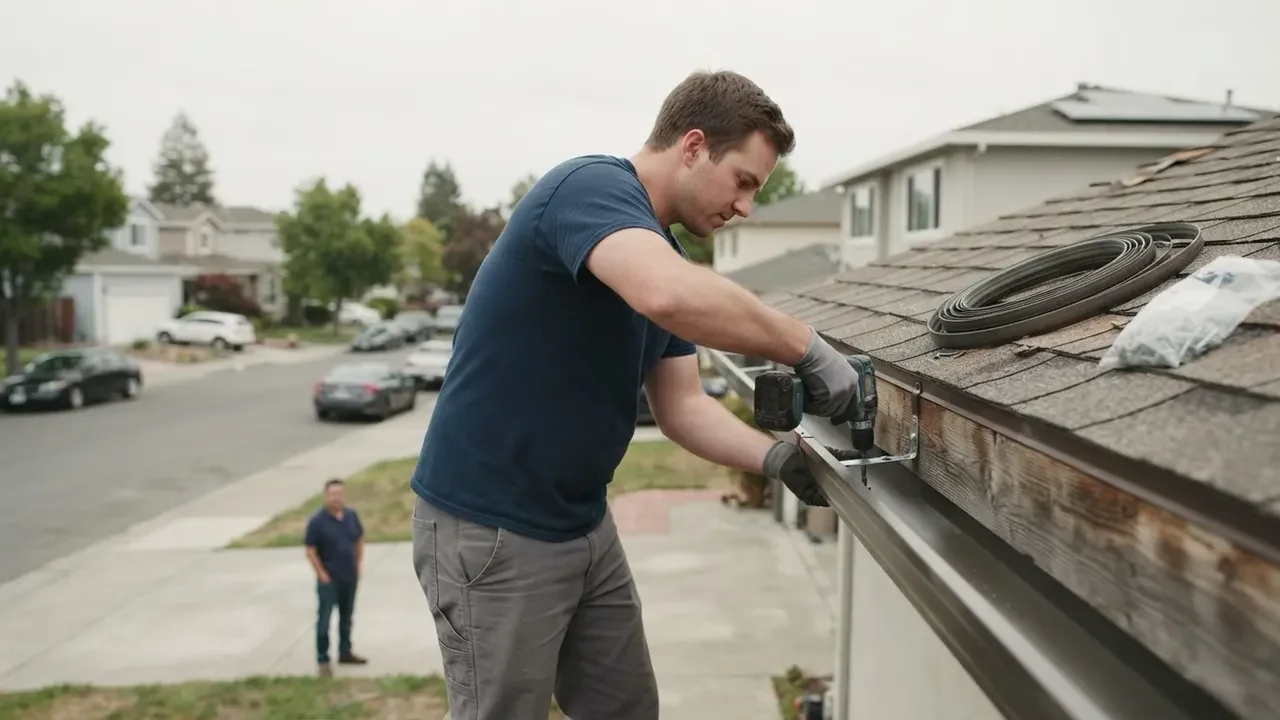
We inspect the roof above the stain and nearby seams, vents, and edges to find where water entered. Our crew repairs the failed detail and checks for damp insulation around the affected area. If the leak is active, we prioritize stopping water entry before completing the permanent repair. You get a clear source, a targeted repair, and less risk of the stain spreading through the ceiling or wall.
We assess the drain opening, roof slope, and membrane around the pooled area. Our team clears an obstruction or repairs damaged drain details, then checks nearby seams for water exposure. If a low section is contributing, we explain the additional correction required to improve drainage. The roof has a checked drainage path, and you know whether the low area needs further work.
We inspect the equipment curb, flashing, and membrane edge as one assembly. We remove failed material where needed and rebuild the transition using a method suited to the roof system. The crew also looks for moisture around the curb so hidden damage is not left behind. The leak path is addressed at the equipment detail, helping protect the building and its interior operations.
We examine the roof edge, flashing, and adjoining membrane for lifted or separated material. Our team secures or replaces the failed detail and checks the nearby surface for additional openings. We explain what to monitor during the next rainfall and whether a broader roof inspection is useful. You have a repaired edge detail and a practical next step for watching the roof after weather changes.
Bay City's warm, humid conditions and bursts of heavy rain put practical demands on low-slope roofs. Heat can stress exposed seams and sealants, while wind-driven rain can test roof edges, equipment curbs, and skylight details. We inspect those points alongside the drain path because water may travel beneath a membrane before appearing inside. For commercial flat roof repair Bay City, Texas properties need, we also consider access around rooftop equipment and how to keep the affected work zone clear. Our team checks the existing system, explains the repair, and uses compatible materials rather than assuming every flat roof has the same assembly. If you are looking for flat roof leak repair near me Bay City, tell us when the water appears and where you see it; those details help focus the inspection. We follow applicable manufacturer instructions and local requirements for the work, and we use fall protection on roof access. Downtown Bay City, the Waterfront District, and Harbor District buildings each have different roof layouts, so we plan around the actual structure rather than a one-size-fits-all repair.
Older commercial buildings can have several roof penetrations and patched membrane sections. We inspect the full leak area and nearby transitions before deciding whether one repair will stop the water.
Wind-driven rain can expose loose edges and weak flashing. We pay close attention to roof perimeters and equipment curbs where water may enter during storms.
Shops and other commercial properties often need clear access around rooftop equipment. We plan the inspection and repair around those obstructions while keeping drainage details in view.
Older additions may connect different roof materials at a narrow transition. We check the joint and flashing closely because leaks can begin where the assemblies meet.
Blocked outlets and shallow low spots can leave water around seams after a storm. We inspect both the drain and adjacent membrane to separate a drainage issue from a leak defect.
Repeated warming can stress older materials and weak patch edges. We check adhesion and membrane condition before adding a repair, so new material is not bonded over a failing surface.
Rain can enter at lifted flashing or an open curb detail, then travel beneath the roof surface. Our inspection follows those transitions even when the indoor stain appears elsewhere.
A homeowner in Downtown Bay City saw a ceiling stain grow after each heavy rain. The membrane seam above the room had begun to separate, and moisture had reached the insulation. The interior mark was several feet from the roof opening, making a quick surface dab in the wrong place likely to fail.
We removed loose material, prepared the seam, and installed a compatible repair across the affected section. The work took about three hours, including inspection of nearby membrane edges. The homeowner saw the repaired seam before we left, and the next rainfall produced no new interior drip.
Maintenance: Check the ceiling for new discoloration after heavy rain and keep nearby roof drains clear. If the stain returns, call promptly so we can compare the new leak path with the repaired area.
A small Bay City commercial roof held several inches of water near a drain after rain. Debris had restricted the outlet, and a nearby seam showed early signs of stress. The standing water remained for more than two days, raising concern about leakage into a storage area below.
We cleared the drain opening, repaired the affected seam, and checked the low area for additional damage. The drainage path was open before the crew finished, and a follow-up rain moved off the roof without leaving the same pool. The customer received a clear explanation of the roof area to monitor.
Maintenance: Check the drain after major rain and remove loose debris before it collects around the outlet. A seasonal roof review can catch renewed blockage or seam stress before water reaches the interior.
A Bay City Center shop noticed a drip near the stockroom ceiling during wind-driven rain. The leak traced to a gap where the membrane met a rooftop equipment curb. Water had traveled along the roof surface, so the stain did not line up with the flashing defect.
We removed the failed flashing material and rebuilt the curb transition to suit the existing membrane. The repair and surrounding inspection took most of a workday because access around the unit was tight. The edge was checked for open gaps, and the shop could use the stockroom without a continuing drip.
Maintenance: Keep the area around rooftop equipment accessible and report new water marks quickly. During roof maintenance, have the curb and adjacent seams checked for movement or lifting.
A roof leak can travel beneath the membrane before it reaches a ceiling, so visible water is only one clue. We inspect the system around the symptom and connect the repair to its cause. For flat roof ponding water repair in Bay City, Texas, that means checking both the standing water and the drainage details responsible for it.
Repeated moisture can damage ceiling finishes and insulation, while water traveling under the membrane makes the visible stain an unreliable guide to the entry point. We inspect the seam and nearby penetrations, then trace the water path rather than patching directly above the stain. After identifying the failed section, we prepare it and install a compatible repair. We also check adjacent material for looseness so the repair is not attached to a weak surface.
Water that lingers can stress seams, expose weak patches, and hide deterioration beneath debris. The repeated load also makes a small drainage issue harder to ignore. We check the drain opening, scupper, and surrounding roof plane for blockage or damage. Once we identify the cause, we clear or repair the affected detail and address any nearby membrane failure. We explain whether the roof's low area needs additional work to improve water movement.
A failed curb or vent detail lets water reach the roof assembly, where it can spread and damage insulation before appearing indoors. We examine the flashing connection and membrane around the penetration, remove failed material, and rebuild the water-shedding detail with compatible products. We check the surrounding surface for separations and show you the completed repair, so you know the leak source was addressed.
Wet insulation and weakened decking can reduce support beneath the membrane and allow a localized leak to develop into a larger repair. We inspect the soft area and nearby roof layers before closing anything in. If the substrate is damaged, we explain the repair needed to restore a sound base, then reconnect the membrane detail. This avoids sealing over material that cannot properly support the finished repair.
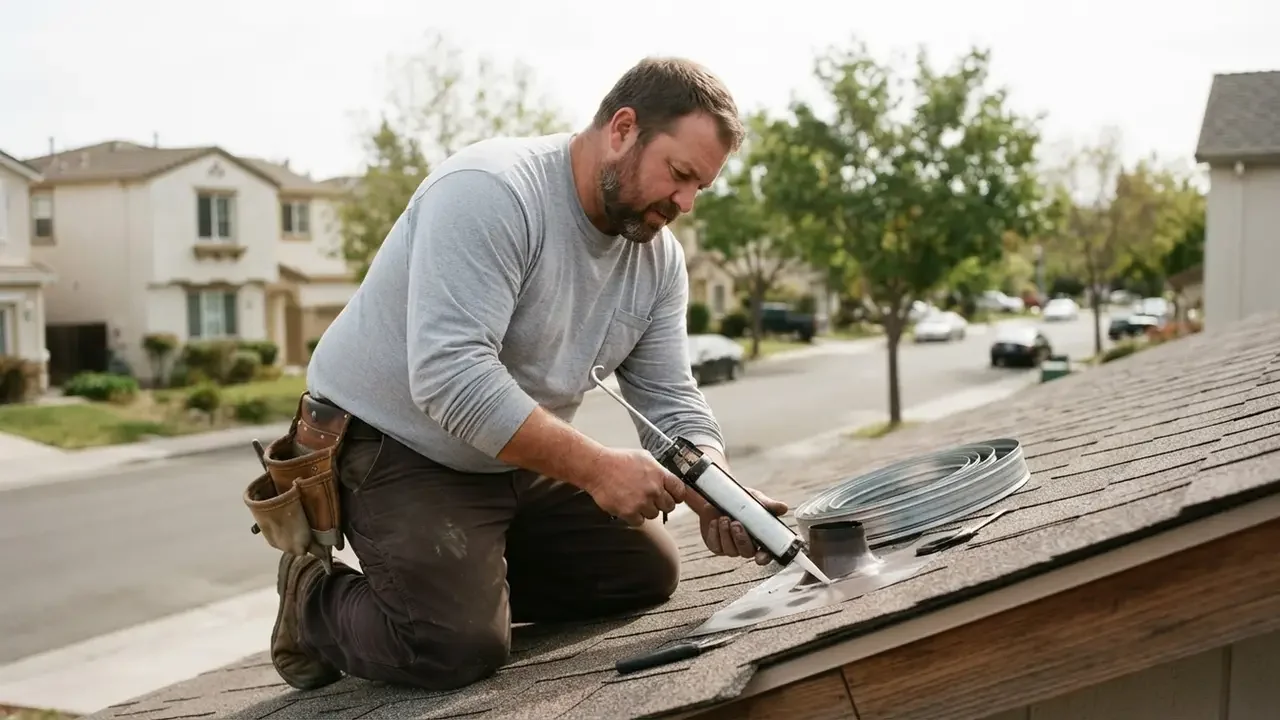
Our team works across residential and commercial roof systems, matching repair methods to the membrane already installed rather than forcing one material onto every roof. We assess seams, penetrations, drains, flashing, and roof deck condition as connected parts of a water-control system. For Bay City customers, that means repairs planned around heat, wind-driven rain, and sudden rainfall. We use manufacturer-compatible materials and established roofing practices, and we explain what we find before repairing your roof. Our local experience helps us recognize recurring drainage and edge details in the area.
Water showed up in our back room after a hard rain, but the stain was nowhere near the roof edge. The crew checked the seams and found a small opening beside a vent. They repaired it and showed us the finished area before leaving. We have had no new drip during the storms since.
Our flat roof had water sitting near a drain, and a tenant reported a ceiling mark. The team checked the drain and membrane instead of just coating over the wet area. They cleared the issue and repaired the seam nearby. I appreciated getting a straightforward explanation of what needed attention.
A leak over our storage area was putting boxes at risk. Bay City Roofing traced it to flashing around a rooftop penetration and completed the repair in a few hours. They kept the work area tidy and pointed out what to watch after the next rain. The roof has stayed dry since the repair.
Localized flat roof repairs in Bay City commonly range from $250 to $1,500, while extensive membrane or deck work can exceed $3,000. Typical 2026 pricing depends on roof access, material, damaged area, and whether wet insulation or decking needs replacement. We inspect the source, explain the work, and provide upfront pricing. A small seam repair costs less than rebuilding a drain detail or replacing saturated roof sections.
Correct ponding by clearing blocked drains and correcting the low area or drainage defect; a surface patch alone will not redirect water. Water that remains more than 48 hours after rainfall deserves inspection because it can stress seams and expose weak spots. We check the outlet, roof slope, and membrane around the pond. Then we recommend the repair that improves drainage without trapping moisture.
Yes, a flat roof can be repaired when the membrane and roof deck remain broadly sound and damage is localized. A puncture, open seam, or failed flashing detail is often repairable; widespread brittleness, saturated insulation, or recurring failures across many areas can point toward replacement. We inspect the roof and explain which condition applies, so you can compare a targeted repair with the cost and disruption of a new system.
Common causes include open membrane seams, punctures, failed flashing, clogged drains, and water that remains on the roof after rain. Wind-driven rain can push water into weak edges or rooftop penetrations, while repeated heat exposure stresses aging materials. We trace the leak from the interior stain to the roof defect; the entry point can be several feet away from where water appears indoors.
Not seeing your question? Our local team can help you understand urgency, scheduling and what to expect.
Ask the local team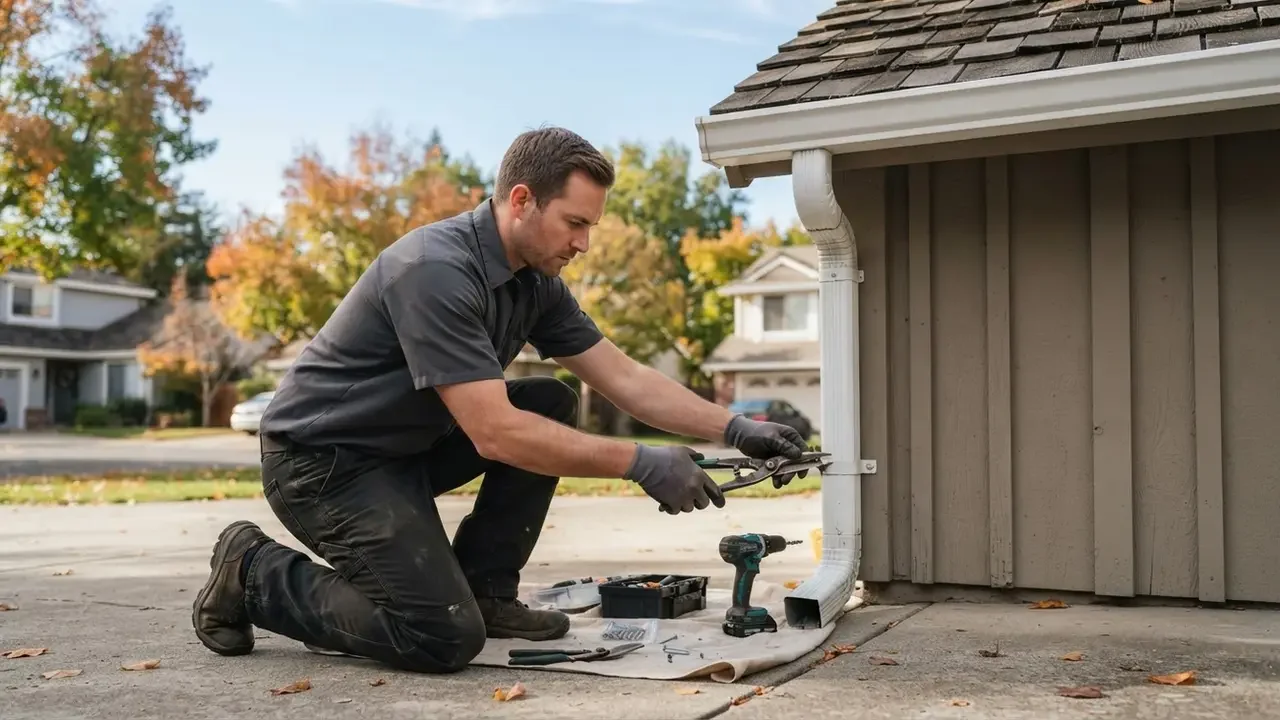
Roof Repair covers localized damage across different roof types, including leaks, loose materials, and failed details. If your Bay City flat roof issue extends to adjoining sections or another roof surface, we inspect the full affected area and coordinate the repairs so water cannot bypass a single patch.
View service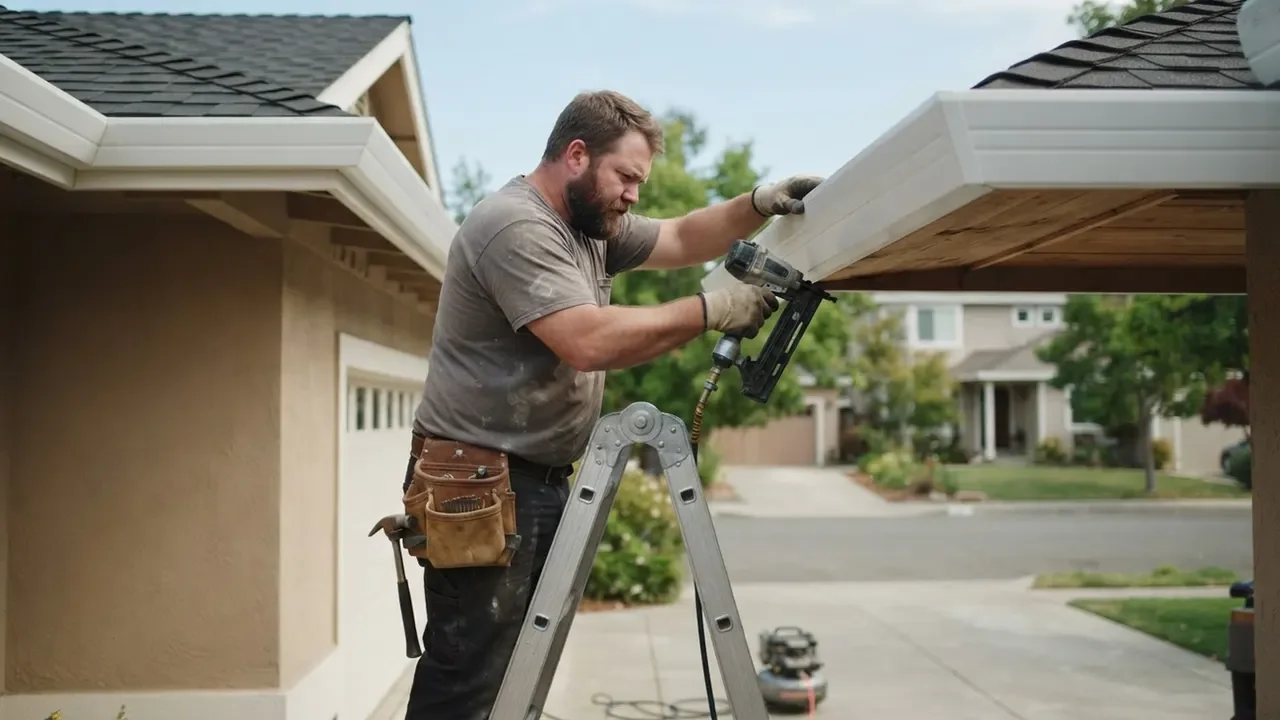
Roof Replacement is appropriate when damage is widespread or the roof system has reached the point where repeated repairs no longer make sense. We compare the condition of the membrane and deck with the cost of continued patching, then explain replacement options for your Bay City property.
View service
Roof Leak Repair focuses on finding the entry point and stopping water before it damages ceilings, insulation, or equipment. We investigate stains, drips, and wet roof areas, then repair the responsible seam, flashing, or penetration. It pairs naturally with flat roof service when the source is not obvious.
View service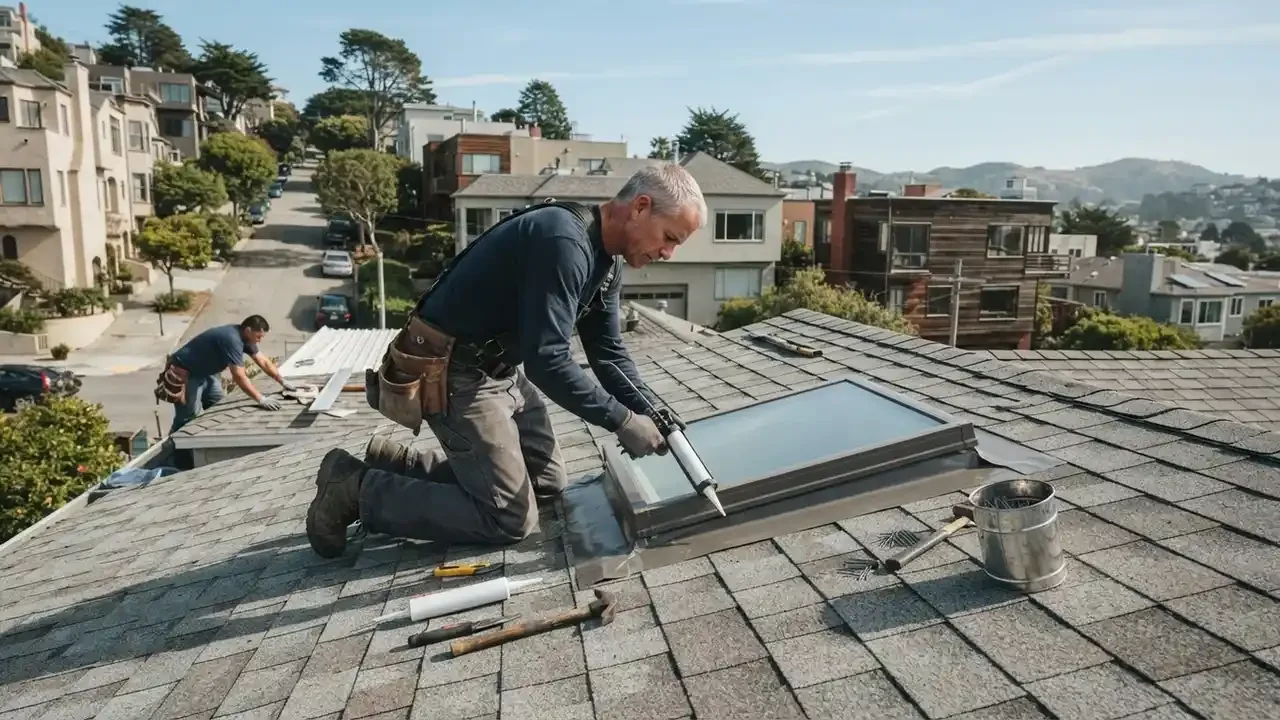
Emergency Roof Repair addresses active leaks and storm damage that cannot wait for routine scheduling. We work to limit water entry, protect exposed areas, and identify the permanent repair needed. If a Bay City business has water over equipment or a home ceiling is dripping, call (877) 791-3217.
View serviceCall (877) 791-3217 to discuss a roof leak, storm damage, inspection, or replacement in Bay City. We connect you with independent roofing companies and help you get the conversation started. Calls are accepted around the clock for urgent roofing needs; tell us whether water is actively entering and where you see the damage.