Focused Arrival Windows
Useful updates and clear arrival timing.
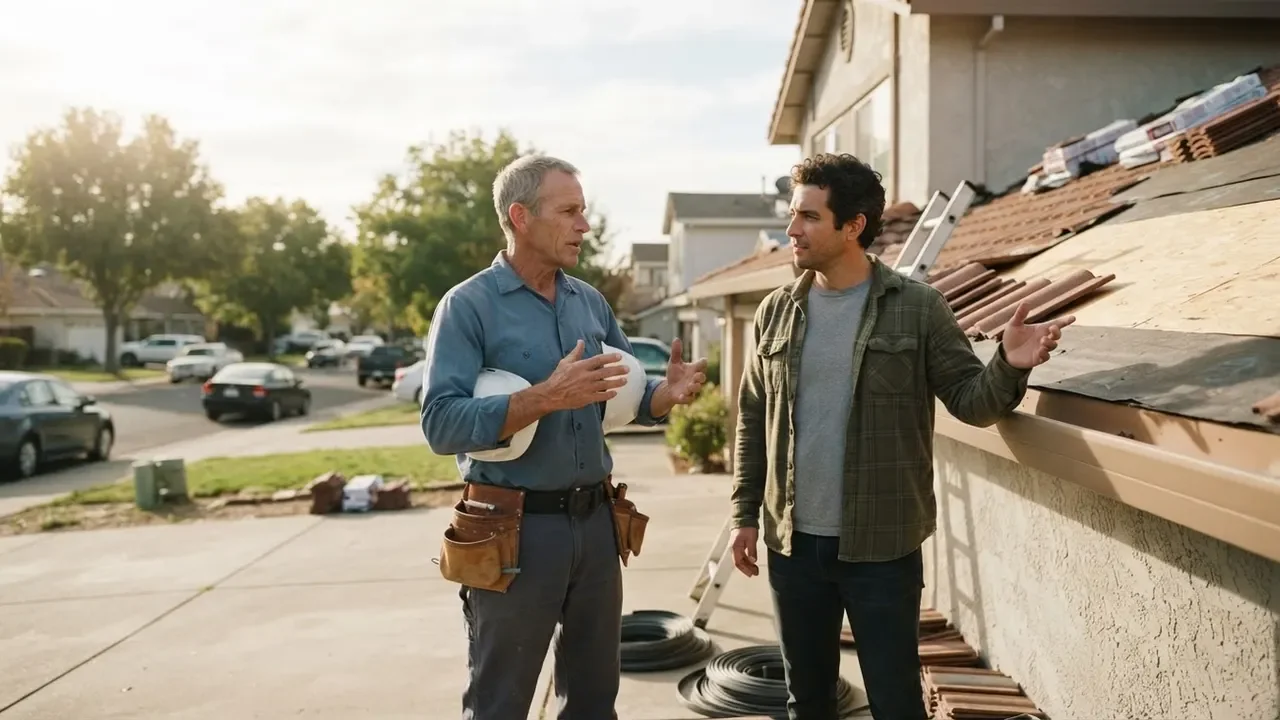
Roof maintenance in Bay City, Texas helps homeowners and building managers spot wear before it turns into an active leak. We check shingles or roof membranes, flashing, penetrations, and drainage, then handle appropriate minor upkeep. A roof tune up Bay City TX visit is useful before winter rain, after strong wind, or whenever you notice a stain, loose edge, or backed-up gutter.
Useful updates and clear arrival timing.
Review the approach and price before deciding.
Equipped vehicles and respectful cleanup.
Neighbors serving neighbors with follow-through.
A standard maintenance visit covers a visual review of accessible roof surfaces, transitions, penetrations, and drainage, plus a clear summary of visible concerns. Suitable minor upkeep is completed as agreed. Extensive leak tracing, replacement of broad roof sections, concealed decking repairs, and major gutter work require separate repair work; if we find those conditions, we explain the specific issue and recommended next step.
We check visible shingles, metal panels, or membrane surfaces for displacement, open seams, cracking, granule loss, and other signs of wear. The inspection follows the roof's material and layout, with attention to slopes and edges where wind and rain can expose weak points.
We examine accessible flashing around chimneys, vents, skylights, and wall transitions for loose edges, gaps, and deteriorated sealant. These details interrupt the roof covering and need a clear water-shedding path. We identify defects by location so you understand what needs correction.
We look for leaves and obstructions that interfere with water moving from roof valleys into gutters and downspouts. Where routine clearing is included and safe, we remove accessible debris. We also point out standing water or overflow that suggests a drainage repair is needed.
We handle suitable small maintenance tasks, such as securing a loose component or renewing compatible sealant at an appropriate detail. The repair method depends on material and condition. We do not cover up a larger failure with a surface patch; significant defects are explained for corrective service.
We review what we observed, work completed, and any items that need repair or monitoring. You can use the findings to plan a follow-up after a storm or schedule the next annual check. Active leaks and structural concerns are called out separately from ordinary wear.
Share what is happening and receive a clear next step from the local team.
Roof maintenance in Bay City, Texas is preventive roof care that checks exposed roofing, drainage, and vulnerable details so developing defects can be corrected before they cause interior water damage. We look for missing or curling shingles, granule loss, lifted edges, open seams, loose roof flashing, sealant breakdown, and debris that holds moisture. On suitable roofs, we clear accessible debris, document conditions, and complete small maintenance repairs. If we find a larger defect, we explain the repair needed rather than disguising it with a bead of sealant.
Bay City roofs face wind-driven rain, humid conditions, intense sun, and seasonal debris that can stress roof edges and drainage. A roof maintenance plan in Bay City, Texas gives you a practical schedule for checking those details, particularly after a storm or before the wetter winter period. We adapt the inspection to your roof type, age, slope, and access, whether you own a shingle home in Old Town Bay City or manage a low-slope commercial building.
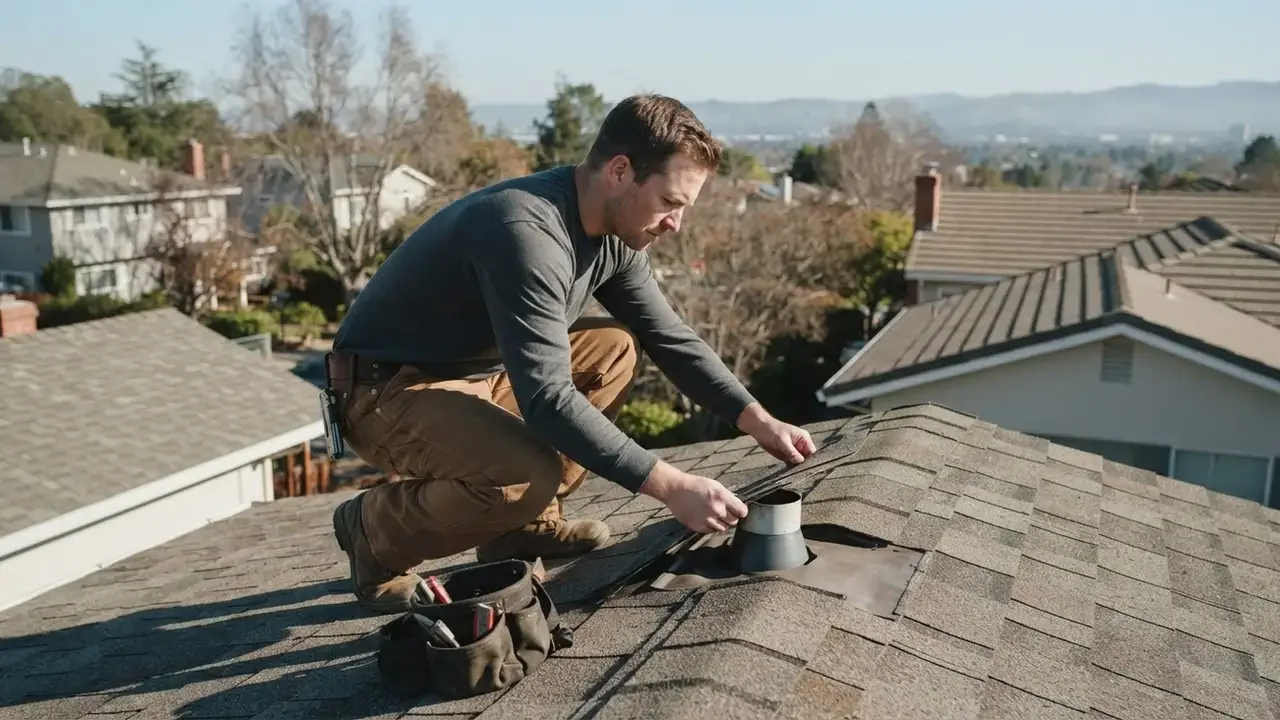
We ask when the roof was installed, where you have seen stains, and whether wind or rain recently exposed a problem. You can point out a drip, attic odor, or gutter overflow before we climb. This conversation helps us focus the inspection and note areas that need closer attention.
Our crew checks ground conditions, ladder placement, roof pitch, and weather before accessing the roof. We use an extension ladder and safety harness where the roof and work conditions require them. If a surface is wet or wind makes access unsafe, we do not rush onto it; we arrange the inspection for safe conditions.
We examine the covering, ridges, valleys, flashing, visible fasteners, and drainage. On a shingle roof, we look for granule loss, curling, and missing pieces; on a low-slope roof, we check seams and areas that hold water. A moisture meter can help investigate suspicious interior or attic areas.
When conditions and the agreed work allow, we remove loose debris, reset or replace suitable small components, and renew compatible sealant at limited details. We do not use sealant to conceal a failed assembly. If we find a larger leak or structural concern, we show you the location and explain the next repair.
Before we finish, we summarize completed work, remaining defects, and recommended timing. You can ask questions while we review the roof areas and available photos. We identify urgent water-entry concerns separately from routine aging, so you know what to address now and what to monitor at the next visit.

We use a moisture meter to check suspicious interior or attic materials when visible staining suggests water intrusion. Readings help us compare affected and nearby areas; they do not replace tracing the roof entry point.
An infrared thermal camera can help locate temperature patterns associated with retained moisture under suitable conditions. We use it as an investigative aid alongside visual inspection, not as a stand-alone diagnosis.
We use an extension ladder for controlled access and a safety harness when the roof and work conditions call for fall protection. Proper setup matters before any inspection or upkeep begins.
A leaf blower helps remove loose, dry debris from appropriate roof areas and valleys when conditions allow. We avoid blowing material into openings or using the tool where it could damage roofing or create an access hazard.
A roofing hammer and pry bar support limited inspection and adjustment work on compatible roofing details. We use them carefully to avoid damaging surrounding shingles or exposing the roof to unnecessary disturbance.
We inspect in a consistent route from roof edges and drainage toward ridges, penetrations, and transitions. The method changes with shingle, metal, or membrane construction. We record visible defects by location and distinguish active water-entry concerns from ordinary material aging.
When you report a stain or drip, we consider roof slope, nearby penetrations, valleys, and interior evidence to trace where water could enter. Water can travel before it becomes visible indoors, so we inspect the likely route rather than relying only on the stain's position.
We match maintenance materials and repair methods to the roof assembly and its condition. A sealant or fastener choice that suits one surface may not work on another. If the defect requires a broader system repair, we stop short of applying an unsuitable patch and explain the needed work.
We compare current visible conditions with your reported roof history and note areas to revisit after storms or at the next annual service. Tracking recurring debris, drainage issues, and wear helps you spot changes instead of treating each visit as an isolated event.
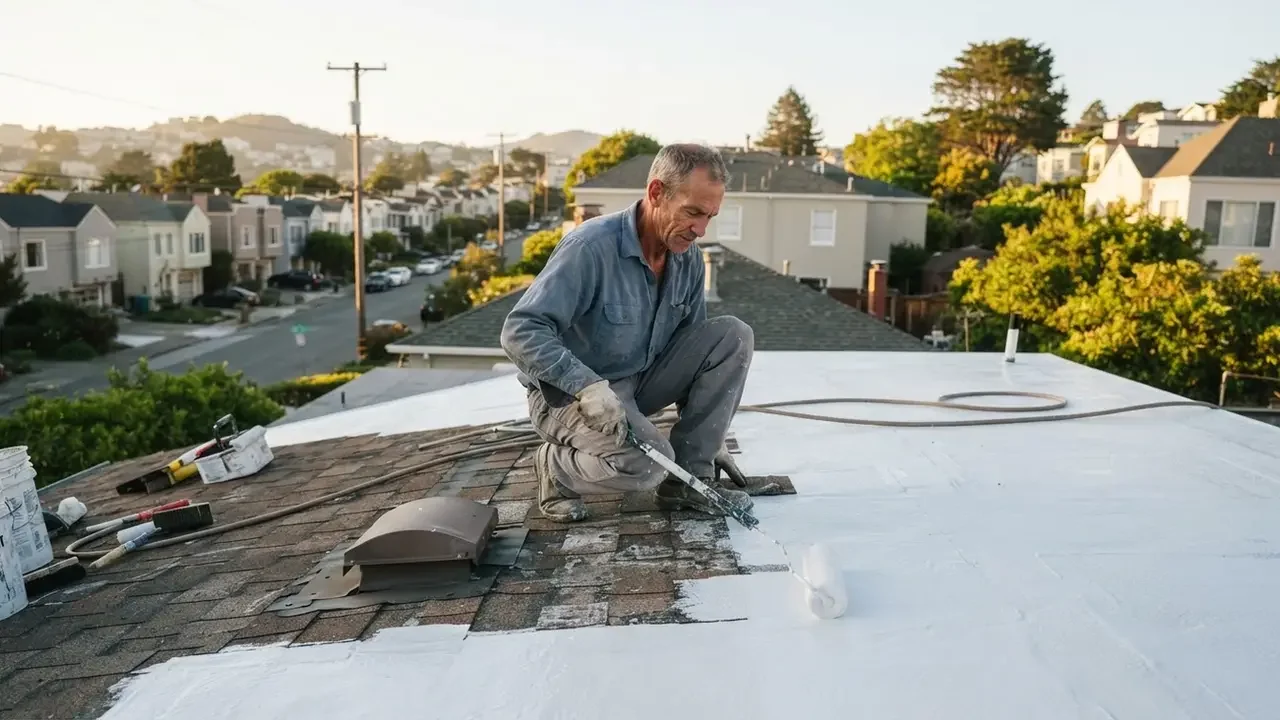
We inspect the roof edges, valleys, visible shingle courses, and accessible gutter outlets for displacement or blockage. We clear suitable debris and identify any flashing or drainage defects that need repair. The visit focuses on how water travels off your particular roof. You know whether the overflow came from debris, damaged drainage, or a roof defect, and what action will help keep runoff moving.
We use the stain location as a clue, then check nearby roof penetrations, flashing, and the exterior slope above it. If needed, we inspect accessible attic surfaces for moisture evidence. We explain whether the cause fits routine upkeep or needs targeted leak repair. You get a clearer path to the source instead of repeatedly repainting the stain or guessing which roof area is responsible.
We inspect accessible membrane areas, seams, drains, and equipment penetrations, while checking for visible ponding or storm-related damage. We remove routine debris where appropriate and document defects that need dedicated work. Safe access and roof conditions determine how the inspection proceeds. Your maintenance record identifies drainage concerns and repair priorities, helping you plan work before the next period of heavy rain.
We review the covering, flashing, roof valleys, and drainage before the wetter months, noting aging sealant and loose components. If you are considering a roof tune up Bay City TX, we can discuss the roof's age and your specific concerns before selecting suitable upkeep. You enter the winter season with visible defects identified and a practical list of actions, rather than discovering a preventable issue after water reaches the interior.
Roof maintenance in Bay City accounts for humid weather, strong sun, wind-driven rain, and debris that can collect at roof edges and drains. These conditions test sealants, exposed fasteners, shingles, and low-slope seams in different ways. We inspect the roof type and building layout first, then focus on transitions, valleys, penetrations, and drainage that match your property. Coastal exposure can also make corrosion checks relevant on metal components, so we look closely at visible fasteners and flashing condition. For a home in Old Town Bay City or a business near the Waterfront District, access and roof pitch shape the safest inspection route. If you are planning preventive roof maintenance Bay City, Texas before winter rain, we can check the areas most likely to let water in and document defects that need repair. We do not claim that a visual maintenance visit replaces a structural assessment or a code review. When a repair involves permits or building requirements, we discuss the applicable local process before that work proceeds. Call with your neighborhood, roof material, and any leak symptoms so we can prepare for the right inspection.
Older and mixed-use buildings can have several roof transitions, parapet details, or rooftop penetrations. We pay attention to drainage paths and flashing where different roof sections meet.
Wind exposure and humid air make it useful to check metal details, sealant condition, and roof edges. We inspect visible components for movement or corrosion-related deterioration.
Homes with varied roof shapes often have valleys, dormers, or chimney transitions that concentrate runoff. We check those junctions alongside the surrounding shingles and gutters.
Commercial properties may have low-slope roof areas and rooftop equipment. We focus on membrane seams, penetrations, and drainage points where water can collect.
Rain pushed sideways can reach gaps that ordinary rainfall may miss. We inspect exposed edges, wall transitions, and penetrations for loose components or open joints that could direct water beneath the roof covering.
Repeated heat and moisture exposure can age sealants and leave roofing details vulnerable. We look for visible cracking, separation, and surface changes, then distinguish routine aging from a defect that needs repair.
Debris slows water movement and may cause overflow or ponding, especially around low-slope areas. We check accessible drainage and identify whether clearing is enough or a damaged outlet requires a separate correction.
A low-slope section above a Bay City business had leaves gathered around the drain after repeated windy days. Water remained visible after rain, and the manager was concerned about a seam nearby. The source had not been checked, so the roof could not be confidently cleared for ordinary maintenance.
We removed accessible debris and inspected the drain, nearby membrane, and visible seam. Water could move toward the outlet again, and the manager had a documented note about the seam's condition. The visit took about two hours, including safe access and the condition review.
Maintenance: Check the drain area after heavy wind and schedule a professional roof review annually. Report water that remains after drainage should have cleared; persistent ponding needs assessment rather than repeated surface cleaning.
A homeowner in Bayview noticed a shingle edge lifted near the roof ridge after a windy spell. No indoor leak was visible, but the exposed edge could catch more wind and let rain reach the roof layers. The surrounding course had not been inspected.
We checked the ridge and adjacent courses, found a limited area of loose shingles, and completed suitable corrective work. The inspection also confirmed the visible surrounding area had no additional displacement. The homeowner received a clear explanation of the repair and what to watch after the next storm.
Maintenance: Look for changes from the ground after strong wind, but do not climb onto a steep or wet roof. Arrange a check when shingles appear lifted, missing, or newly uneven.
A faint stain appeared below a roof penetration in a Downtown Bay City home after wind-driven rain. The visible ceiling mark did not identify the entry point, and the homeowner wanted to avoid a repeat leak during the next storm.
We inspected the nearby roof transition and found deteriorated sealant at a limited flashing detail. After suitable maintenance, we checked adjacent visible materials and explained the result. The inspection and minor work took about three hours, including the interior moisture check and review.
Maintenance: Watch for fresh staining, damp attic materials, or a recurring drip after rain. Report changes promptly so the entry route can be checked before moisture affects a larger area.
A roof leak often starts at a small weakness: a lifted shingle, failed flashing joint, blocked valley, or seam that no longer sheds water. We inspect those trouble spots and correct suitable defects before moisture spreads. If you have an active leak, tell us where it appears and how weather affects it.
Water and gusts can reach the underlayment, loosen neighboring shingles, and turn a small exposed patch into a larger repair after another storm. We inspect the affected course and surrounding roof for missing or displaced shingles, exposed fasteners, and damage to the underlying area. When the condition is suitable for maintenance, we secure or replace the affected pieces with compatible materials. If wind damage extends beyond a small area, we explain the broader repair needed.
Restricted drainage can force water over the roof edge or hold it against vulnerable details, contributing to leaks and damage at fascia or soffit. We check the runoff path from the roof valley through the gutter and downspout, then clear accessible debris where included. If water still backs up, we identify a damaged outlet, poor flow, or other obstruction that needs additional work. You get a clear description of where the drainage is failing.
Rain can enter the gap and travel along roof layers, so the indoor stain may appear several feet away from the actual entry point. We inspect the flashing transition and nearby roofing, then look for loose metal, failed sealant, and moisture clues. We repair an appropriate small defect or recommend dedicated flashing work when the assembly has failed. This helps target the source rather than masking the stain inside.
Persistent ponding places prolonged stress on seams and penetrations, increasing the chance of water entry if the membrane or drainage detail is compromised. We inspect the membrane surface, seams, drains, and visible transitions, noting where water remains and whether debris is restricting flow. Routine clearing may help when debris is the cause. If the roof has a drainage or membrane defect, we explain the appropriate repair instead of treating ponding as a cosmetic issue.
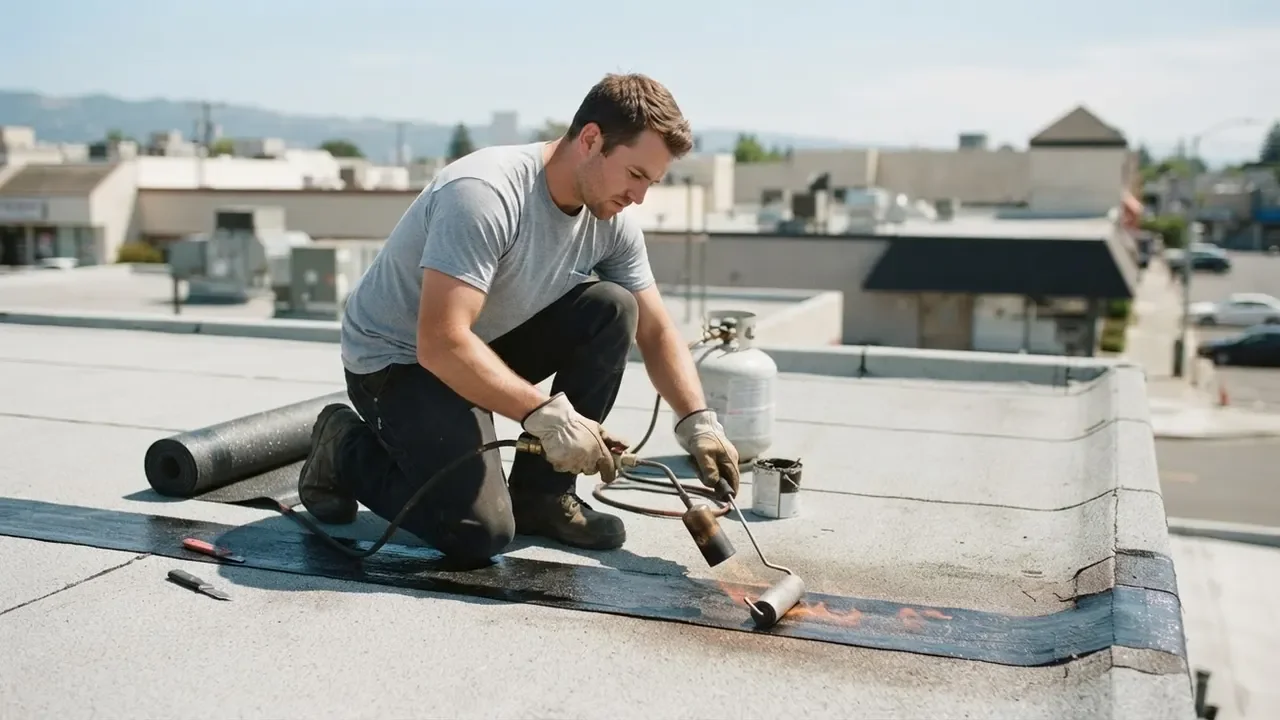
We work across the roof details that commonly fail first: edges, penetrations, valleys, seams, and drainage transitions. Our team tailors the visit to asphalt shingles, metal panels, and low-slope systems rather than applying one checklist to every building. We use established manufacturer guidance where it applies and select compatible materials for the roof already in place. If your roof needs more than routine upkeep, we explain whether repair, a specialist inspection, or replacement is the sensible next step.
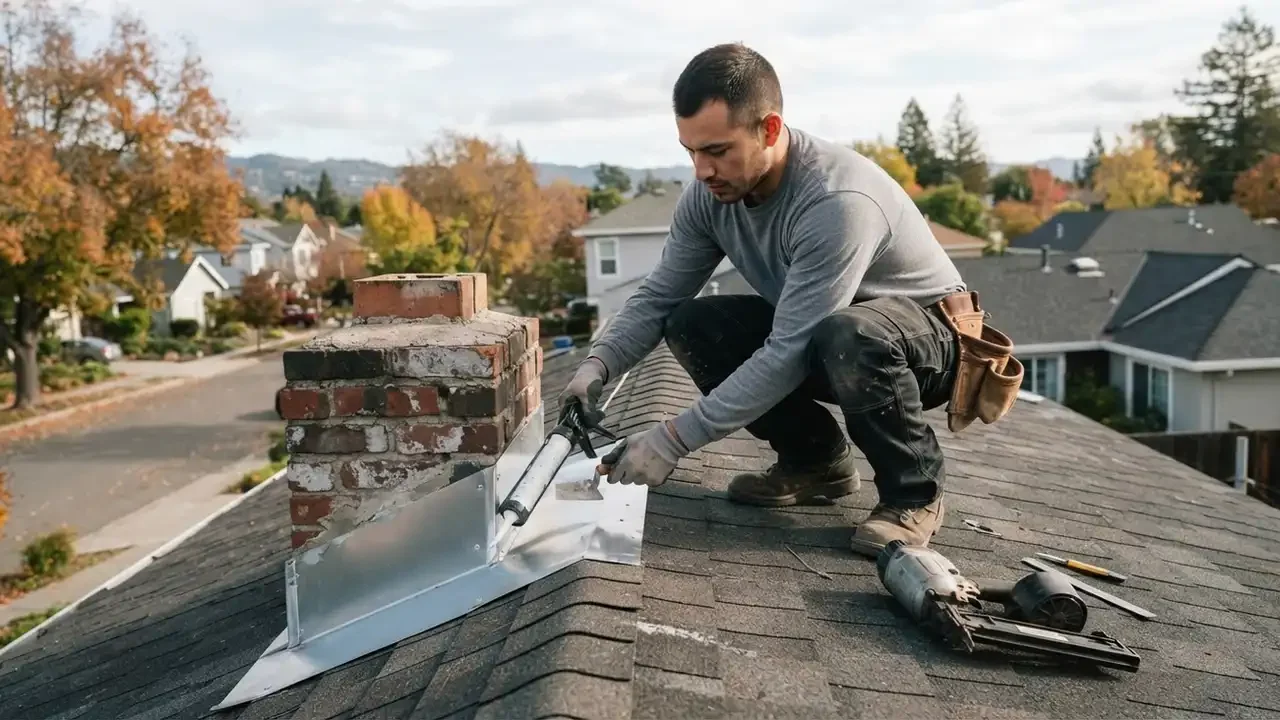
We had water marks near a bedroom vent but could not see anything wrong from the ground. The crew checked the flashing and nearby shingles, showed us the worn spot, and handled the small repair during the visit. They also cleared leaves from the gutter corner. The explanation was clear, and we knew what to watch after the next rain.
Our low-slope roof had a drain area collecting leaves after windy days. The team checked the membrane seams, cleared the accessible debris, and pointed out one detail that needed a separate repair. We received a useful summary instead of a vague all-clear. That made it easier to plan maintenance across the building.
After a storm, I noticed a few shingles looked uneven from the yard. The crew inspected the roof safely, found a loose section near the ridge, and checked the surrounding area for additional damage. They explained which items needed attention and which were only normal wear. I appreciated the practical walkthrough.
A routine residential roof maintenance visit commonly costs $180 to $450, with larger or more complex roofs priced higher. Typical 2026 pricing depends on roof area, pitch, material, access, debris, and whether minor repairs are included. We identify the work involved and give you upfront pricing before proceeding. Extensive leak repair, damaged decking, or replacement materials are separate repair needs, not routine upkeep.
Roof maintenance usually includes a visual check of the roof covering, flashing, penetrations, edges, and accessible drainage, plus documentation of defects and suitable minor upkeep. We look for missing shingles, open seams, loose components, and clogged gutters. The exact work depends on roof type and safe access. Replacing broad areas of roofing or repairing concealed structural damage is a separate repair, which we explain if discovered.
Schedule a professional roof check at least once a year, and add an inspection after significant wind or hail. An annual visit helps track gradual wear, while a post-storm check can identify displaced shingles or damaged flashing promptly. We may recommend a different interval based on your roof's age, nearby trees, drainage, and material condition. Do not climb onto a wet or steep roof to check it yourself.
Regular roof maintenance reduces the chance that unnoticed defects will develop into leaks, but it cannot prevent every leak or storm failure. We inspect common entry points such as valleys, roof edges, penetrations, and flashing, then address eligible defects. If water is already entering, tell us where and when you see it; active roof leak repair may be needed rather than routine upkeep alone.
Not seeing your question? Our local team can help you understand urgency, scheduling and what to expect.
Ask the local team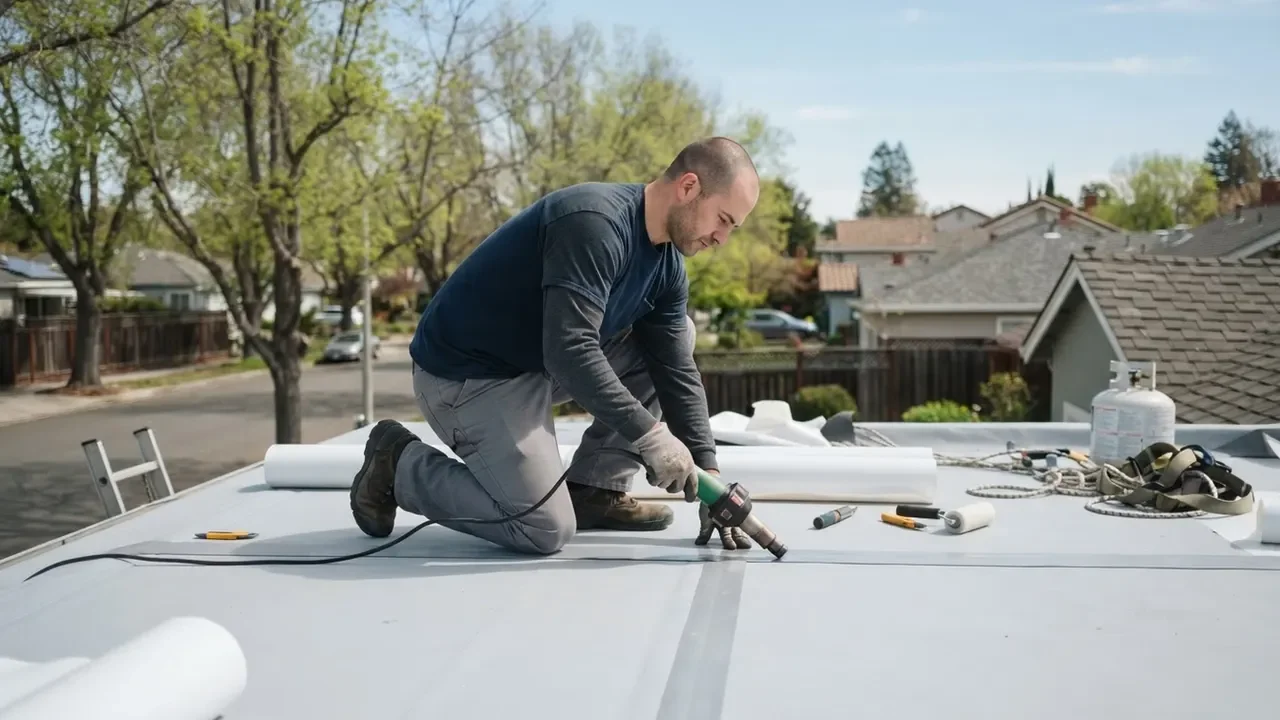
When maintenance uncovers a split, loose section, or damaged roof component, Roof Repair addresses the defect directly. We identify the affected area and match repair materials to your existing system. For Bay City property owners, prompt localized work can stop a small roof problem from spreading.
View service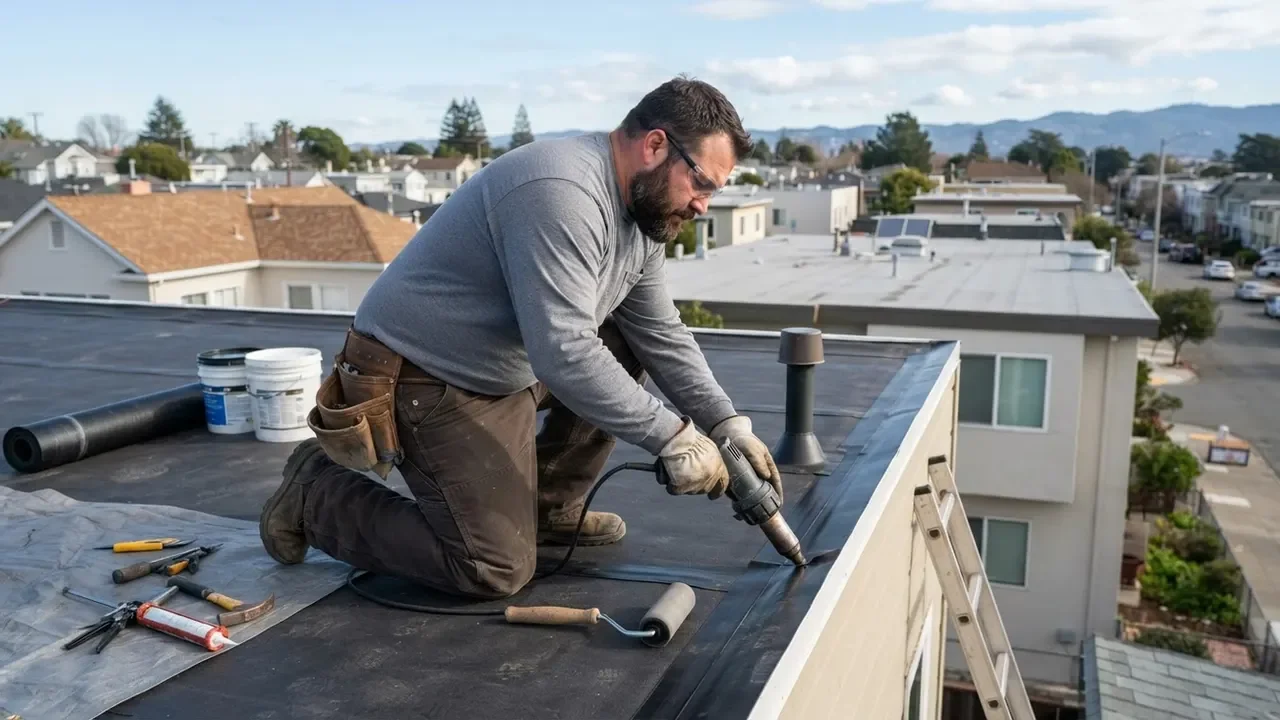
Maintenance can reveal widespread wear that isolated repairs will not solve. Roof Replacement is the next step when the covering has reached the end of its useful condition or repeated failures affect several areas. We help Bay City owners understand the difference between a serviceable roof and one needing replacement.
View service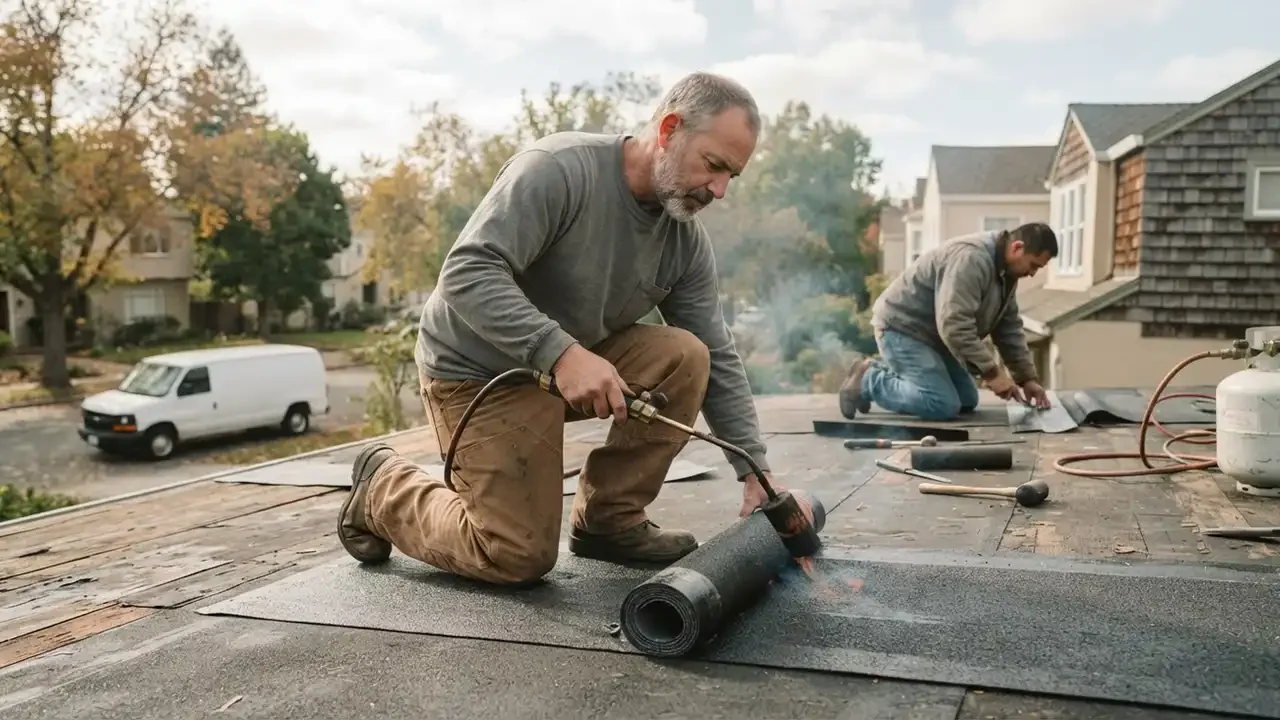
A ceiling stain, damp attic, or active drip needs leak tracing, not just a general tune-up. Roof Leak Repair follows water entry back to its likely source, including flashing, valleys, or penetrations. We address the cause and check nearby materials for related moisture damage.
View serviceA storm-opened roof or sudden active leak calls for urgent protection and repair. Emergency Roof Repair focuses first on limiting water entry, then on the lasting correction when conditions allow. Bay City property owners should report the leak location and any visible roof damage when calling.
View service
Call (877) 791-3217 to discuss a roof leak, storm damage, inspection, or replacement in Bay City. We connect you with independent roofing companies and help you get the conversation started. Calls are accepted around the clock for urgent roofing needs; tell us whether water is actively entering and where you see the damage.