Focused Arrival Windows
Useful updates and clear arrival timing.
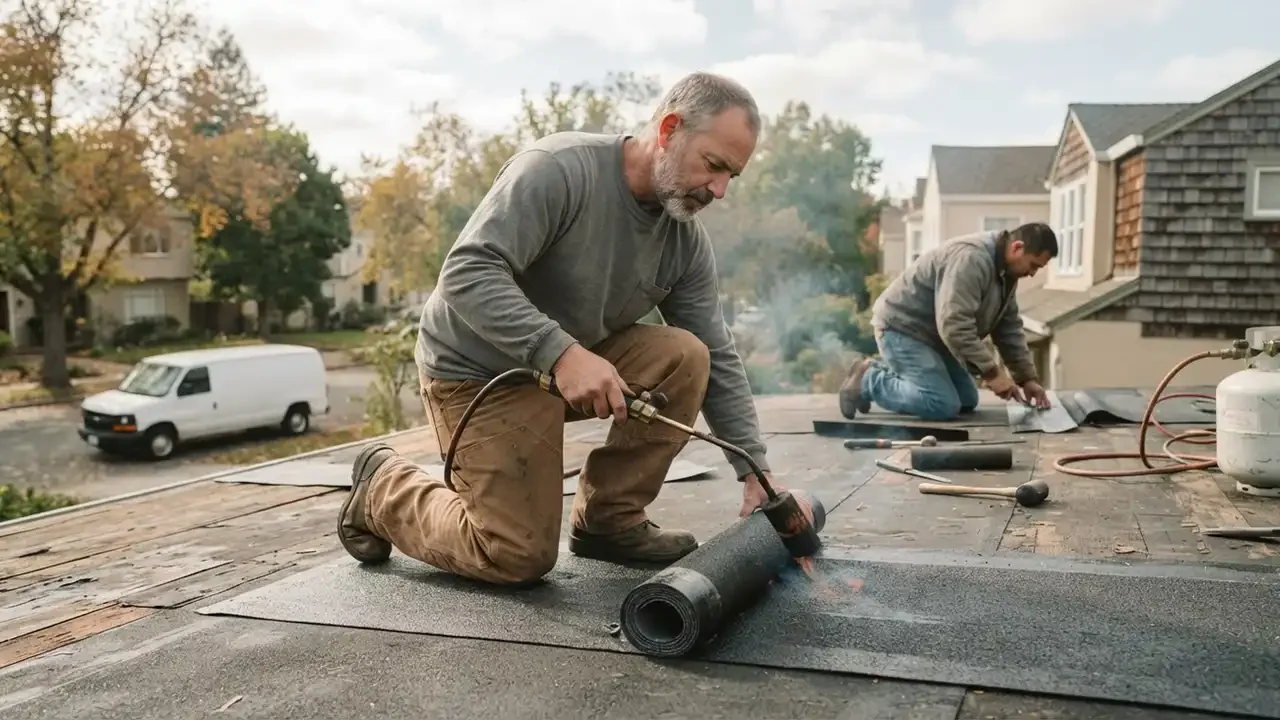
Roof replacement in Bay City, Texas gives homeowners a dependable way to stop recurring leaks, replace storm-worn materials, and protect the structure beneath the roof. We inspect the deck, remove failed layers, and install a system suited to your home and budget. If shingles are curling, granules are washing into gutters, or repairs keep returning, our team can help you choose the right next step.
Useful updates and clear arrival timing.
Review the approach and price before deciding.
Equipped vehicles and respectful cleanup.
Neighbors serving neighbors with follow-through.
A standard replacement covers assessment, removal of the existing roof covering, inspection of exposed decking, installation of underlayment and the selected roofing material, and final cleanup. We also address the flashing and roof-edge details required for the planned system. Deck replacement, ventilation changes, skylights, and gutter work depend on your roof's condition and selected project; we explain any added work before proceeding.
We remove the old covering as needed and expose the roof deck for inspection. Tear-off lets us identify damaged areas hidden beneath shingles or other materials. We protect the work zone and collect debris as installation progresses, keeping access routes clear and the property organized.
After removal, we check the decking for soft, damp, or broken sections and identify repairs needed to support the new roof. We install roof underlayment over the prepared surface, with ice and water shield at appropriate vulnerable areas where the selected system calls for it.
We install the chosen roofing material according to its system requirements, keeping layout and fastening consistent across the roof. Options can include asphalt shingles, architectural shingles, or metal roofing panels. The final selection determines the installation details, finish, and product documentation available.
We check transitions at valleys, chimneys, walls, vents, and roof edges, where water can enter if details are loose or poorly integrated. Replacement work includes the flashing and edge components needed for the planned assembly. Skylights or extensive ventilation changes are handled as specific project additions.
We remove installation debris, clear loose material from the work area, and review visible roof details with you. The final check covers roof edges, penetrations, ridges, and the general finish. We also explain basic maintenance steps and share the product information associated with your selected materials.
Share what is happening and receive a clear next step from the local team.
Roof replacement in Bay City, Texas is a roofing service that removes worn or damaged roof materials and installs a new system when repairs no longer provide dependable protection. We inspect the visible covering and roof deck, remove the existing layers as needed, replace compromised sections, and install underlayment, flashing, ventilation components, and the selected roofing material. A complete installation is more than new shingles; the details at valleys, eaves, chimneys, and roof penetrations determine how well the roof sheds water. We finish by checking the work and clearing debris from the property.
Bay City homeowners often consider roofing replacement Bay City TX after repeated roof leaks, widespread granule loss, curling shingles, or damage following wind and hail. Texas heat also puts prolonged stress on exposed materials, while heavy rain tests flashing and drainage. If you are asking how much does roof replacement cost in Bay City, Texas, the answer depends on roof size, pitch, material, deck condition, and access. We inspect those factors first, then explain the practical options for your home.
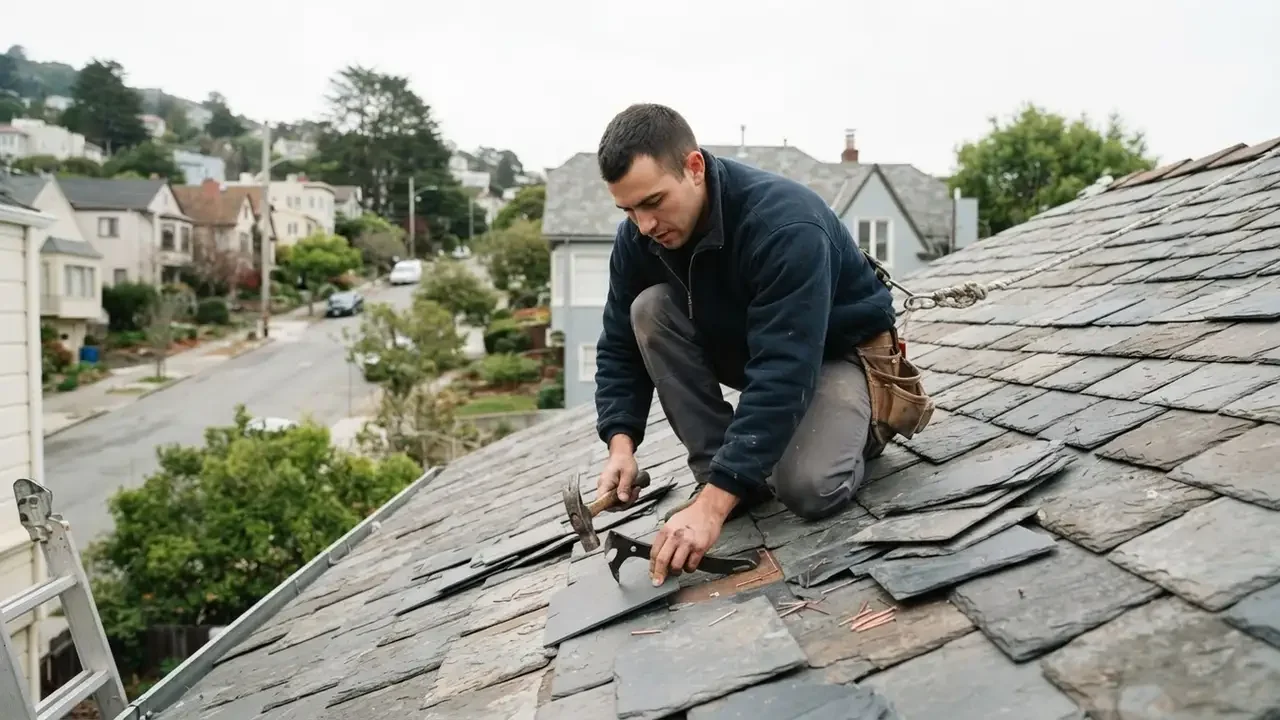
We inspect the roof surface, attic or accessible underside, drainage, flashing, and visible decking. A moisture meter helps identify damp areas, while an infrared thermal camera can help locate temperature patterns associated with trapped moisture. We photograph trouble spots and discuss whether a full replacement is the sensible fix. The visit typically takes about 45 to 90 minutes, depending on roof access and complexity.
We review the roof shape, pitch, ventilation, existing layers, and your preferred finish before planning the installation. You can compare architectural shingles with metal roofing panels and choose colors that suit the home. We also identify details such as ridge vent, drip edge, and chimney flashing. Your selection and the expected work sequence are settled before tear-off begins.
Before removal, our crew positions tarps and protective equipment around landscaping, walkways, and exterior fixtures. We set up extension ladders and safety harnesses for controlled roof access, then stage materials to keep the work area organized. You will know where vehicles should be moved and which outdoor areas to keep clear. Preparation usually occupies the first part of installation day.
We remove the old covering with shingle rippers and pry bars, then inspect the exposed deck for soft or damaged sections. After necessary repairs, we install roof underlayment, flashing, and the selected roofing material using a chalk line and roofing nail gun for consistent placement. A standard residential installation commonly takes one to three days, with weather and roof complexity affecting the schedule.
We check edges, valleys, penetrations, ridge details, and visible fasteners before completing the job. The crew gathers waste, clears roof debris with a leaf blower where appropriate, and checks the surrounding ground for loose material. We walk you through the finished work and explain basic maintenance. If we find a condition that changes the plan, we discuss it with you before proceeding.
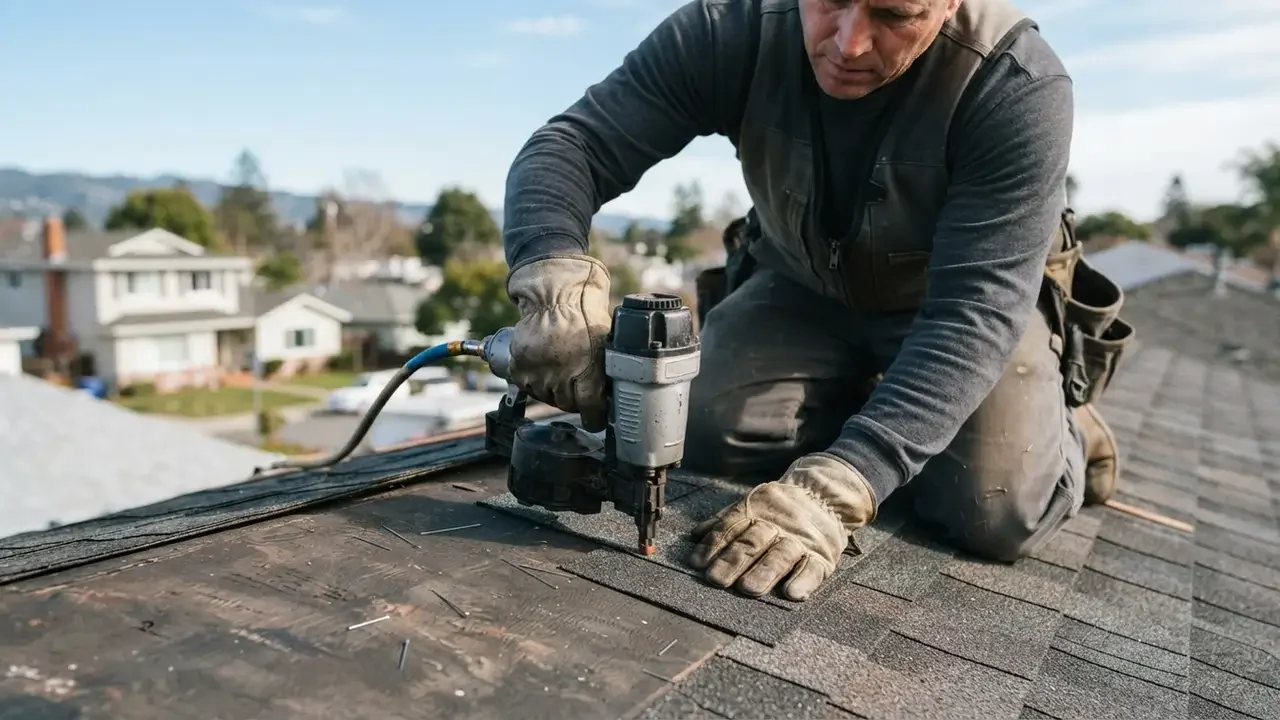
We use a roofing nail gun to place fasteners consistently in shingle installation. Correct placement helps secure the roof covering and supports a clean, uniform finish across each slope.
A shingle ripper helps remove old roofing materials during tear-off. Controlled removal exposes the deck so our crew can inspect for soft areas, moisture damage, or failed previous repairs.
We use a moisture meter to check suspect areas for moisture during roof assessment. Readings help us focus inspection around stains, roof penetrations, and sections where water may have traveled beneath the surface.
An infrared thermal camera can help identify temperature patterns associated with damp insulation or trapped moisture. We use it as an inspection aid alongside direct visual checks, not as a substitute for examining the roof assembly.
A safety harness supports fall protection while our crew works at height. We pair it with controlled ladder access and a planned work area to reduce risk during tear-off, installation, and final inspection.
We remove the existing covering where the replacement plan calls for it, then examine the exposed deck before installing new materials. This reveals problems that surface-only work can hide, including soft wood and moisture damage. We address the supporting surface before building the new roof system.
We install underlayment and integrate flashing, roof edges, valleys, and penetrations so water is directed away from vulnerable openings. Each transition is checked as the roof is built. A good finish depends on those details working together, not only on the material covering the broad roof planes.
We review existing roof ventilation and drainage while planning replacement. Ridge vent, eaves, gutters, and downspouts affect how heat and water move around the roof system. We identify visible concerns and coordinate appropriate components with the roof design rather than adding vents without checking the airflow path.
We follow product-specific installation guidance for the roofing material selected, including fastening, overlap, and flashing requirements. This helps the installed system match its intended design. We also discuss product documentation and manufacturer warranty certification when applicable to the chosen materials and project.
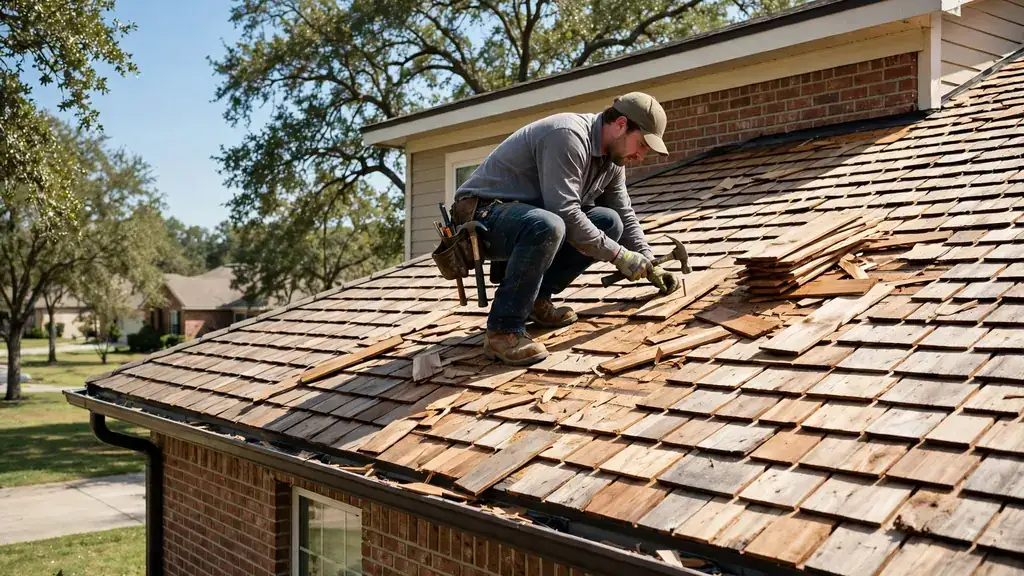
We inspect the surface, attic access, flashing, and decking to determine whether damage is isolated or widespread. If the roof has reached replacement condition, we plan tear-off, deck checks, underlayment, and new material installation. We also identify the transitions most likely to have contributed to the leaks. You replace a failing system in one coordinated project instead of scheduling repeated repairs across different roof areas.
We check for wind damage, exposed underlayment, loose edge materials, and moisture beneath the affected area. If multiple slopes are compromised, we explain full replacement and secure the roof during the work. The new installation includes attention to roof edges, valleys, and flashing. Your home receives a consistent new weather barrier, with damage addressed across the roof rather than only where stains appeared.
We review the repair history and inspect the full roof to see whether the remaining materials can support another repair. If deterioration is broad, we compare available replacement materials and explain the project stages. You can plan the installation before another leak forces an urgent decision. You get a clear path to a new roof and can schedule around the property's needs instead of reacting to each failure.
We trace the water path, examine the valley and adjacent slopes, and check the exposed deck for damage. Where deterioration extends beyond the valley, we recommend replacing the affected roof system as a whole. The crew removes compromised materials and rebuilds the area with new underlayment and integrated roofing. The repair addresses the roof assembly that admitted water and reduces the risk of recurring moisture beneath the same slopes.
Bay City weather puts roof details through repeated heat, strong sun, wind, and heavy rain. That combination makes sound flashing, secure edges, and clear drainage important, especially where roof planes meet chimneys, skylights, or walls. During a replacement, we inspect those transitions and the roof deck rather than covering over old problems. Asphalt shingles and metal roofing panels each need installation details suited to the product and roof design. We plan roof install Bay City, Texas projects around the property's access, slope, existing layers, and the condition uncovered at tear-off. In older homes, the deck or fascia can need attention; on low-slope sections, ponding water and membrane condition need a closer look. Our crew protects nearby landscaping and walkways, then keeps debris contained as work progresses. If you are comparing roof replacement and leak repair in Bay City TX, we inspect the whole roof to distinguish a local failure from broad material wear. We also check ventilation and runoff so the finished roof works as a complete system.
Tighter access and nearby walkways call for careful staging. We plan where materials and debris will go before tear-off to keep the work area orderly.
Wind-driven rain makes roof edges and flashing important inspection points. We check transitions and exposed roof details closely during replacement.
Older homes can have multiple roof layers or worn decking beneath the visible covering. We inspect the exposed deck as part of tear-off.
After storms, we look for loose shingles, lifted edges, and leaks around penetrations before deciding whether repair or full replacement fits.
Water can enter where roof planes meet or where flashing has separated. We check valleys, chimneys, skylights, and drainage paths while planning the new system, then replace failed details instead of relying on surface material alone.
Shingles can lose granules, curl, or become brittle as the roof ages. We assess the condition across each slope and explain whether isolated repair remains practical or replacement better addresses widespread wear.
Once the covering is displaced, rain can reach the deck and attic. We inspect edges and fastened materials after visible damage and plan replacement details that secure the roof covering and protect transitions.
A Bay City homeowner had water marks in two rooms and a roof valley that had been patched more than once. Several slopes showed curling shingles and scattered granule loss. The repeated repairs addressed visible symptoms, but the roof's broader wear left other weak areas ready to leak.
We removed the worn covering, checked the deck, replaced damaged sections, and installed a new shingle system with renewed underlayment and valley details. The project took three working days. The homeowner received a walkthrough of the finished roof and a clear account of the materials installed.
Maintenance: Check ceilings and attic spaces after heavy rain, and look for loose debris in gutters. Arrange a roof inspection if new staining appears; finding a small issue early helps protect the replacement system.
After strong wind, a North Bay City home had missing shingles on two slopes and exposed underlayment near the eaves. The owner also noticed a damp patch in the attic. A small patch would not address the broader area of loose and aged material.
We inspected the roof, removed the compromised covering, and checked the exposed deck before installing replacement materials across the affected system. The crew completed the work in two days and checked the edges, penetrations, and roof valleys before cleanup. The attic area was dry at the final review.
Maintenance: After severe wind or hail, check for visible shingles on the ground and new interior stains. Keep gutters clear so runoff leaves the roof edge instead of backing up against it.
A home in Bay City Center had brittle shingles, fading, and recurring repairs around a chimney. The roof had reached a point where matching old materials was difficult, and the homeowner wanted a single project rather than another repair visit.
We replaced the old roof covering and rebuilt the chimney transition as part of the installation. The two-day project included a deck check, new underlayment, and a consistent finish across the roof. The owner could see the completed flashing and roof edges during the final walkthrough.
Maintenance: Keep branches and debris from collecting on the roof, and inspect the chimney flashing and gutters during routine upkeep. Call if you notice a ceiling stain, loose material, or water marks near the chimney.
Full roof replacement Bay City TX homeowners choose is often the answer when damage is widespread, repairs keep failing, or aging materials no longer protect the deck. We look beyond the obvious ceiling stain and trace the roof conditions behind it. That helps you address the cause instead of spending repeatedly on symptoms.
Repeated moisture can stain ceilings, damage insulation, and soften roof decking. Delayed repairs can turn a limited roof problem into interior and structural work. We inspect the roof surface, valleys, flashing, and penetrations to see whether leaks share a larger cause. If wear is widespread, we remove the old covering, check the deck, and install a replacement system with renewed underlayment and water-shedding details. You get a plan based on the roof condition, not another unexplained patch.
Widespread deterioration leaves more of the roof exposed to wind and rain. Individual shingle repairs become less dependable when surrounding material is also failing. We map the affected slopes and inspect the underlying roof assembly before recommending replacement. Our crew removes the worn covering, checks the deck, and installs the selected new material with properly integrated edges and flashing. We explain what the inspection shows so you can compare replacement with continued repair.
Open or displaced materials let water reach the roof deck and attic. A delay can increase damage during the next storm and make the repair area harder to isolate. We check each slope for missing shingles, impact damage, loose flashing, and water entry. If damage extends across the roof, we plan a full tear-off and replacement rather than piecemeal work. We secure the roof during the project and complete the new covering and cleanup in a clear sequence.
Water entering at a transition can travel beneath the roof surface before appearing indoors, so the stain may not sit directly below the failure. We trace the leak to its likely entry point and inspect the surrounding materials. If the roof remains sound, a targeted repair may be enough; if the covering and flashing are worn across the slope, we rebuild those details during replacement. That approach reduces the chance of sealing one point while another weak area remains.
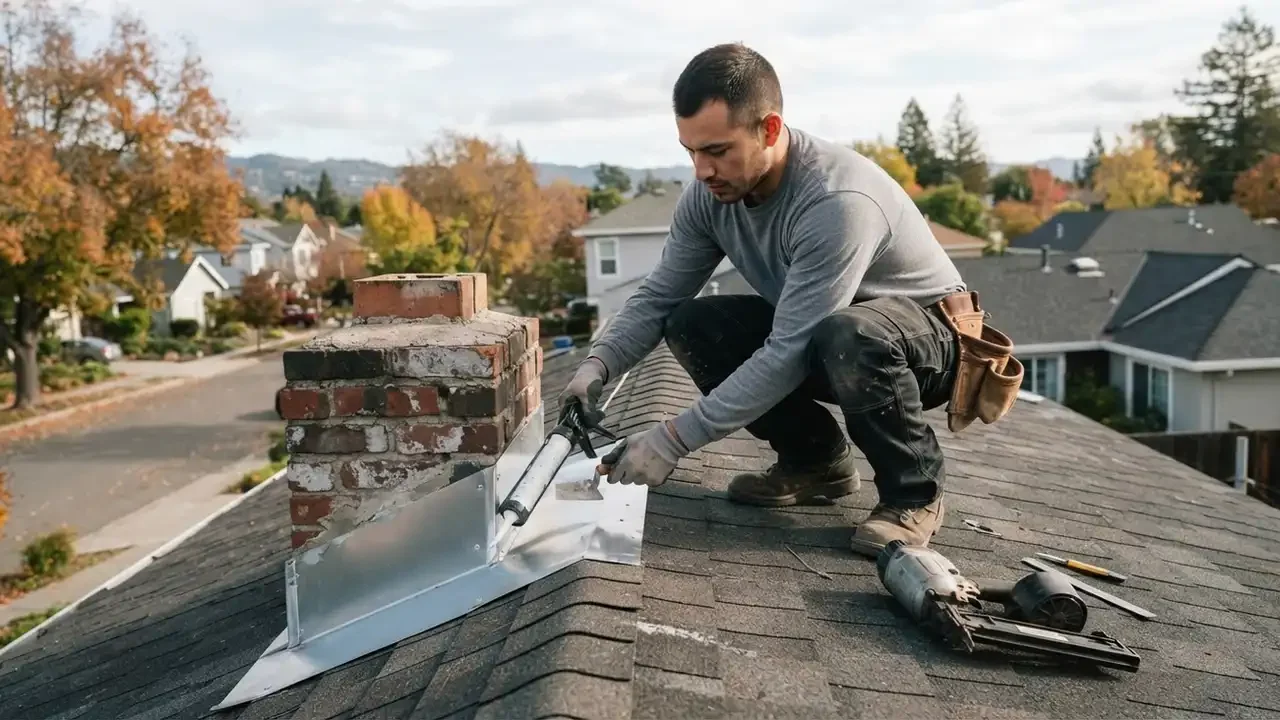
Our local experience covers complete tear-offs, replacement of damaged decking, shingle systems, and roofing details that often cause leaks. We plan each Bay City project around the home's roof shape, drainage, ventilation, and material choice rather than treating every roof alike. Our crew uses fall protection and established installation practices, and we work with recognized roofing products such as GAF and Owens Corning. We explain the difference between a surface repair and a full replacement in plain language, so you can make a sound decision based on the roof's actual condition.
Our roof had missing shingles and a leak near the hallway ceiling. The crew showed us the worn areas and explained what they would replace before starting. They removed the old covering, repaired a soft section of decking, and finished the installation in two days. The yard was clear when they left, and the new roof looks sharp from the street.
We had patched the same roof valley twice, so we asked for a full inspection. The team found wear beyond the original leak and walked us through shingle options without pressure. They protected the garden beds, completed the replacement over three working days, and showed us the flashing details afterward. The next heavy rain passed without water coming into the kitchen.
After wind damage, several shingles were loose and water had reached the attic. The crew checked the deck, replaced the roof covering, and paid close attention to the edges and vents. We appreciated getting a clear explanation when they found damaged decking under the old materials. The cleanup was thorough, and the roof has held through the following storms.
Most straightforward residential roof replacements take one to three working days. Roof size, steep pitch, multiple layers, weather, and decking repairs can add time. We explain the expected sequence before work starts, including tear-off, installation, and cleanup. Your home remains an active worksite during the project, so we also tell you when to keep vehicles and outdoor items clear of the crew's work area.
A complete residential roof replacement in Bay City commonly ranges from $8,000 to $25,000, depending on roof area, pitch, material, tear-off layers, and deck repairs. Metal or complex roofs can cost more. We inspect the roof before pricing because a small home with steep slopes can require more labor than a larger, simple roof. We explain the factors and provide upfront pricing for the planned work.
A new roof can improve buyer confidence and curb appeal, but the value added depends on the home's condition, the material, and local buyer expectations. It also replaces visible wear and gives you documentation for the work completed. We can explain the roof system and product records after installation, but we do not promise a specific resale increase because that depends on the property and market.
Architectural asphalt shingles suit many Bay City homes because they offer a familiar appearance and a range of price points; metal roofing panels are another option for homeowners seeking a different roof system. The best fit depends on roof shape, budget, appearance, and product requirements. We review those details with you and explain underlayment, flashing, and ventilation needs before you choose.
Not seeing your question? Our local team can help you understand urgency, scheduling and what to expect.
Ask the local team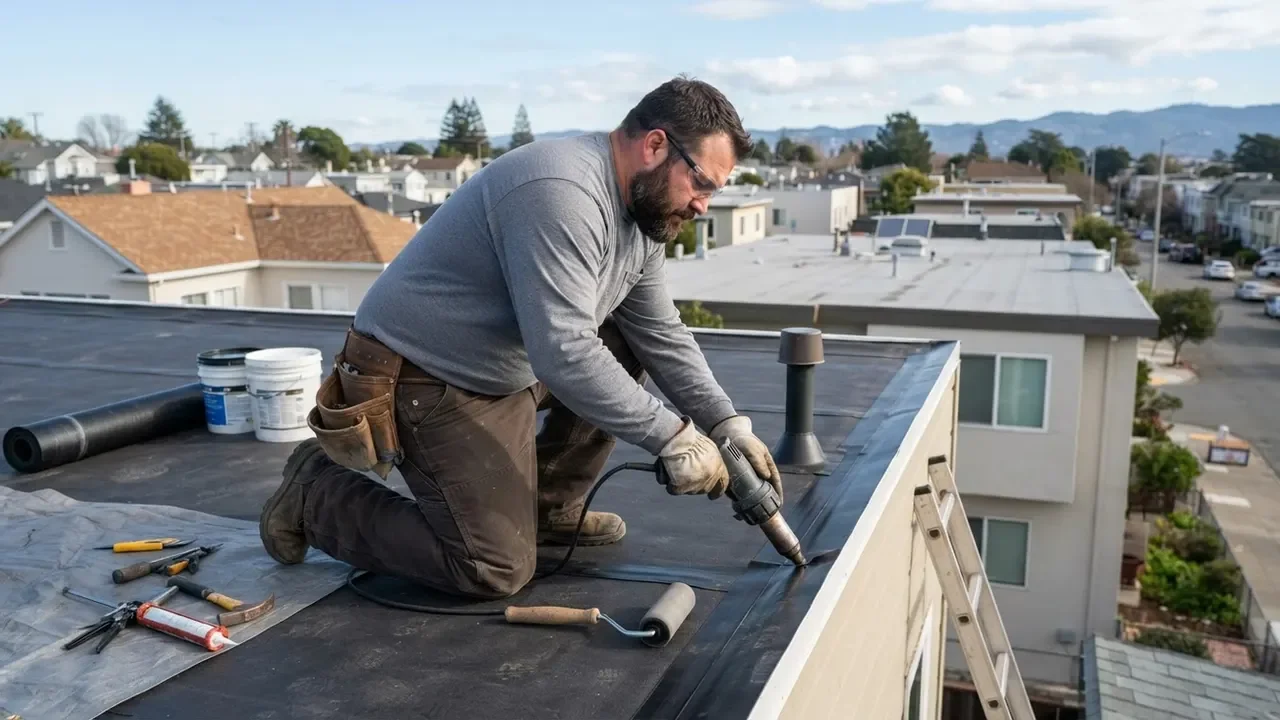
A roof repair addresses isolated damage when the surrounding roof remains serviceable. We trace the issue, replace affected materials, and check nearby flashing or valleys. If repairs keep recurring across multiple areas, we can inspect the whole roof and explain whether replacement is the more durable option.
View service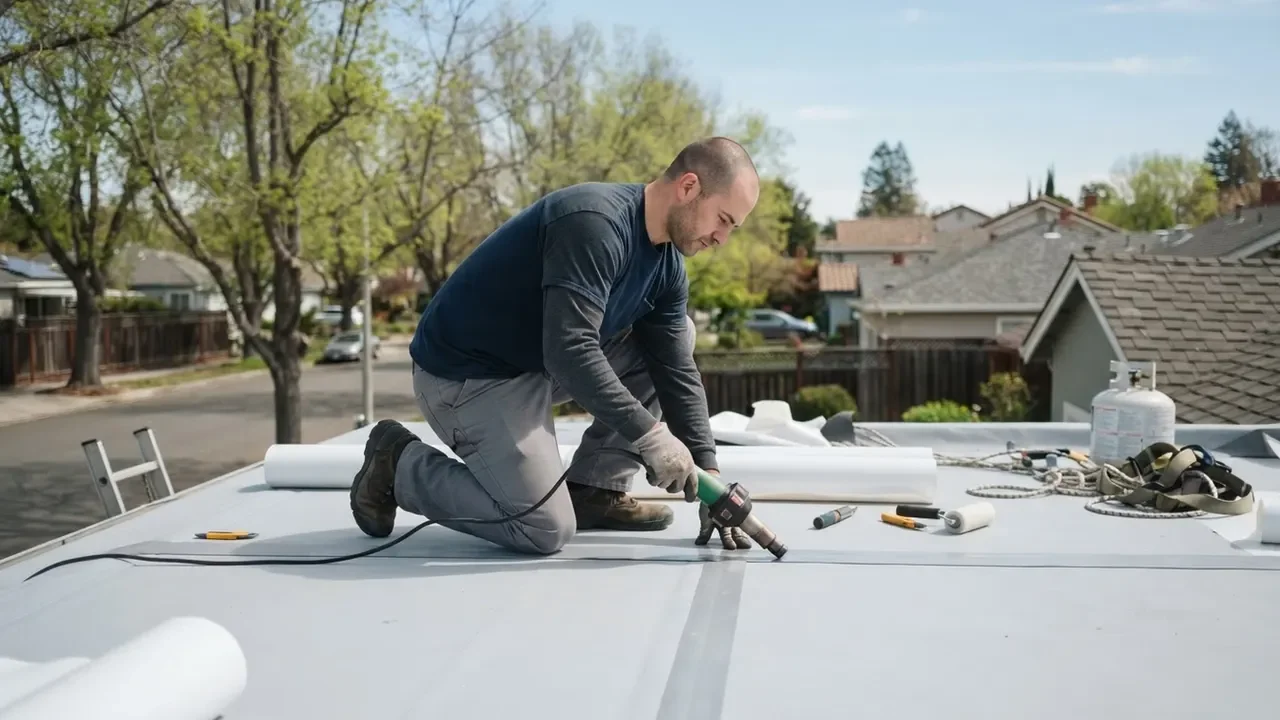
A roof leak needs a source check, not just an interior patch. We inspect shingles, flashing, valleys, and roof penetrations, then repair the affected area where practical. If the roof covering is broadly worn or the deck is damaged, we can discuss a full replacement for your Bay City property.
View service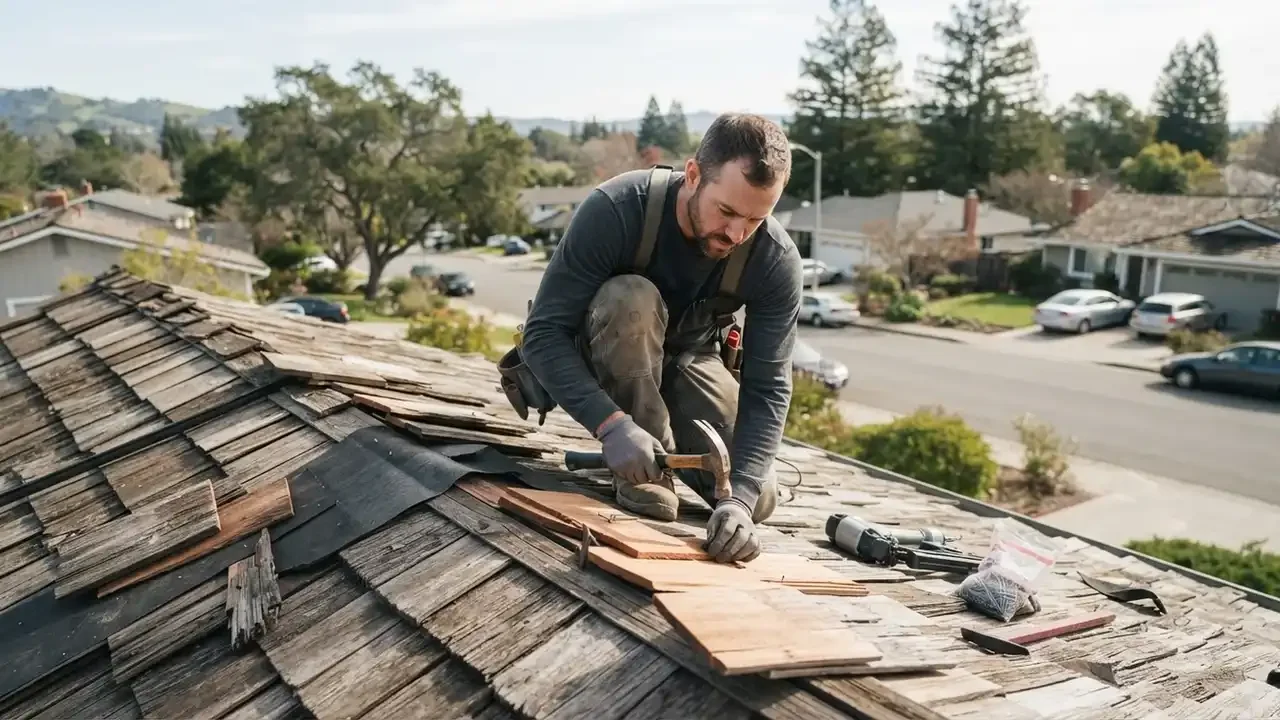
After wind or hail opens a roof, emergency work focuses first on limiting water entry and securing exposed areas. We assess the damage and make a practical temporary or permanent repair based on conditions. Once the roof is stable, we can determine whether a complete replacement is needed.
View serviceResidential roofing includes inspection, repairs, and full replacement for houses and other homes. We account for roof pitch, material, ventilation, and the way water drains from your property. If your home has widespread wear, we plan a new roof around its structure and your preferred finish.
View service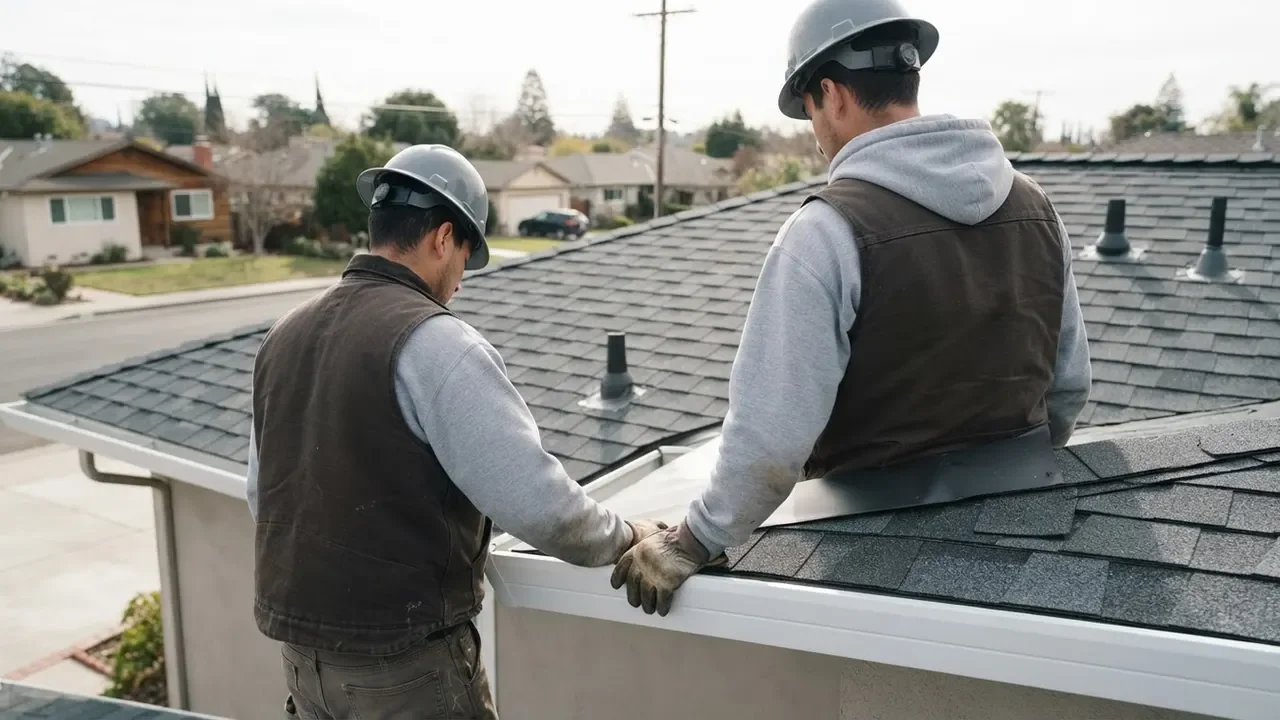
Call (877) 791-3217 to discuss a roof leak, storm damage, inspection, or replacement in Bay City. We connect you with independent roofing companies and help you get the conversation started. Calls are accepted around the clock for urgent roofing needs; tell us whether water is actively entering and where you see the damage.