Focused Arrival Windows
Useful updates and clear arrival timing.
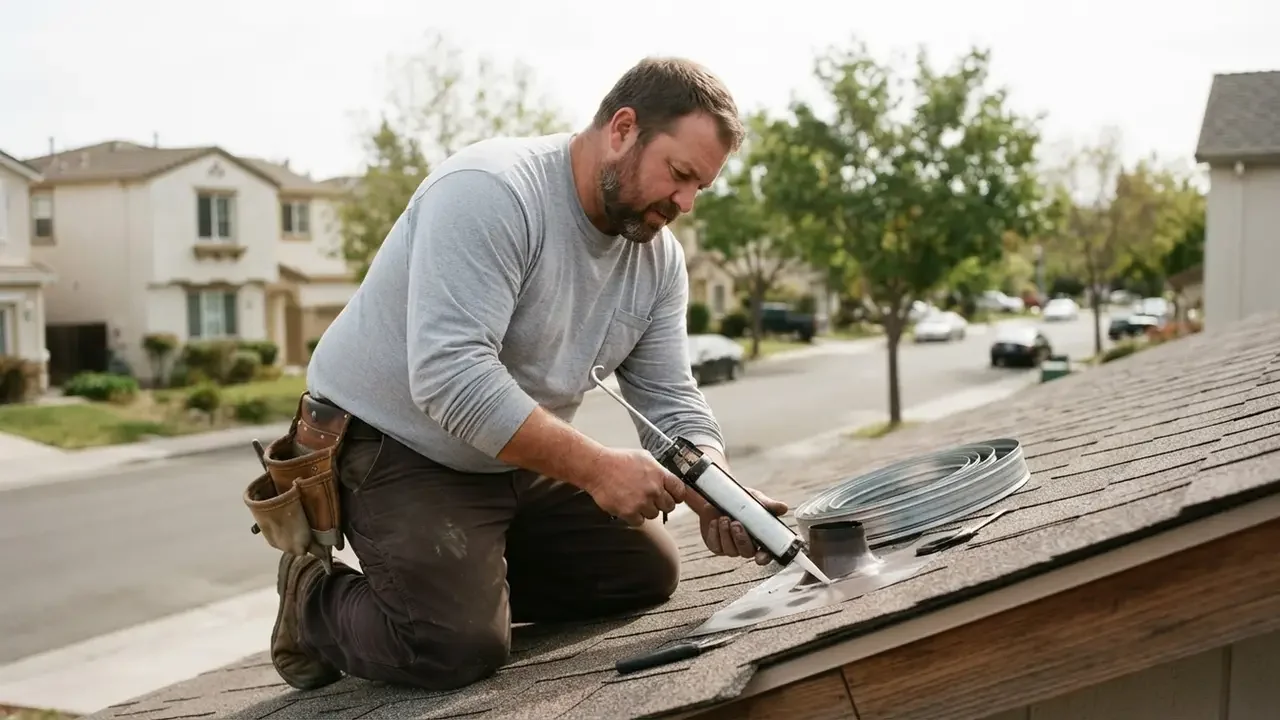
Emergency roof repair in Bay City, Texas is for homeowners and property managers facing an active leak, wind damage, missing shingles, or a roof opening that cannot wait. We locate the failure, control water entry, and make a durable repair when weather and roof conditions allow. Our team handles urgent calls across Bay City, including after storms and overnight leaks, so you know what is happening and what needs attention next.
Useful updates and clear arrival timing.
Review the approach and price before deciding.
Equipped vehicles and respectful cleanup.
Neighbors serving neighbors with follow-through.
Emergency service starts with identifying the active failure and protecting the building from further water entry. We complete the safe, practical repair needed to stabilize the roof, then explain any follow-up work for damaged decking, insulation, ceilings, or a larger roof section. The exact repair depends on the roof material, access, and weather. We give you upfront pricing before repair work begins.
We inspect the roof area above and around the interior leak, checking flashing, valleys, roof edges, and penetrations. We also look for water tracks and damp materials so the repair targets the entry path rather than only the visible ceiling stain.
When rain, wind, or unsafe access prevents a permanent repair, we secure a suitable temporary barrier over the opening. We position and fasten it to limit water entry without leaving loose material that could become a hazard in changing conditions.
When conditions allow, we replace or secure damaged roofing components and restore the affected detail. That can include shingles, flashing, or a compatible membrane repair. We check adjacent material so the completed work ties into the existing roof system.
Before leaving, we explain what we found, what was stabilized, and whether additional work is needed. We point out signs of trapped moisture or interior damage and recommend monitoring the affected area for 24 to 48 hours after the repair.
Share what is happening and receive a clear next step from the local team.
Emergency roof repair in Bay City, Texas is a roof-stabilization and repair service that stops active water intrusion or secures roof damage that threatens the building. We inspect the affected slope, trace water paths, and identify failed shingles, roof flashing, punctures, or openings around a skylight or chimney. The immediate work may include a weatherproof tarp, temporary seal, or replacement of damaged components. Once conditions are safe, we complete the permanent repair and check the surrounding roof for related damage.
Bay City's coastal weather can push wind-driven rain under lifted shingle edges and expose weak flashing around roof penetrations. If water is entering a ceiling, place a bucket below the drip and move valuables away; do not climb onto a wet roof. Our 24/7 roof repair Bay City TX response focuses first on protecting people and limiting interior damage. For an emergency roof repair near me in Bay City, Texas open now, call with your location and a brief description of the leak.
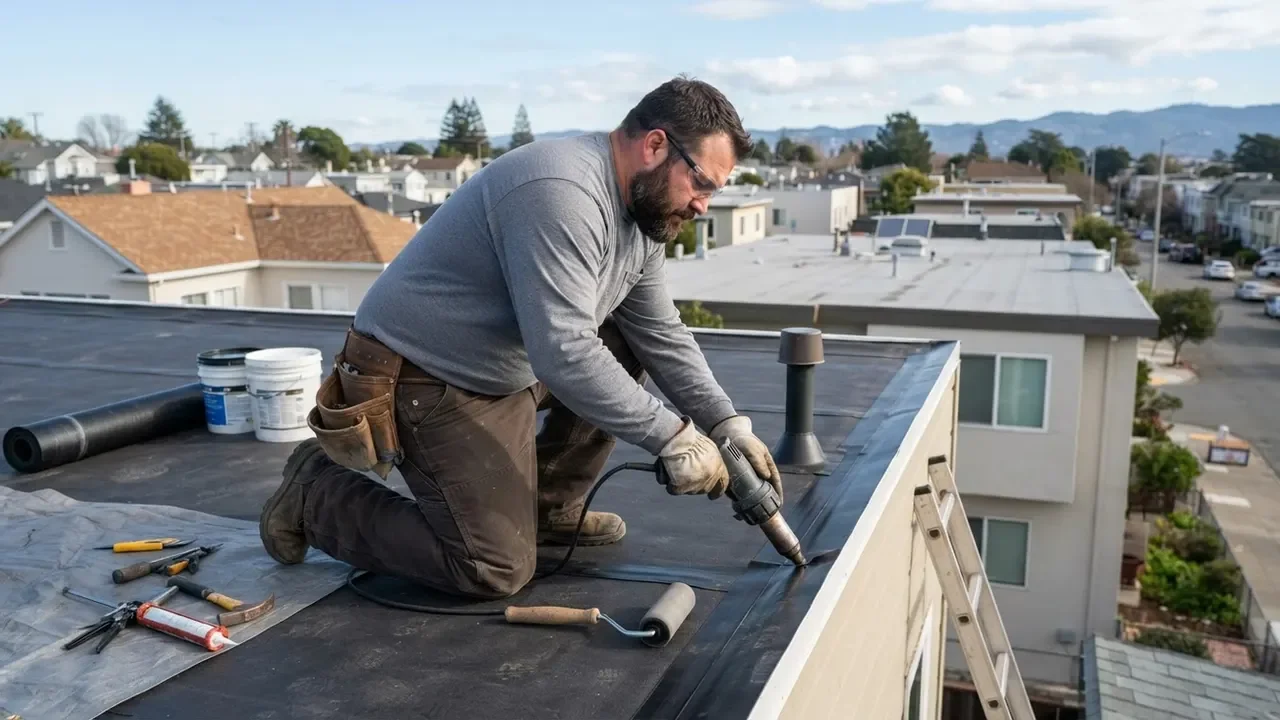
When you call, tell us whether water is actively entering, which rooms are affected, and whether a tree or power line is involved. We ask about roof type and access so the crew arrives prepared. If water is near electrical equipment, stay out of that area and contact the appropriate emergency service before anyone enters.
We assess the roof from a safe access point and inspect the interior signs of water entry. An extension ladder is secured before use, and a safety harness is used where roof access requires fall protection. The first inspection usually takes 20 to 45 minutes, depending on roof height and the extent of visible damage.
We check the damaged slope, roof valleys, flashing, and nearby penetrations to find the path water follows. A moisture meter helps distinguish damp material from dry areas; an infrared thermal camera can help locate hidden moisture when conditions support a reliable reading. We show you the failure and explain the immediate repair.
Our crew removes loose debris, secures exposed materials, and applies a temporary weather barrier or completes the repair if the surface is safe and suitable. A tarp is anchored to resist wind without creating another roof hazard. Stabilization often takes one to three hours; extensive damage or active severe weather can extend the work.
Once the roof is safe to work on, we replace damaged components and seal vulnerable transitions with compatible materials. We review what was repaired, what remains, and how to watch the interior for residual moisture over the next 24 to 48 hours. You can call us at (877) 791-3217 to arrange the next step.
We use a moisture meter to compare damp and dry areas around a leak and help determine whether water has spread beyond the visible stain. Readings guide inspection; they do not replace opening or drying materials when needed.
An infrared thermal camera helps us scan for temperature patterns associated with hidden moisture in suitable conditions. We use the scan alongside visual inspection and moisture readings to narrow down areas requiring closer examination.
We use an extension ladder for controlled roof access and a safety harness when the work requires fall protection. Access is planned around the building and roof condition; we do not climb a slick or unstable roof to meet a clock.
A shingle ripper and pry bar help remove damaged shingles without unnecessarily disturbing the surrounding roof. We expose enough of the repair area to inspect the underlying layers and fasten replacement materials correctly.
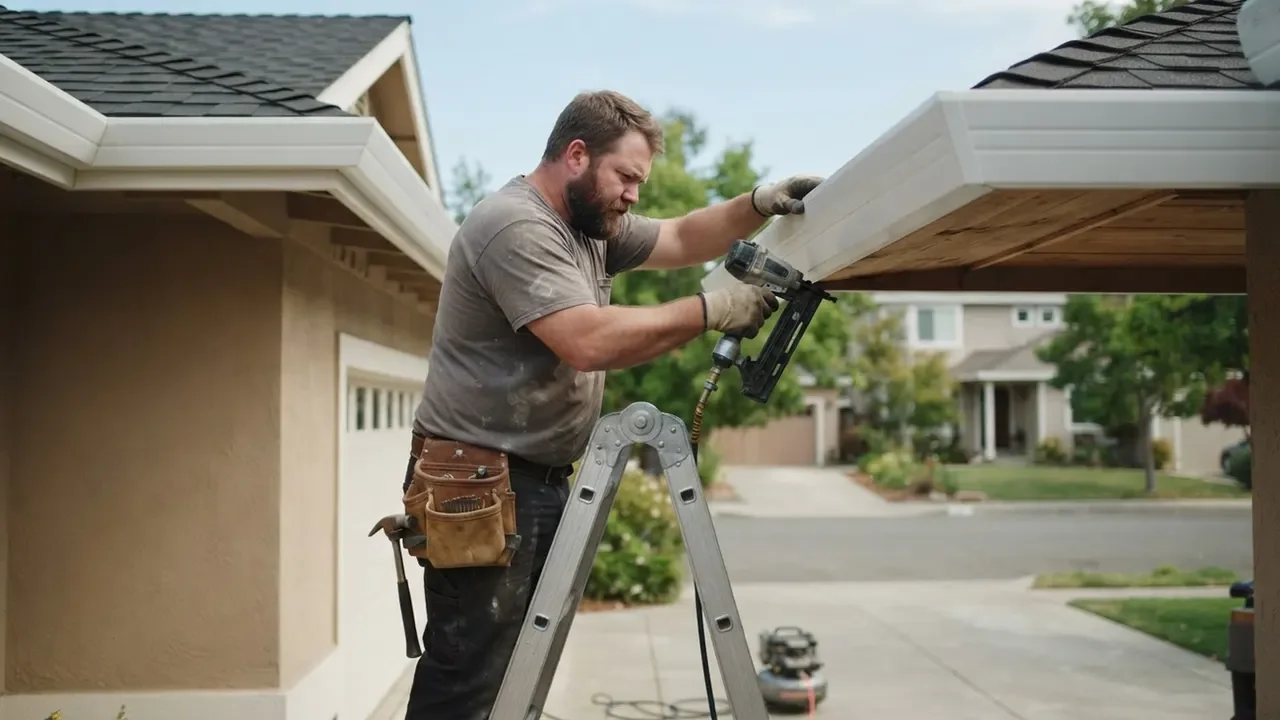
A roofing nail gun speeds fastening on suitable shingle repairs, while a roofing hammer is used where controlled hand placement is needed. We select fastening methods appropriate to the roof material and repair detail.
We compare the interior water mark with roof penetrations, valleys, edges, and transitions above it. Water can travel along decking before appearing indoors, so we inspect beyond the point of the drip and look for damp materials or visible water tracks.
When a permanent repair is unsafe or weather prevents proper installation, we cover and secure the damaged area with a temporary barrier. The goal is to reduce water entry without trapping an unresolved leak or leaving loose material exposed to wind.
We identify the existing roof covering before choosing replacement shingles, flashing, sealant, or membrane repair materials. Matching the repair to the roof system helps maintain water shedding and avoids relying on a product that does not bond or move compatibly.
After the repair, we inspect the work area and adjoining details for secure edges and exposed openings. We explain what was completed and advise you to watch the interior for 24 to 48 hours, since previously absorbed water can continue to show after the leak is stopped.
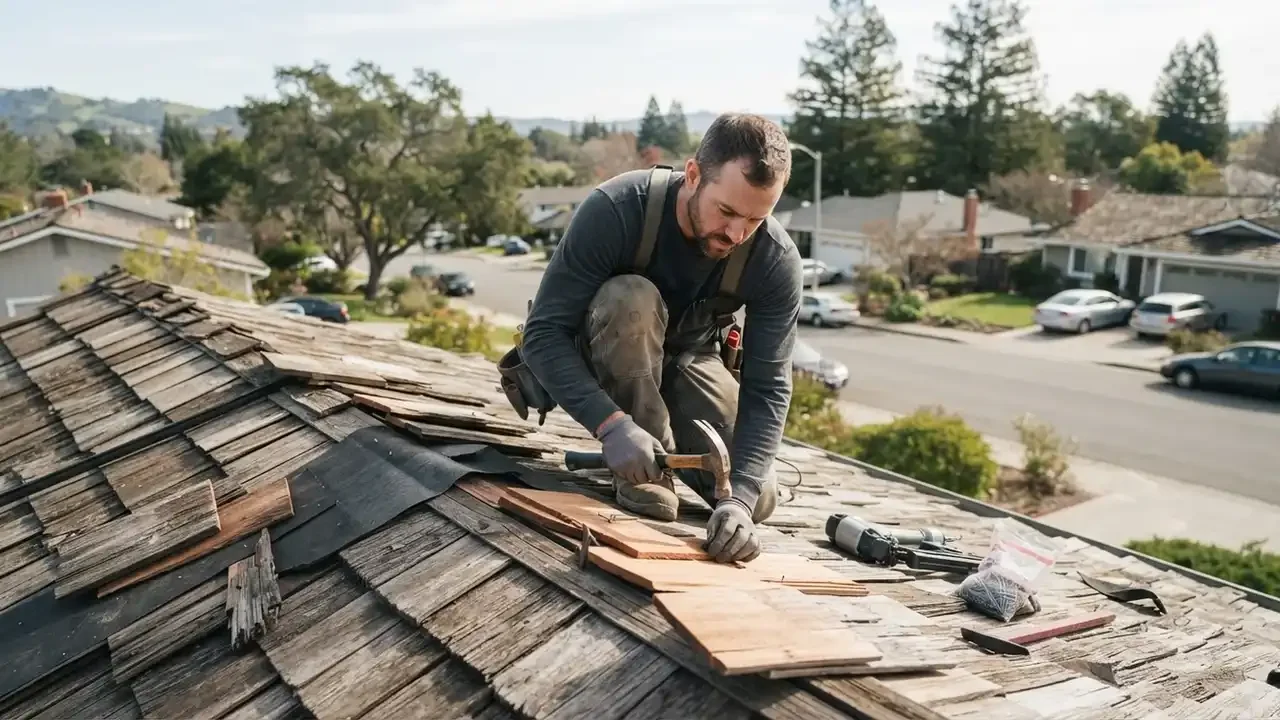
We inspect the exposed slope and surrounding shingle courses, then secure the opening with replacement materials or a temporary barrier. We also check roof edges and flashing for wind-related lift. If roof access is unsafe, we wait until conditions allow secure work rather than putting anyone at risk. The opening is protected from further rain, loose materials are addressed, and you have a clear plan for completing the repair.
We advise you to keep clear of the wet fixture and affected ceiling area while we assess the roof entry. Our crew traces the leak, stops water from entering, and checks whether the roof needs a temporary cover or a direct repair. We also identify the next steps for damp interior materials. The immediate leak is controlled, the hazard area is identified, and you know what needs attention inside after the roof is safe.
We inspect the membrane, seam, drainage path, and equipment transitions to isolate the failure. The crew removes debris from the immediate repair area and applies a compatible patch or temporary seal. We document any broader moisture concern and explain whether follow-up membrane work is needed. Water entry is reduced, the failure point is defined, and property staff can plan access and interior protection around a specific repair area.
We inspect the roof transition and nearby covering rather than assuming the window or masonry itself is the source. We repair the failed flashing or seal detail and check the interior path for active moisture. If the roof surface is too wet for a lasting repair, we stabilize it first. The true entry point is addressed, the visible stain is connected to a roof defect, and recurring leaks are less likely.
Emergency roof repair in Bay City starts with the actual conditions at your property: roof material, access, active rain, and how water is entering. Wind-driven rain can push beneath lifted asphalt shingles, while heat and sun exposure can age sealants around flashing and skylights. Coastal weather also makes loose roof edges and exposed underlayment a priority after a storm. Our Bay City, Texas emergency roofer team checks the roof system before selecting a patch, replacement component, or temporary cover. For a 24 hour roofer in Bay City TX for storm damage, tell us whether the roof is flat, shingle, or metal and where the leak appears indoors. We follow applicable local requirements and safe work practices; permitting needs depend on the scope of permanent work. In Downtown Bay City and the Waterfront District, we plan access around the building and surrounding conditions. We also check drainage paths, including gutters and downspouts, because backed-up runoff can worsen roof-edge leaks. The goal is to stop the active problem and leave you with a specific repair plan.
Closely spaced buildings can make ladder placement and roof access more involved. We plan access carefully and protect the work area while tracing leaks around roof edges and penetrations.
Wind-driven rain can test exposed roof edges and flashing. We check lifted shingles, metal transitions, and skylight details when a leak appears after a storm.
Older roof assemblies may have several layers or aging flashing details. We identify the existing materials before selecting a repair so the new work ties into the roof correctly.
Commercial and residential roof forms vary across the area. We confirm whether the affected section is membrane, shingle, or metal before bringing repair materials to the roof.
Rain pushed sideways can enter beneath lifted edges and reveal weak flashing around chimneys or skylights. We inspect the surrounding roof rather than sealing only the visible drip, then secure exposed materials before another rain band reaches the property.
Repeated heat can dry or loosen sealant at transitions, while UV exposure wears vulnerable materials. We look for separation and cracking, then use a repair approach suited to the roof material instead of applying sealant as a universal fix.
Leaves or a damaged downspout can hold water near the eaves and contribute to interior leaks. We check the drainage path when symptoms point to a roof edge, then explain whether gutter or downspout work should accompany the roof repair.
A windstorm lifted shingles along one roof slope, exposing the underlayment near the eave. Rainwater began marking a bedroom ceiling, and several shingle tabs moved when gusts returned. The homeowner needed the opening stabilized before the next shower, but the roof surface was slick immediately after the storm.
Once access was safe, we replaced 8 damaged shingles, secured the surrounding course, and checked the roof edge for loose material. The exposed section was closed and water stopped entering during the next rain. We also explained the ceiling area to monitor over the following 24 to 48 hours.
Maintenance: After strong winds, check the yard for shingle pieces and look for new ceiling marks from indoors. Keep gutters clear and schedule a roof inspection if you find loose material or see granules collecting at downspouts.
A homeowner in Old Town Bay City saw a brown ceiling stain after two periods of heavy rain. The drip appeared several feet from the chimney, and repeated surface caulking had not stopped it. The roof flashing had separated along a transition, leaving water a path beneath the shingles.
We traced the water path to the chimney transition, removed failed sealant, and repaired the affected flashing detail. The repair took about 3 hours, including inspection of the nearby shingles. The interior drip stopped, and the homeowner received a clear note on the small ceiling area that needed drying.
Maintenance: Look for new staining around the chimney after heavy rain and keep nearby roof valleys clear of debris. Do not apply fresh caulk over a leaking detail; have the flashing inspected so the water path is corrected.
A small puncture near rooftop equipment allowed water into a commercial unit after rain. The leak appeared above a storage area, but the membrane showed a larger damp zone than the ceiling stain suggested. Staff moved supplies and needed the roof opening stabilized before the next workday.
We identified the membrane type, cleared the repair area, and patched the puncture with compatible materials. The immediate repair took about 2 hours, and we checked nearby seams for separation. Water entry stopped, and staff had a defined follow-up plan for the damp interior area.
Maintenance: Keep rooftop service routes clear of sharp debris and report new membrane damage promptly. After major storms, check interior ceilings and roof drains; standing water or a fresh stain warrants an inspection before the next rainfall.
A roof emergency often starts with one obvious symptom but has a less obvious entry point. We check both the roof and the interior signs, then stop the active water path and address the failure that caused it. If you need urgent roof leak repair Bay City, Texas, describe the location and timing of the leak when you call.
Water can soak underlayment and roof decking, then spread through insulation before a ceiling stain appears. Continued wetting raises the chance of damaged finishes and concealed moisture. We inspect the affected slope, identify missing or lifted shingles, and check nearby flashing for a second entry point. We secure exposed roofing and replace damaged shingles when conditions permit. If rain or wind makes the roof unsafe, we install a temporary weather barrier first and return for the permanent repair.
Water can travel along framing and emerge several feet from the failed flashing, making the indoor drip misleading. Repeated leaks can damage trim, drywall, and insulation. We inspect the full transition, including the upper and side flashing, nearby roof covering, and visible interior water path. We correct failed flashing or seal details with compatible materials, then check the surrounding area for moisture. If the transition needs extensive rebuilding, we stabilize it and explain the follow-up.
Water can collect beneath a membrane and spread beyond the visible ceiling mark, especially where drainage is slow. A small defect can become a larger repair if ponding continues. We identify the membrane type, locate the puncture or failed seam, and clear the immediate area so the repair bonds correctly. We use a compatible patch method and check nearby seams and drains. If moisture extends beyond the repair zone, we explain the additional area that needs attention.
Water can stain finishes, saturate insulation, and create a hazard near electrical fixtures. Leaving the leak uncontrolled allows damage to continue during each period of rain. We help you prioritize safety, then trace the leak from roof to interior. Our crew stops the water entry with a repair or temporary cover and identifies materials that need drying or replacement. We recommend keeping people away from a sagging ceiling until the affected area is assessed.
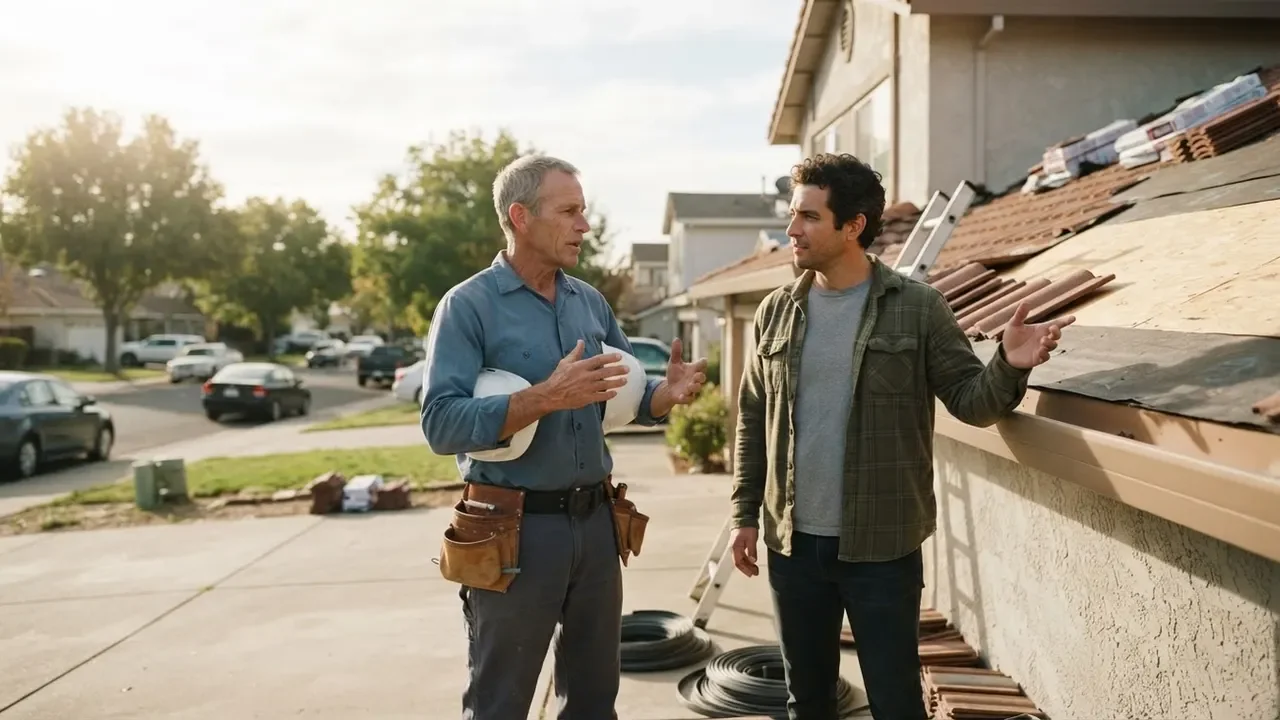
Our local experience covers urgent leak tracing, storm stabilization, and repairs across shingle and low-slope roof systems. We match the repair to the existing assembly rather than applying a generic patch: asphalt shingles require different fastening and flashing details than a TPO membrane or metal roofing panels. We use careful inspection, safe access practices, and compatible materials to protect the roof while addressing the actual failure. We explain whether a repair is complete or whether a larger follow-up is needed.
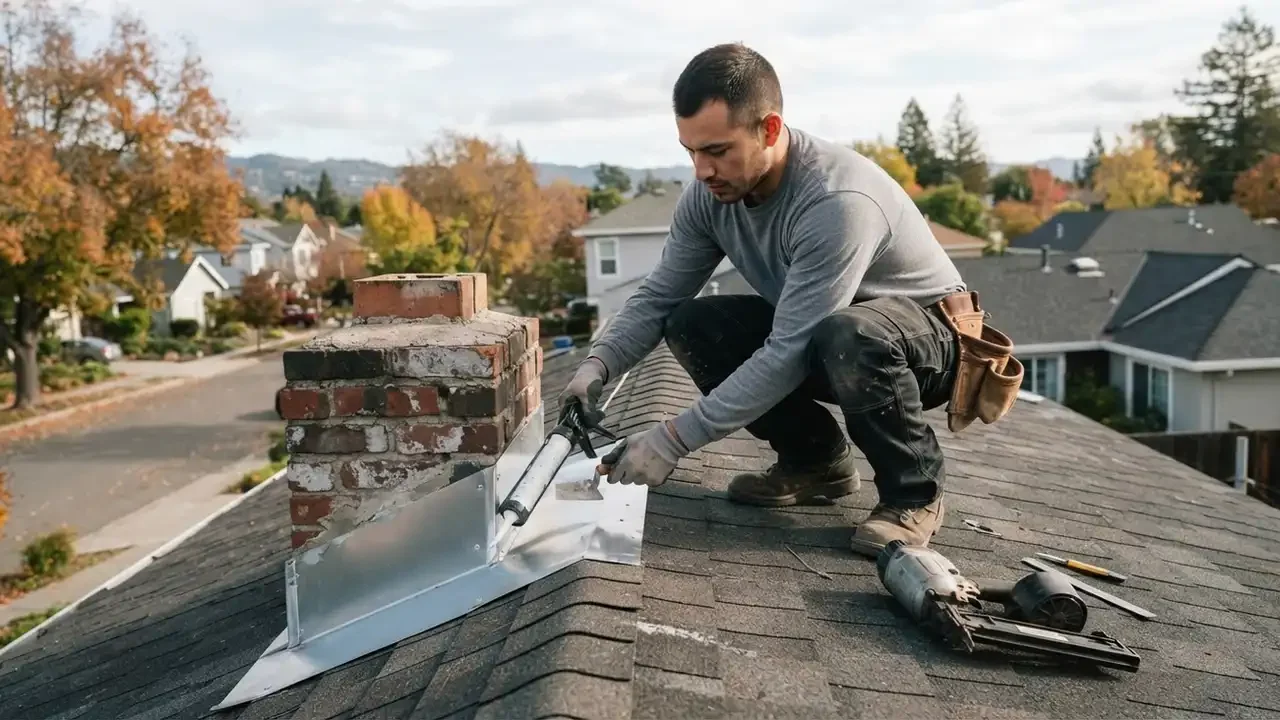
Rain came through around our ceiling light, and we were worried about the wiring. The crew told us to keep clear, then found a gap near the roof flashing and covered the opening. They explained what was temporary and returned to finish the repair when conditions were safe. The leak stopped, and we knew what to watch indoors.
A storm lifted several shingles and left the roof edge exposed. Bay City Roofing secured the loose section and replaced the damaged shingles instead of just sealing over them. They also pointed out a small area of wet decking so we could address it before it spread. The repair took a few hours, and the next rain stayed outside.
We had water showing up in two rooms after a night of heavy rain. The crew checked the roof and traced it to a failed transition rather than the spot directly above the stain. They stabilized the leak, explained the follow-up repair, and helped us keep tenants away from the wet ceiling area. Their clear updates made a stressful call manageable.
Call Bay City Roofing at (877) 791-3217 for emergency roof repair in Bay City, Texas. Tell us whether water is entering now, where the leak appears indoors, and whether storm damage has left materials loose. If water is near wiring or a ceiling is sagging, keep people clear and address immediate safety risks first. We will help identify the roof problem and arrange the appropriate stabilization or repair.
Typical 2026 emergency roof repairs range from $250 to $1,500 for many localized leaks, while extensive storm damage or structural work can exceed $3,000. Cost depends on roof height, material, access, water damage, and whether a temporary tarp or permanent repair is needed. We explain the price before work begins. A photo can help us understand the situation, but an on-site inspection is needed to confirm the repair.
For urgent calls, response commonly ranges from about 1 to 4 hours when weather, access, and crew availability allow. Severe storms can increase demand and make roof access unsafe. When we arrive, initial assessment generally takes 20 to 45 minutes, followed by stabilization if conditions permit. Share your exact location, active leak details, and any access hazards when you call.
Home insurance may cover sudden storm damage, but coverage depends on your policy, the cause, and the insurer's review. Keep photographs of the damage, note when you discovered the leak, and save invoices for emergency work. We can document the visible roof condition and the stabilization performed; your insurer determines coverage. Promptly stopping further water entry also helps limit additional interior damage.
Not seeing your question? Our local team can help you understand urgency, scheduling and what to expect.
Ask the local team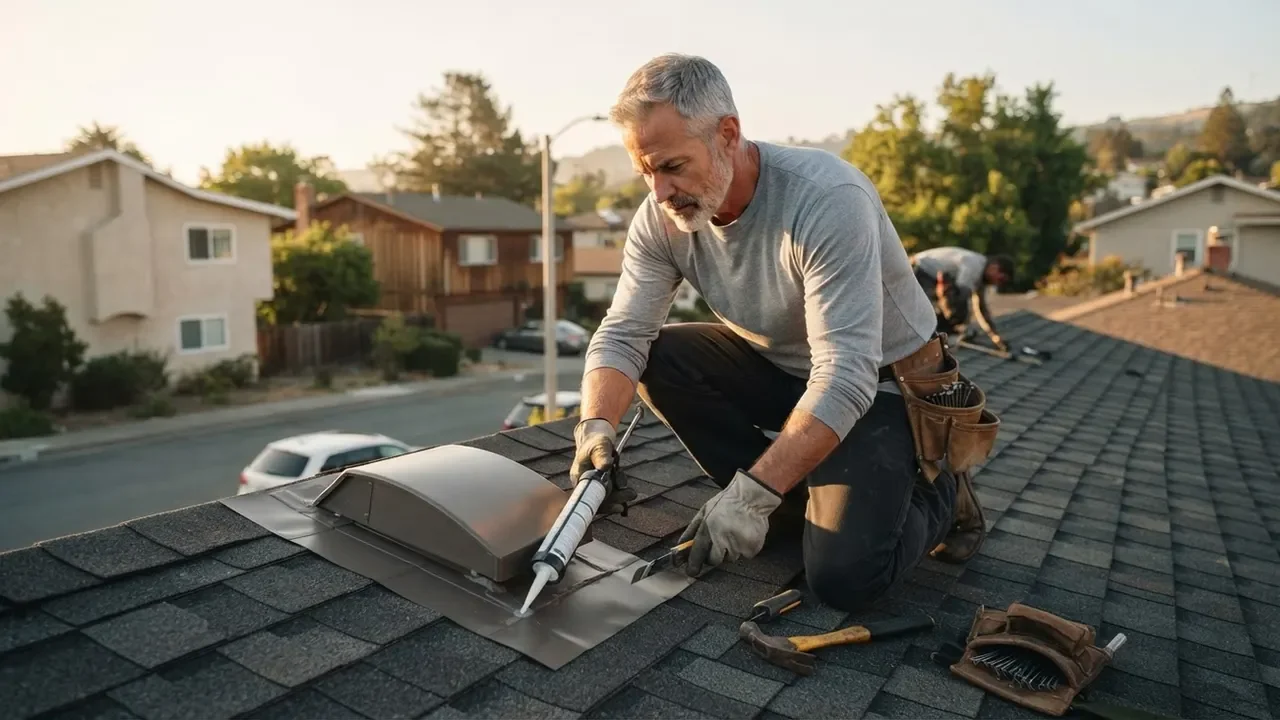
A localized roof repair addresses worn or damaged areas that do not require emergency dispatch. After we stop an urgent leak, we can repair adjacent shingles, flashing, or roof edges to reduce the chance of another failure during the next heavy rain.
View serviceWhen widespread deterioration makes repeated patches ineffective, roof replacement may be the practical next step. We can stabilize the immediate opening first, then assess the roof system and explain whether replacement is more sensible than continued emergency repairs.
View service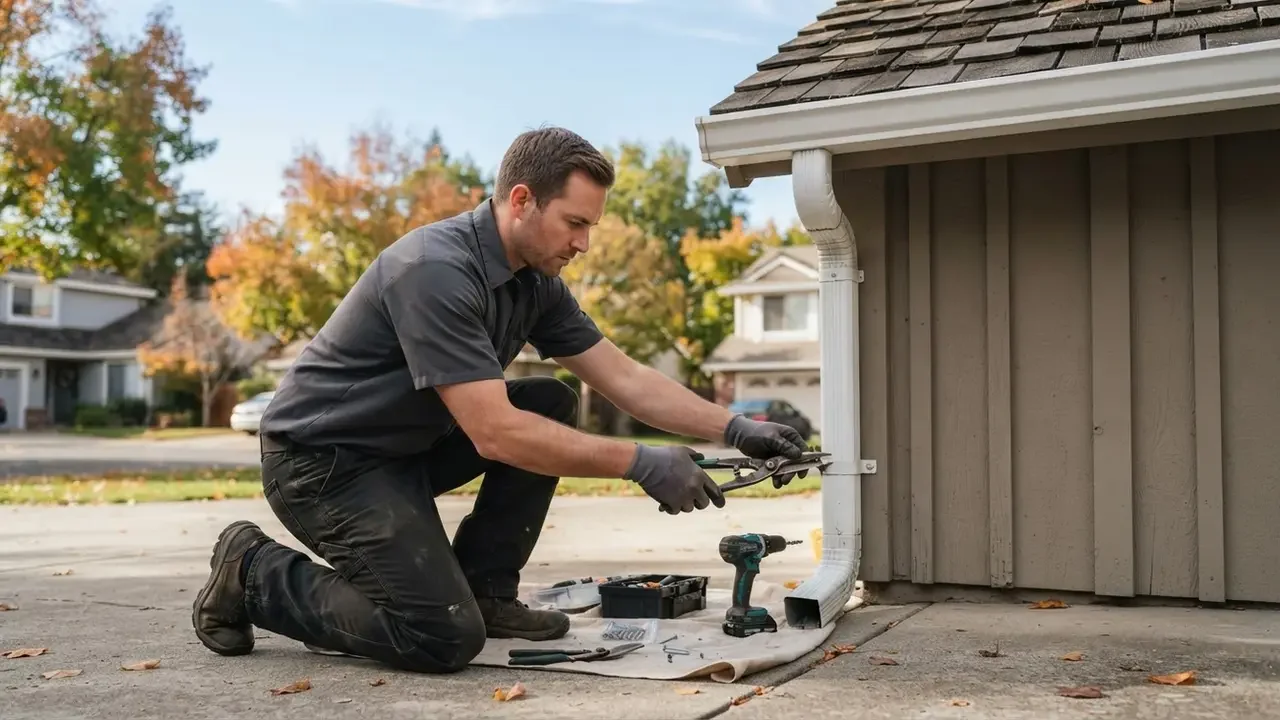
Roof leak repair focuses on tracing water from its entry point to the interior symptom. We inspect penetrations, valleys, and flashing, then correct the failed area. It is the natural follow-up when emergency work has controlled the immediate water intrusion.
View service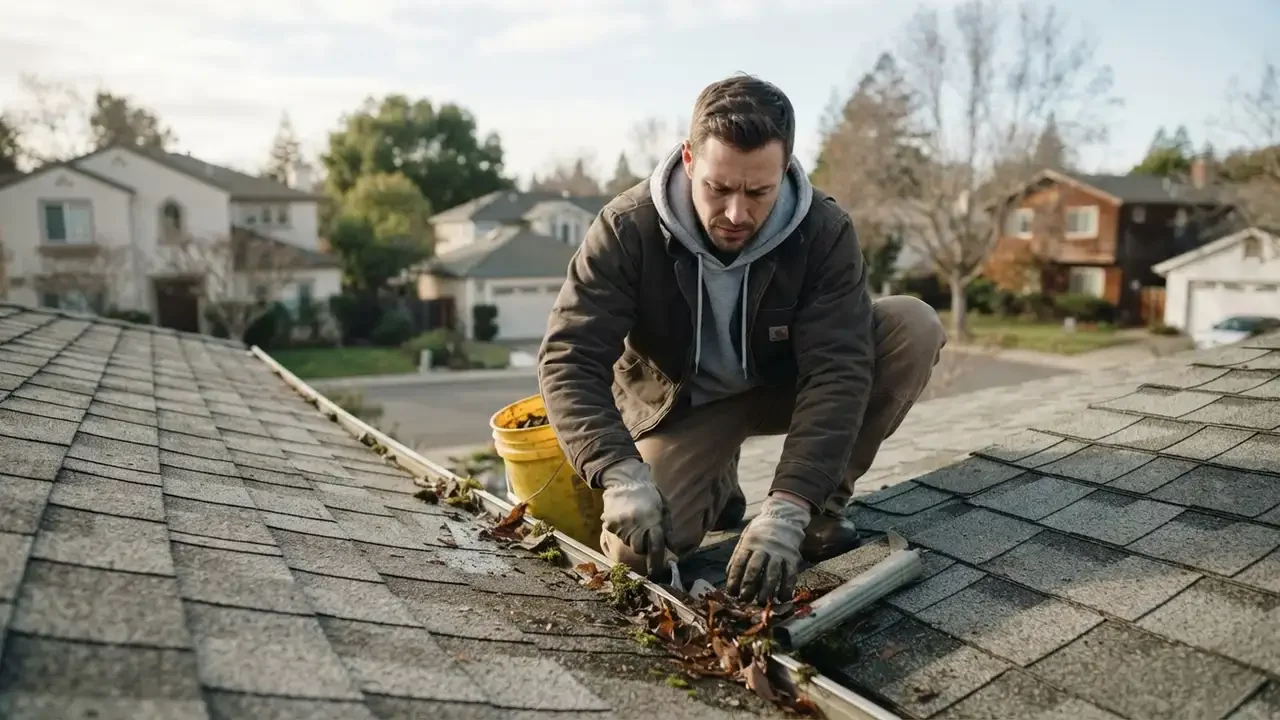
Residential roofing service covers repair needs on homes with shingle, metal, and other roof systems. After emergency stabilization, we check nearby roof details and help you plan repairs that protect ceilings, insulation, and the home's weather barrier.
View service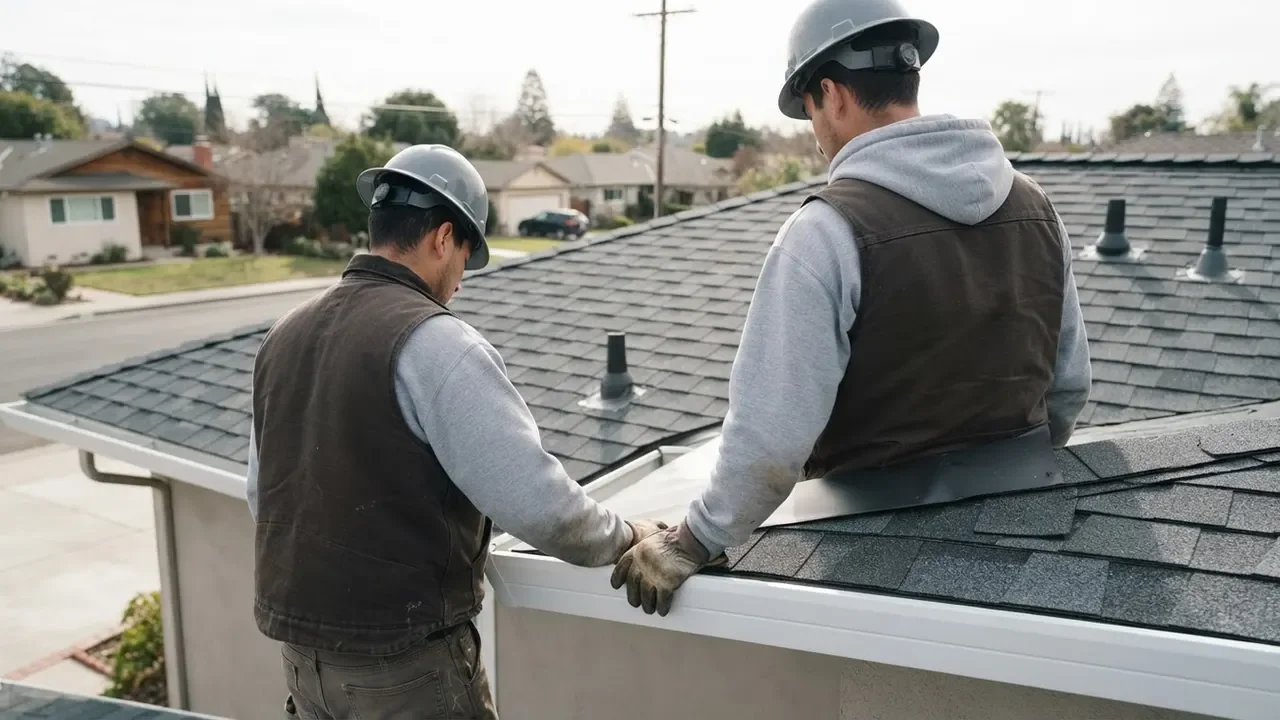
Call (877) 791-3217 to discuss a roof leak, storm damage, inspection, or replacement in Bay City. We connect you with independent roofing companies and help you get the conversation started. Calls are accepted around the clock for urgent roofing needs; tell us whether water is actively entering and where you see the damage.