Focused Arrival Windows
Useful updates and clear arrival timing.
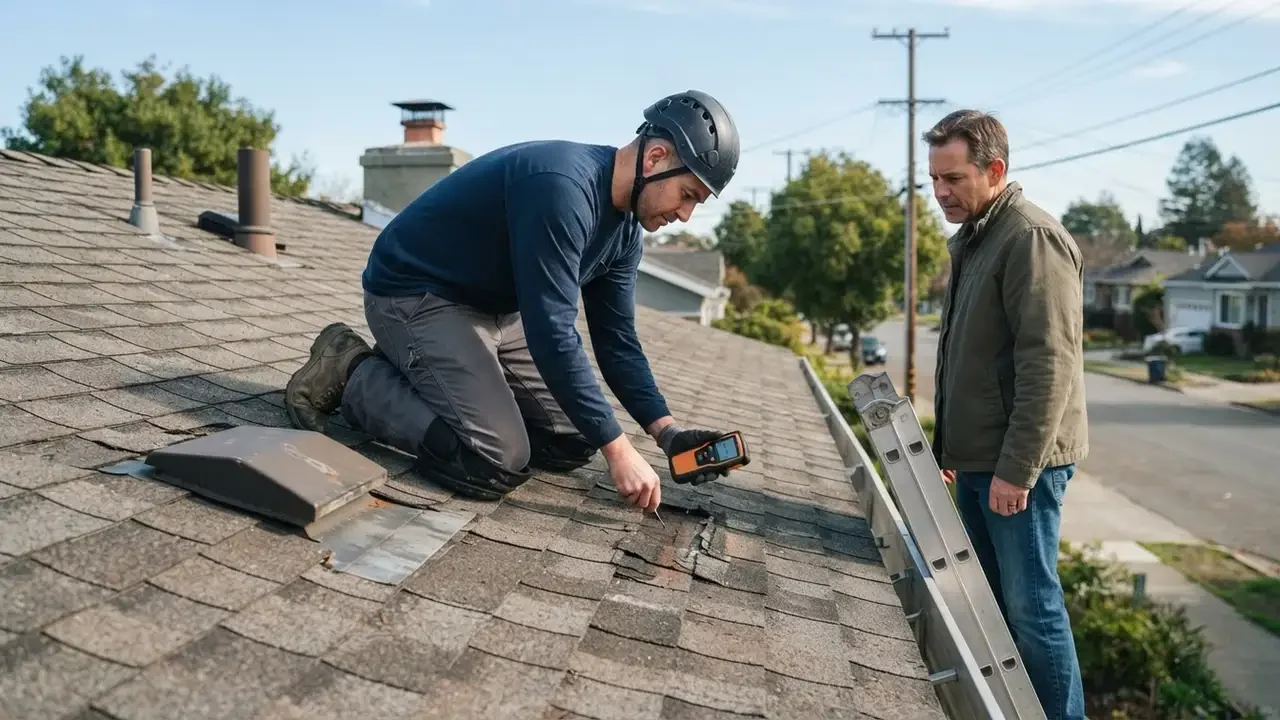
A roof inspection in Bay City, Texas gives homeowners, buyers, and property managers a clear account of roof condition before a small defect becomes interior damage. We check the roof surface, flashing, drainage, penetrations, and accessible attic areas, then explain what needs attention. If you have a roof leak, recently faced severe weather, or are buying a property, our roof check Bay City TX service helps you make the next decision with useful evidence.
Useful updates and clear arrival timing.
Review the approach and price before deciding.
Equipped vehicles and respectful cleanup.
Neighbors serving neighbors with follow-through.
Our standard roof inspection reviews accessible roof surfaces and visible components, including covering, edges, valleys, flashing, penetrations, drainage, and signs of moisture in accessible attic areas. We document notable findings and discuss practical next steps. Specialized testing, concealed assembly investigation, or repairs are separate work because they require additional access or materials; we explain that distinction directly if your findings call for it.
We examine visible roof covering for missing or displaced shingles, cracks, wear, seam concerns, and other surface defects. The inspection notes where each issue appears so you can distinguish a localized repair from a condition affecting a broader section.
We check accessible flashing around chimneys, skylights, vents, and roof-to-wall transitions. Gaps, lifting, or deteriorated sealant at these points can direct water beneath the roof covering, so we document visible concerns and their locations.
We review visible gutters, outlets, roof edges, and downspouts for blockage, separation, or overflow evidence. Good drainage helps move water away from the roof assembly, and defects at the edge can damage fascia or create recurring wet areas.
Where access permits, we look for attic staining, damp insulation, and visible signs of water entry. A moisture meter can help check a suspicious surface, while photos connect interior clues with roof observations.
We explain the observations, identify urgent concerns, and separate repair needs from routine monitoring. You can ask questions while reviewing the findings and decide whether to arrange a related repair or keep the report for planning.
Share what is happening and receive a clear next step from the local team.
Roof inspection in Bay City, Texas is a professional roof condition assessment that identifies visible defects, water-entry risks, and maintenance needs before they lead to larger repairs. We examine shingles or membrane seams, roof edges, valleys, vents, skylights, chimney flashing, and drainage paths. Where access and conditions allow, we check the attic for staining, damp insulation, or daylight at roof penetrations. We document findings with photos and distinguish active concerns from routine wear, so you can prioritize work rather than replace sound materials unnecessarily.
Bay City roofs face sun, wind-driven rain, humidity, and storm debris, which can loosen flashing, lift shingles, or block gutters. Our Bay City, Texas roof inspection company checks those vulnerable transitions and traces interior signs back toward likely entry points. If you are seeing a ceiling mark or musty attic odor, a roof leak inspection in Bay City, Texas can help identify the source before repeated rain spreads the damage. We also inspect after storms and before property sales.

We start by asking what you have noticed: a ceiling stain, missing shingles, storm impact, or a planned property purchase. You can point out where water appears inside and when it happens. This conversation usually takes 10 to 15 minutes and helps us focus attention without skipping a full roof review.
We assess roof height, pitch, surface condition, and weather before choosing an inspection route. Our team uses an extension ladder and safety harness where roof access is appropriate; unsafe surfaces are reviewed from safer vantage points. You will know which areas are accessible and whether conditions require a different inspection method.
We examine the roof covering, ridges, valleys, edges, penetrations, and drainage. On shingles, we note granule loss, curling, and displaced tabs; on low-slope roofs, we look for seam separation or ponding water. We check visible flashing and gutters, then photograph material defects and locations that need attention.
If access allows, we inspect the attic for staining, damp insulation, and ventilation concerns. A moisture meter helps check suspicious areas, while an infrared thermal camera can help locate temperature patterns associated with hidden moisture. These tools support visual findings; they do not replace opening concealed assemblies when that is needed.
We walk you through the photos and explain which issues need prompt repair, which can be monitored, and which are normal wear. You can ask questions before deciding on next steps. When repair is appropriate, we connect the finding to the relevant service and provide upfront pricing before work proceeds.
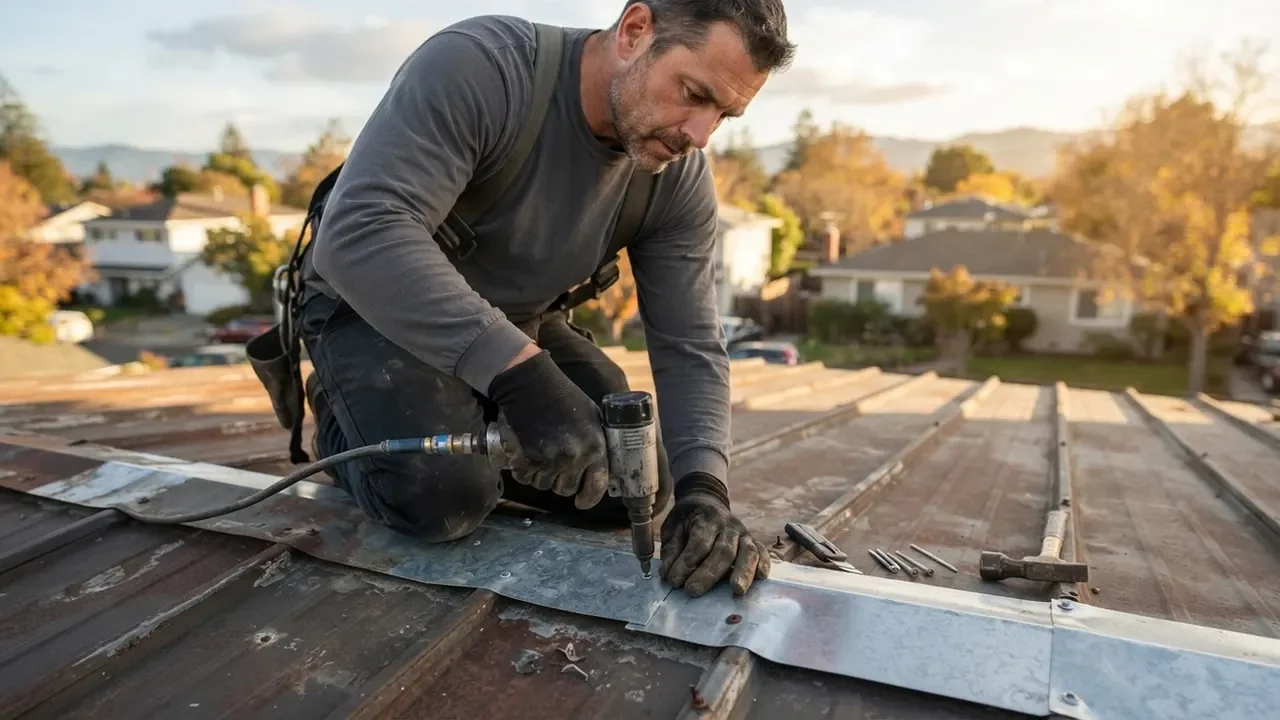
We use appropriate access equipment when roof conditions allow a safe approach. The inspection route accounts for height, pitch, surface condition, and weather rather than forcing access to an unsafe section.
A moisture meter helps check suspicious accessible surfaces for elevated moisture readings. We use it alongside visual clues and explain that a reading is one piece of evidence, not a stand-alone diagnosis.
Thermal imaging can help locate temperature patterns that warrant closer review around suspected moisture areas. We compare the image with visible roof and attic evidence before drawing conclusions.
These hand tools support limited, appropriate inspection tasks when access and material conditions allow. We do not cut or disturb roof layers without discussing the need for that additional investigation.
Where suitable, a leaf blower can clear loose surface debris from a small inspection area to reveal visible roof details. We avoid using it in ways that displace roofing materials or send debris into vulnerable locations.
We begin with visible roof conditions, then compare them with accessible interior signs such as staining or damp insulation. Matching the two helps narrow likely water paths around valleys, flashing, and penetrations. If the evidence does not align, we explain what further investigation would be needed.
We review the roof covering, edges, transitions, penetrations, and drainage as connected parts of one water-shedding system. This avoids overlooking a weak flashing joint simply because shingles look intact. Findings are tied to a location and a visible condition.
We use photographs to show notable defects and support the explanation of next steps. You can see the difference between a missing shingle, a questionable flashing detail, and ordinary surface wear. Photos also provide a useful baseline for future maintenance comparisons.
We adapt the review to the roof type. Shingles require attention to tabs, granules, and edges; low-slope systems need seam, penetration, and drainage checks. The method follows the components that actually control water movement on your roof.
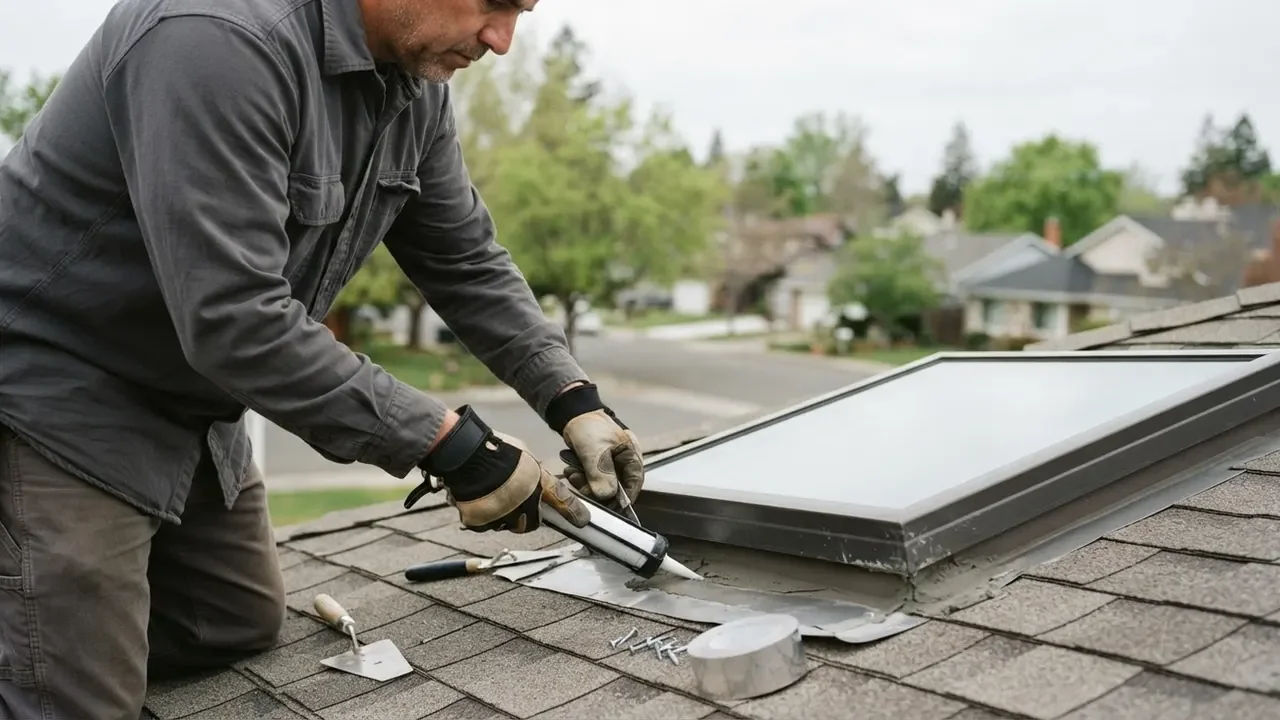
We inspect the roof above the affected room, then compare flashing, valleys, and penetrations with accessible attic evidence. We photograph likely entry points and explain whether the mark fits an active leak or an older moisture event. You get a focused explanation of the likely source and a practical repair path instead of guessing from the stain alone.
We review roof covering, edges, drainage, and accessible attic signs, then separate visible repair needs from routine wear. You can use the findings to discuss specific conditions with the seller or plan maintenance after purchase. The roof becomes a documented part of your property decision, with clear observations rather than a vague age-based judgment.
We check accessible drainage paths, membrane details, and nearby penetrations for blockage or damage. Our review documents visible ponding and identifies whether cleaning, repair, or closer investigation should come next. You know which roof area needs attention and can plan work before another rain tests the same drain.
We examine the roof surface, flashing, gutters, and accessible attic for developing concerns. Photos help you compare future conditions, while a direct review clarifies which maintenance items are worth addressing now. You start the wet season with a better understanding of the roof's visible condition and a prioritized list of next steps.
Bay City's weather puts roof edges, flashing, and drainage under repeated stress from sun, humidity, wind-driven rain, and seasonal storms. A roof inspection in Bay City, Texas checks these details alongside the roof covering, because a sound-looking surface can still have a vulnerable chimney joint or blocked outlet. In November, we focus on visible wear and drainage before winter rain, then recommend post-storm checks when wind or hail leaves debris or displaced material. Many homes use asphalt shingles, while commercial buildings may have low-slope membrane roofs; each needs a different inspection route. Our team checks accessible areas, records visible concerns, and explains whether a repair or continued monitoring makes sense. If you are looking for a roof inspection near me in Bay City, Texas after a leak, describe where water appears and how weather affects it. That helps us compare interior clues with roof transitions and drainage. We work across Downtown Bay City, the Waterfront District, and surrounding neighborhoods, adjusting access and review to the building rather than assuming every roof is built the same way. We follow applicable manufacturer instructions and safe work practices during the inspection.
Older buildings and varied roof additions can create several flashing transitions. We pay close attention to roof-to-wall joints, drainage routes, and visible signs where additions meet the original structure.
Wind exposure and rain can test roof edges and penetrations. We inspect accessible flashing and look for displaced materials or water paths around roof features.
Homes with aging roof coverings may show layered repairs and different material conditions. We document what is visible and distinguish current defects from older wear.
Commercial and low-slope roofs need close attention to drains, seams, and penetrations. We note ponding areas and visible membrane concerns that could merit follow-up.
Rain pushed beneath roof edges or around flashing can leave interior marks well away from the entry point. We compare visible exterior details with accessible attic evidence to narrow the likely path.
Moisture trapped in roof layers or insulation can remain after the ceiling surface appears dry. We check accessible areas for staining and dampness and explain when additional investigation is needed.
Leaves and loose debris can slow runoff and leave water near roof edges or drains. We note visible blockages and overflow signs because correcting drainage can be as important as repairing a damaged roof surface.
A homeowner in Downtown Bay City noticed a ceiling mark that returned after heavy rain. From the ground, the shingles looked intact, and the location of the stain gave no clear clue about the entry point. The owner had already repainted once, but the mark reappeared.
We checked the roof valley, nearby flashing, and accessible attic area, then photographed a separated flashing detail associated with the moisture trail. The findings identified a focused repair location rather than a broad replacement concern. The homeowner had a clear next step tied to visible evidence.
Maintenance: After repair, check the ceiling and attic after the next substantial rain. Keep gutters clear and arrange another inspection if staining returns or spreads.
After strong wind, a Bay City homeowner saw roofing material in the yard but could not tell whether the roof had openings. Several shingle edges looked uneven from the driveway, and the next rain was approaching.
The inspection documented missing and lifted shingles across two visible areas, plus intact material nearby. We showed the exposed locations in photos and discussed prompt repair to protect the underlayment. The homeowner knew which sections needed attention rather than treating the whole roof as failed.
Maintenance: Check the roof from the ground after severe weather, but do not climb onto a wet or damaged surface. Call for a follow-up if more shingles shift or interior water appears.
A property manager in the Harbor District saw water remaining around a low-slope roof drain. The roof had no active interior leak, but debris and an unclear drainage path raised concern before another storm.
We reviewed the accessible drain area, nearby membrane seams, and penetrations, then documented the visible ponding and debris. The manager received a clear maintenance priority and knew which membrane details should be watched after drainage was restored.
Maintenance: Keep roof drains and outlets clear, and inspect the area after heavy rain. Track whether water remains and arrange a review if ponding persists or a seam changes.
A roof inspection helps you act on visible warning signs before they turn into damaged decking, insulation, or interior finishes. We check the roof and accessible evidence inside, then explain what the condition means for your property. If a leak is active, tell us where water appears and when it started.
Repeated moisture can stain finishes, damage insulation, and conceal deteriorating roof decking. The visible mark may sit away from the actual entry point. We compare the stain location with roof valleys, flashing, penetrations, and accessible attic evidence. Our team photographs likely defects and explains whether a focused roof leak repair or further investigation is the sensible next step. Finding a source matters more than repeatedly covering the interior mark.
Exposed underlayment and loosened shingle edges leave the roof more vulnerable to the next rain. Small openings can spread when wind catches nearby material. We inspect the affected slope and nearby edges for missing shingles, displaced flashing, and other visible storm damage. You receive a clear account of what is exposed and what can remain. If immediate protection or repair is needed, we discuss the appropriate response for the conditions.
Without a condition review, buyers may overlook existing leaks or assume routine wear requires a full replacement. Either mistake can disrupt planning and budgeting. A pre-purchase inspection reviews visible roof materials, drainage, flashing, and accessible attic signs. We identify repair concerns separately from ordinary aging and share the findings in practical terms, helping you ask focused questions before finalizing a property decision.
Persistent ponding can stress seams and expose weak transitions to prolonged moisture. A blocked drain can also increase the chance of interior leakage. We inspect visible membrane seams, drains, penetrations, and areas where water appears to remain. Photos and notes show the location of the concern, and we explain whether drainage maintenance or flat-roof repair is the appropriate next step.
Our inspection work covers residential shingles, metal roofing, and low-slope commercial systems, with attention to the points where water commonly enters. We evaluate roof covering and the details around vents, skylights, chimneys, valleys, and drainage rather than judging a roof by its surface alone. We use safe access practices and explain observations in terms you can act on. Our team follows manufacturer guidance for roofing materials and applies jobsite safety practices appropriate to the roof and conditions. When a repair is needed, we match the recommendation to the observed defect and the roof assembly.
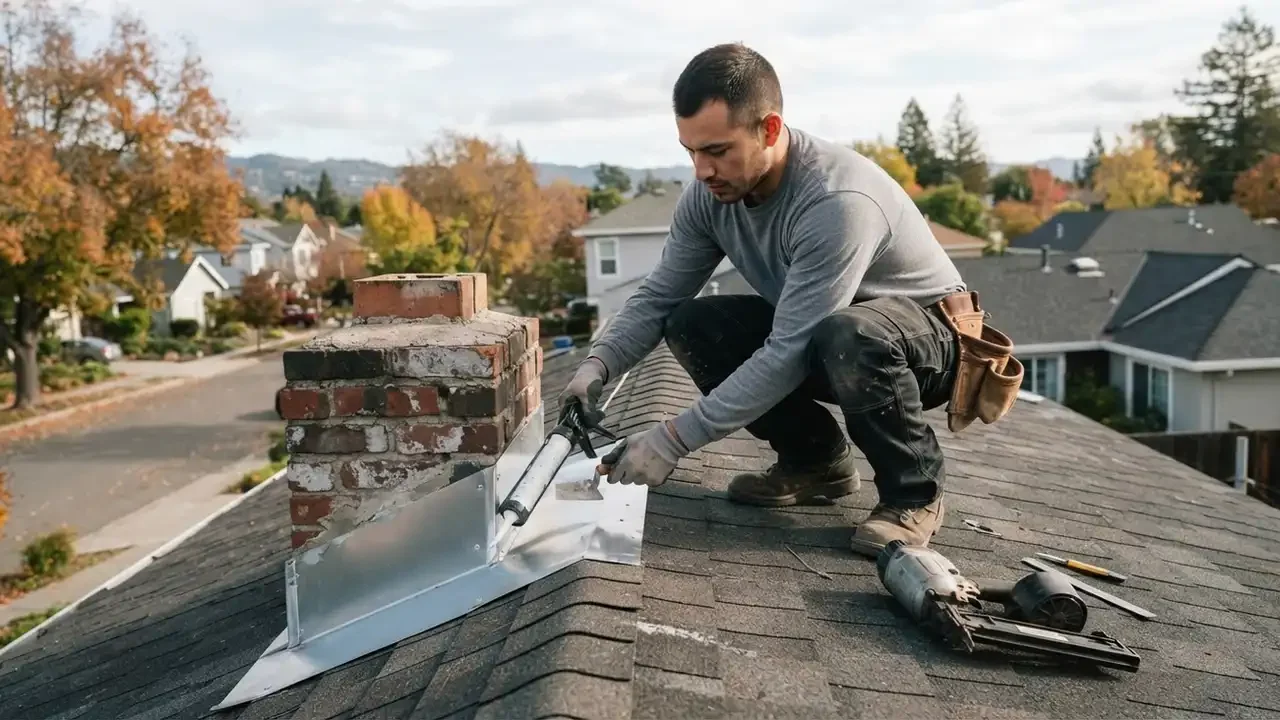
We noticed a brown mark after a night of heavy rain and could not tell whether it came from the roof or the skylight. The inspection included photos of the flashing and the nearby shingles, and the explanation was easy to follow. We knew which area needed attention and what to watch during the next rain.
I wanted a clearer picture of the roof before closing. The crew checked the shingles, roof edges, attic access, and the chimney flashing, then showed me the findings rather than just giving a general opinion. It helped me understand the maintenance items separately from the repair concern.
After wind moved debris across a low-slope roof, we booked an inspection to check the seams and drains. The team documented the areas they reviewed and explained where standing water had been a concern. We had a useful record for planning maintenance instead of waiting for another leak.
A standard residential inspection often costs $150 to $450 in 2026, depending on roof size, pitch, access, and documentation requested. Larger or complex commercial roofs can cost more because they take longer to access and review. We explain the price before work proceeds. A roof inspection cost in Bay City TX is based on the inspection work, not on whether you choose a repair afterward.
Schedule a roof inspection at least once a year and after significant wind, hail, or heavy storms. Annual checks help catch loose flashing, clogged drainage, and early shingle wear before another season of rain. You should also arrange an inspection before buying a property or after noticing a ceiling stain. Older roofs and roofs with repeated leaks deserve closer attention based on their observed condition.
A roof inspector checks the covering, flashing, valleys, roof edges, drainage, penetrations, and accessible attic for visible damage or moisture signs. We look for missing shingles, granule loss, seam concerns, clogged gutters, and signs of a roof leak. The specific checklist depends on material and access. Photos and a direct explanation help you understand which findings need repair and which are routine maintenance.
Yes, an inspection can identify visible leak evidence and trace likely entry points, though concealed damage may require opening materials to confirm. We compare roof defects with interior staining, attic moisture, and flashing conditions. If you search for roof inspection near me in Bay City, Texas because a stain appeared after rain, tell us where and when it shows; that detail helps focus the inspection.
Not seeing your question? Our local team can help you understand urgency, scheduling and what to expect.
Ask the local team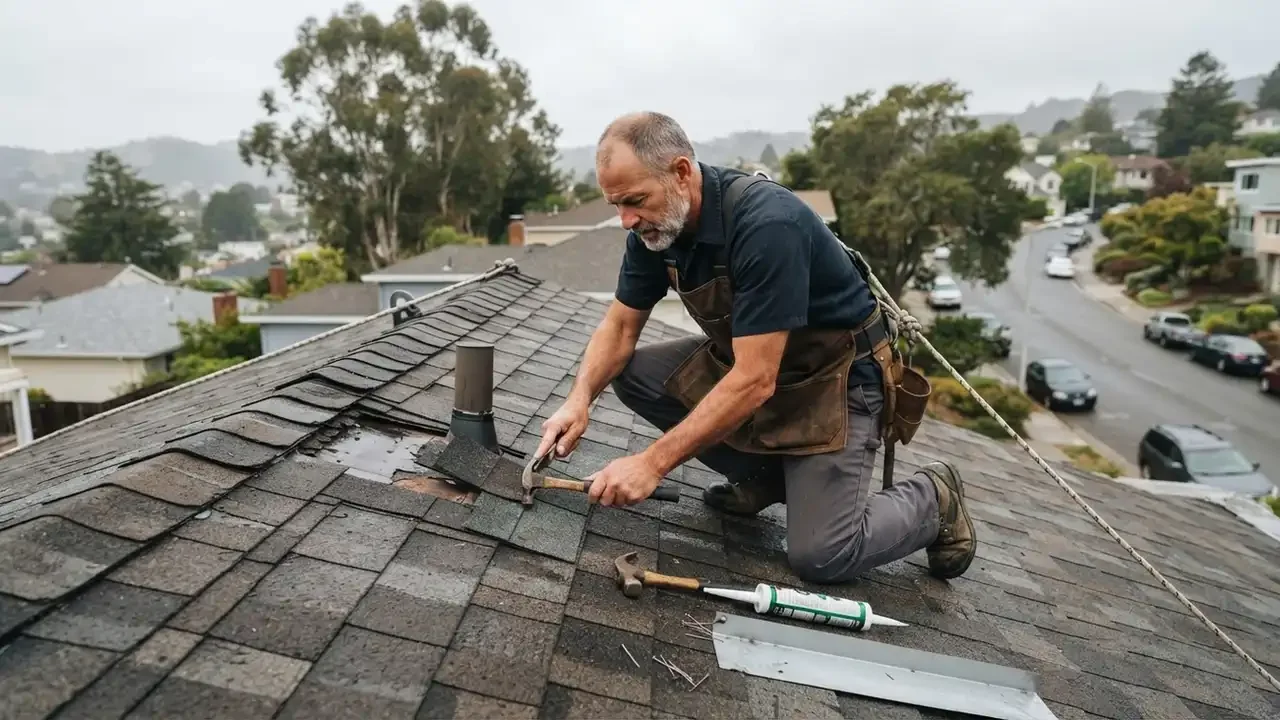
When an inspection finds loose shingles, damaged edges, or failed flashing, roof repair addresses the specific defect. We explain which section needs work and check surrounding materials so a small repair does not leave an obvious nearby entry point untreated.
View service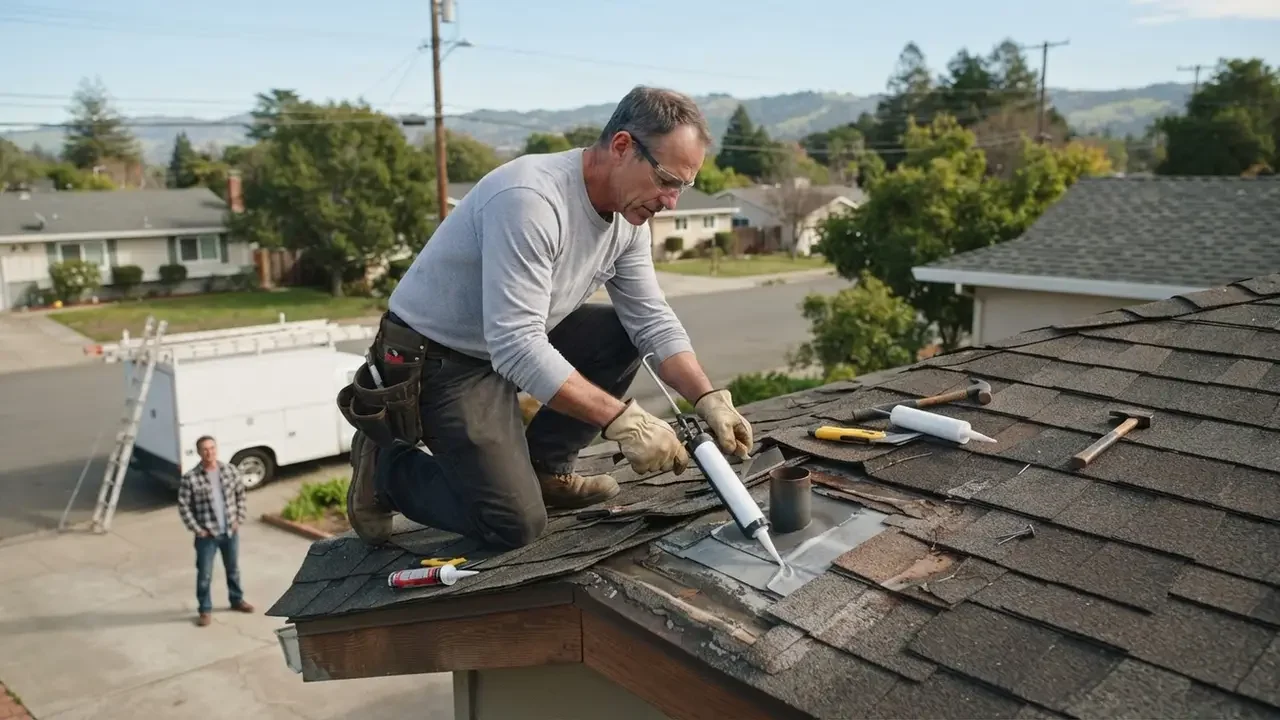
An inspection helps determine whether widespread wear or repeated failures justify replacement rather than another isolated repair. We review the roof covering and supporting details, then explain the condition evidence that informs your decision.
View service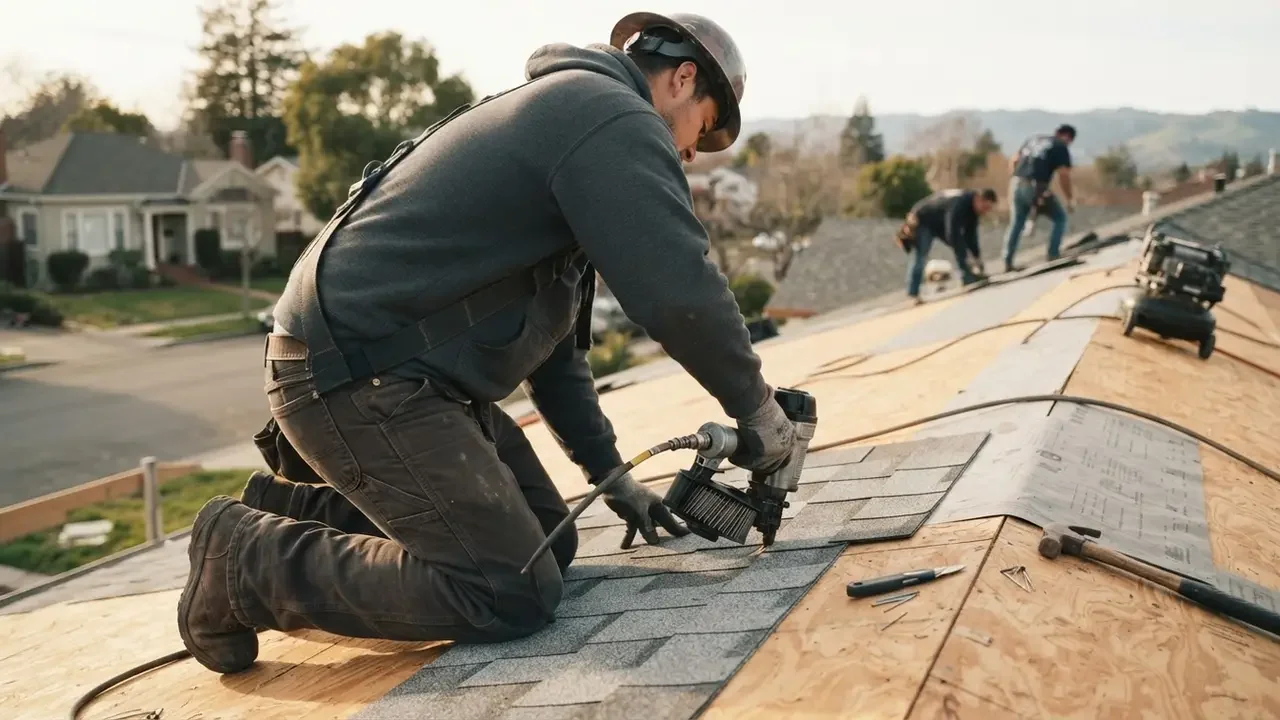
A roof inspection helps trace a leak from interior staining to likely exterior entry points. Once we identify a failed seal, flashing issue, or damaged covering, leak repair focuses on stopping water at its source and checking the surrounding area.
View serviceAfter a storm opens the roof, inspection helps identify exposed areas and prioritize immediate protection. We assess visible damage and determine what needs prompt stabilization before permanent repair can be planned.
View service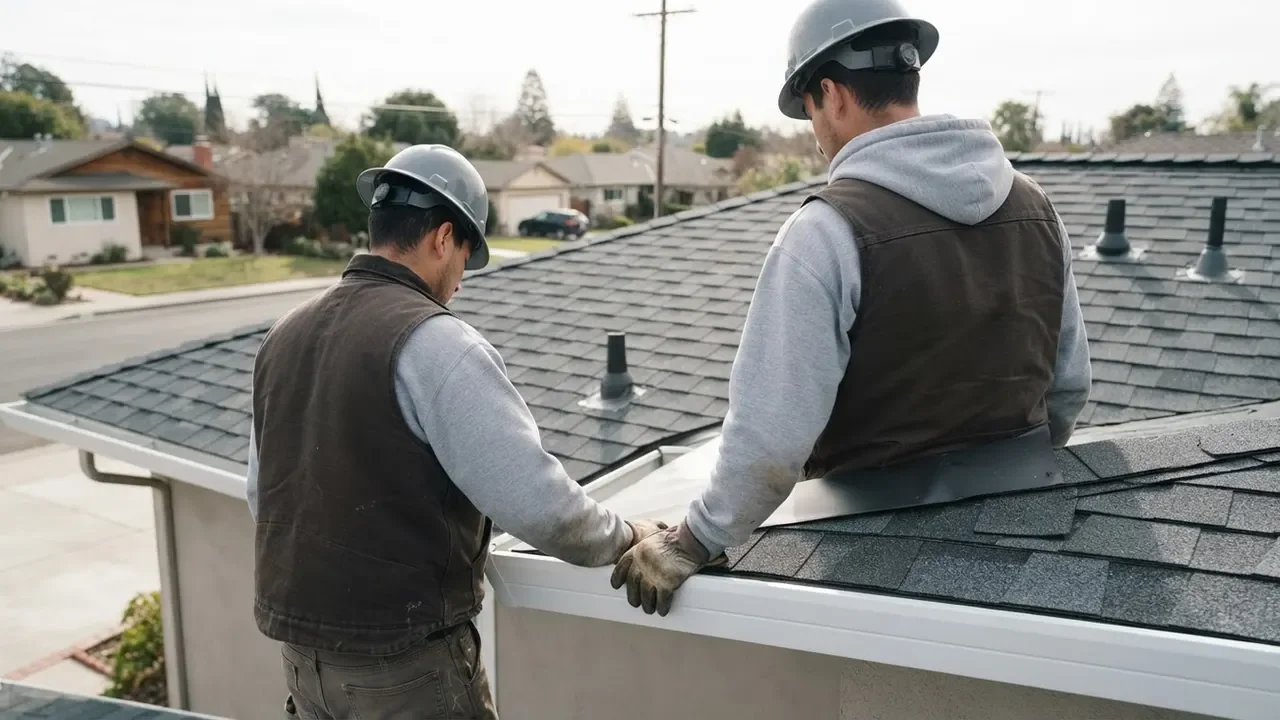
Call (877) 791-3217 to discuss a roof leak, storm damage, inspection, or replacement in Bay City. We connect you with independent roofing companies and help you get the conversation started. Calls are accepted around the clock for urgent roofing needs; tell us whether water is actively entering and where you see the damage.