Focused Arrival Windows
Useful updates and clear arrival timing.
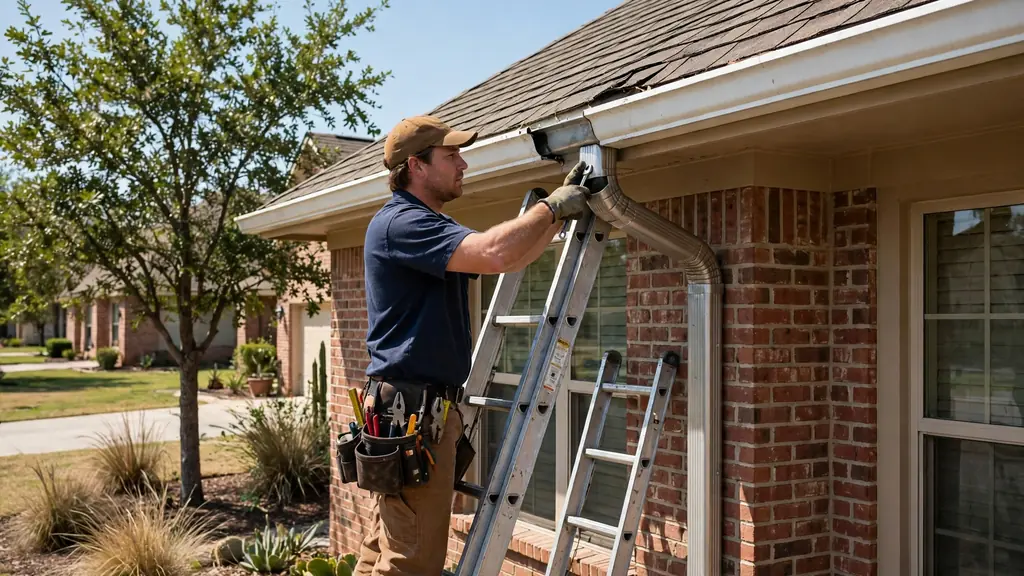
Downspout repair in Bay City, Texas restores a secure route for rainwater from your gutters to a safe discharge point. If your downspout leaks at a seam, pulls loose, or dumps water beside your foundation, our team finds the cause and makes a targeted repair. We also provide downspout fixing Bay City TX homeowners can use to address storm damage, loose straps, clogged elbows, and worn connections before water reaches siding or soil.
Useful updates and clear arrival timing.
Review the approach and price before deciding.
Equipped vehicles and respectful cleanup.
Neighbors serving neighbors with follow-through.
Our service covers inspection and repair of accessible downspout joints, elbows, fasteners, short damaged sections, and discharge connections. We check water movement and visible conditions near the work area so the fix addresses the cause of leakage or poor flow. If the gutter, fascia, roof edge, or a long portion of pipe also needs work, we explain the related repair before proceeding. You receive upfront pricing for the agreed job.
We inspect leaking seams and connectors, remove loose or failed material when needed, and reseat or seal compatible joints. The repair is followed by a water test to check for drips. If the fitting is cracked or too distorted to hold, we recommend replacing that specific part.
We check wall straps and their fasteners for movement, damage, or poor alignment. Stable sections are secured so the pipe sits properly against the exterior wall. If the mounting surface is damaged, we point out the issue and explain what is needed to hold the downspout safely.
We inspect accessible outlets and elbows for leaf buildup, granules, and other obstructions. After clearing the restriction, we run water through the line and watch for backup at each connection. This identifies a hidden leak that could otherwise remain after cleaning.
A crushed, split, or badly corroded section can be removed and replaced with a compatible fitting or pipe segment. We align the connection with the existing run and confirm that the repair drains. Full-run replacement is discussed only when damage extends beyond a practical spot repair.
We check where water exits and whether it is soaking soil beside the foundation or crossing a walkway. Where the existing extension or connection can be corrected, we adjust the discharge route and test it. This service addresses the drainage direction without promising grading or underground drainage work.
Share what is happening and receive a clear next step from the local team.
Downspout repair in Bay City, Texas is exterior drainage work that restores damaged joints, fasteners, elbows, or sections so roof runoff travels away from walls and foundations. We inspect the full route from the gutter outlet to the discharge point, then correct the actual failure instead of sealing over symptoms. A repair can include reseating a connector, replacing a crushed section, securing loose straps, or adjusting an extension. We check water flow after the work, because a watertight joint is not enough if the line still backs up or spills beside the house.
Bay City homes face driving rain, gusty storms, humid conditions, and leaf buildup that can strain gutters and downspouts. A clogged outlet can force water through a seam, while loose hardware lets a full section swing against siding. Our Bay City, Texas downspout repair service checks for both drainage faults and related roof leak or fascia rot signs. If you are searching for downspout drainage repair Bay City TX, we trace the route and explain the repair that will protect your home.
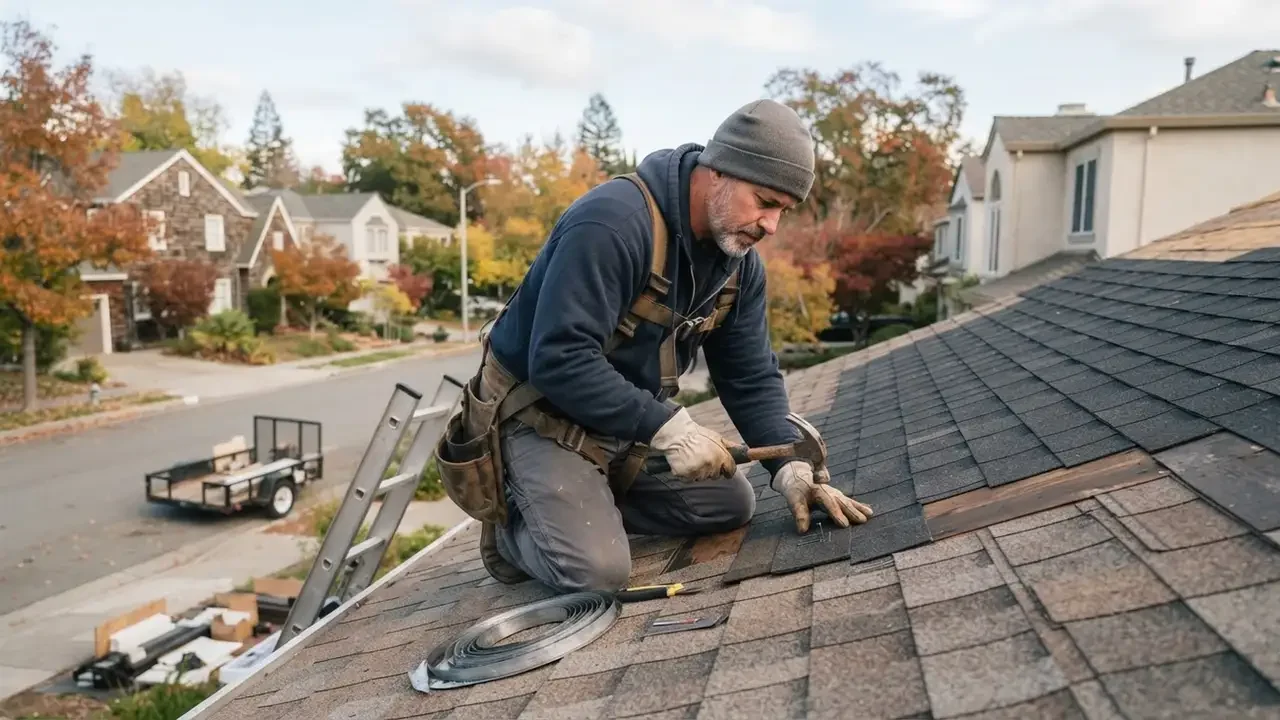
We check the gutter outlet, downspout seams, elbows, straps, lower discharge, and nearby siding or soil. Most visual inspections take about 15 to 30 minutes, depending on access and the number of affected sections. Tell us where you see dripping or pooling; that helps us reproduce the problem safely.
We trace water from the top of the line down, looking for a clog, split seam, loose connection, impact damage, or poor discharge direction. A leaf blower can clear dry debris, while a controlled water test reveals leaks that are hard to spot from the ground. We distinguish a pipe fault from a gutter or roof-edge issue.
We show you the damaged part and describe whether it needs resealing, reattachment, clearing, or replacement. Before work starts, we give you the price for the agreed repair. If the downspout is sound but the gutter outlet or fascia is failing, we explain that connection so you know what the repair will address.
Our crew removes damaged fittings as needed, aligns the replacement section, secures straps, and applies compatible roof sealant where a joint calls for it. A straightforward repair often takes one to three hours; access height, multiple failures, or concealed damage can extend the visit. We use an extension ladder and safety harness for elevated work.
We run water through the repaired assembly and check each connection for drips, backup, and movement. You can see where the water exits and confirm that it clears the wall. We also share simple upkeep guidance, such as clearing leaves twice a year and checking the line after a strong storm.
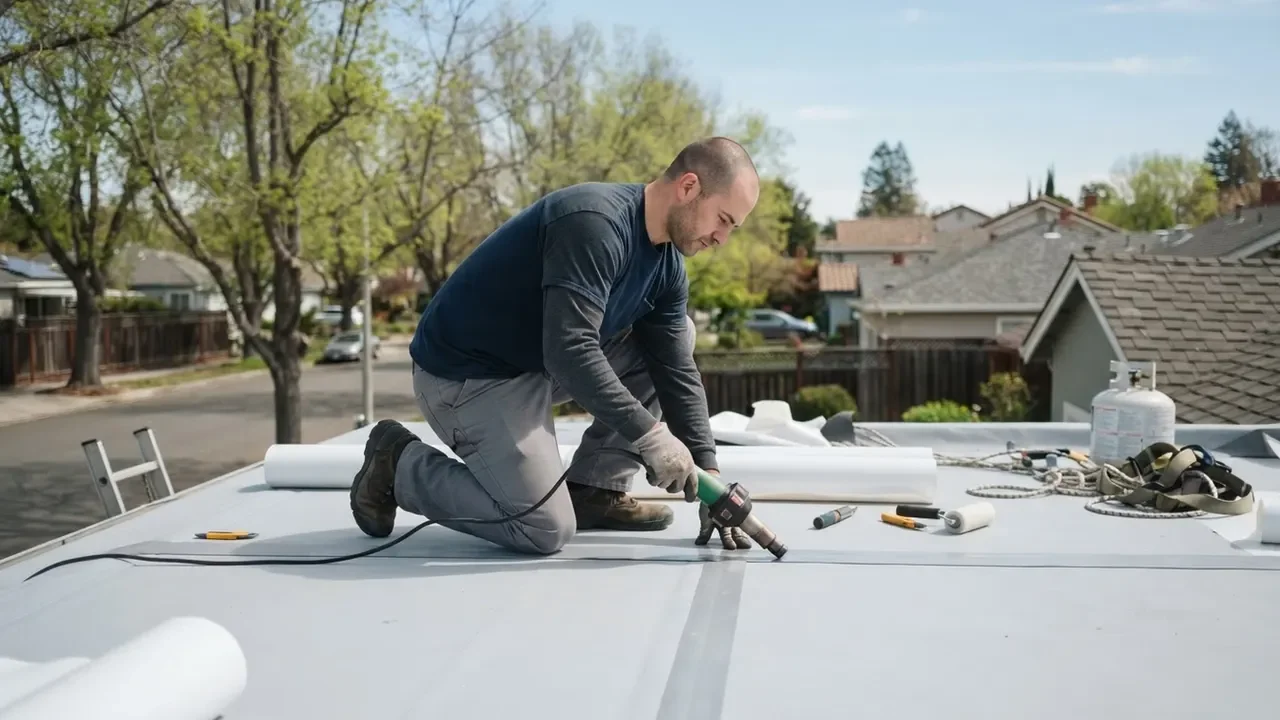
We use an extension ladder to reach elevated gutter outlets and downspout joints. The setup is matched to the work location, and our crew uses a safety harness when required for elevated access.
A safety harness supports fall protection during work at height. We use it with appropriate access procedures when inspecting or repairing elevated sections, keeping the focus on controlled, secure work.
A caulking gun applies compatible roof sealant neatly at repairable joints where sealing is appropriate. We prepare the connection first, then test the repaired seam with water rather than assuming the bead solved the leak.
A leaf blower helps clear dry debris from accessible gutter and downspout areas. We still inspect elbows and outlets afterward, since clearing the visible leaves does not confirm that a seam is watertight or an internal obstruction is gone.
We use a moisture meter to check suspicious damp areas near siding, fascia, or trim. Readings help us assess whether water has affected nearby material and whether the visible downspout leak may have been present for some time.
We begin at the gutter outlet and follow the water path down through each joint, elbow, strap, and discharge point. This identifies whether the fault is a clog, loose connection, split section, or poor exit direction. We repair the cause and confirm the path with a controlled water test.
When one elbow or short pipe section is cracked or crushed, we remove the failed fitting and install a compatible replacement. We align the connection to limit strain on adjacent joints, secure the run, and test for leaks. This approach preserves sound portions of the assembly.
After repair or cleaning, we run water through the assembly and observe the joints, outlet, and discharge. We look for dripping, backup, overflow, and movement under flow. The test gives you a visible check that the repaired route is working before our crew leaves.
If water appears to come from the downspout but the pipe is dry, we inspect the gutter outlet and nearby roof edge for another source. We look for roof flashing issues and overflow patterns that can imitate a pipe leak. That check prevents a repair from being aimed at the wrong component.
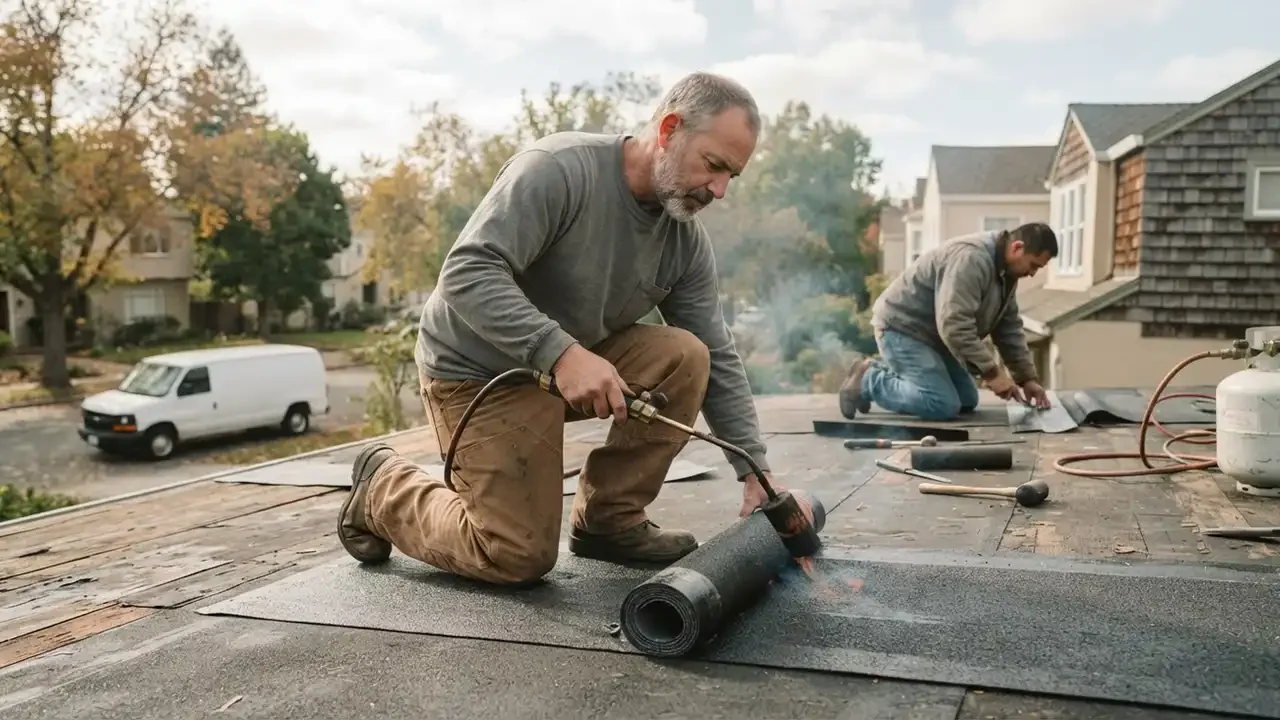
We inspect the full vertical run for pulled straps, separated elbows, and impact damage. The crew secures the stable sections, replaces damaged fittings, and checks the gutter outlet above. If the line is unsafe or obstructs a walkway, we address that condition before testing the drainage route. The pipe sits securely against the wall, and runoff travels through the repaired route instead of spilling behind the assembly.
We check whether the outlet is blocked, the gutter connection is loose, or the downspout has a restricted elbow. After clearing or repairing the failed point, we run water through the line and watch the outlet. This separates an overflow problem from a cracked pipe. You know which component caused the overflow, and the repaired route is tested for continuous flow.
We trace the stain upward, inspect seams and fasteners, and look for water paths from the gutter or roof edge. We repair the confirmed leak and check the surrounding area for dampness. If roof flashing failure is the actual source, we explain that distinction and address the correct component. The repair targets the entry point instead of covering the stain, reducing the chance of repeated wetting in the same area.
We reconnect or replace the damaged lower fitting, clear any obstruction, and position the discharge away from the wall and walking route where the site allows. We test the path with water and check that the extension remains stable. The work focuses on the visible drainage assembly. Runoff exits through a connected route, helping keep the entrance clear of direct discharge and reducing pooling beside the building.
Bay City's humid weather, wind-driven rain, and sudden heavy showers put repeated demand on gutter outlets and vertical drains. A small opening can release a noticeable stream when roof runoff arrives quickly, while leaves and granules collect in elbows between cleanings. We check how water leaves the roof, whether the downspout is secured to the wall, and where the lower end discharges. In older properties around Old Town Bay City, we also look for worn fasteners and previous patchwork that may be hiding a loose joint. Waterfront District and Bayfront buildings can face gusts that tug at long exposed runs, so strap condition matters as much as the seam. Our Bay City, Texas downspout repair service includes a flow test and a check for visible moisture near the work area. If you need downspout extension repair Bay City TX, we inspect whether the extension is connected, clear, and directed away from the wall. We follow applicable safety requirements for elevated work and explain any roof-edge or fascia issue we find.
Close-set buildings and busy entrances make discharge direction important. We check that a repaired extension does not release water across a doorway or walk path.
Exposed runs can take the force of gusty weather. We pay close attention to loose straps, shifting joints, and water that may be driven behind the pipe.
Older exterior assemblies can include worn fasteners and patched connections. We inspect adjacent joints before replacing one section so the repair does not leave another weak point.
Where runoff repeatedly pools beside a home, we check the lower elbow and discharge direction as well as the upper gutter outlet.
A loose strap lets the pipe move, which can widen a joint gap or pull an elbow out of alignment. We check fastening points along the affected section, not only the place where water is dripping.
A partial blockage slows drainage and raises water at connections that normally stay dry. We clear the route and inspect for splits or failed seams that may have developed under repeated backup.
A weak outlet or restricted downspout can overflow when roof runoff increases. We test the full line and check whether the existing discharge route carries water away without spilling against the building.
A cracked elbow leaked at the corner of a Bay City home, leaving a dark stain on the siding and a wet patch near the foundation. The pipe also shifted when touched because its nearby strap had loosened. Water escaped at the joint before reaching the lower discharge point.
We replaced the damaged elbow, secured the loose strap, and ran water through the assembly. The repair took about two hours, and the test showed no dripping at the joint. Water reached the existing discharge point instead of running down the siding.
Maintenance: Check the elbow and strap after strong wind, and look for fresh staining after the next heavy rain. Clear leaves from the gutter outlet at least twice a year so water does not back up against the repaired connection.
A downspout overflowed during rain at a Bayview property. Leaves and roof granules had packed into the lower elbow, while water forced its way through a weak seam. The homeowner saw pooling beside the wall and could not tell whether the gutter or pipe was causing it.
We cleared the obstruction, repaired the leaking seam, and tested the full route with running water. Flow reached the outlet without backing up, and the repaired joint stayed dry during the test. The crew completed the work in about 90 minutes.
Maintenance: Remove visible leaves from the gutter each spring and fall, then recheck after a major storm. If overflow returns while the route looks clear, have the outlet and elbows inspected for hidden debris or a damaged fitting.
A gusty storm pulled a long downspout section away from a building in Harbor District. Two straps had loosened, and the pipe knocked against the wall while water escaped at a joint. The lower section also pointed toward a walkway.
We replaced a damaged connector, reset the run against the wall, and secured the loose support points. The repair took roughly three hours, including a flow test and discharge check. Water now exits through the connected line rather than spilling across the walkway.
Maintenance: Look for movement, rattling, or a visible gap between the pipe and wall after windy weather. Keep the lower outlet clear and check that the extension remains connected so runoff does not return to the walkway.
A visible drip is only one sign of a drainage failure. Bay City homeowners also call when water pools by a wall, a pipe knocks in the wind, or overflow appears at the gutter outlet. Our inspection follows the full route so the repair matches the symptom and prevents the same leak from returning.
Repeated runoff can stain siding, saturate soil beside the wall, and leave moisture around nearby trim. A small gap can widen as a loose pipe moves. We locate the failed connection, check nearby straps and fittings, and determine whether the joint can be reset or needs replacement. Our crew secures the section and tests it with water. If signs point to fascia rot or a gutter outlet problem above the seam, we show you the related source instead of masking the leak.
Restricted flow sends water over the gutter edge or through weak joints. Soil can erode, and repeated splashback may leave exterior surfaces damp. We clear the obstruction and inspect the outlet, elbows, and lower section for damage caused by pressure or debris. After cleaning, we run water through the assembly and confirm it reaches the discharge point. If the elbow is cracked or deformed, we replace the affected fitting rather than relying on another cleanout.
A swinging pipe can separate at multiple joints, scrape siding, or fall and create a hazard near a doorway or walkway. We assess the loose run, identify damaged straps and connectors, and secure serviceable sections with the right alignment. If a section has bent or split, we replace it before fastening the assembly back in place. We finish by checking movement and water flow so the repaired line is stable and functional.
Water can pool where people walk or repeatedly soak the same area beside the home. That creates a slipping concern and encourages soil washout. We inspect the extension and lower connection, then adjust or repair the route so water exits away from the wall and clear of the walkway. We test the discharge with running water and check that the extension remains connected. If the site needs grading or underground drainage work, we identify that as a separate requirement.
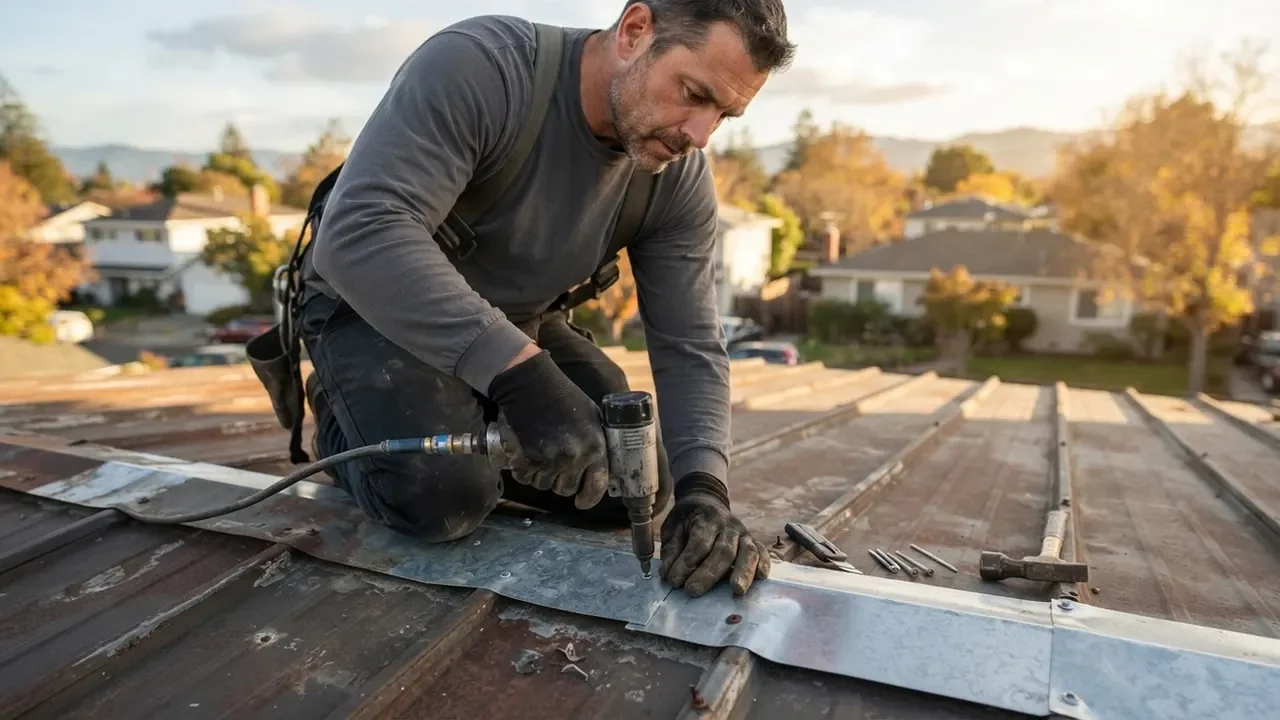
Downspouts sit at the edge of the roofing system, so a good repair takes more than patching a visible hole. Our team connects gutter performance with roof runoff, flashing, fascia, and the condition of the wall below. We work on residential and commercial drainage assemblies and match repair methods to the material and failure point. For roof-edge work, we use fall protection and inspect surrounding components rather than treating every leak as a pipe problem. We explain the findings in plain language and test the repair before leaving.
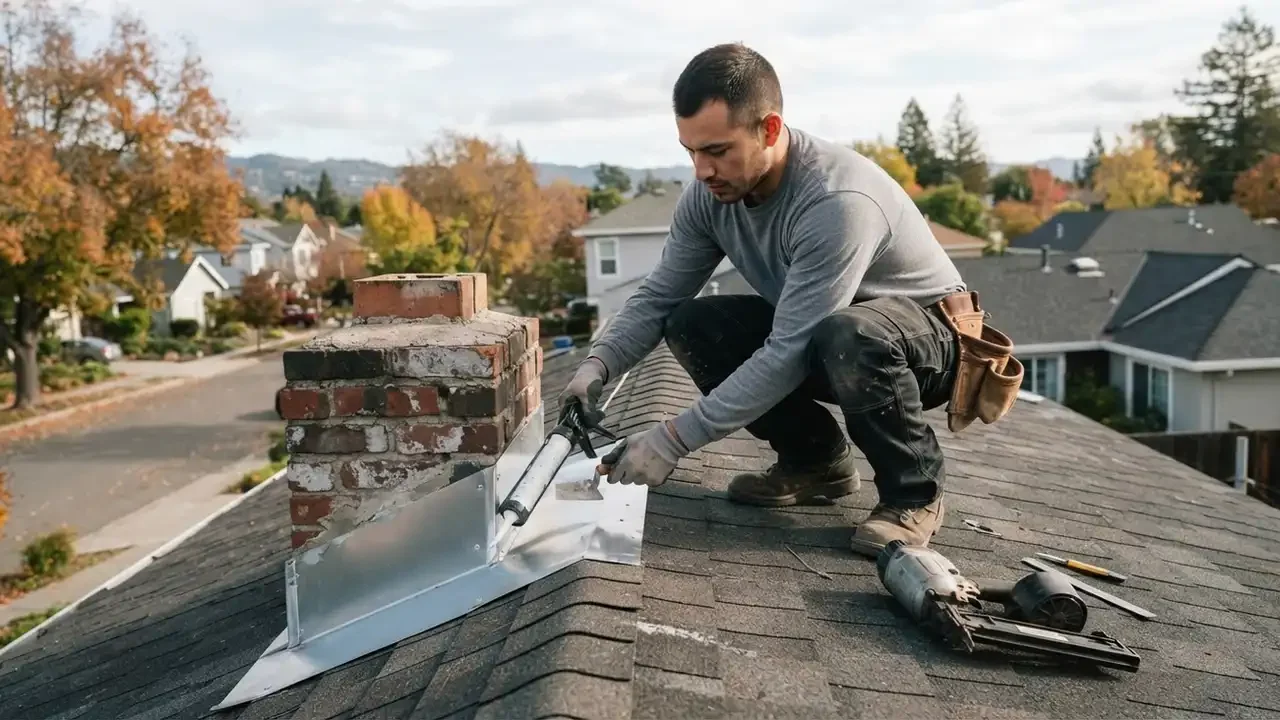
Water was running down the siding every time it rained, and I assumed the gutter needed replacing. The crew found a split at the lower elbow and a loose strap. They replaced the damaged piece, secured the line, and ran water through it before leaving. The wall stayed dry during the next storm.
Our downspout kept overflowing near the front steps. Bay City Roofing found leaves packed into the elbow and a seam that had started to open. They cleared the blockage, repaired the joint, and checked where the water exited. I appreciated seeing the test instead of just being told it was fixed.
A downspout had pulled away from the wall after a windy storm and was dumping water beside the building. The team secured the run, replaced the damaged connection, and checked the discharge point. They explained the work clearly, and the repair was completed in one visit.
Most straightforward repairs cost $150-$450 and take one to three hours. Typical 2026 pricing in Bay City depends on the damaged section, height, material, access, and whether a blockage or gutter connection also needs attention. A short seam repair usually costs less than replacing several crushed sections or correcting a difficult discharge route. We inspect the problem and give you the price before starting.
A downspout usually leaks because a seam has separated, an elbow is clogged, a section is cracked, or the gutter outlet is sending water outside the pipe. Wind can also loosen straps and pull joints apart. We trace the flow from the gutter to the discharge point, then test the suspected area. Water stains near siding or pooling beside the wall help identify where to start.
Yes, many downspouts can be repaired in one to three hours when damage is limited to a joint, strap, elbow, or short section. We reseat or seal compatible connections, secure loose supports, and replace parts that are split or crushed. If corrosion or repeated separation affects most of the run, downspout replacement Bay City, Texas may be the more durable option. We check the full line before recommending either approach.
Start by checking for visible debris and a disconnected joint, but do not climb an unstable ladder to reach a high section. We clear accessible obstructions, inspect the outlet and elbows, and test water flow to find a restriction or leak. A discharge extension should carry water away from the wall without creating a trip hazard. Our downspout drainage repair Bay City TX service corrects the fault and confirms the route drains.
Not seeing your question? Our local team can help you understand urgency, scheduling and what to expect.
Ask the local team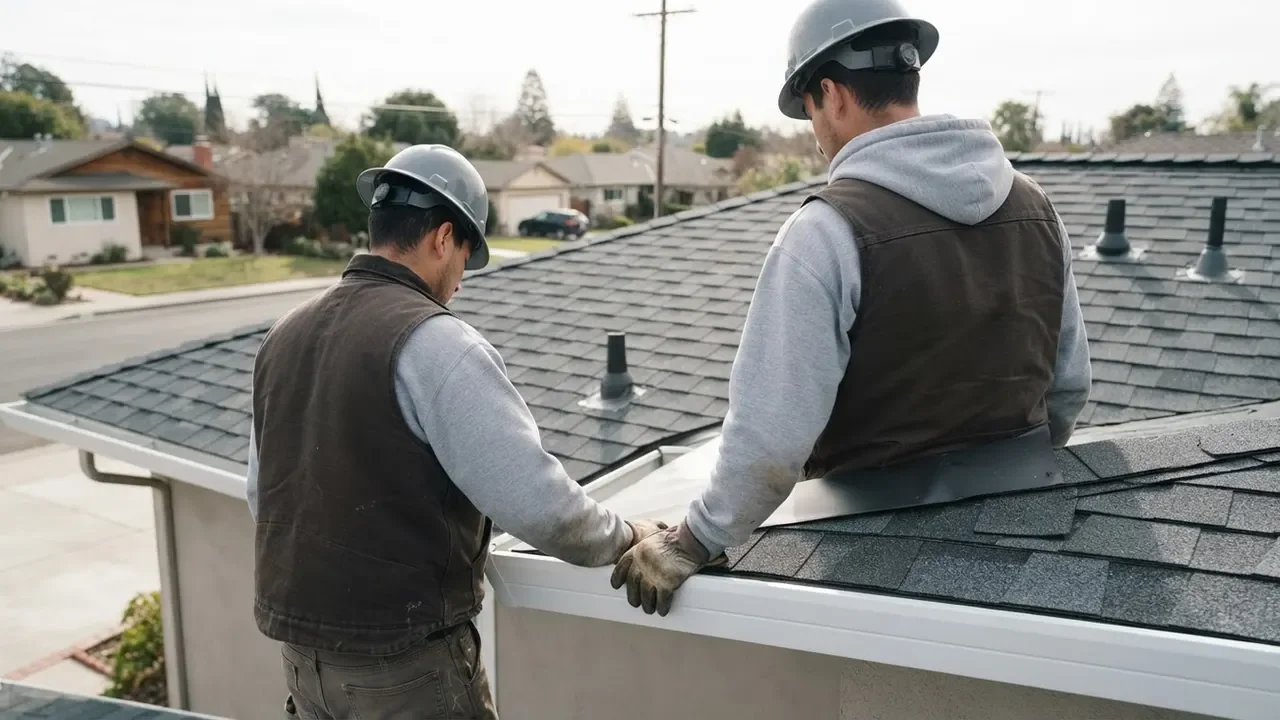
A roof leak can send water behind a gutter and make a downspout appear responsible. We inspect the roof edge alongside the drain line, then repair the source we find. That coordinated check helps Bay City property owners avoid sealing a pipe while roof runoff continues entering the same area.
View service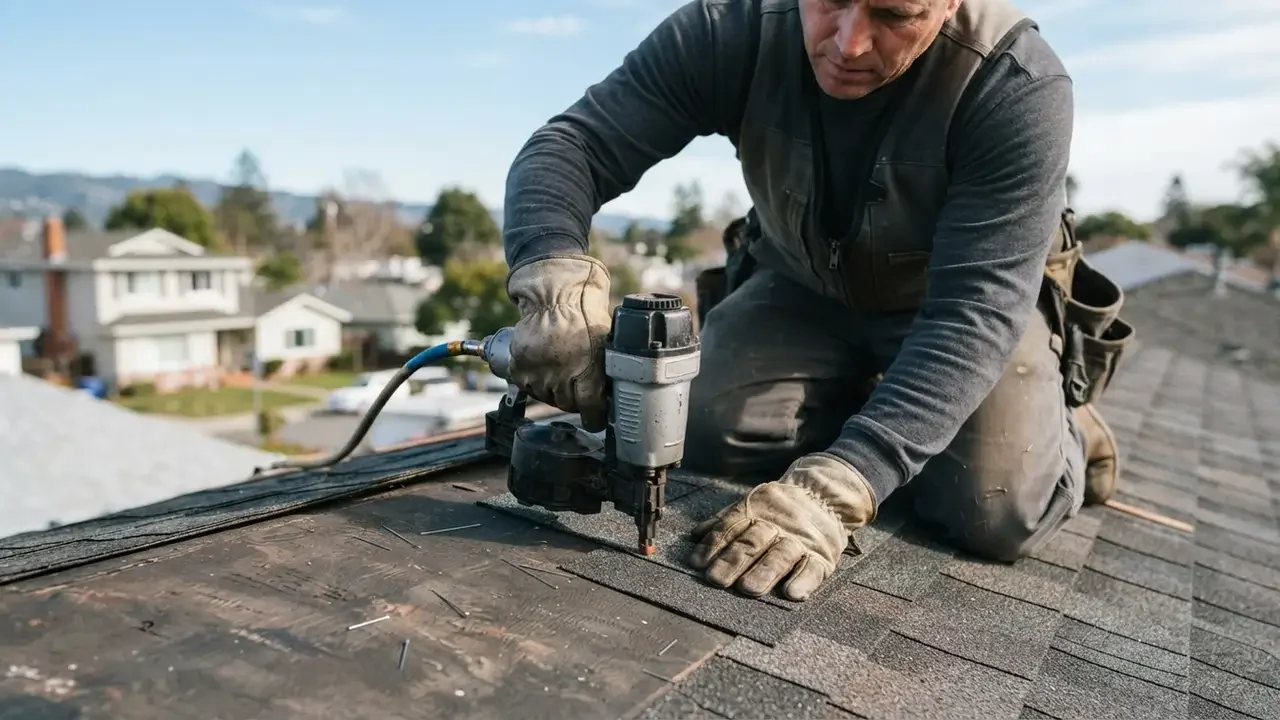
During a roof replacement, the gutter and downspout connections should be checked before new roofing is complete. We can identify worn outlets, poorly aligned runs, and damaged straps that would otherwise carry old drainage problems into a new roof system. Bay City homeowners get a chance to coordinate the edge details.
View service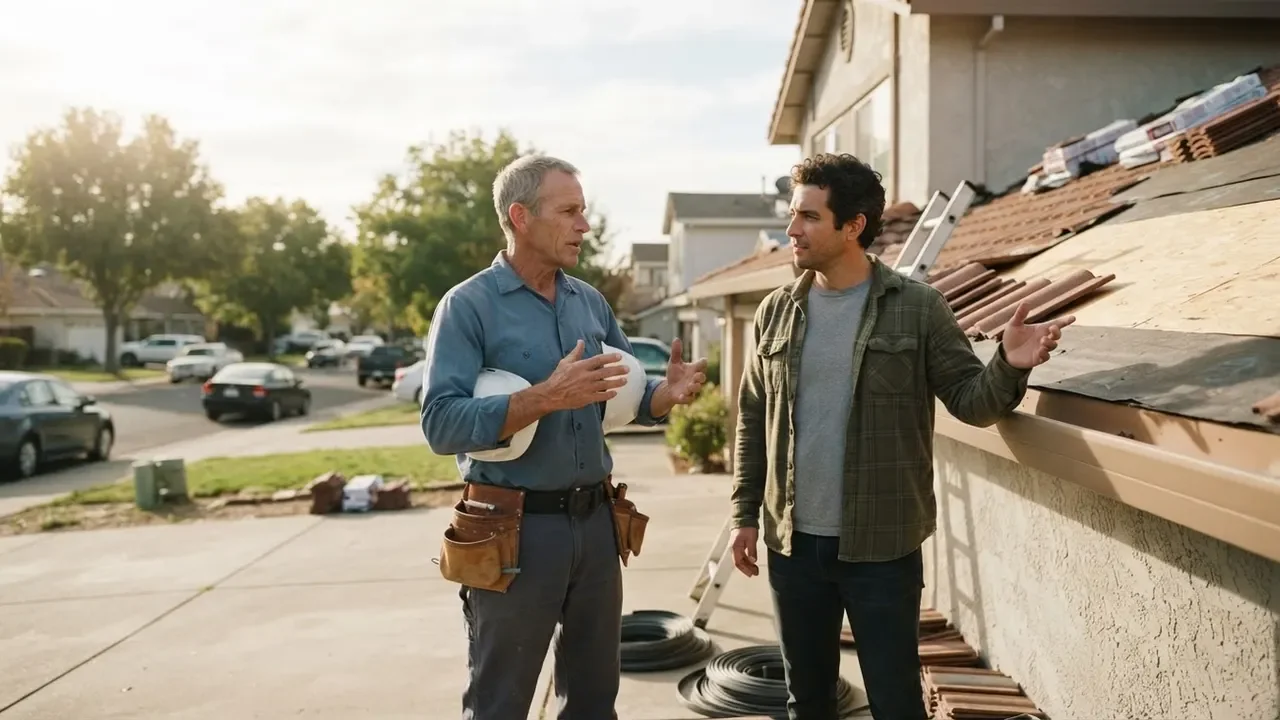
A roof leak and a downspout leak can leave similar stains near the eaves. Our inspection follows the water path to distinguish a roof opening from a failed drain joint. For Bay City properties, repairing the actual source protects sheathing, fascia, and siding from repeated moisture.
View serviceStorm damage can loosen a downspout while also exposing the roof edge. We address urgent water entry and unstable drainage components, then secure the affected area. If a line has pulled away or is pouring against the house, call so we can assess the immediate risk and next repair.
View serviceCall (877) 791-3217 to discuss a roof leak, storm damage, inspection, or replacement in Bay City. We connect you with independent roofing companies and help you get the conversation started. Calls are accepted around the clock for urgent roofing needs; tell us whether water is actively entering and where you see the damage.