Focused Arrival Windows
Useful updates and clear arrival timing.
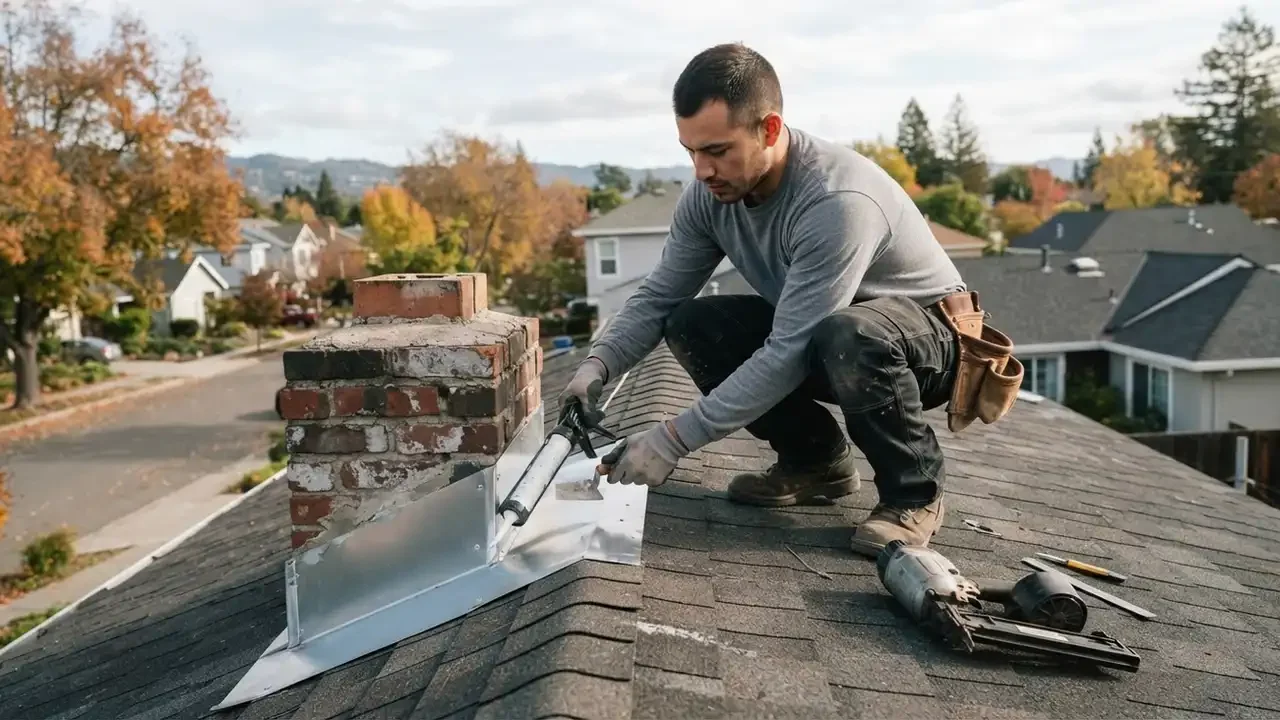
EPDM roofing in Bay City, Texas gives homeowners and commercial property managers a durable option for flat and low-slope roofs with leaks, worn seams, or aging membranes. Our team inspects the roof deck, identifies the failure point, and recommends repair or replacement based on what we find. Ask us about rubber roof Bay City TX service when water is entering around a seam, drain, curb, or flashing.
Useful updates and clear arrival timing.
Review the approach and price before deciding.
Equipped vehicles and respectful cleanup.
Neighbors serving neighbors with follow-through.
Our EPDM service covers the inspection, surface preparation, membrane repair or installation, and detailing needed for the agreed roof area. We check seams, edges, penetrations, and drainage as part of the work. If inspection reveals wet insulation, damaged decking, or a drainage redesign, we explain the additional work and its price before proceeding.
We examine the EPDM surface for punctures, splits, loose edges, open seams, and signs of trapped moisture. We also inspect the roof's transitions and drainage points. You receive a practical account of the visible condition and which defects need attention first.
We remove loose debris and prepare the repair area or roof deck so materials can bond as intended. If the deck is soft or insulation is wet, we identify the affected area before covering it. A clean, dry substrate supports a durable membrane connection.
We repair or form membrane seams and detail edges, drains, curbs, and penetrations using materials compatible with the EPDM system. These transitions need careful preparation and firm contact. We inspect each finished detail for lifted edges or gaps before wrapping up.
We check that drains, scuppers, and nearby gutters are clear and that the repaired area does not obstruct water movement. After the work, we look over the roof for debris and unfinished details, then review maintenance points with you.
Share what is happening and receive a clear next step from the local team.
EPDM roofing in Bay City, Texas is a single-ply membrane roofing system that seals flat and low-slope buildings against rain and roof leaks. EPDM is a synthetic rubber sheet installed over a prepared roof deck or insulation, with seams joined using compatible adhesive or seam tape. We check the substrate, drainage, perimeter details, and penetrations before laying material. On a sound deck, a correctly detailed EPDM rubber membrane creates a continuous weather layer that is straightforward to inspect and maintain.
Bay City property owners often call after ponding water, a split seam, or a roof leak shows up inside a shop, porch, or addition. We trace moisture with a moisture meter and inspect drains, edge metal, and flashing instead of covering the symptom with sealant. For Bay City, Texas EPDM roof installation, we plan around roof slope, access, and forecast conditions; if water has already reached a ceiling, we first isolate the leak and protect the interior. That sequence helps prevent avoidable deck damage.
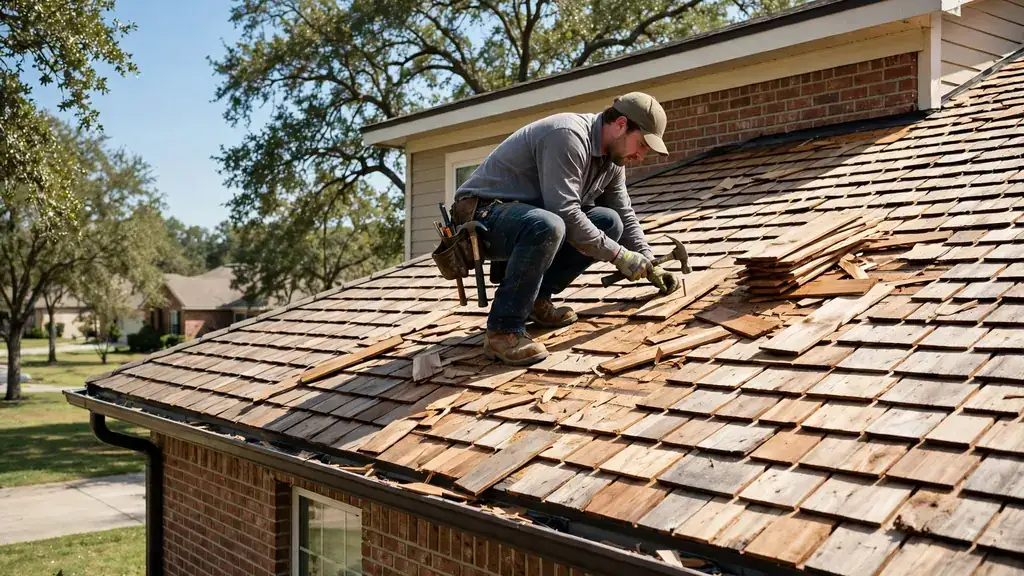
We begin with a roof walk, checking seams, perimeter edges, penetrations, and drainage. Inside, we look for staining and use a moisture meter where readings can clarify whether water has reached the deck. Most inspections take about 45 to 90 minutes, depending on access and roof size. You see the trouble spots before we recommend a repair.
We identify soft decking, wet insulation, or surface contamination that could undermine a patch or new membrane. A leaf blower clears loose debris; a utility knife helps open a small, controlled inspection area when needed. We protect the exposed area and show you what is sound and what needs removal before work continues.
For installation, we measure the roof, plan sheet layout, and stage the membrane so seams and edges land in workable positions. The deck must be clean and dry, and adhesives need suitable application conditions; product instructions set the permitted temperature range. We coordinate this step with the forecast rather than trapping moisture beneath the new roof.
We install or repair field seams, then detail drains, wall transitions, curbs, and pipe penetrations with compatible materials. A roofing roller presses seam tape into contact, while a caulking gun applies sealant only where the system calls for it. You can see the finished connections before the crew moves on.
We inspect the completed membrane for lifted edges, open seams, debris, and drainage obstructions. Where conditions allow, we perform a controlled water check at the repaired detail without flooding the roof. We remove scraps, review maintenance points with you, and explain what to watch after the next heavy rain.
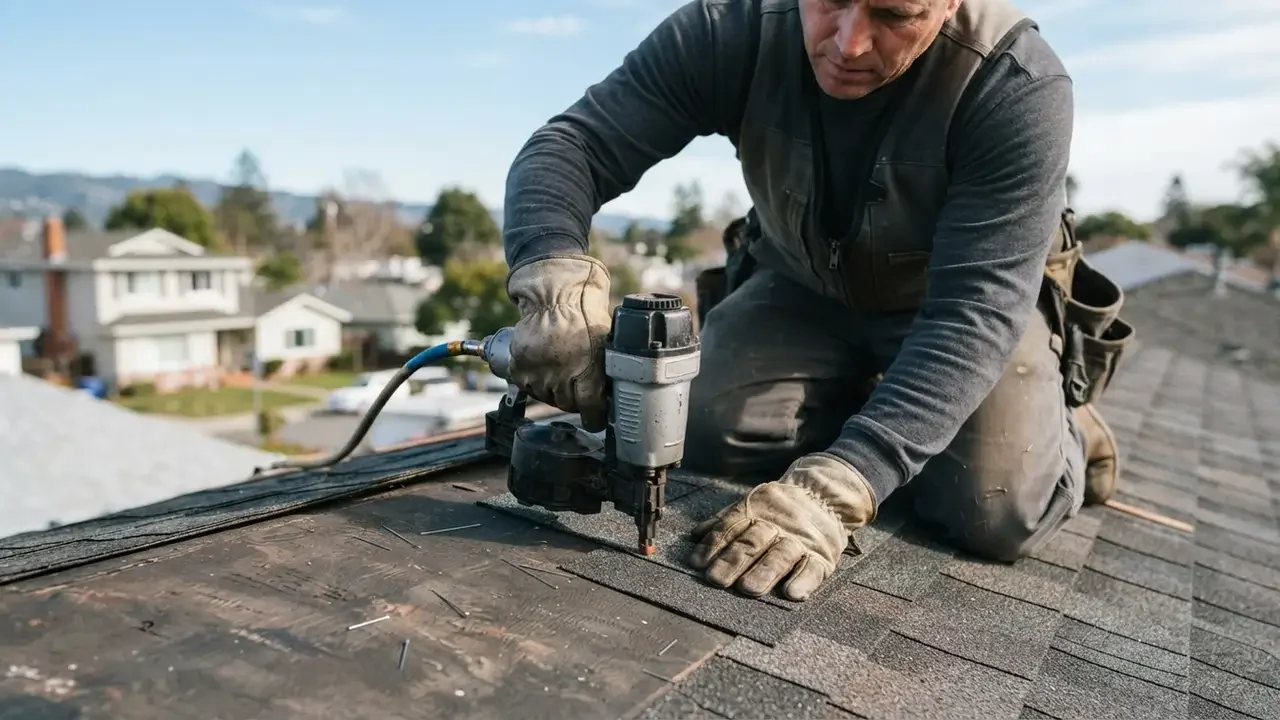
We use readings to help identify damp roof materials around a suspected leak. Results guide where to inspect further; the meter supports, rather than replaces, a physical roof and interior assessment.
When conditions are suitable, thermal imaging helps us identify temperature patterns that may indicate trapped moisture beneath a roof surface. We confirm suspected areas with direct inspection before deciding what material needs removal.
We use a utility knife for controlled trimming of membrane and removal of small damaged sections. Cuts stay deliberate and limited so sound material is preserved and the repair can bond to a clean edge.
A roller presses seam tape and patch material into close contact with prepared EPDM. Firm, even pressure helps limit air pockets and supports a secure bond across the repair area.
We use fall-protection equipment and properly positioned access equipment to reach roof edges and low-slope surfaces safely. Before work begins, we plan the access route and keep tools and materials controlled.
We compare interior staining with roof details above and uphill from the mark, because water can travel below the membrane before it becomes visible. We inspect seams, flashings, drains, and penetrations, then confirm the likely entry point before making a repair.
We clean and dry the repair zone, remove loose or contaminated material, and prepare the membrane according to the patch system requirements. Compatible patch material is pressed firmly into place, with edges checked for full contact. We do not patch over trapped water or unstable decking.
We examine drains, scuppers, edge terminations, and roof transitions as part of the repair. Clearing an obstruction or correcting a failed flashing detail can be as important as sealing a puncture. The goal is to restore both the waterproof layer and the path that carries rain away.
For replacement, we remove failed roofing and inspect the deck before installing new membrane. We address soft or wet sections, plan sheet layout, and finish seams and perimeter details using system-compatible methods. Material instructions and safe weather conditions guide installation.
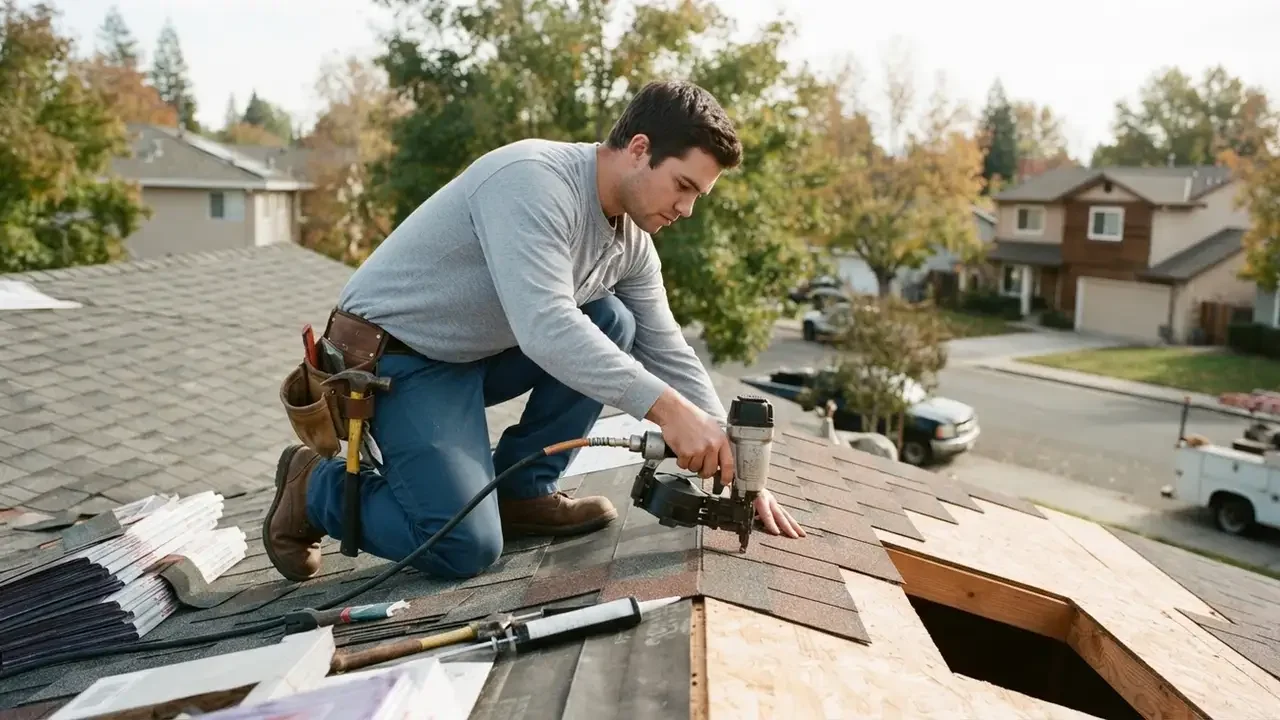
We inspect the roof above the mark and trace water toward seams, flashing, and drainage points. A moisture meter helps us check whether the surrounding assembly is wet. We repair the actual entry point and tell you whether interior materials also need attention. You get a targeted repair plan before the stain spreads or the next storm adds more water to the roof assembly.
We check the curb flashing, membrane seams, and nearby drains, then identify whether water is entering at the curb or moving from another roof detail. We coordinate access around the business and carry out the repair with the work area kept clear. The leak source is addressed, rooftop drainage is reviewed, and your staff knows what to watch during the next rainfall.
We inspect the membrane and probe for signs of deck or insulation damage before recommending more patching. Where replacement is needed, we remove unsound roofing, prepare the deck, and install new EPDM with finished seams and edges. You replace recurring leak visits with a continuous membrane system and a clear maintenance routine for the addition.
We inspect the puncture and nearby traffic path, then check for cuts or loose seams beyond the visible mark. If the substrate is dry and the damage is isolated, we prepare the surface and install a compatible patch. We also explain how to protect the membrane during future rooftop work. The opening is sealed before water reaches the interior, and nearby membrane damage is checked rather than left hidden.
EPDM roofing in Bay City, Texas has to account for strong rain, humid conditions, wind exposure, and drainage that may be challenged by debris. A low-slope roof needs a clear route to its drains or scuppers; a membrane alone cannot correct poor slope or blocked outlets. We inspect those areas before selecting a patch or recommending replacement. Bay City, Texas EPDM roof installation also depends on a clean, dry surface and suitable weather for the selected adhesive and seam materials. We schedule membrane work around product requirements rather than rushing a bond in unsuitable conditions. In older additions and mixed-material buildings, transitions between EPDM and asphalt shingles, metal roofing panels, or a wall can be the weak point. Our crew checks each junction and the roof deck below it. For an active leak, we prioritize stopping entry and protecting the interior, then complete lasting repairs when the roof surface is ready. We serve Downtown Bay City, the Harbor District, and surrounding neighborhoods with an inspection focused on the specific roof assembly.
Mixed-use buildings and additions can have several roof surfaces meeting at one edge. We check transitions and drain locations carefully when tracing a leak.
Wind-driven rain can expose weak perimeter details and rooftop penetrations. We inspect edge attachment, seams, and flashing as part of the roof assessment.
Older roof assemblies may include previous repairs or multiple material layers. We identify the existing system before choosing compatible EPDM repair materials.
Commercial buildings often have equipment curbs and roof access points. We check membrane details around these penetrations and coordinate work around building use.
Water that remains on the roof puts seams and patches under prolonged exposure. We check drain openings and ponding areas, then distinguish debris problems from slope or membrane defects that require further work.
Adhesive and seam products need prepared, dry surfaces to perform correctly. We verify surface conditions before joining membrane and avoid closing in wet insulation that could continue to affect the roof assembly.
Water can enter at a loose termination even when the main membrane field looks intact. We inspect the roof perimeter and penetrations, then secure or repair the failed detail rather than treating the field as the only concern.
A Bay City homeowner saw a ceiling stain return after each substantial rain. The roof had several old patches, and the latest leak appeared below a long EPDM seam. Water had reached a section of insulation, but the deck around the seam remained firm when inspected.
We removed loose patch material, dried and prepared the seam area, and installed compatible repair material across the failed section. The work took about half a day, including the roof inspection and cleanup. The customer received a clear note on the repaired location and what to check after rain.
Maintenance: Keep the nearby drain clear and inspect the repaired seam twice a year. If a new stain appears, call before applying a surface coating; water may be entering at another detail.
A low-slope addition in Bayview had brittle membrane, several splits, and soft areas near a drain. Spot repairs were no longer holding, and moisture had affected a small section of insulation. The owners needed to know whether another patch would provide a dependable fix.
We removed the failed membrane and wet insulation in the affected area, checked the deck, and installed new EPDM across the roof section. The installation covered roughly 600 square feet and included finished seams, drain detailing, and a perimeter review. The roof was left clean and watertight.
Maintenance: Check the drain and roof surface each spring and fall, and after severe weather. Keep rooftop work from dragging tools across the membrane and report any new puncture promptly.
A small commercial building in the Harbor District had an intermittent leak near an equipment curb. The EPDM field was largely intact, but the flashing connection had lifted along one edge. The leak threatened ceiling tiles below the mechanical area.
We traced the entry to the curb detail, prepared the membrane, and repaired the flashing connection with compatible materials. The focused repair took about four hours, including inspection and cleanup. We also checked the nearest drain and documented the seam condition around the equipment.
Maintenance: Have the curb and adjacent seams checked during routine roof maintenance. Service technicians should avoid placing equipment or sharp tools directly on the membrane.
EPDM roofing in Bay City, Texas addresses leaks caused by membrane damage, failed seams, and weak transitions, but the source has to be found first. We inspect the roof and nearby interior signs so repairs target the entry point. These are common problems we resolve on Bay City flat roofs.
Water can travel beneath the membrane before appearing indoors, so the ceiling stain may be far from the seam. Delay can leave insulation wet and weaken the roof deck. We trace the water path, check the seam and surrounding membrane, and assess whether moisture has reached the substrate. If the area is sound, we prepare and patch the seam using compatible materials. If the failure extends farther, we explain the repair boundary and address the connected weak points.
Standing water keeps pressure on seams and exposes small defects for longer periods. Repeated ponding can contribute to leaks and make future repair work more involved. We inspect the drain, scupper, and low area for debris or an obstruction, then clear accessible drainage points. We also check for membrane damage beneath the ponding area. If roof slope or drain capacity is the underlying issue, we explain the corrective work instead of promising that a patch will solve it.
Water can spread under the membrane and damage insulation before an interior mark appears. A poorly sealed curb detail can keep leaking even after the puncture is patched. We inspect the puncture, curb flashing, and nearby seams as one assembly. After removing contaminants and preparing the surface, we install a compatible patch or rebuild the flashing detail as needed. We finish by checking the repaired edges and drainage route around the curb.
Repeated spot repairs become less effective as the membrane and surrounding seams deteriorate. Continued water entry can damage more decking and disrupt use of the rooms below. We map the failed areas and inspect the deck to see whether damage is localized or widespread. When the membrane has reached broad failure, we plan replacement and remove unsound layers before installing new EPDM. You can compare the condition of the roof with the cost of another cycle of patches.
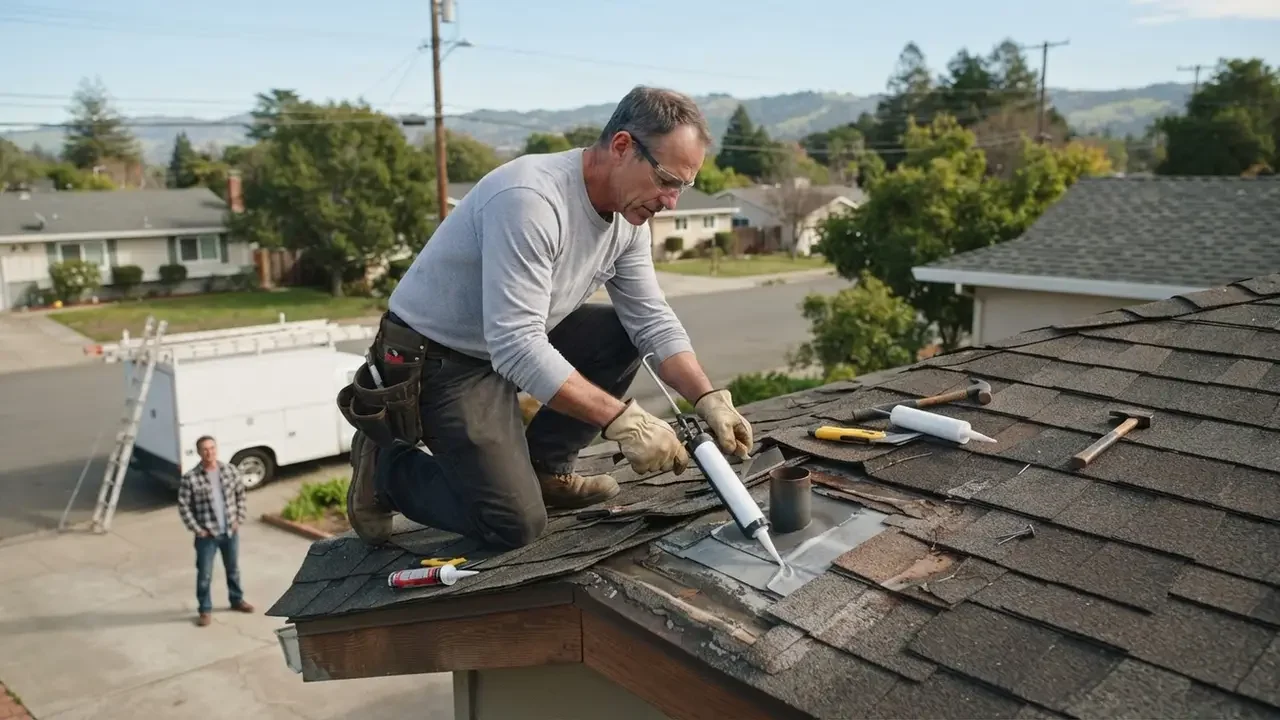
EPDM work demands more than rolling out rubber. We follow manufacturer requirements for surface preparation, seam treatment, flashing, and edge termination, and we check the roof assembly before choosing a repair. Our local experience includes leak tracing on low-slope additions and commercial roofs, membrane patching, and full replacement planning. We use safety harnesses and extension ladders for access, and we keep the work focused on sound installation details rather than unsupported claims about credentials or job totals.
Water was showing on the ceiling below our flat porch roof after a heavy rain. The crew checked the EPDM seams and found a split near the edge, then patched it and showed us the finished area. They also cleared debris around the drain. We have had no new staining since the repair.
Our small commercial roof had a leak near an equipment curb, and we needed the area checked without disrupting the whole building. The team traced it to the membrane flashing, repaired the detail, and cleaned up the roof. They explained what to monitor after the next storm, which made the repair easy to follow.
We had been patching the same low-slope addition roof, but the membrane had started failing in more than one spot. Bay City Roofing inspected the deck and walked us through replacement rather than selling another temporary fix. The new EPDM seams and edge details look neat, and the interior stayed dry through the rain.
EPDM roofing cost in Bay City, Texas commonly ranges from about $5 to $12 per square foot installed, depending on roof size and assembly. A small repair may cost roughly $250 to $900, while wet insulation removal, deck replacement, difficult access, or extensive flashing increases the total. We inspect the roof and give upfront pricing for the work. The final figure depends on measured area, material choice, and how much existing roofing must be removed.
A properly installed EPDM roof often lasts about 20 to 30 years, with maintenance and drainage affecting its service life. We check seams, edges, and penetrations at least twice a year and after severe storms. In Bay City, standing water, debris, and neglected flashing can shorten performance. An inspection can identify a repairable seam before moisture reaches insulation or decking.
Neither membrane is always better; EPDM suits many low-slope roofs, while TPO may fit projects prioritizing a reflective white surface. We compare roof slope, drainage, exposure, insulation, attachment method, and the condition of existing details before recommending either system. EPDM is a flexible rubber membrane; TPO is a thermoplastic membrane with heat-welded seams. The right choice depends on your building and project requirements.
Yes, EPDM roofing can be repaired in Bay City TX when the damage is localized and the surrounding membrane and roof deck remain sound. We clean and prepare the area, use compatible patch materials, and inspect the seam edges and nearby flashing. Same day EPDM roof repair Bay City, Texas service is possible for some accessible, small leaks, but weather, damage extent, and safe roof access determine the schedule.
Not seeing your question? Our local team can help you understand urgency, scheduling and what to expect.
Ask the local team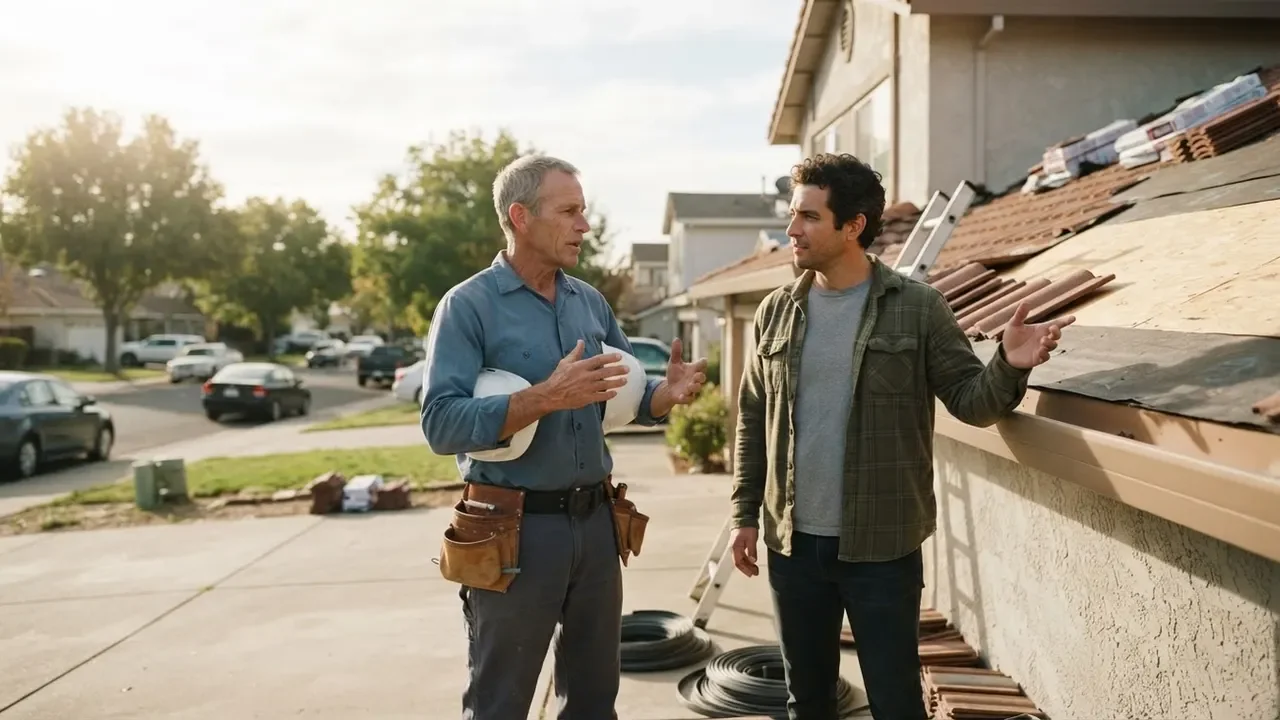
A leak in an EPDM roof may come from a seam, edge, drain, or flashing detail. We inspect the whole likely water path, repair the failed area, and check nearby membrane so you are not left with a second leak a few feet away.
View service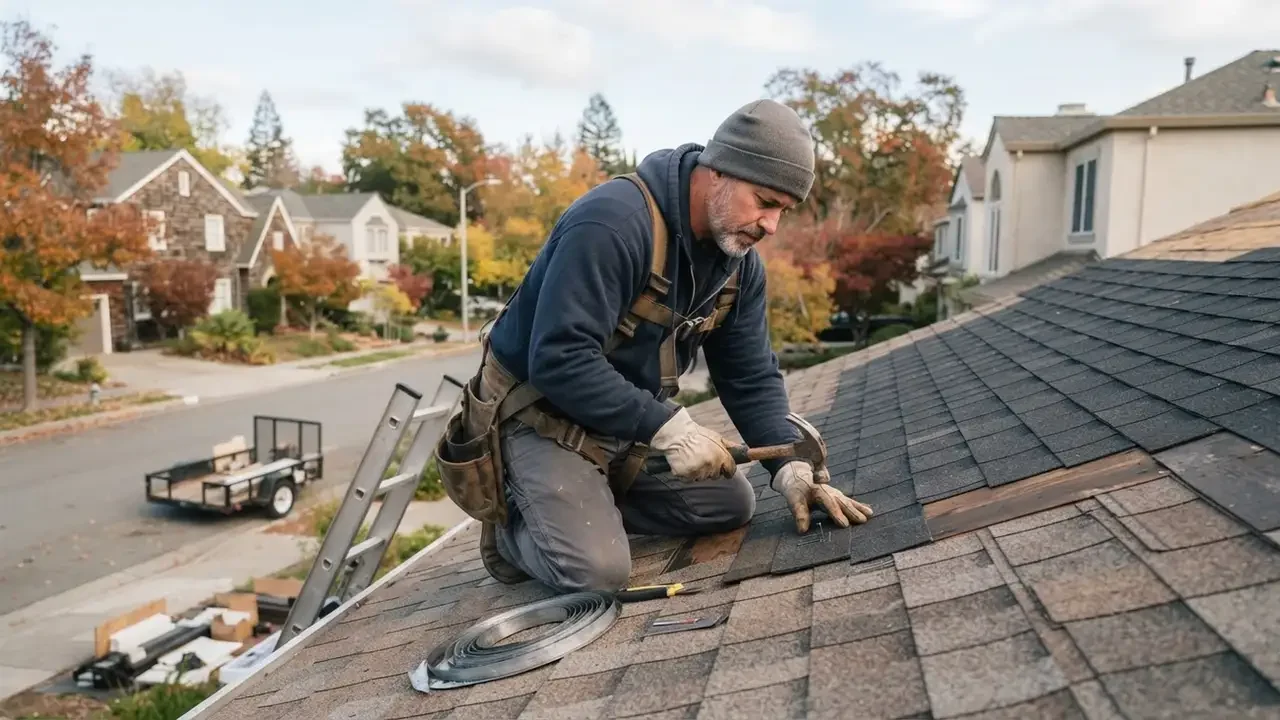
When the membrane is brittle, seams are failing across the roof, or wet insulation is widespread, replacement may be more sensible than repeated patches. We remove unsound material, inspect the deck, and install a suitable system with careful edge and penetration detailing.
View service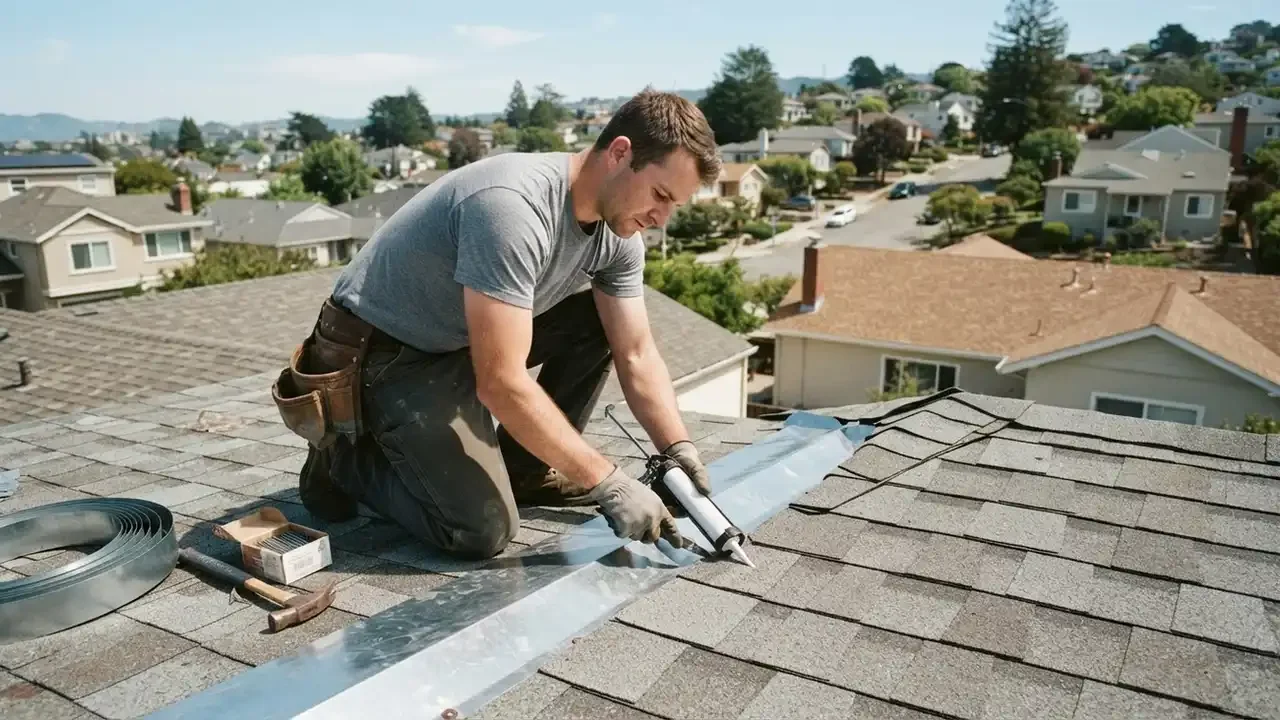
A ceiling stain needs a roof-level diagnosis. We trace the leak to its entry point, inspect EPDM seams and flashing, and repair the source rather than treating the interior mark as the cause. We also check for moisture that could remain hidden under the membrane.
View serviceActive water entry can damage ceilings, wiring, and stored items. We assess the immediate hazard, protect exposed areas, and make a safe temporary or permanent repair as conditions allow. Tell us where water is entering and whether the roof is accessible.
View service
Call (877) 791-3217 to discuss a roof leak, storm damage, inspection, or replacement in Bay City. We connect you with independent roofing companies and help you get the conversation started. Calls are accepted around the clock for urgent roofing needs; tell us whether water is actively entering and where you see the damage.