Focused Arrival Windows
Useful updates and clear arrival timing.
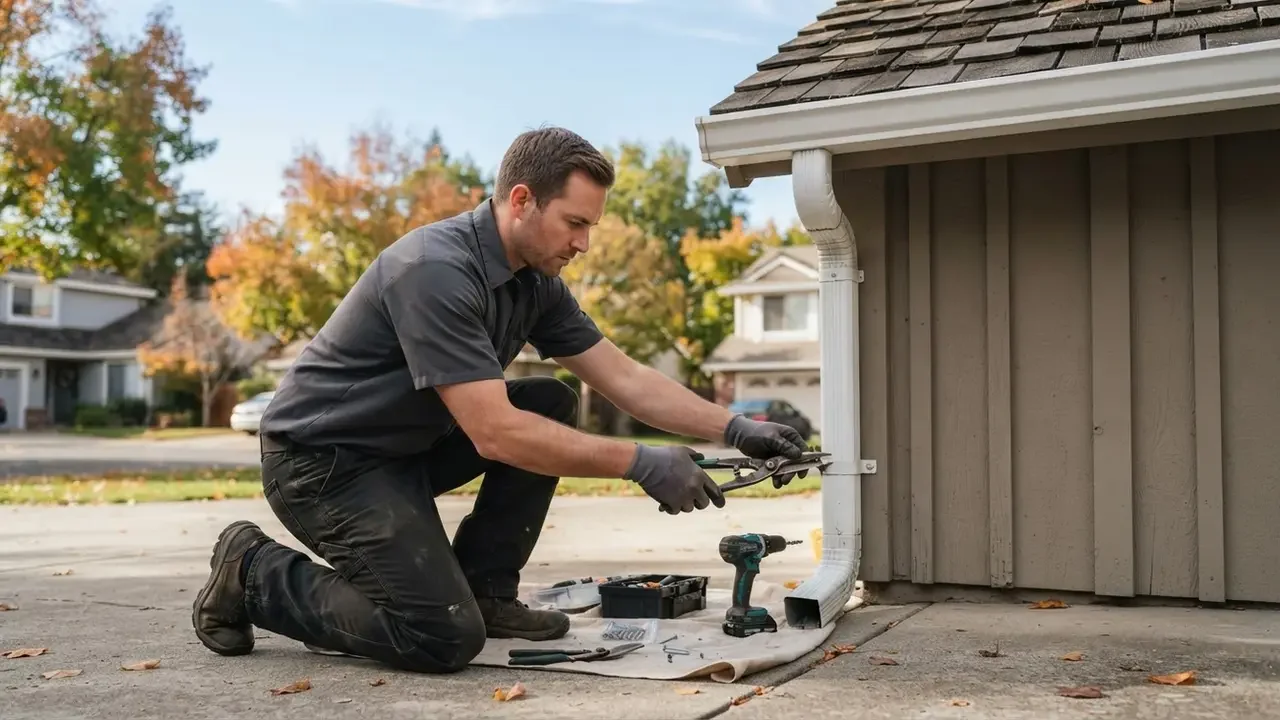
gutter cleaning in Bay City, Texas removes leaves, shingle grit, and compacted debris so rainwater can reach the downspouts instead of spilling over your fascia. We work with homeowners and property managers who are seeing overflow, standing water, or a clogged outlet. Our crew clears the channel, checks water flow, and points out visible trouble before the next Bay City downpour puts the drainage system to work.
Useful updates and clear arrival timing.
Review the approach and price before deciding.
Equipped vehicles and respectful cleanup.
Neighbors serving neighbors with follow-through.
Our standard visit covers accessible gutter channels, removal of loose and compacted debris, clearing accessible outlet openings, and a practical water-flow check. We also look for visible sagging, loose hangers, or leaking seams while working. If the system has a broken section, extensive blockage inside a closed drain, or roof damage, we explain the separate repair needed rather than calling it routine cleaning.
We clear leaves, seed pods, shingle grit, and sediment from accessible gutter troughs. Material is collected as we work so it does not simply get pushed into the downspout or left below the roof edge. The goal is an open channel that can carry runoff toward its outlet.
We inspect accessible gutter outlets and downspout entries for visible blockage, then clear ordinary debris that is reachable during the visit. We test water movement where appropriate and identify slow or disconnected sections. A concealed underground drain blockage is a separate issue from clearing the above-ground downspout.
While clearing the channel, we note loose hangers, sagging runs, open seams, and signs that the gutter is pulling away. You see where the concern is and hear whether it appears to affect current drainage. Repairs are discussed separately so cleaning and repair are not confused.
We check that water moves through the cleared route and exits at the expected outlet. This simple test helps verify that the blockage has been removed and reveals obvious leaks at joints. We also check that discharge is not visibly returning against the immediate wall area.
We gather the debris removed from the roofline and leave accessible paths and entry areas tidy. If a particular elevation cannot be reached safely with the available access, we explain the limitation and the practical next step. You receive a concise walkthrough of the completed areas and findings.
Share what is happening and receive a clear next step from the local team.
gutter cleaning in Bay City, Texas means clearing roof-edge channels and downspout openings so rainwater can drain away from the building. We remove loose leaves, seed pods, roofing granules, and packed sediment by hand or with controlled equipment, then check seams, hangers, and outlet flow. A clean channel is not a repair by itself, so we also identify separated joints, loose fasteners, and visible fascia rot. That distinction helps you decide whether a basic cleaning is enough or a repair should follow.
Bay City's mix of tree debris, windblown grit, and sudden heavy rain can fill a gutter before an overflow becomes obvious from the ground. Our Bay City, Texas gutter cleaning service is useful when water sheets over the edge, collects near the foundation, or leaves streaks below a corner. If you are searching for gutter cleaning near me in Bay City, Texas, we clear the channels and test the downspouts rather than stopping after the visible debris is gone.
We start by walking the accessible perimeter with you, noting overflow marks, sagging sections, and problem corners. Our crew checks ladder placement and roof access before work begins; an extension ladder and safety harness are used where the setup calls for them. This first check takes about 10 to 20 minutes on a straightforward home and helps us plan a safe, complete route.
We position equipment away from doors, walkways, and landscaping, then identify where removed debris will be collected. You will know which elevations we are servicing and where water will be tested. Careful setup matters on narrow side yards and around patios, where falling leaves and sediment should not be left scattered across the area.
We remove leaves, seed pods, grit, and compacted material from the gutter troughs, taking care around hangers and seams. A leaf blower is used only where conditions suit controlled clearing; packed material is removed by hand. We then open accessible outlets and downspout entries so the whole drainage route, not just the top channel, is addressed.
We run water through sections where needed and watch for slow outlets, leaks at joints, or pooling in a sag. The check takes several minutes per run and helps separate a debris blockage from a slope or connection problem. We also observe where downspouts discharge so you can see whether water is leaving the roof edge as intended.
Before wrapping up, we show you the cleaned areas and explain any visible repair concerns, such as a loose hanger or leaking seam. We gather the removed debris and leave the work area tidy. If a roof issue is visible, we explain the next practical step without treating a cleaning visit as a substitute for a roof inspection.

We use an extension ladder selected for the building height and access position, setting it on stable ground before reaching the gutter. Safe placement protects the crew and helps us work along the roof edge without leaning equipment against fragile sections.
Where access conditions require fall protection, a safety harness forms part of the setup. We plan the work route before climbing and avoid unsafe shortcuts around steep or obstructed roof edges.
A leaf blower can move loose, dry debris from accessible channels when conditions allow controlled use. We collect the material and avoid relying on air alone for packed sediment or blocked outlets.
A utility knife is used only for suitable maintenance tasks, such as trimming a small obstruction at an accessible gutter edge. We take care not to cut roofing materials, flashing, or the gutter itself.
A controlled water test checks whether cleared channels and outlets move water through the drainage route. We watch joints and downspout discharge for visible leaks, slow flow, or remaining blockage.
We work along each accessible gutter run, removing loose leaves and compacted material without pushing debris into the outlet. This makes it easier to spot sagging, open joints, or damaged hangers as the channel becomes visible. Removed material is gathered rather than left at the base of the wall.
After clearing, we check accessible downspout entries and verify flow through the route. A water test helps reveal a remaining restriction or leaking connection that a visual check from the ground could miss. If a concealed drain is blocked, we explain that limit and the next step.
We observe the drip edge, nearby shingles, and visible flashing while working at the gutter. The check is limited to visible conditions and is not a substitute for a full roof inspection. If we see granule loss, loose material, or a roof-edge leak, we tell you what deserves closer review.
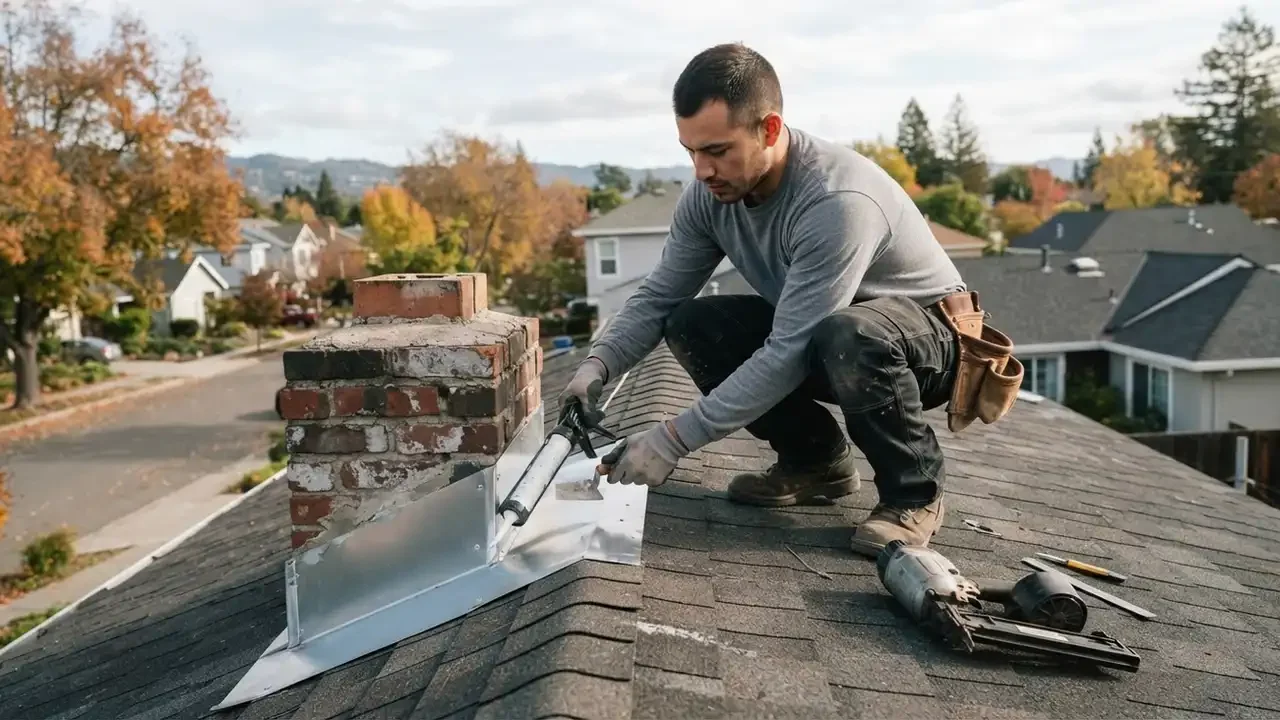
We clear the roof-edge channels and outlets, then check that water can travel through each accessible downspout. Our crew pays attention to corners where leaves collect and where overflow could run against fascia. You can also ask us to note visible loose hangers while the channel is open. Your drainage route is clear before seasonal rain tests it, and you know whether any visible attachment or seam needs separate repair.
We trace that section from the channel to the outlet, remove compacted material, and test the flow. If a sag or separated joint is keeping water in place, we show you the affected section and explain the repair needed rather than repeating cleaning alone. You learn whether a simple blockage caused the overflow or whether a localized repair is needed to restore reliable drainage.
We clear the affected run and inspect accessible downspout entries for material pushed into the outlet. The crew checks nearby gutter connections and watches the discharge during a water test. Any storm damage visible at the roof edge is identified for a separate assessment. The property has a checked drainage path, collected debris is removed, and storm-related damage is not confused with routine maintenance.
We clean the channel and inspect the visible seam, slope, hanger spacing, and nearby roof edge. After testing water movement, we identify whether the marks align with a leaking joint or water running behind the gutter. You receive a focused explanation of the next work required. You have a clearer cause for the recurring mark and can direct maintenance toward the gutter, roof detail, or both.
Bay City properties face shifting combinations of windblown leaves, shingle grit, and intense rain that can quickly expose a blocked outlet. In November, we focus on debris accumulated through fall and make sure water has a clear path before the next wet stretch; spring checks help catch material left after winter. Rooflines vary from compact homes in established neighborhoods to larger properties with long runs and several downspouts, so access and channel length affect the work plan. Our Bay City, Texas gutter cleaning service clears reachable channels and checks the outlet route rather than treating every home alike. If you need gutter cleaning near me in Bay City, Texas after overflow, tell us which elevation spills and whether water is entering indoors. We inspect visible roof-edge details, including the drip edge and nearby flashing, and explain when a separate repair assessment is warranted. We use safe ladder practices, keep debris out of walkways, and test water movement where appropriate. A typical single-story visit takes about 1 to 3 hours; taller or heavily blocked systems need more time.
Narrow side yards and close neighboring buildings can affect ladder access. We plan the route around available ground space and focus on keeping removed debris clear of entrances and walkways.
Mixed roof heights and long connected gutter runs can make one blocked outlet affect several sections. We check the run in sequence and identify where water flow changes.
Wind can push leaves and fine debris into exposed corners and outlets. We pay particular attention to downspout entries and the roof edge facing open approaches.
Older rooflines may have patched joints or loose hangers concealed by debris. Clearing the channel lets us point out visible attachment concerns without confusing them with ordinary buildup.
Material can lodge at a turn even when most of the gutter looks clear. We inspect corners and downspout entries directly, then check flow so a partial cleaning does not leave the original overflow point blocked.
A short burst can send more water into a restricted channel than a slow shower. We verify accessible outlet flow and identify sagging or leaking sections that could keep water from moving away from the building.
Two-story elevations and sloped ground require careful access planning. We assess safe ladder placement before work and explain if a section needs a different access method rather than attempting an unsafe reach.
A homeowner in Downtown Bay City reported overflow at one back corner, with leaves visible in the channel and water staining below the fascia. The rest of the roofline appeared to drain, so the problem seemed isolated. The downspout outlet had not been checked, leaving uncertainty about whether the channel or the outlet was restricting flow.
We removed the packed leaves and grit, cleared the accessible outlet, and ran water through the section. The corner drained during the test, and the homeowner could see the discharge at the bottom of the downspout. We also pointed out one loose hanger so it could be addressed before the section began to sag.
Maintenance: Check that corner after heavy wind and look for renewed overflow during rain. A twice-yearly cleaning suits many homes, but nearby trees or recurring debris can call for an additional inspection between scheduled visits.
At a Bayview property, water lingered in a gutter even after loose leaves were removed by the owner. The downspout ran slowly, and a damp patch remained beside the wall after showers. From the ground, the channel looked mostly open, but material had collected near the outlet.
We cleared the outlet area and reachable downspout entry, then tested the route with water. Flow improved and the discharge became visible at the outlet. The homeowner also learned that the lower section remained intact and that the original restriction was concentrated near the top connection.
Maintenance: Keep the outlet opening under observation during the next rain and clear loose debris before it compacts. If slow drainage returns while the channel is clean, arrange a check for a deeper obstruction or a damaged connection.
A Harbor District manager found dark granules collecting in several gutter sections after a storm. The material had begun to gather around two outlets, and the property team could not tell whether it came from normal wear or a roof concern. Water flow had not yet been tested.
We cleared the channels and outlets, then checked water movement through the accessible runs. The drainage path was open at the end of the visit. We also noted where granules were concentrated and advised a roof inspection to assess the nearby shingles rather than assuming cleaning alone explained the buildup.
Maintenance: Record which runs collect the most grit and compare them at the next service. A new or increasing deposit, especially alongside missing or curling shingles, is a reason to inspect the roof surface.
Clogged gutters can turn ordinary rain into overflow at the fascia, siding, and foundation edge. We remove the blockage, check the outlet route, and help you identify whether a loose seam or roof issue is contributing. Gutter cleaning to prevent roof leaks Bay City TX starts with restoring drainage and recognizing what cleaning alone cannot repair.
Overflow can stain siding, soak fascia, and leave water collecting near the foundation. Repeated wetting also makes it harder to identify whether a nearby roof edge is leaking. We clear the corner and its outlet, then test water movement through the downspout. If the gutter still overflows when clean, we check for a sag, poor slope, or a damaged connection and show you the location. You get a practical distinction between a blockage and a repair need.
A hidden plug can keep water in the gutter, adding weight to the run and causing overflow even when the channel looks clean from the ground. We inspect the accessible outlet and downspout entry, remove reachable debris, and test flow. If the obstruction sits beyond the accessible section, we explain where the route is restricted and what further clearing or repair is needed. We do not claim a clear system until the discharge path has been checked.
Persistent moisture can contribute to deteriorating fascia and hide a leaking gutter seam or roof-edge detail. The stain may remain even after a storm passes. We clear nearby debris and inspect visible seams, hangers, and the drip-edge area. If the channel is open but water still tracks behind it, we identify the visible concern for a focused gutter or roof assessment. You learn whether drainage maintenance is enough or a repair should follow.
Granules can obstruct outlets, and a sudden increase may indicate wear or damage to asphalt shingles. Leaving the material in place makes the drainage problem worse. We remove the grit, clear the outlet, and note whether the deposit is isolated or spread across multiple runs. If shingle wear or missing material is visible, we recommend a roof inspection rather than treating the gutter as the source. That helps address both the debris and its possible origin.
Our work connects gutter drainage with the roof details that feed it. We check how roof valleys deliver runoff, whether the drip edge directs water into the channel, and whether visible shingle or flashing damage could be contributing grit or leakage. Our crew uses trade-safe access methods and distinguishes cleaning from repair, so you receive a useful explanation rather than a sales pitch. We do not claim a business tenure or credential that has not been established; we focus on careful workmanship, visible findings, and a drainage test you can understand.
Water had been pouring over the back corner every time it rained. The crew cleared a packed outlet, removed leaves from the full run, and showed me the water draining through afterward. They also pointed out one loose hanger instead of pretending cleaning would fix it. The patio below was left clear, and the overflow stopped during the next storm.
Our downspout was backing up and leaving a wet patch beside the house. The team found compacted grit near the outlet, cleared it, and tested the flow with water. They explained what they were checking as they went and showed me the discharge point working before they packed up. The visit took a little under two hours.
We needed several roof-edge sections cleared after wind pushed debris into the gutters. The crew worked through the channels, checked the downspout connections, and gathered the material instead of leaving it around the entry. They also flagged a leaking joint with its location, which made it easy to plan the next maintenance task.
Most Bay City homes cost about $150 to $450 for routine cleaning in 2026, with larger or difficult properties reaching $850. The price depends on roof height, gutter length, access, debris volume, and whether downspouts are blocked. We explain the price upfront and clarify the cleaning work included. A call about gutter cleaning cost in Bay City, Texas is easier to answer when you know the number of stories and whether overflow is limited to one corner or affects the full roofline.
Most homes should have gutters checked and cleaned 2 times a year, with an extra visit if trees shed heavily or storms leave debris. A fall cleaning is useful as November approaches, and a spring check helps clear material accumulated over winter. You may need more frequent service if water overflows between visits, downspouts slow, or leaves collect in roof valleys. We can help set a schedule around your actual roofline and surrounding trees.
Yes, clearing gutters before a period of frequent rain helps reduce overflow from blocked channels and outlets. We remove debris, check accessible downspouts, and test water movement so you can address a blockage before the next storm. November is a sensible time to inspect after autumn debris has collected. If rain is forecast soon and one corner is already spilling over, tell us; same day gutter cleaning Bay City, Texas service depends on the work schedule and safe access.
Debris can block outlets, hold water against the roof edge, and send runoff over fascia or beside the foundation. Continued moisture can contribute to staining, loose gutter sections, or fascia rot, while a hidden leak still needs its own repair. If overflow starts after a storm, we clear the channel and check where flow is restricted. We also point out visible damage so you can decide whether gutter repair or a roof assessment should follow.
Not seeing your question? Our local team can help you understand urgency, scheduling and what to expect.
Ask the local team
A gutter blockage can reveal roof-edge damage, but cleaning alone will not fix missing shingles, failed flashing, or a roof leak. We assess the related roof condition and repair the affected area so runoff and the roof covering work together. This is useful when new stains appear below an overflowing corner.
View service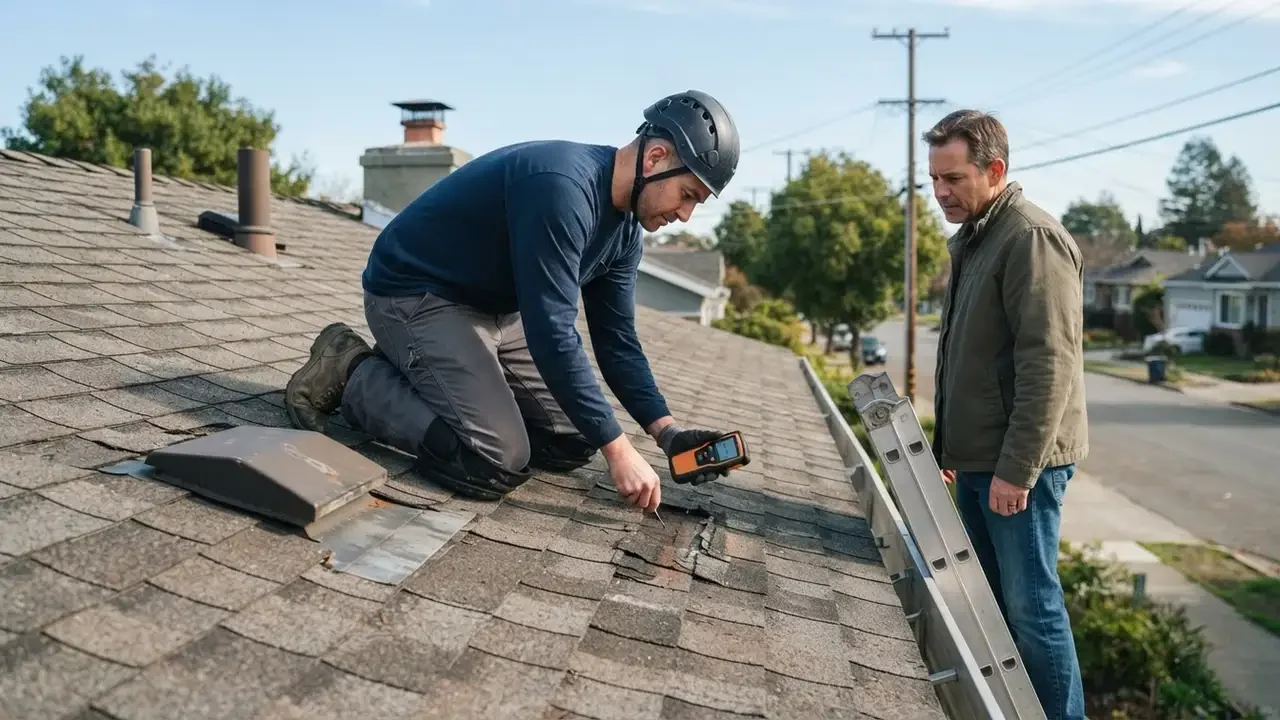
If a roof is being replaced, gutters should be checked for condition, slope, and attachment before the project is complete. We coordinate roof replacement considerations with drainage so the new roof does not direct water into a damaged or undersized section. Cleaning also removes old grit that can collect after roofing work.
View service
Water behind a gutter or stains near the eaves can resemble a gutter leak but originate at roof flashing or underlayment. We trace the visible signs and repair the roof source when identified. Clearing nearby debris gives water a proper route and helps prevent runoff from obscuring the leak area.
View service
After wind or a severe storm, branches and roofing debris can clog gutters while roof damage lets water enter the building. We address urgent roof damage and inspect nearby drainage conditions. If active water is entering, tell us where you see it and whether the leak is spreading indoors.
View service
Call (877) 791-3217 to discuss a roof leak, storm damage, inspection, or replacement in Bay City. We connect you with independent roofing companies and help you get the conversation started. Calls are accepted around the clock for urgent roofing needs; tell us whether water is actively entering and where you see the damage.