Focused Arrival Windows
Useful updates and clear arrival timing.
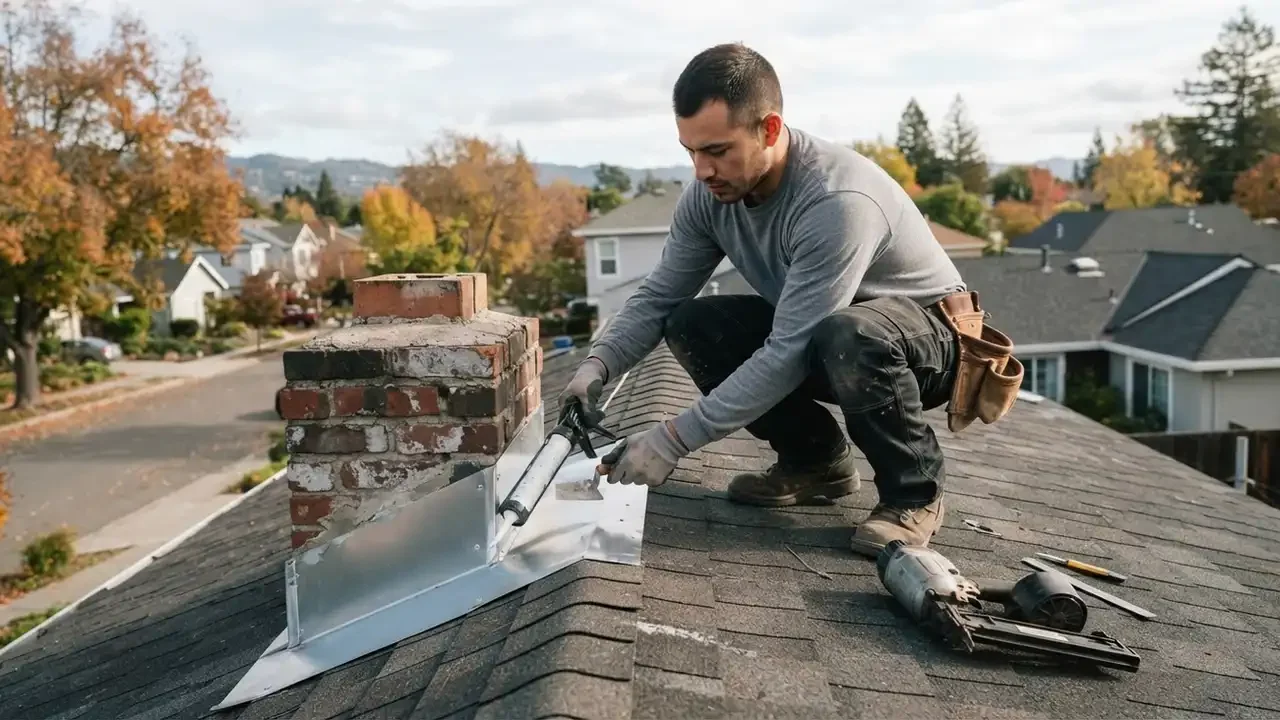
When a gutter leaks at a seam or pulls away from the roof, water can soak fascia, stain siding, and collect beside your foundation. Gutter repair in Bay City, Texas restores drainage for homeowners and local property managers dealing with loose hangers, clogged outlets, or storm damage. We inspect the full run, explain the repair, and test water flow before we leave. Call us when the next rain exposes a problem.
Useful updates and clear arrival timing.
Review the approach and price before deciding.
Equipped vehicles and respectful cleanup.
Neighbors serving neighbors with follow-through.
Our gutter repair service covers inspection and correction of common failures in an existing drainage system, including leaking joints, loose fasteners, sagging sections, damaged end caps, and accessible downspout connections. We test the repaired route and point out related roof-edge concerns. If the gutter is extensively corroded or the fascia needs carpentry work, we explain the additional repair needed before proceeding.
We inspect leaking joints and end caps, remove failed sealant where needed, prepare the surface, and apply compatible sealant. If a section is bent or too deteriorated to hold a seal, we explain whether a short replacement is the better fix.
We secure loose supports and check whether the gutter slopes toward its outlet. Correcting pitch prevents water from sitting in a low spot after rain. Before reattachment, we check that the fascia behind the fasteners is firm enough to hold.
We check the outlet, elbows, joints, and straps for leaks or separation. Repair may include reconnecting a loose fitting, securing a strap, or replacing a damaged short section. A water test confirms runoff reaches the discharge point.
After repair, we run water through the affected area and watch for leakage, backup, and overflow. We also inspect the nearby roof edge for signs that water is entering from above. You see the result and hear about any condition outside the gutter repair.
Share what is happening and receive a clear next step from the local team.
Gutter repair in Bay City, Texas is exterior drainage work that restores a gutter system's ability to collect roof runoff and direct it safely away from the building. We repair separated seams, loose hangers, bent sections, leaking end caps, and damaged downspout connections. First, we trace the water path from roof edge to discharge point; then we secure or seal the failed area and run a controlled flow test. A roofing nail gun or roofing hammer is used only where the assembly calls for it, while a caulking gun applies compatible roof sealant at repair joints.
Bay City properties face sudden downpours, wind-driven rain, leaf buildup, and heat that can stress joints and fasteners. A sagging section can hold standing water, while a clogged outlet sends overflow over the fascia and toward soffit rot or fascia rot. Our rain gutter repair Bay City TX service checks the gutter pitch, outlets, and downspouts together rather than sealing one visible drip and leaving the cause in place. If you are searching for gutter repair near me in Bay City, Texas, we identify the failure and explain the practical fix.
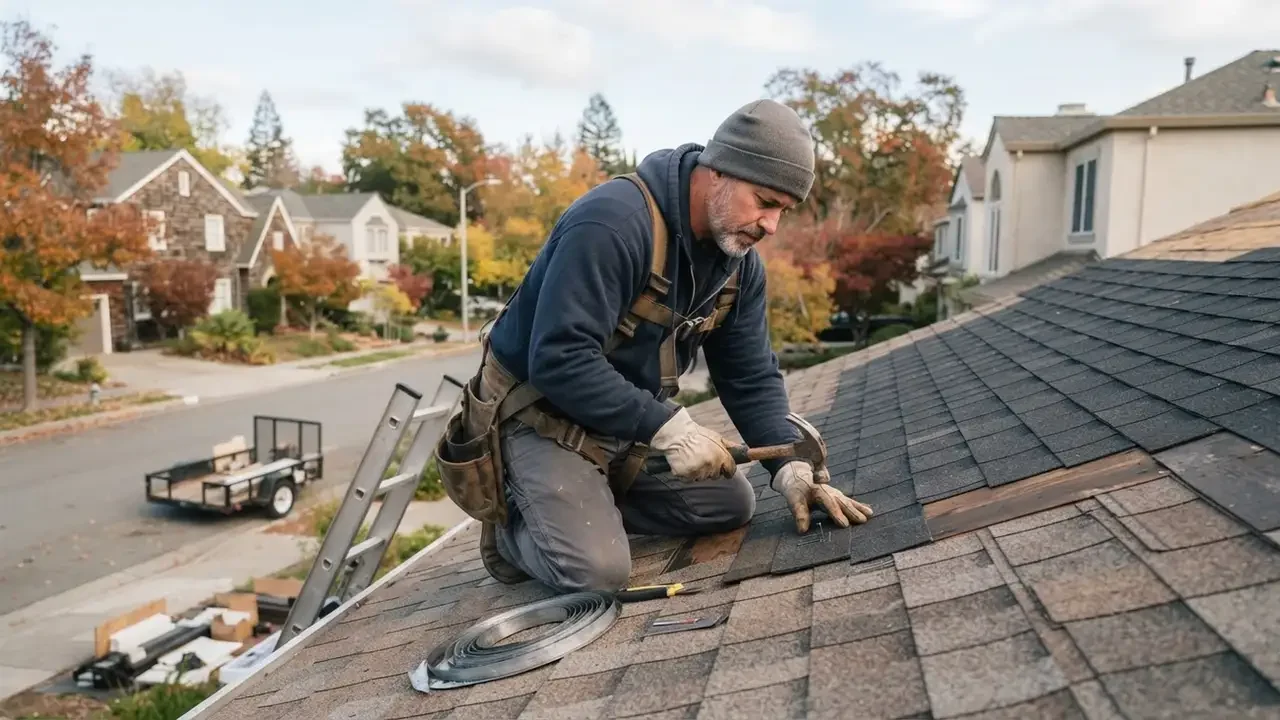
We begin at the section where you see dripping, overflow, or movement, then follow the gutter to its outlet. Our technician checks seams, end caps, hangers, pitch, fascia, and downspout connections from a secured extension ladder. An initial inspection commonly takes 20 to 40 minutes, depending on roof height and access, and we show you the failure before recommending a repair.
A drip does not always start where it appears, so we check the roof edge and nearby joints for the actual entry path. We use a moisture meter when staining suggests water has reached wood, and a controlled water test when conditions allow. This step distinguishes a leaking seam from roof runoff crossing damaged flashing or a blocked outlet.
We tell you whether the repair calls for seam resealing, a new hanger, a corrected slope, a downspout connection, or replacement of a short damaged section. You receive upfront pricing before work starts. If we find fascia deterioration or a roof leak beyond the gutter, we explain the related issue clearly rather than masking it with sealant.
Our team cleans and dries the repair area, secures loose components, and applies compatible sealant where a joint needs sealing. A pry bar and roofing hammer help with careful adjustment; we avoid bending sound gutter material or disturbing shingles unnecessarily. A small, accessible repair often takes one to three hours, while multiple damaged sections require more time.
We run water through the repaired section and watch the seam, outlet, and downspout for leaks or backup. You can see the result before we pack up. We also point out any debris or roof-edge condition that could affect future flow, then leave you with simple maintenance guidance for the next seasonal check.
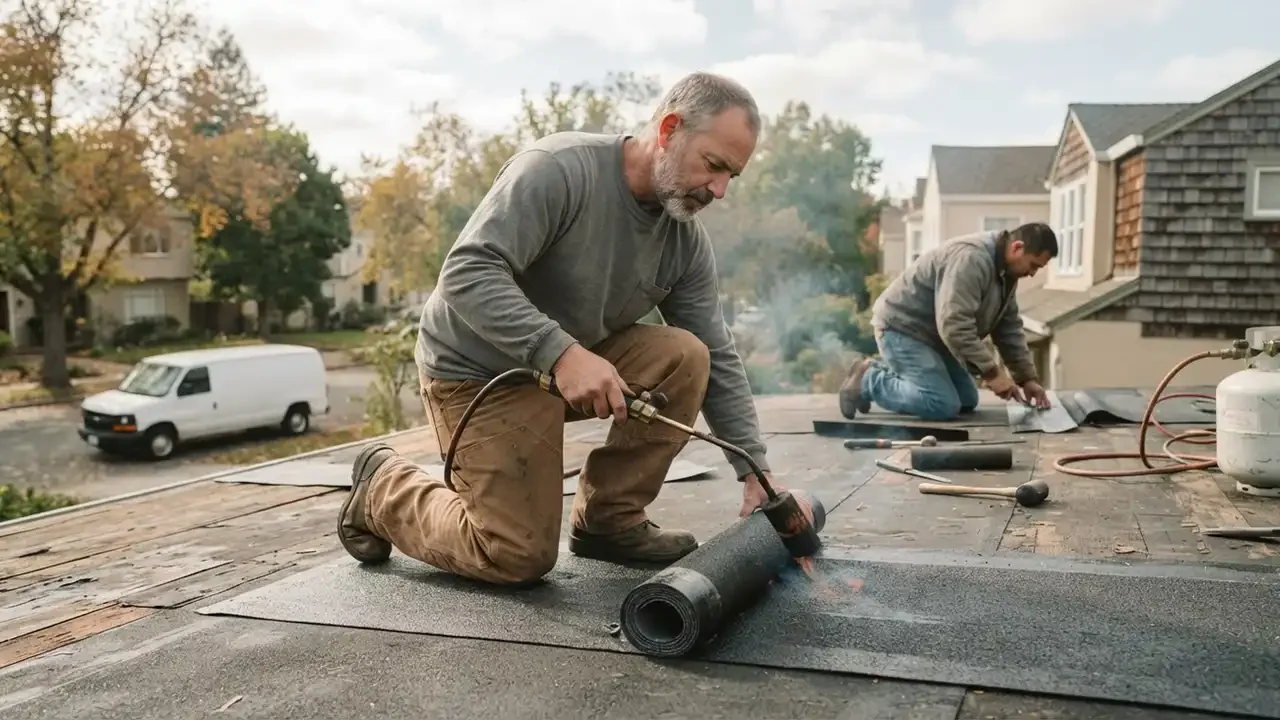
We use a properly positioned extension ladder to reach the eave while keeping the base on stable ground. Access is planned around landscaping, walkways, roof height, and overhead hazards.
A safety harness provides fall protection when the roof-edge setup and task require it. Our crew assesses access conditions before work, rather than treating every ladder position as identical.
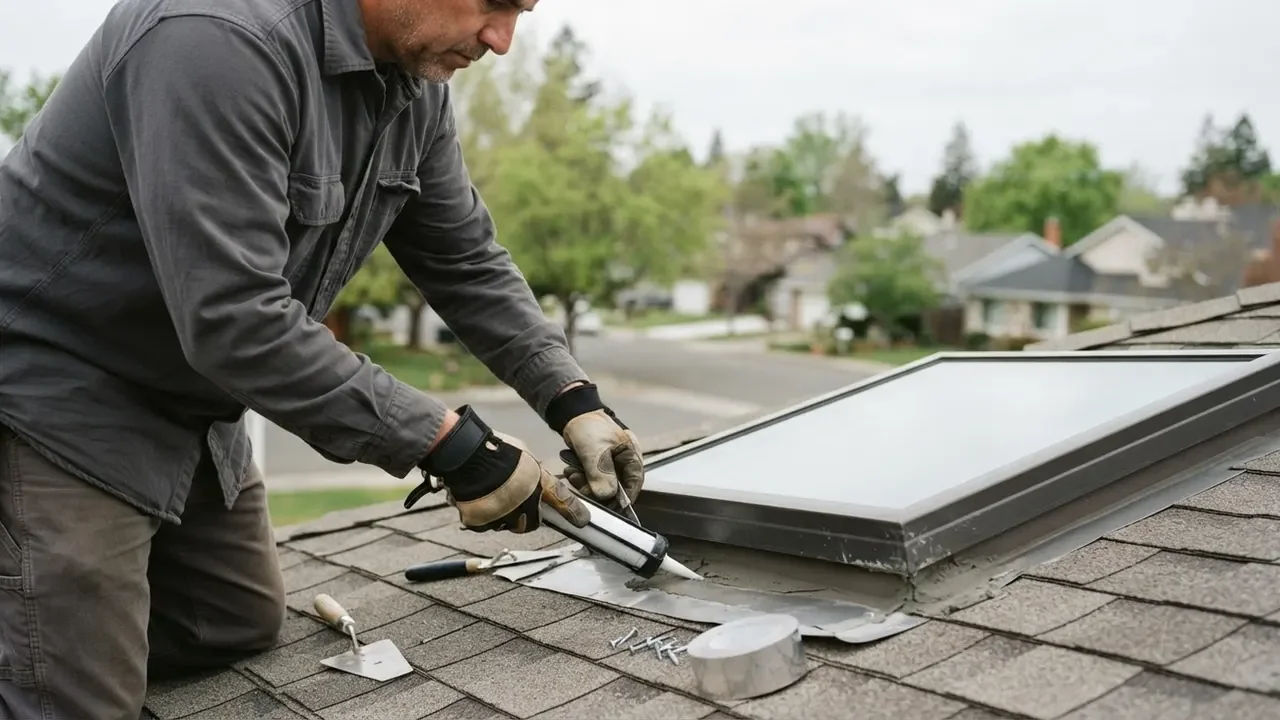
A caulking gun applies roof sealant evenly to a prepared gutter seam or end-cap joint. We use the product suited to the material and allow the repair to set according to its instructions.
We use a moisture meter to check suspicious fascia or trim when staining suggests water has entered the wood. The reading helps us identify whether the gutter attachment surface needs attention before re-fastening.
A roofing hammer supports careful adjustment and fastening at compatible roof-edge assemblies. We use controlled hand work to avoid denting sound gutter material or disturbing nearby shingles.
After the repair, we introduce water at the affected gutter section and observe the seam, outlet, elbows, and downspout discharge. This confirms whether the repair holds and reveals backup or overflow that a dry visual inspection cannot show. We do not call the job complete until the water follows the intended route.
Before tightening or replacing a hanger, we inspect the fascia where the fastener must hold. We remove loose material only as needed to evaluate the attachment point and identify soft or damaged backing. Secure support depends on sound wood; fastening into deteriorated fascia only repeats the failure.
We trace water from the visible drip toward the roof edge, checking seams, end caps, shingle edges, and flashing. A controlled water test helps separate a gutter leak from roof runoff entering behind the channel. Finding the source first prevents an unnecessary bead of sealant from masking a different defect.
We inspect the gutter line for low spots and verify that water can move toward an open outlet. The check includes hanger condition and downspout connections, not just the visible sag. Once adjusted, water is run through the section to confirm the channel drains rather than holding a pool.
We secure the area, inspect the gutter supports and fascia, and determine whether the section can be reattached or needs a short replacement. We also check the downspout outlet for debris or damage that may have increased the load. Once stable, we test the run with water. The corner sits securely, and runoff moves into the downspout instead of pouring across the steps or against the wall.
We inspect the gutter and roof edge to distinguish overflow from a roof leak. The check includes nearby shingles, flashing, fascia, and the gutter seam. If the water source is above the gutter, we explain the related roof repair rather than sealing an unrelated joint. You get a clear diagnosis of the water path and a repair aimed at the source, reducing the chance of another stain.
We check the outlet opening, gutter pitch, and each downspout connection for restrictions or leaks. Our technician tests the route from the gutter through the discharge point and corrects the component preventing proper flow. We also note whether the affected run needs regular debris checks. Water drains through the intended route, and the property team knows which outlet and connection need attention during maintenance.
We examine the seam for separation, corrosion, movement, and failed sealant. If the material remains sound, we prepare and reseal it; if it is split or badly bent, we discuss a short section replacement. A water test confirms whether the joint holds. The repair matches the condition of the gutter, helping avoid a temporary patch on material that can no longer support a lasting seal.
Gutter repair in Bay City, Texas has to account for intense rain, wind-driven runoff, heat, and debris that can collect at outlets. These conditions expose weak seams and loose hangers quickly: a small drip during dry weather can become overflow when a heavy shower fills the channel. We inspect the whole route, including the roof edge and downspout discharge, and do not assume a leak starts at the spot where water becomes visible. Bay City properties include varied roof heights and materials, so ladder access and repair method are chosen for the building rather than one standard setup. Our team checks fascia before reattachment and looks for roof flashing or shingle damage that can send water behind the gutter. If you need gutter seam repair Bay City TX, we prepare the joint and test it after the sealant work. For a recurring leak, the goal is to find the condition that keeps reopening the seam, not simply apply another layer. We explain the repair and nearby concerns clearly, then leave the water path operating as intended.
Mixed building heights and close side access can affect ladder placement. We plan access carefully and check that a repaired downspout discharges away from entries and pedestrian routes.
Wind-driven rain can expose gaps at seams and end caps. We inspect for water traveling behind the gutter as well as leaks directly through the channel.
Older fascia and varied roof-edge details make attachment checks important. We verify the backing before fastening a loose gutter and note any soft wood that needs repair.
Tree debris can collect at outlets and create overflow even when most of the gutter looks clear. We check the outlet and downspout connection during a repair visit.
A partially blocked outlet makes a minor seam failure harder to spot until water rises and spills over the edge. We test the outlet and downspout rather than treating the visible drip alone.
A leak at the fascia may come from roof-edge flashing or shingle damage instead of the gutter itself. We inspect the transition and explain which component needs repair.
Sealant and supports can fail when a gutter repeatedly holds water or moves under load. We check for standing water, loose hangers, and material damage before choosing a repair.
A homeowner in Downtown Bay City noticed a steady drip from a gutter joint during rain. Water tracked down the fascia, and the seam had old sealant lifting at one edge. The gutter itself remained straight, but debris near the outlet slowed drainage and kept water against the joint.
We cleared the outlet, prepared the seam, and applied compatible sealant to the clean, dry joint. A controlled water test showed the outlet draining and the repaired connection holding without a visible drip. The customer could see the difference before we left, and the fascia no longer took the same direct runoff.
Maintenance: Check the outlet after leaf fall and look for renewed staining beneath the seam. Clear debris before heavy rain, and arrange an inspection if the joint begins to separate or water appears behind the gutter.
At a Bayview home, a 12-foot gutter section had pulled away at two supports and bowed toward the middle. Water sat in the low spot after showers, and the homeowner worried the section would drop above a side walkway. We checked the fascia before adjusting the hangers.
The fascia backing was firm, so we reset the loose supports and restored a gradual route toward the outlet. The water test cleared the section without leaving a visible pool, and the run remained secure during a final hand check. The repair avoided replacing the full gutter length.
Maintenance: Keep heavy branches and accumulated leaves out of the channel, especially above the repaired run. After a strong storm, look for renewed movement and call if the gutter begins to bow or pull away again.
A Harbor District property had water escaping from an elbow and collecting beside a wall. The gutter above appeared intact, but the connection below the outlet had separated and a strap was loose. The puddle returned after each rain, even when the gutter was clean.
We reconnected the outlet path, secured the loose strap, and tested water through the gutter and downspout. The flow reached the discharge point without leaking at the repaired elbow. The customer saw the water move through the entire route rather than spill beside the building.
Maintenance: Inspect the downspout joints and straps during routine exterior checks. If water pools by the wall again, check for a new separation or blockage and address it before repeated runoff affects nearby surfaces.
A small gutter failure can keep wetting fascia, siding, or the ground beside your foundation every time rain returns. We locate the source, repair the affected connection, and confirm water flows to the outlet. For gutter leak repair to prevent roof damage Bay City TX, we also check the roof edge so a separate flashing or shingle problem is not missed.
Water can run behind the channel and soak fascia, trim, or siding. Continued moisture may lead to peeling paint and wood decay at the roof edge. We inspect the joint for movement, failed sealant, and trapped debris, then prepare the surface before resealing. If the gutter has separated or deformed, we secure or replace the affected section instead of relying on sealant alone. We finish with a flow test and check for water traveling behind the gutter.
Pooled water adds weight to the gutter, stresses hangers, and attracts more debris. During rain, the low point can overflow close to fascia and exterior walls. We check hanger spacing, fastener grip, gutter condition, and fascia strength. Where the material is sound, we reset supports and restore a practical slope toward the outlet. If the fascia is soft, we identify that issue first because new hangers need firm backing to stay secure.
A blocked outlet or leaking elbow can keep water from leaving the roof edge. Overflow may splash onto a walkway, soak the wall, or collect beside the foundation. We clear and inspect the outlet, then follow the downspout through its joints and elbows. We repair loose connections or damaged sections and run water through the route. If the gutter is clean but flow remains weak, we check for a crushed or obstructed downspout.
Water entering behind the channel can wet the fascia and roof edge, even when the visible gutter seam appears intact. The true source may be flashing or a damaged shingle. We inspect the gutter attachment, roof edge, drip edge, and nearby shingles to locate the entry path. We repair the gutter where it has failed and explain any separate roof repair needed. That distinction keeps a gutter patch from hiding a continuing roof leak.
Gutter failures often overlap with roof-edge defects, so our roofing work informs how we diagnose each repair. We distinguish a bad seam from water entering under asphalt shingles, a loose drip edge, or a roof flashing failure. Our team uses safe ladder practices, checks the substrate before fastening, and matches sealant to the gutter material and joint. We do not claim a gutter credential that does not apply; we focus on sound inspection, careful workmanship, and a water test that proves the repaired path is draining.
Water kept dripping from one joint and running down the fascia whenever it rained. The crew showed me the separated seam, cleaned the area, and sealed it properly. They also ran water through the downspout before leaving. The gutter now drains without the steady spill that had been staining the trim.
A section had pulled away above our side entrance, and I was worried it would drop during the next storm. The team checked the fascia before reattaching it and replaced the loose support. They tested the run and explained what to watch for after leaf fall. The entrance is clear of overflow now.
We had water pouring over a corner even after clearing the visible leaves. The technician found a blocked outlet and a leaking connection below it. Both were corrected, and the water test showed the downspout was carrying flow again. The explanation was straightforward, and we knew exactly which parts had been repaired.
Small gutter repairs commonly cost $150 to $450 in Bay City, while multi-section or access-intensive work can reach $850 or more. Typical 2026 pricing depends on gutter material, roof height, damaged length, fascia condition, and whether a downspout also needs repair. We inspect the failure and give you upfront pricing before work begins. A short seam repair costs less than replacing several bent sections or correcting deteriorated attachment points.
Yes, gutters with localized seam, hanger, end-cap, or downspout damage are often repairable. We check whether the gutter body remains straight and securely supported, then inspect the fascia where fasteners attach. If corrosion, repeated separation, or widespread deformation affects most of the run, replacement may be the more durable option. We explain what is still sound and repair only the sections that need work.
A gutter in Bay City most often leaks because a seam has separated, an end cap has failed, a fastener has loosened, or debris has blocked the outlet. Wind-driven rain can expose a small gap, while standing water puts added pressure on joints. We trace the water path and check the nearby roof edge before sealing anything. A leak behind the gutter can point to damaged flashing rather than a gutter seam.
A sagging gutter is corrected by restoring support and slope, usually with secure hangers and sound fascia behind them. We first remove or account for debris and standing water, then check the gutter line with a level and inspect the fastening surface. Simply adding a screw can fail if the fascia is soft or the pitch sends water the wrong way. We test drainage after the adjustment.
Not seeing your question? Our local team can help you understand urgency, scheduling and what to expect.
Ask the local team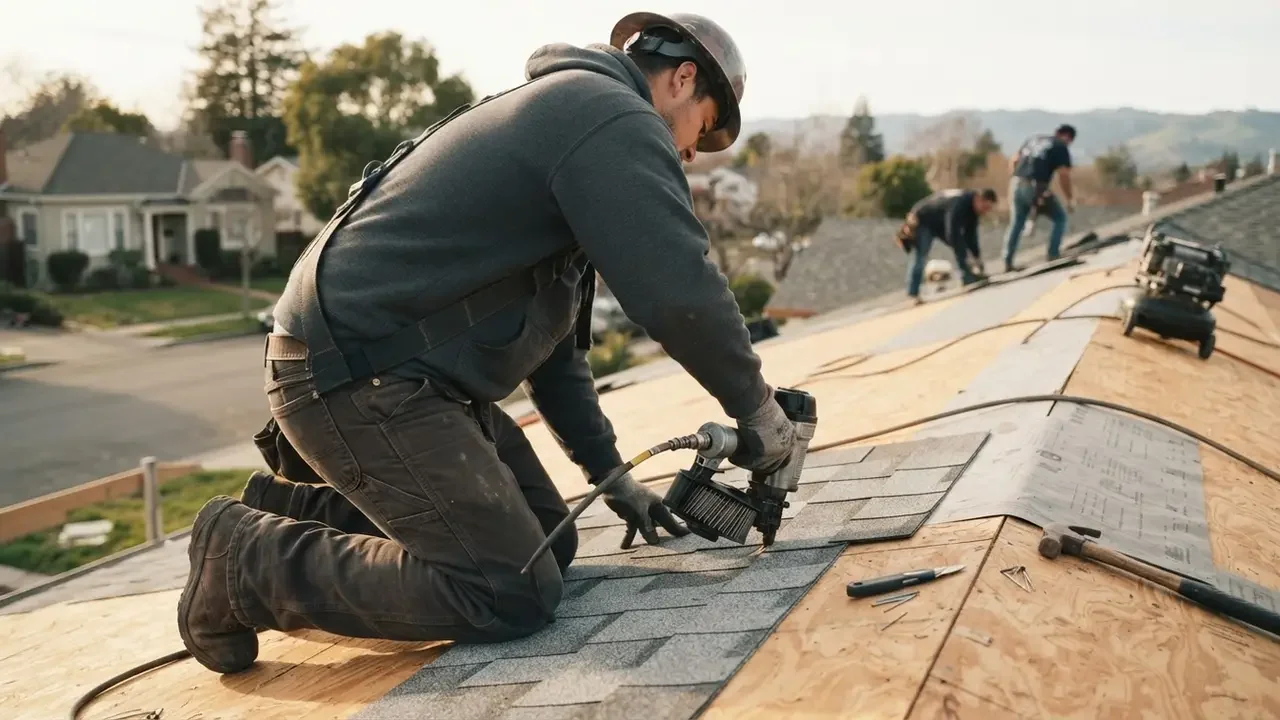
A gutter leak can be mistaken for water entering through the roof edge. Our Roof Repair team checks shingles, underlayment, and nearby flashing when gutter inspection shows water arriving from above. We address the source so repaired drainage is not expected to contain a separate roof leak.
View service
A roof replacement is a good time to coordinate gutter condition, drip edge, and roof runoff planning. We assess the existing gutter run before roofing work and identify sections that should be repaired or replaced to match the finished edge. This reduces avoidable disturbance to sound gutters.
View service
Water staining near an eave may come from a roof leak rather than a gutter seam. Roof Leak Repair traces the entry point around shingles, underlayment, and flashing, then fixes the source. We can check gutter connections during the same visit to separate the two problems.
View service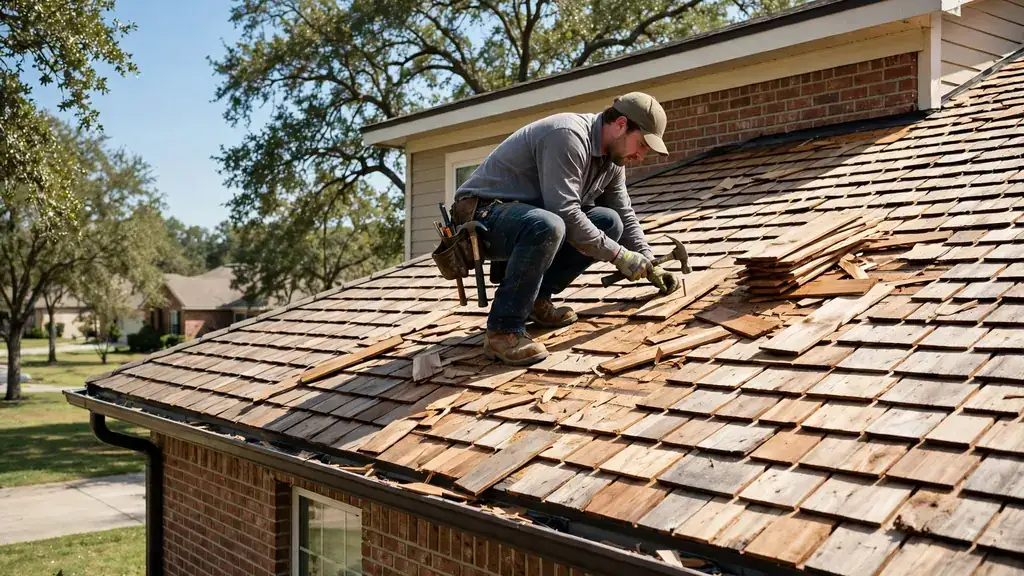
After wind or heavy rain, a detached gutter can expose fascia and send runoff against the building. Emergency Roof Repair addresses urgent roof-edge damage and helps secure affected areas. We inspect the gutter attachment and the roof edge, then prioritize the work needed to limit further water entry.
View service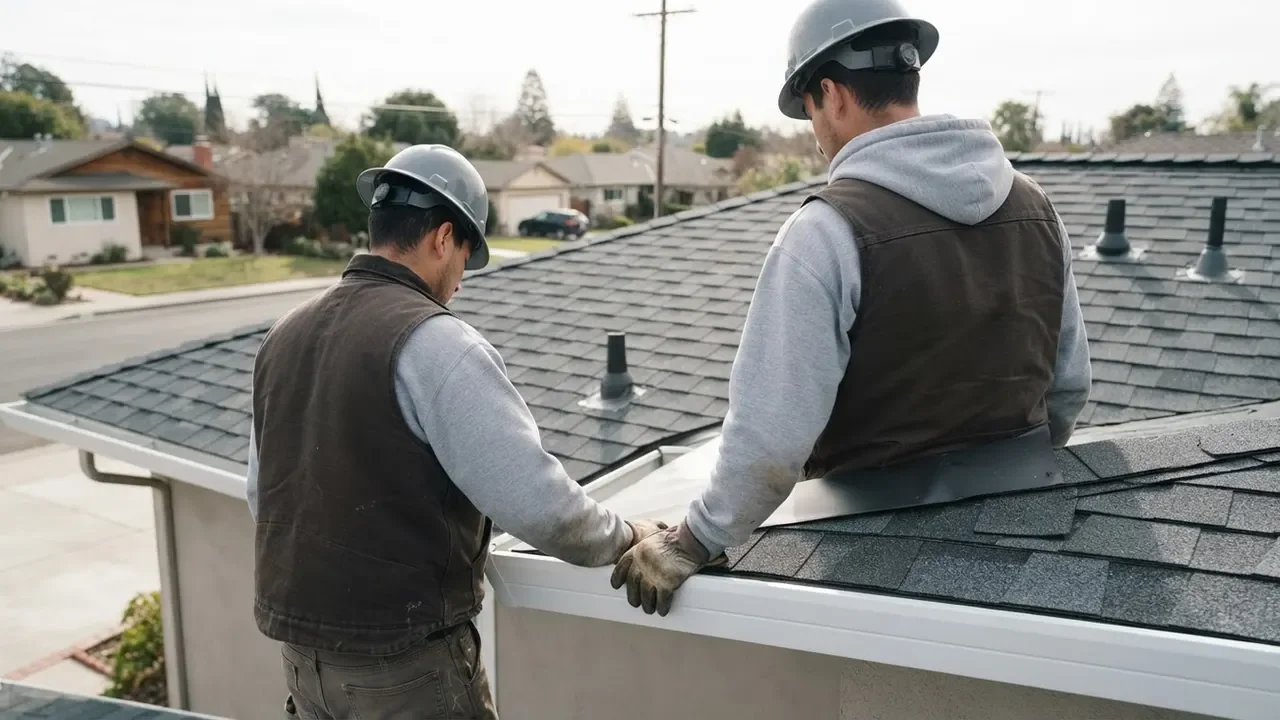
Call (877) 791-3217 to discuss a roof leak, storm damage, inspection, or replacement in Bay City. We connect you with independent roofing companies and help you get the conversation started. Calls are accepted around the clock for urgent roofing needs; tell us whether water is actively entering and where you see the damage.