Focused Arrival Windows
Useful updates and clear arrival timing.
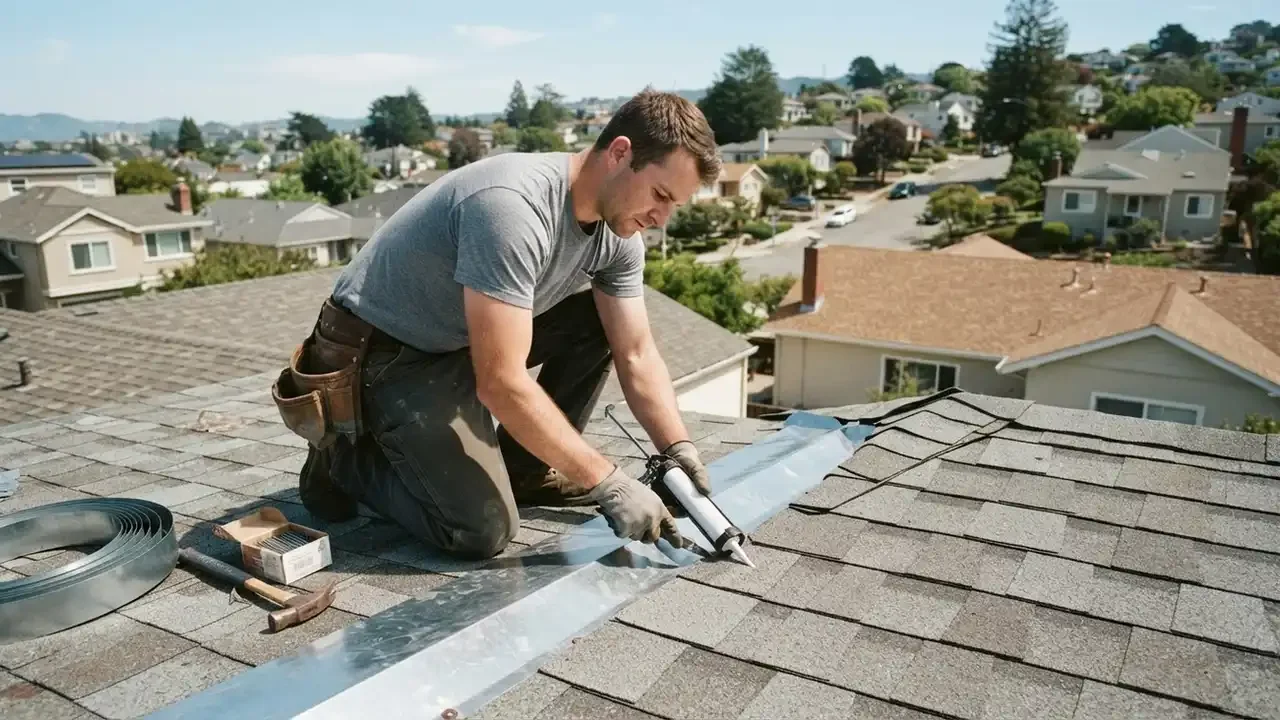
Metal roof repair in Bay City, Texas helps homeowners and commercial property managers stop active leaks, secure loose panels, and address corrosion before water reaches the roof deck. We inspect the roof system, identify the entry point, and explain the repair plainly. If you have a ceiling stain, rattling panel, or failed fastener, call Bay City Roofing, TX at (877) 791-3217.
Useful updates and clear arrival timing.
Review the approach and price before deciding.
Equipped vehicles and respectful cleanup.
Neighbors serving neighbors with follow-through.
Our metal roof repair covers diagnosis and correction of the agreed roof fault, such as a localized leak, loose fastener, damaged flashing, or isolated panel issue. We inspect adjoining details because water can travel before entering the building. Larger structural repairs, full roof replacement, and unrelated interior restoration are separate work. We explain the repair plan and price before proceeding.
We inspect the roof area linked to your leak, including seams, fasteners, penetrations, and flashing. If a ceiling stain sits away from the entry point, we follow the roof's drainage and panel direction to locate the likely source rather than patching only the visible interior mark.
We check for backed-out or damaged fasteners and failed seam sealant, then repair the affected detail using products suited to the metal system. Proper fastening and compatible sealant help keep water out without creating a new problem through mismatched materials.
Where a panel is punctured, badly bent, or too corroded to seal, we assess whether a section can be replaced. We check the surrounding panels and attachment points so replacement work fits the existing roof profile and directs water correctly.
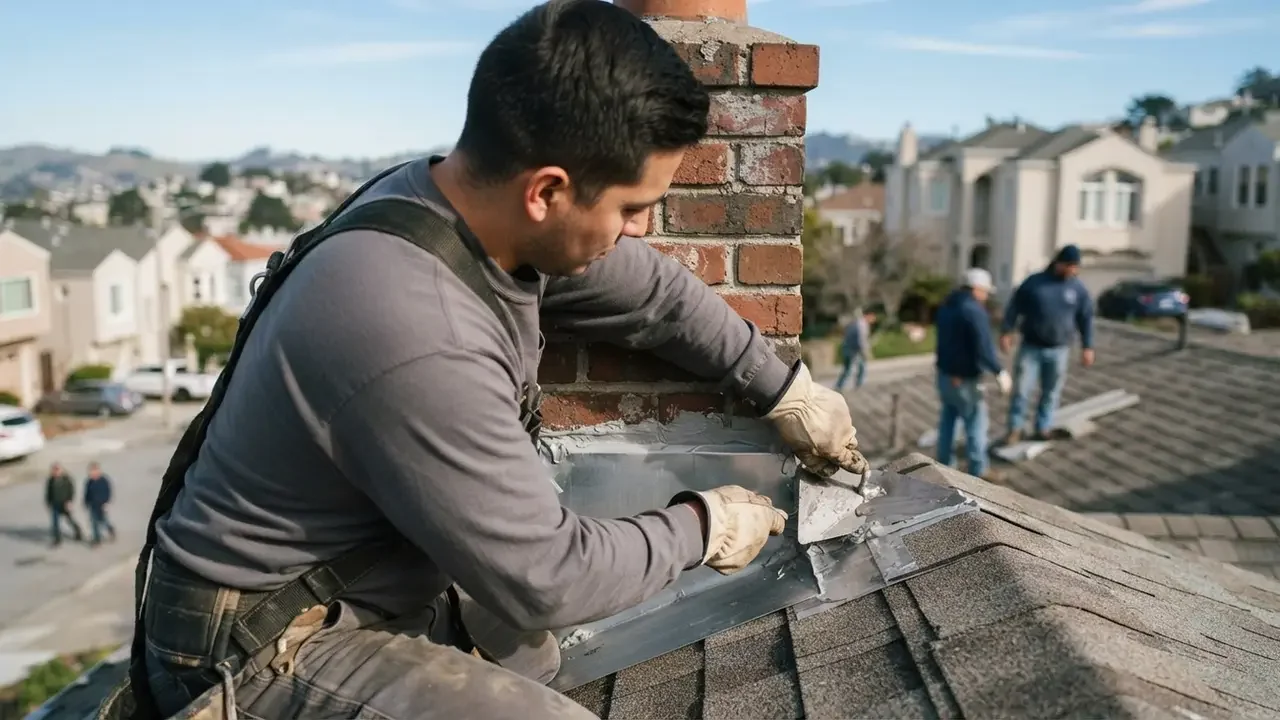
We examine flashing around chimneys, vents, skylights, and wall transitions for lifted edges, gaps, or worn sealant. The repair restores the water-shedding connection between the opening and the roof, which is critical where metal panels meet another surface.
After the repair, we review the completed area for secure panels, sealed details, and clear drainage. We explain what was corrected and give you simple guidance on what to monitor, such as a returning stain or a newly loose panel after severe wind.
Share what is happening and receive a clear next step from the local team.
Metal roof repair in Bay City, Texas is a roofing service that restores leaking, loose, corroded, or damaged metal roof components while keeping sound panels in place. We trace water paths, inspect seams and fasteners, and check roof flashing, penetrations, and the supporting deck before choosing a repair. Depending on the damage, work can include replacing a panel, renewing a seam, correcting a fastener pattern, or applying compatible roof sealant. A moisture meter helps us distinguish a wet surface from moisture trapped below the metal.
Bay City roofs face driving rain, strong gusts, humid air, and repeated sun exposure that can stress exposed fasteners and sealant. A small opening around a screw can let water travel along a panel before it appears indoors, so the ceiling stain is not always directly below the entry point. Our metal roofing repair Bay City TX service checks likely leak paths as well as visible damage. If you are searching for metal roof leak repair in Downtown Bay City TX, we inspect the affected slope and nearby transitions rather than sealing only the stain.
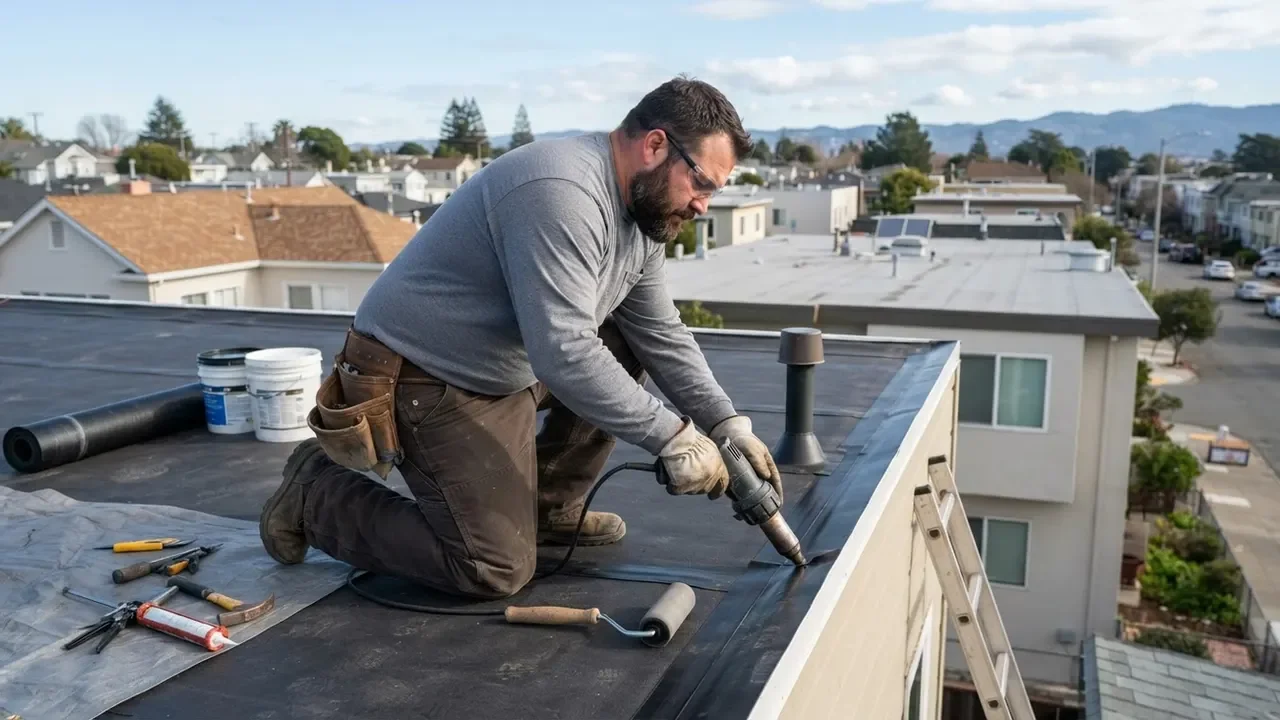
We start by asking when the leak appears, where you see staining, and whether wind or recent rain changed the problem. Photos from inside can help us narrow the search, but they do not replace a roof inspection. This first conversation takes about 10 to 15 minutes and helps us arrive ready to check the likely roof areas.
Our crew checks the affected slope, panel laps, fasteners, flashing, and roof penetrations. We use an extension ladder and safety harness where required, and a leaf blower can clear loose debris without forcing water beneath the panels. A typical visual inspection takes 30 to 60 minutes, depending on roof size and access.
We compare the interior moisture pattern with exterior conditions, then check for loose screws, open seams, corrosion, or failed flashing. An infrared thermal camera can help identify temperature patterns associated with trapped moisture; we confirm findings against visible roof details. We explain the likely entry point and the repair approach before starting.
We replace damaged fasteners or panels, restore a compatible seam, or correct flashing as the roof requires. For screw and seal work, we use the right fastener and sealant for the metal system rather than mixing incompatible products. A small repair often takes two to four hours; extensive panel work takes longer.
We inspect the finished repair for secure attachment, sealed transitions, and clear drainage. When conditions allow, we check the repaired area with controlled water rather than relying on appearance alone. Before leaving, we show you the completed work, explain any remaining concerns, and share simple maintenance steps for the next inspection.
We use a moisture meter to compare readings around interior staining and help determine whether moisture remains in nearby building materials after a roof leak.
An infrared thermal camera helps us spot temperature patterns that can indicate trapped moisture, which we then verify against the roof construction and visible conditions.
We apply compatible roof sealant with a caulking gun at selected seams and transitions, controlling the bead so it seals the detail without blocking drainage.
A safety harness supports fall protection on roof work where access, pitch, and conditions require it. We assess the work area before climbing and keep tools secured.
We use a leaf blower to clear loose leaves and debris from the repair area, allowing us to inspect panel laps and drainage without pushing debris under the metal.
We start with the interior evidence, then inspect the roof slope above it and follow panel direction, seams, and penetrations. Because water can travel before entering the building, we check nearby details instead of treating the ceiling stain as the source.
We identify the existing panel and fastening arrangement before replacing loose or damaged screws. The replacement must suit the roof system and engage sound material. We check the surrounding line for movement or enlarged holes that would make a simple screw change inadequate.
We assess whether a damaged panel can be repaired or needs replacement, then restore adjacent flashing and water-shedding overlaps. Work follows the panel profile and drainage direction. This method avoids sealing a detail in a way that traps water or directs it beneath the metal.
After installation, we review the repair for secure attachment, sealed edges, and unobstructed drainage. When weather and access allow, we use controlled water to check the repaired area. We also explain what the test confirms and what conditions would require another inspection.
We inspect the panel attachment, neighboring seams, and flashing for wind-related movement. If the panel remains usable, we secure it and repair the affected details. If the metal is bent beyond a dependable repair, we explain the panel replacement needed to restore the roof surface. The loose edge is secured, the leak path is addressed, and you know whether nearby panels need follow-up attention.
We check the vent flashing and nearby panel seams, then trace moisture along the roof assembly. We repair the failed connection and check the drainage path around the penetration. The work is planned to limit disruption while giving the affected area a sound water-shedding detail. The immediate entry point is repaired, helping protect equipment and interior finishes from further water exposure.
We inspect whether rust is superficial or has affected the panel, then check nearby fasteners and coating. We address isolated fastener problems and identify any panels that need replacement. Catching the issue before water enters can keep a small maintenance repair from becoming interior leak work. You get a clear picture of the affected area and a practical repair plan before moisture reaches the ceiling or insulation.
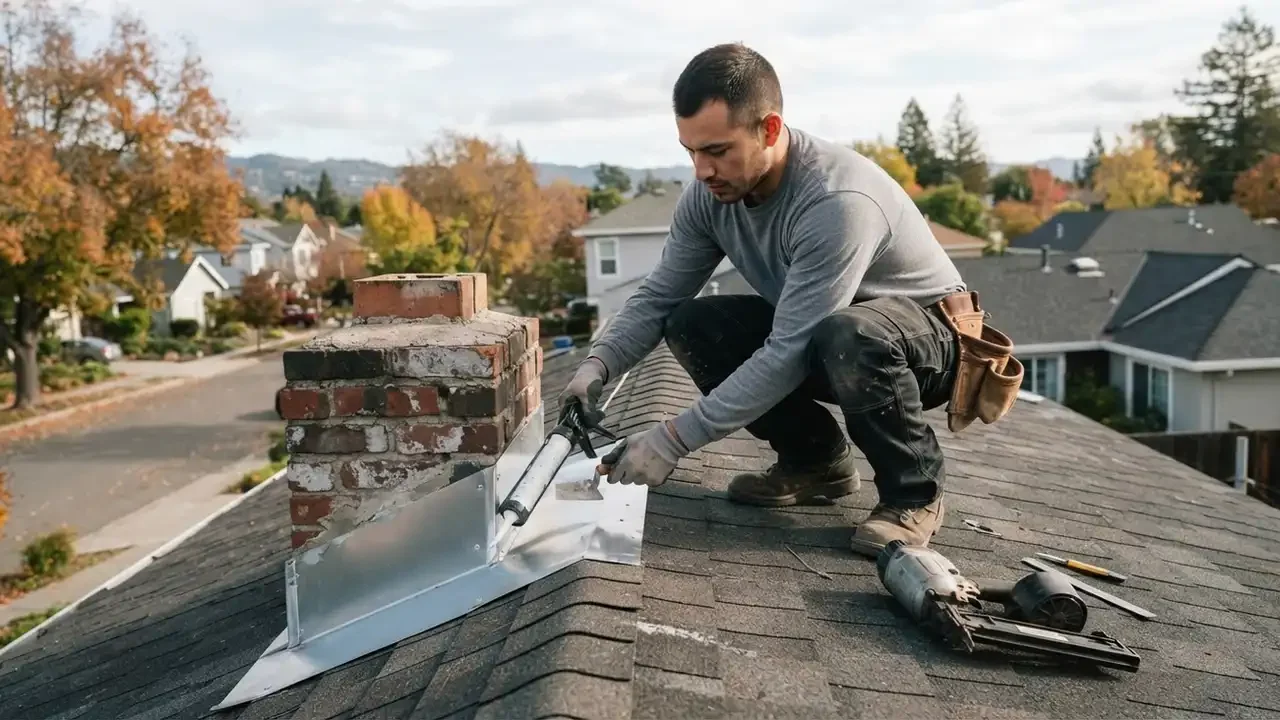
We examine the chimney flashing, panel edges, and the direction rain reaches the roof. The crew corrects gaps or lifted metal and checks how the transition sheds water. We do not assume the visible ceiling stain marks the exact leak location. The repaired transition directs runoff away from the chimney opening and reduces the chance of recurring storm-related leakage.
Metal roofs in Bay City take repeated exposure to strong sun, humid air, and driving rain, all of which can stress sealants, coatings, and fasteners. We check for corrosion as well as storm movement, especially around panel ends and roof penetrations. On older homes and mixed-use buildings, additions can create awkward transitions between metal panels and other roof materials; those junctions deserve close inspection. Our metal roof rust repair Bay City, Texas work starts by checking whether corrosion is on the coating or has weakened the panel itself. For a repair near the waterfront or in a dense neighborhood, we also plan ladder placement and protect the ground-level work area. We follow applicable local building requirements and use manufacturer-compatible repair details where available. If you need same day metal roof repair Bay City, Texas after a storm, call us with the leak location and roof type; we will discuss the next practical step and safe access. We do not apply a patch until we understand how water moves across the roof.
Older buildings and later additions can create multiple roof transitions. We inspect where metal panels meet walls, chimneys, or adjoining roof materials.
Open exposure can put extra stress on panel edges and fasteners during gusty weather. We check attachments and protective coatings around the affected area.
Mixed roof ages and past repairs call for checking whether existing sealants and replacement fasteners suit the current metal panel system.
Homes with roof openings or additions need careful inspection around vents and skylights, where flashing details can become leak paths.
Rain pushed across a panel can enter at a small seam or flashing gap, then travel before showing indoors. We inspect the surrounding roof details and not just the location of the ceiling stain.
Moisture can accelerate corrosion where a coating is scratched or a fastener has failed. We assess whether rust is surface-level or has reduced the panel's strength before choosing a repair.
Daily heating and cooling can move metal and wear sealant at joints. We use repair materials compatible with the roof system and check that the finished detail allows proper drainage.
A homeowner in Bay City noticed a ceiling stain after heavy rain and heard a light rattle above the bedroom. Several fasteners had backed out along one panel line, leaving small openings. Water followed the panel underside before reaching the ceiling, and the indoor mark was not directly below the roof defect.
We replaced the failed fasteners, checked the surrounding attachment line, and sealed the affected detail with compatible material. The repair covered one panel run and took about three hours. The customer received a walkthrough of the repaired area and guidance to check the ceiling after the next substantial rain.
Maintenance: Keep the repaired roof area clear of branches and look for new stains after storms. A visual roof check once a year and after significant wind helps catch movement before water reaches the interior.
A Bayview homeowner saw water near a skylight during wind-driven rain. The metal panels looked intact from the ground, but flashing at one side had lifted and sealant had cracked. Water traveled along the opening before appearing on the interior trim.
We reset the affected flashing, renewed the failed seal, and inspected the nearby panel edges. The repair took roughly four hours, including the final review of the drainage route. The skylight remained in place, and the water entry point was corrected without replacing the surrounding roof.
Maintenance: Check skylight trim and nearby ceilings for new moisture after storms. Keep branches away from the roof opening, and arrange an inspection if sealant separates or the flashing edge lifts again.
A property manager in the Harbor District found rust spreading around a puncture in a metal panel above a storage room. The affected metal had thinned, and sealant alone would not restore its strength. Nearby panels appeared sound but needed inspection before replacement work.
We replaced the damaged panel section, checked adjacent fasteners, and confirmed that the surrounding edges directed water downhill. The work took most of a day because of panel matching and safe access. The storage area was protected from further roof entry, with sound panels left undisturbed.
Maintenance: Inspect the roof after storms for scratches, debris impact, or fresh rust. Keep gutters clear so runoff does not back up at the eaves, and address coating damage before corrosion spreads.
A small defect can send water beneath multiple panels before it reaches a room. We track the leak path, assess nearby details, and make a repair suited to the roof assembly. These are common metal roof problems we address for Bay City homeowners and property managers.
Water can reach the underlayment and roof deck, then stain ceilings or damage insulation. Repeated movement also enlarges the opening and loosens nearby fasteners. We inspect the fastener line for backed-out, worn, or misplaced screws and check the condition of the surrounding metal. We replace failed fasteners with compatible components and address the seal at each affected point. If the panel hole has widened or corrosion has spread, we explain whether a larger repair is needed.
Wind-driven rain can push into the opening and travel along the underside of the metal. The leak may show indoors well away from the failed seam. We trace the moisture pattern to the seam, then inspect nearby flashing and panel edges. We remove failed material where needed and restore the connection with a compatible method. Our metal roof screw and seal repair Bay City TX service also checks whether movement or poor drainage contributed to the failure.
Corrosion can thin the panel and compromise its coating, while a puncture gives water a direct route to the roof assembly. A patch over unstable metal will not last. We assess the size and depth of corrosion, check adjacent panel condition, and determine whether treatment or replacement is appropriate. We do not rely on sealant alone when the metal has lost its strength. If only one panel is affected, a matched replacement can preserve sound sections around it.
Water collects at roof penetrations and may reach framing or interior finishes before the leak becomes obvious. Continued moisture can damage nearby materials. We inspect the opening, flashing overlap, and adjacent panels to find the actual entry point. We correct lifted or damaged flashing and renew compatible seals where required. Afterward, we check that water can drain away from the penetration instead of pooling at the repair.
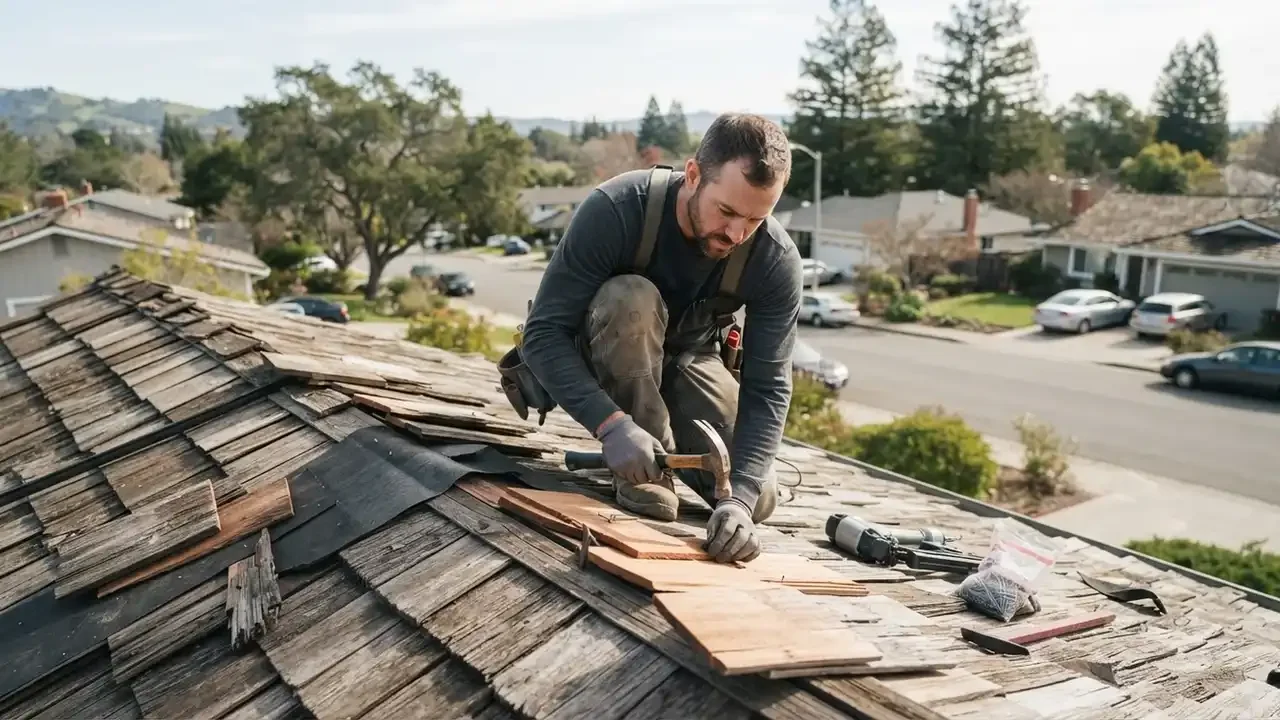
Metal roofs demand repair details that suit the panel profile and coating, not a generic patch. Our team examines how panels move, where water drains, and how fasteners and flashing interact. We work on exposed-fastener and standing-seam systems, identifying when a localized repair is sound and when broader deterioration calls for a different plan. We also account for roof access, weather, and the condition of the deck. Our guidance is based on the roof in front of us, not a one-size-fits-all replacement pitch.
We noticed a brown ceiling mark after a windy rain and expected a much larger problem. The crew found a loose fastener and a split seal near a roof transition. They repaired both, showed us the finished area, and explained what to watch during the next storm. The leak stopped, and the visit was clear from the first call.
A metal panel had started rattling and water was getting into a storage room. Bay City Roofing checked the attachment and nearby flashing instead of just applying sealant over everything. They secured the affected section and tested the repair. We appreciated getting a direct explanation of what needed attention and what could wait.
Our leak appeared beside a skylight, but the stain was not directly under the roof opening. The team traced it to damaged flashing and repaired the transition with materials suited to the metal roof. They cleaned up the work area and walked me through the repair. We have had no water coming in since.
A localized metal roof repair in Bay City often costs $250 to $1,200 in 2026, depending on access, materials, and damage. Replacing several panels or repairing structural damage can raise the total. We inspect the failure, explain the work, and provide upfront pricing before the repair. For a useful comparison, distinguish a fastener or seal repair from panel replacement and flashing work.
A properly installed and maintained metal roof often lasts 40 to 70 years, depending on the metal, coating, installation, and exposure. Coastal humidity, standing water, damaged finishes, and neglected fasteners can shorten service life. We check for corrosion, loose attachments, and failed sealant during an inspection. Prompt repairs and periodic checks help you protect the roof without assuming every aging panel needs replacement.
Yes, metal roofs in Bay City can be repaired when the panels and supporting structure remain suitable for service. We can address leaks, loose fasteners, limited corrosion, failed flashing, and isolated panel damage. The repair method depends on panel design and coating. We inspect the affected area and surrounding details before advising whether a repair will hold or a larger replacement is the better fix.
A metal roof in Bay City commonly leaks because of loose fasteners, failed seam sealant, damaged flashing, corrosion, or an opening around a roof penetration. Water can travel along a panel, so the indoor stain may sit several feet from the entry point. We trace the moisture path and inspect nearby transitions before repairing it. A timely inspection can prevent water from damaging insulation or framing.
Not seeing your question? Our local team can help you understand urgency, scheduling and what to expect.
Ask the local team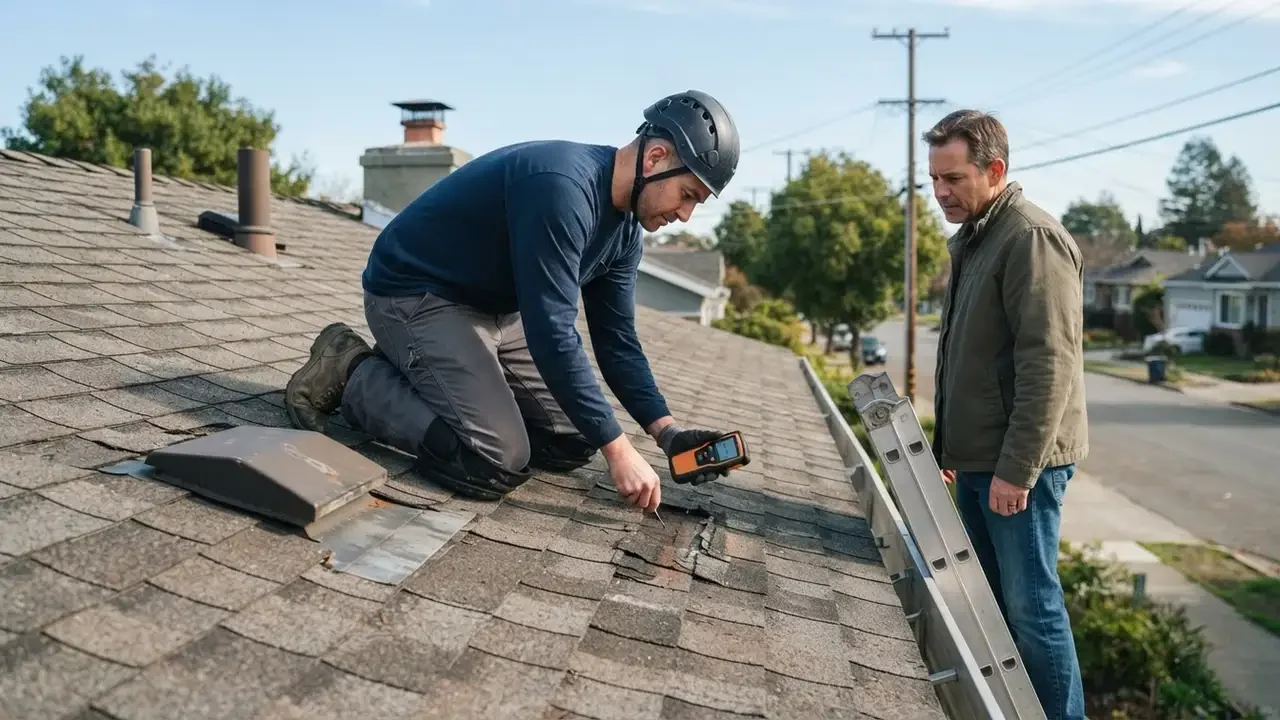
Roof Repair addresses damage beyond metal systems, including leaking transitions and storm-affected areas. We inspect the complete roof surface, identify the failure, and recommend a repair suited to the material. If your Bay City property has more than one roofing type, we can assess how each area drains and connects.
View service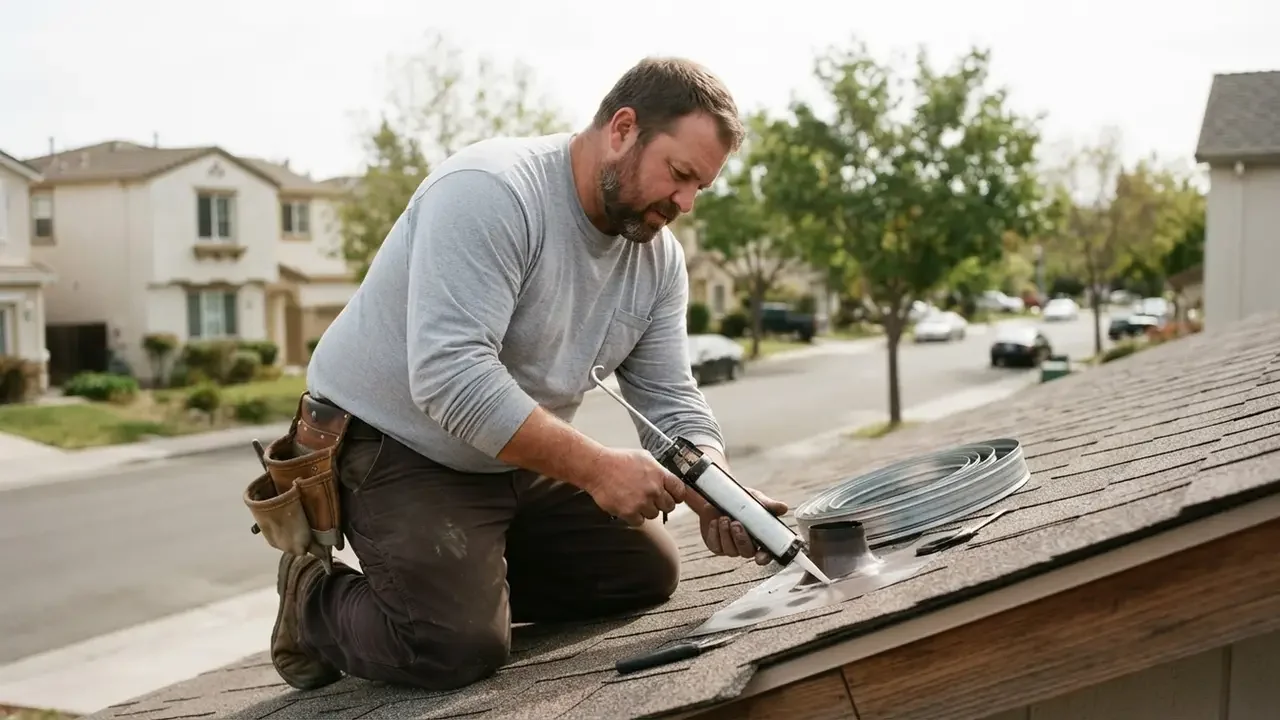
Roof Replacement is appropriate when panels, underlayment, or supporting components have widespread deterioration that individual repairs cannot correct. We review the roof condition and explain replacement options for your Bay City property. A sound repair remains the better choice when damage is limited and the surrounding roof is serviceable.
View service
Roof Leak Repair focuses on stopping water entry and protecting interior finishes. We trace the leak to its source, whether it involves metal seams, flashing, or another roof detail. If your Bay City home has ceiling stains after rain, this service pairs diagnosis with the repair needed to restore water shedding.
View service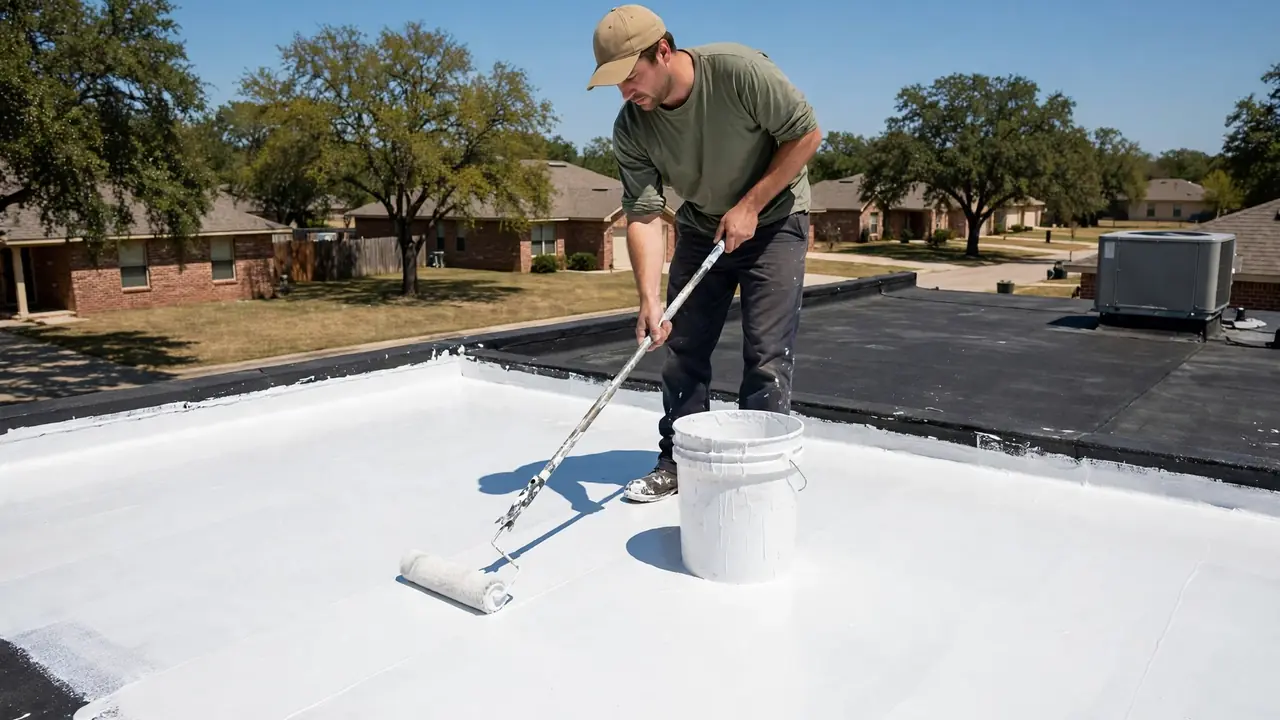
Emergency Roof Repair helps limit water entry after a storm damages a panel or opens a roof transition. We assess immediate hazards, protect exposed areas where conditions permit, and plan the lasting repair. For Bay City property owners, quick attention can reduce damage to ceilings, insulation, and stored contents.
View service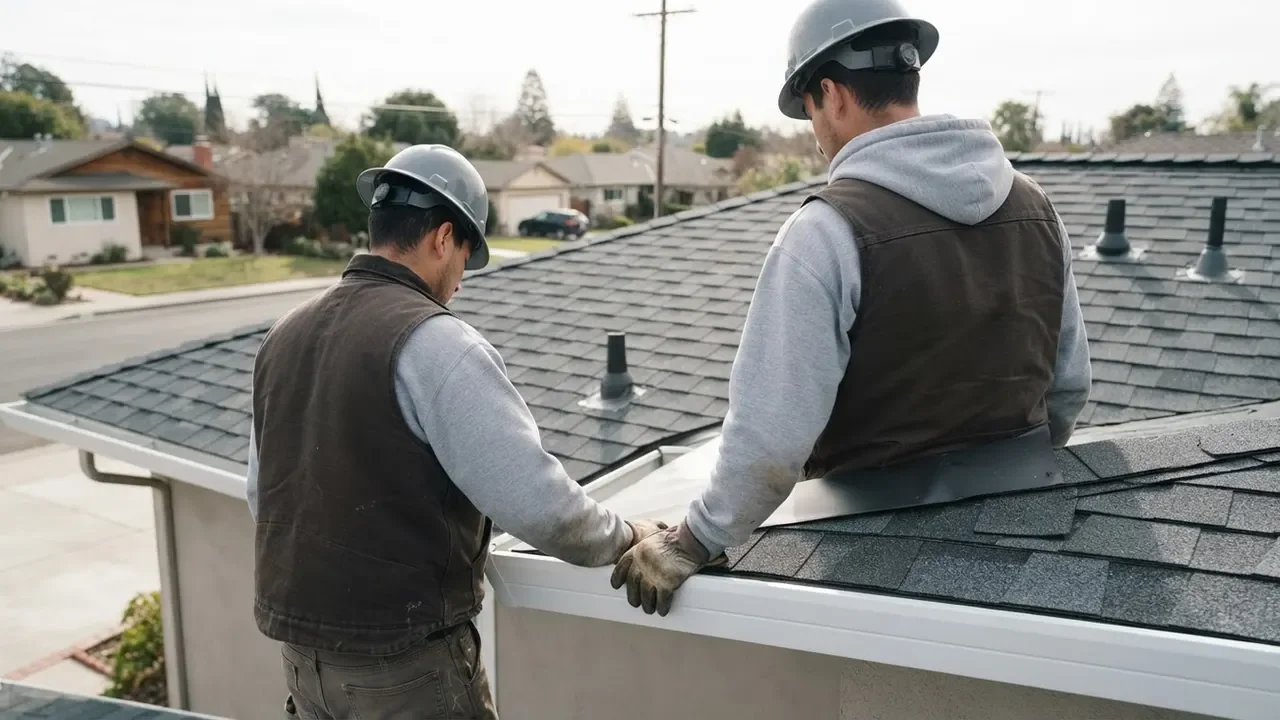
Call (877) 791-3217 to discuss a roof leak, storm damage, inspection, or replacement in Bay City. We connect you with independent roofing companies and help you get the conversation started. Calls are accepted around the clock for urgent roofing needs; tell us whether water is actively entering and where you see the damage.