Focused Arrival Windows
Useful updates and clear arrival timing.
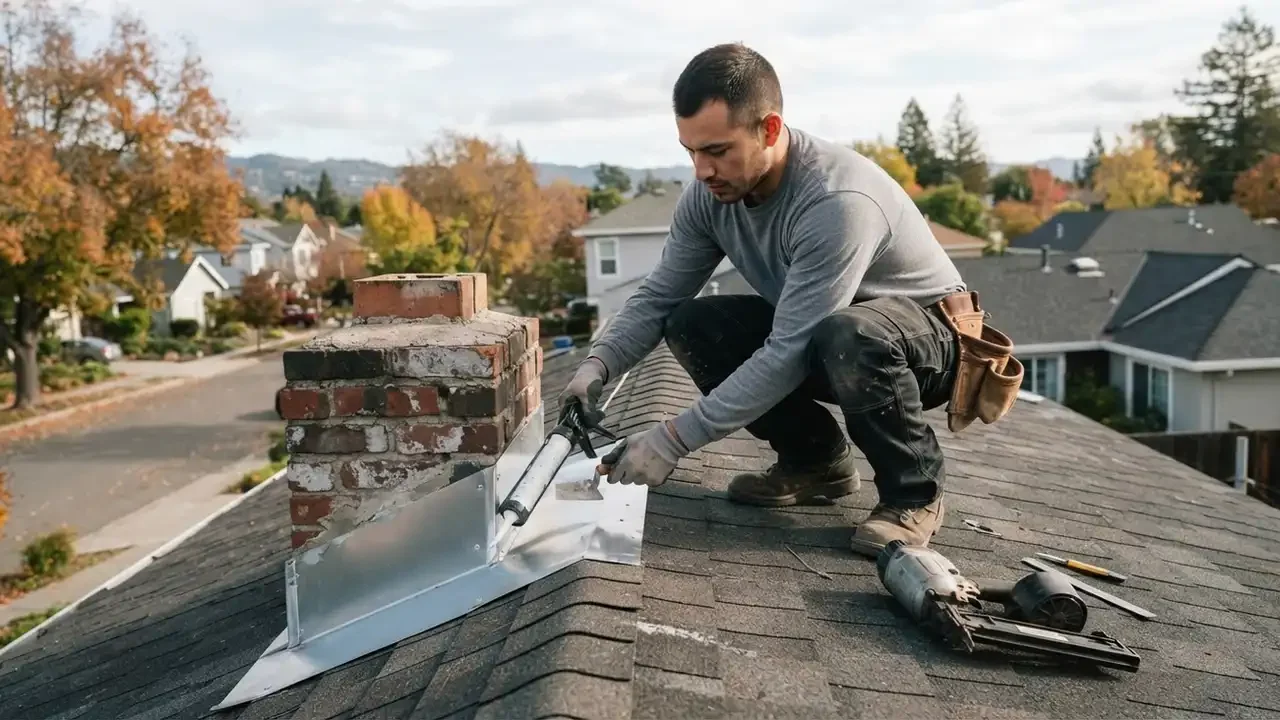
modified bitumen roofing in Bay City, Texas gives property owners a durable, layered membrane for low-slope roofs exposed to sun, rain, and standing water. We install, inspect, and repair these systems for homes and commercial buildings, tracing leaks to their source instead of covering symptoms. If your roof is blistered, split, or holding water, our team checks the membrane, seams, drainage, and flashing and explains the practical next step.
Useful updates and clear arrival timing.
Review the approach and price before deciding.
Equipped vehicles and respectful cleanup.
Neighbors serving neighbors with follow-through.
Our service covers roof inspection, leak tracing, surface preparation, compatible membrane repair or installation, and detailing at seams, drains, edges, and penetrations. We check the condition of the substrate and identify visible moisture concerns before closing the roof. If inspection reveals damaged decking, extensive wet insulation, or additional drainage work, we explain how that affects the repair plan and price before proceeding.
We examine surface wear, blisters, splits, open laps, and existing patches to understand how the roof is performing. The inspection includes drainage points and transitions, not only the visible field. Moisture readings help us identify areas that need closer attention before a repair is selected.
We compare roof defects with interior staining and damp materials because water can travel beneath the membrane. Our inspection checks seams, roof flashing, drains, and penetrations. Finding the entry point first helps us avoid a surface patch that leaves the actual leak untouched.
For localized damage, we remove loose material, prepare the surface, and apply a patch compatible with the existing system. We seal the patch edges and inspect the surrounding membrane for separation. The repair is suited to the roof's material and condition rather than relying on generic sealant.
We inspect laps, wall terminations, drains, and rooftop penetrations where water can bypass the membrane. Repair work restores the connection between the membrane and adjacent details, including flashing where needed. These transitions receive careful finishing because small openings can cause substantial interior damage.
For new or replacement work, we prepare the substrate and install the selected modified bitumen assembly according to its system requirements. We check finished seams, edges, and drainage paths before leaving. You receive a direct walkthrough of completed work and practical maintenance points.
Share what is happening and receive a clear next step from the local team.
modified bitumen roofing in Bay City, Texas is a low-slope roofing system that uses reinforced bitumen sheets to resist water entry and protect roof decks. Layers are bonded with an approved cold-applied adhesive, self-adhered backing, or heat-welded technique suited to the assembly. We inspect the existing deck, roof underlayment, seams, penetrations, and drainage before recommending repair or replacement. A moisture meter helps identify damp areas that are not visible from above, while careful detailing at roof flashing reduces the chance of recurring leaks around edges and equipment.
Bay City's hot sun, heavy rain, and humid periods put stress on exposed seams and roof penetrations, especially where water drains slowly. We handle mod bit roofing Bay City TX properties need after a roof leak, failed flashing, or repeated ponding water on a flat roof. If you are searching for modified bitumen roofing near me in Bay City, Texas, we check the membrane and interior signs together, including staining and damp insulation, then target the repair to the actual failure rather than applying sealant over a larger problem.
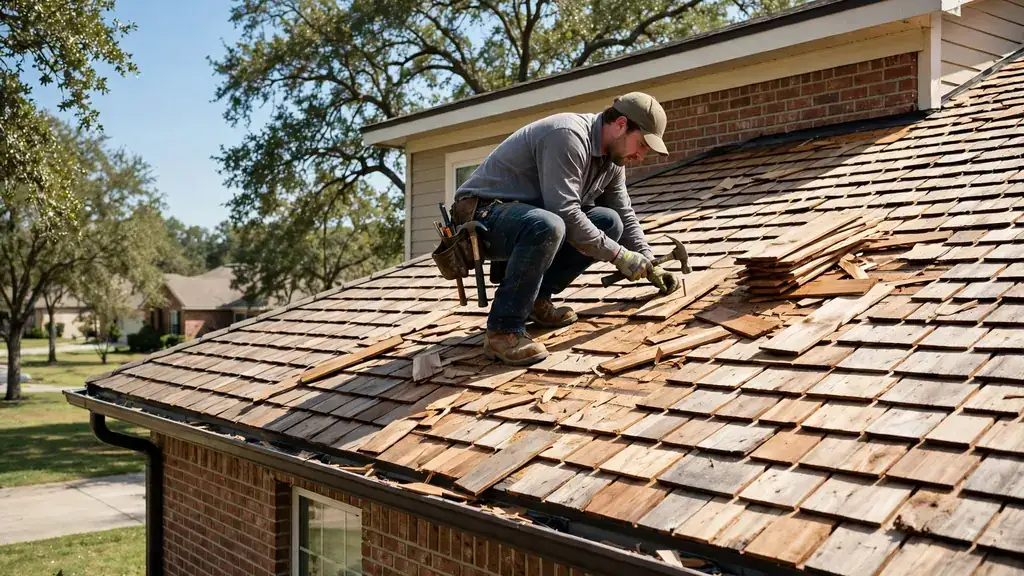
We start with the roof surface, interior leak evidence, drainage points, and penetrations. An extension ladder and safety harness support safe access, and a moisture meter helps us distinguish wet materials from surface discoloration. A focused inspection usually takes 45 to 90 minutes, depending on roof size and access. You get a direct explanation of the damage and the likely repair path.
Before work begins, we identify the membrane type, substrate condition, and safe application method. We remove loose material, dry the repair area, and mark the limits of any affected insulation or deck. If moisture extends beyond the visible leak, we show you where it travels and adjust the repair plan so trapped water is not sealed beneath a new layer.
For a repair, we cut out unsound material and install a compatible patch with sealed edges. For replacement, we remove failed layers as needed, prepare the substrate, and install the specified membrane and flashing details. A small repair often takes 2 to 4 hours; a full roof takes several workdays, with weather and roof area affecting the schedule.
We pay close attention to laps, drains, walls, and equipment curbs because those transitions commonly leak first. The crew follows the selected system's application instructions, keeps seams clean, and checks that water can reach the drainage points. You can expect extra care around roof flashing and any skylight or vent that interrupts the membrane.
We inspect completed seams, edges, and repaired areas before packing up, then remove job debris and walk you through the work. You will hear what was repaired, what maintenance interval to follow, and which conditions to watch after the next heavy rain. If interior staining remains, we explain how to distinguish old moisture marks from an active leak.

We use a moisture meter to compare suspicious roof or interior areas and help locate damp materials beneath the membrane. Readings guide where a closer inspection is useful; they do not replace checking the roof assembly itself.
An infrared thermal camera can help identify temperature patterns associated with retained moisture under suitable conditions. We use findings as an inspection aid, then confirm concerns with roof details and other checks before recommending removal or repair.
A chalk line marks straight layout references for membrane cuts, seams, and repair boundaries. Accurate marks help keep patches aligned and make sure the repair extends beyond loose or damaged material.
We use a utility knife to make controlled cuts through damaged membrane and remove unsound material. Careful cutting limits disturbance to adjacent roof layers and helps create clean edges for a compatible patch.
A safety harness supports fall protection when roof access and edge conditions require it. We plan safe access before work begins and use an extension ladder correctly so inspection and repair can proceed without unnecessary risk.
We connect visible roof defects to interior evidence before selecting a repair. The crew checks seams, penetrations, and drainage, then uses moisture readings where a concealed wet area is suspected. This method helps distinguish an isolated leak from a larger section of saturated insulation.
A patch is only useful when it bonds to a sound, prepared surface and its edges are sealed correctly. We remove loose material, dry and clean the area, and use a repair product appropriate to the membrane. We then check adjacent seams and transitions for a second entry point.
We inspect roof drains, edges, wall terminations, and equipment curbs as part of the repair, because water often enters where systems meet. If runoff is obstructed or ponding persists beyond 48 hours, we assess the drainage path alongside membrane condition and explain practical corrections.
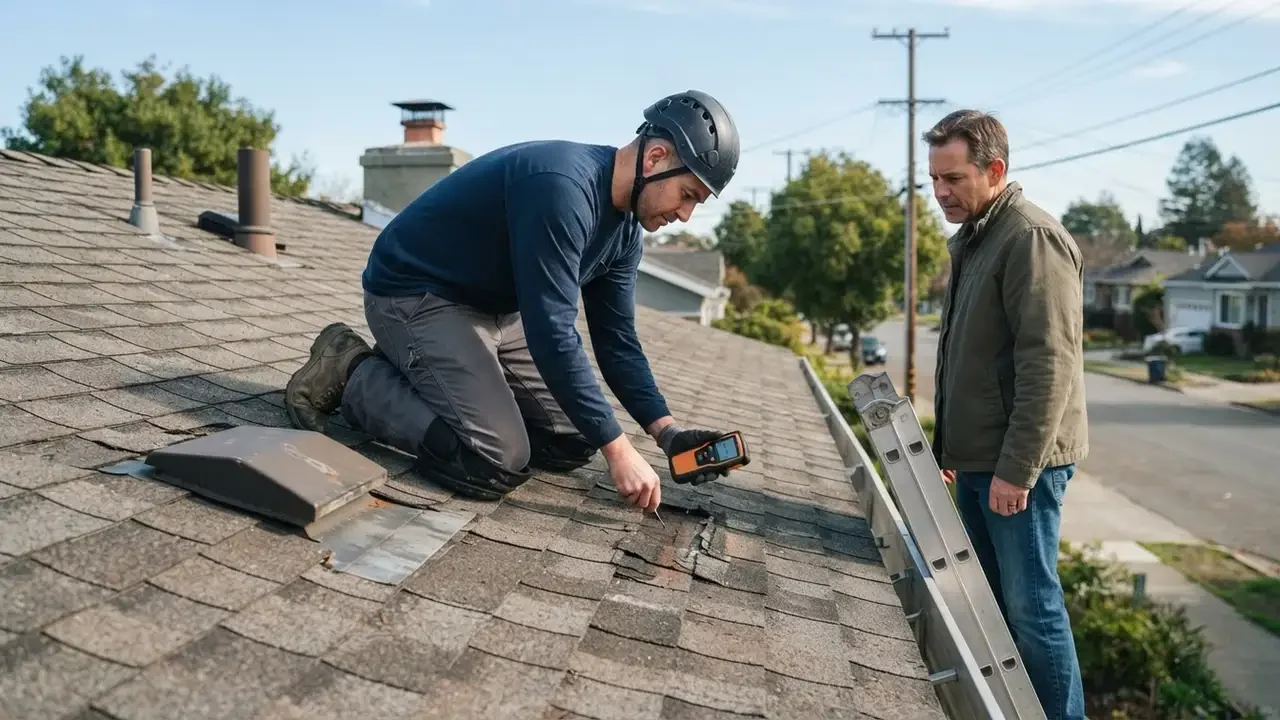
We inspect the drain, membrane laps, and surrounding roof surface, then trace the interior stain to the entry point. We clear obstruction where present and repair damaged membrane or drain detailing with compatible materials. If the roof has a low spot, we explain whether drainage corrections are also needed. The leak source is addressed, water can reach the drain more reliably, and the property manager knows which roof details need periodic checks.
We assess the existing membrane, substrate, and insulation to determine whether another repair will hold. If the damage is localized, we patch the affected area; if failures are widespread, we plan a replacement with proper edge and wall transitions. We explain the distinction before work starts. You get a repair matched to the roof's condition instead of another temporary cover over material that has already failed.
We map equipment curbs, drains, and access paths, then inspect where foot traffic and penetrations put stress on the membrane. Our team installs or repairs modified bitumen with reinforced details at those vulnerable points and verifies that drainage remains clear. The roof has a continuous water barrier around working areas, with transitions and seams checked before the crew leaves.
We inspect the roof and interior together, using moisture readings to identify the likely travel path. We check laps, flashing, drains, and penetrations before opening the affected section. Any wet insulation or damaged deck is addressed before a new membrane layer is installed. The concealed source is identified and the repair deals with the wet assembly, reducing the risk of trapping moisture beneath a surface patch.
Modified bitumen roofing in Bay City must handle intense sun, humid air, and heavy rain without relying on a single exposed seam to keep the building dry. We inspect how water moves across each roof, including drains, scuppers, and low areas where ponding can remain after a storm. At homes and shops in Downtown Bay City and the Waterfront District, additions and equipment penetrations often create transitions that deserve close attention. For mod bit roof leak repair in Downtown Bay City TX, we compare the interior stain with roof evidence because water can travel sideways beneath the membrane. Our team checks substrate and insulation before closing a repair, then details seams and flashing to suit the installed system. We follow applicable local building requirements and manufacturer instructions for the selected assembly; we do not guess at code requirements or apply a method that conflicts with the product. You get a practical explanation of the roof condition, what we repaired, and which drainage or maintenance issues need watching.
Low-slope commercial roofs with drains and rooftop equipment need careful seam and curb inspections. We trace interior leaks to those details before choosing a patch.
Exposed roof edges and frequent wet weather make drainage and flashing checks important. We look for water tracks, open laps, and slow-draining areas.
Commercial buildings may have several roof penetrations and service paths. We inspect membrane condition around equipment and check whether foot traffic has damaged seams.
Home additions and covered sections can join a low-slope membrane to a different roof material. We focus on the transition and wall flashing where systems meet.
Heat and repeated temperature changes can stress seams and surface details over time. We look for brittle edges, blisters, and separation, then choose a repair method compatible with the existing membrane and its condition.
Blocked drains or shallow depressions can leave water standing after a storm. We clear and inspect drainage paths, check nearby seams, and recommend further slope corrections if water remains for more than 48 hours.
A surface may look intact while insulation beneath it remains wet. We use roof and interior evidence together, check suspect areas with a moisture meter, and avoid sealing damp materials beneath a new patch.
A small commercial roof leaked near an interior corridor after extended rain. The ceiling stain sat several feet from the nearest drain, and an old sealant bead covered part of the membrane. Water was also collecting around the drain, making it unclear whether the leak came from the seam or the drain assembly.
We removed the failed sealant, checked the drain and adjoining lap, and found a short open seam with damp material underneath. The crew replaced the affected section, sealed the transition, and cleared the drainage path. The repair area was limited to the confirmed defect rather than covering the full roof.
Maintenance: Check the drain monthly during wet periods and inspect the repaired seam twice a year. If water remains around the drain more than 48 hours after rain, arrange a roof and drainage review.
A low-slope roof over a Bay City home addition had several loose edges and repeated interior staining. A previous patch had lifted, and the owner was unsure whether the whole roof needed replacement. Inspection found that most of the field membrane remained attached, but one transition had failed.
We removed the loose patch, checked the substrate, and replaced the damaged transition with compatible material. The surrounding membrane stayed in place because it was dry and sound. We sealed the detail and confirmed that runoff moved away from the repaired edge instead of collecting beside it.
Maintenance: Keep debris away from the roof edge and check the transition after severe weather. Arrange an inspection if the seam lifts, a new stain appears, or water remains ponded for more than 48 hours.
A property manager noticed a soft roof area above a storage room and assumed a surface patch would stop the leak. The membrane showed a raised blister, while interior staining had spread along one side of the room. Moisture checks indicated that water had moved beneath the visible defect.
We opened the affected area, removed wet insulation, and checked the deck before rebuilding the assembly. New membrane was installed with sealed laps and a reinforced transition at the nearby penetration. The repair addressed the concealed moisture rather than trapping it under a surface patch.
Maintenance: Inspect the penetration and nearby seams twice a year, and arrange a check after a significant leak. Keep rooftop service work controlled so tools and foot traffic do not puncture the membrane.
A small membrane defect can allow water into insulation and decking long before a ceiling stain appears. We inspect the roof assembly and trace the leak path, then explain whether a focused repair or broader work is needed. If a leak appears in Downtown Bay City, we check the area above and around the stain rather than assuming they align.
Water can spread beneath the membrane, dampen insulation, and stain ceilings well away from the roof opening. Continued moisture can soften the deck and increase repair work. We trace the leak, remove loose or wet material, and assess the surrounding membrane before installing a compatible patch. Our team checks the seam edges and nearby drainage so water is not still being directed into the repair. If moisture extends farther, we show you the affected area and explain the additional work.
Standing water adds stress to seams and exposes weak details for longer periods. If it remains beyond 48 hours, a blocked drain, poor slope, or roof depression needs attention. We clear and inspect the drainage point, then check the surrounding membrane and roof slope. If the problem comes from debris, we restore the water path; if the roof holds water because of a low area, we explain repair options. We do not treat repeated ponding as a sealant-only issue.
A loose or poorly sealed transition can direct water under an otherwise sound membrane. Moisture may appear indoors only during wind-driven rain or after a longer storm. We inspect the flashing, membrane termination, and adjacent substrate, then rebuild the connection with materials compatible with the roof system. We check nearby seams and penetrations for related movement. The finished detail must direct water back onto the roof surface rather than behind the membrane.
A raised area can conceal separation or moisture beneath the surface. Covering it without checking the layers can trap water and leave the deck vulnerable to deterioration. We examine the area, use moisture readings where helpful, and open only what is needed to confirm the condition. If the materials are dry and sound, a localized repair may be appropriate. If insulation or decking is wet, we remove affected material and restore the assembly instead of sealing it in.
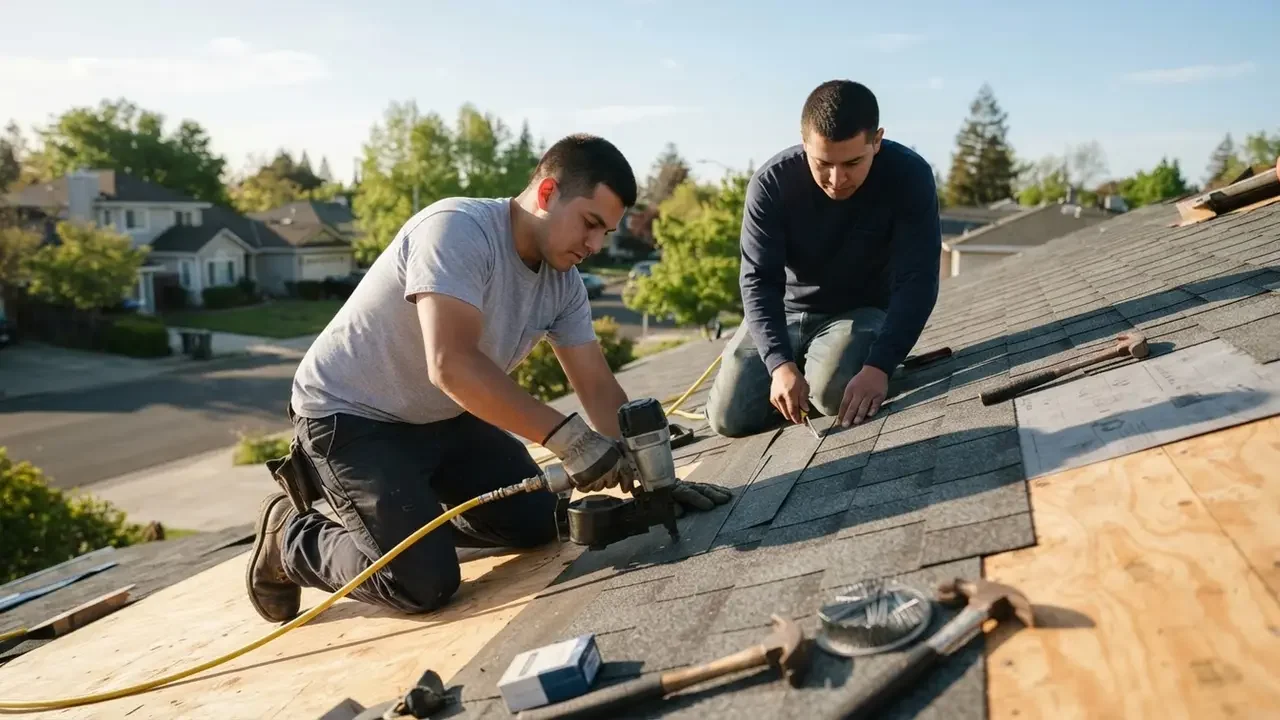
Our local experience covers low-slope roof leaks, membrane deterioration, flashing failures, and full system replacements on residential and commercial buildings. We match repair materials and installation methods to the existing assembly instead of treating every flat roof alike. Our crew uses measured layout, safe access, and careful seam preparation, and we explain the difference between a surface patch and a repair that addresses wet insulation or a damaged deck. We do not claim a tenure figure; we let the roof inspection and the quality of the completed details show our work.
Water was showing up near the back room after hard rain, but the ceiling stain was several feet from the roof opening. The crew checked the seams and drain, found a split at a transition, and repaired the damaged section. They also showed me the spot and explained what to watch for after the next storm. The leak stopped.
Our low-slope commercial roof had water sitting near the equipment curb and a recurring leak inside. Bay City Roofing checked the membrane and drainage instead of just sealing the ceiling area. They repaired the transition and cleared the path to the drain. We appreciated getting a clear explanation of the repair and the maintenance checks to keep up with.
A section over our addition had loose membrane and damp insulation after repeated rain. The team removed the unsound material, checked the deck, and installed a patch with sealed edges. They cleaned up the work area and walked me through the completed repair. The next rainfall passed without the leak returning.
A targeted modified-bitumen repair often costs $350 to $1,500, while full replacement commonly ranges from $5 to $10 per square foot in 2026. Roof size, tear-off, wet insulation, deck repairs, access, and flashing details change the final price. We inspect the roof and explain the work behind the price before you decide. A small seam repair costs less than replacing saturated insulation or rebuilding multiple roof transitions.
A properly installed and maintained modified bitumen roof commonly lasts 15 to 25 years. Sun exposure, drainage, installation quality, foot traffic, and timely seam repairs all affect its service life. We recommend checking drains and visible seams twice a year and arranging an inspection after severe weather. If water is ponding for more than 48 hours after rain, the drainage or roof slope deserves attention.
Yes, modified bitumen is a suitable low-slope roof system when the deck, drainage, and installation details are correct. Its reinforced sheets create a layered membrane, and compatible methods allow repairs around drains, edges, and equipment. We check whether your roof has persistent ponding, heavy equipment traffic, or damp insulation before recommending it. Standing water lasting beyond 48 hours should prompt an assessment of slope and drainage.
Yes, many modified bitumen leaks can be repaired when the damage is localized and the surrounding membrane and substrate remain sound. We locate the entry point, remove loose or wet material, prepare the surface, and apply a compatible patch with sealed edges. A small repair often takes 2 to 4 hours. Widespread brittleness, repeated seam failure, or saturated insulation can make replacement the more effective choice.
Not seeing your question? Our local team can help you understand urgency, scheduling and what to expect.
Ask the local team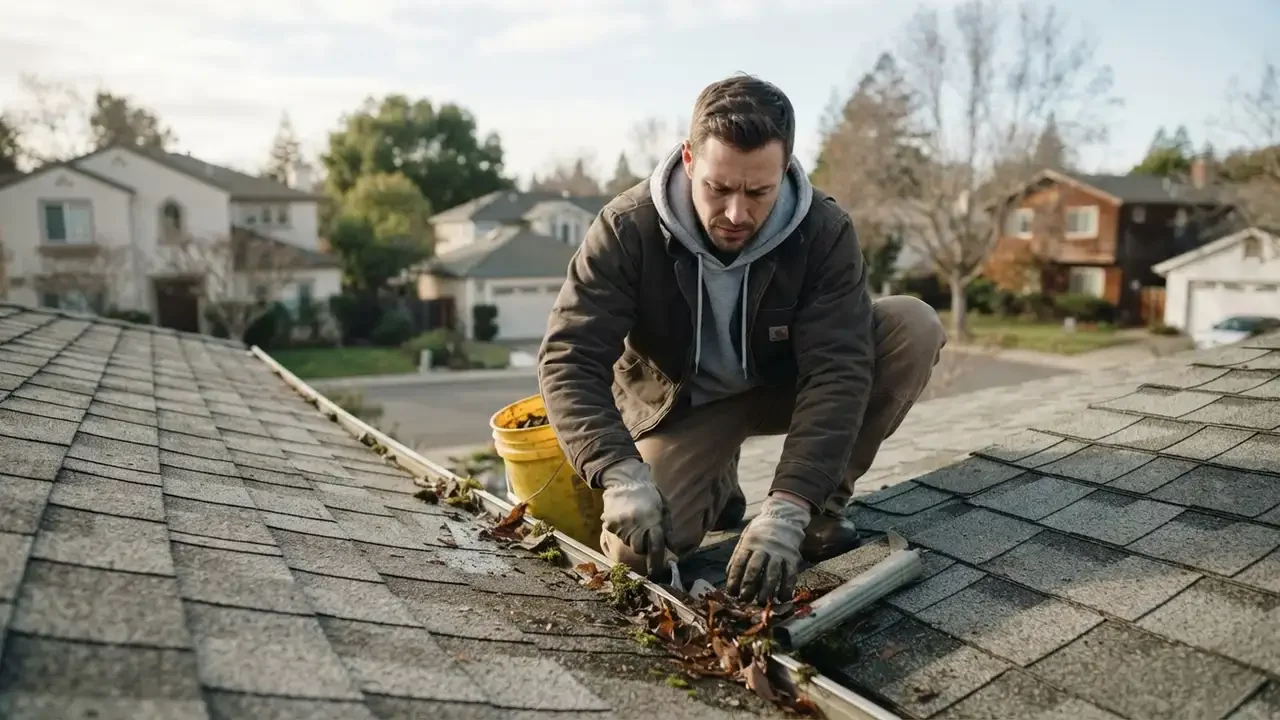
A roof repair addresses isolated damage before it spreads into insulation or interior finishes. We inspect the membrane, edges, and roof penetrations, then match the repair to the existing system. If your modified bitumen roof has one split seam or a damaged detail, a targeted fix may preserve the sound areas.
View service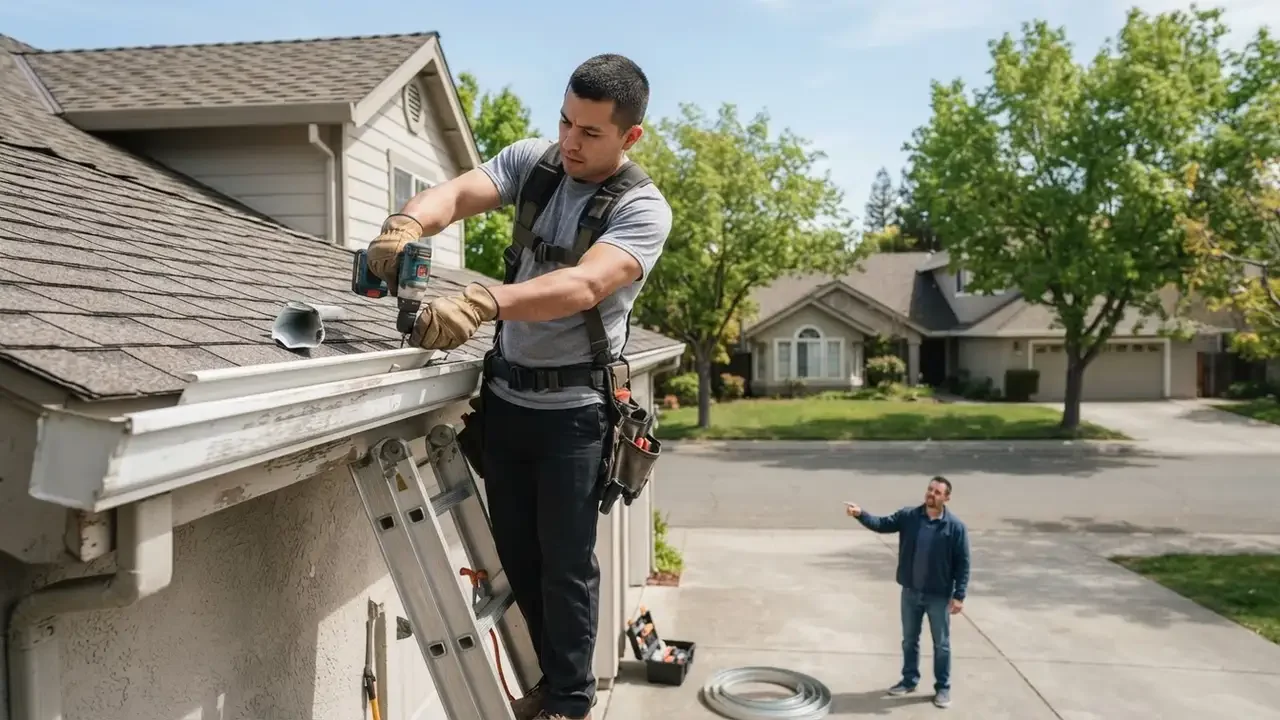
When a roof has widespread membrane failure, recurring leaks, or saturated layers, replacement can be more practical than repeated patching. We assess the deck and existing assembly, then install a system suited to your building's slope and drainage. You receive a clear explanation of what must be removed and rebuilt.
View service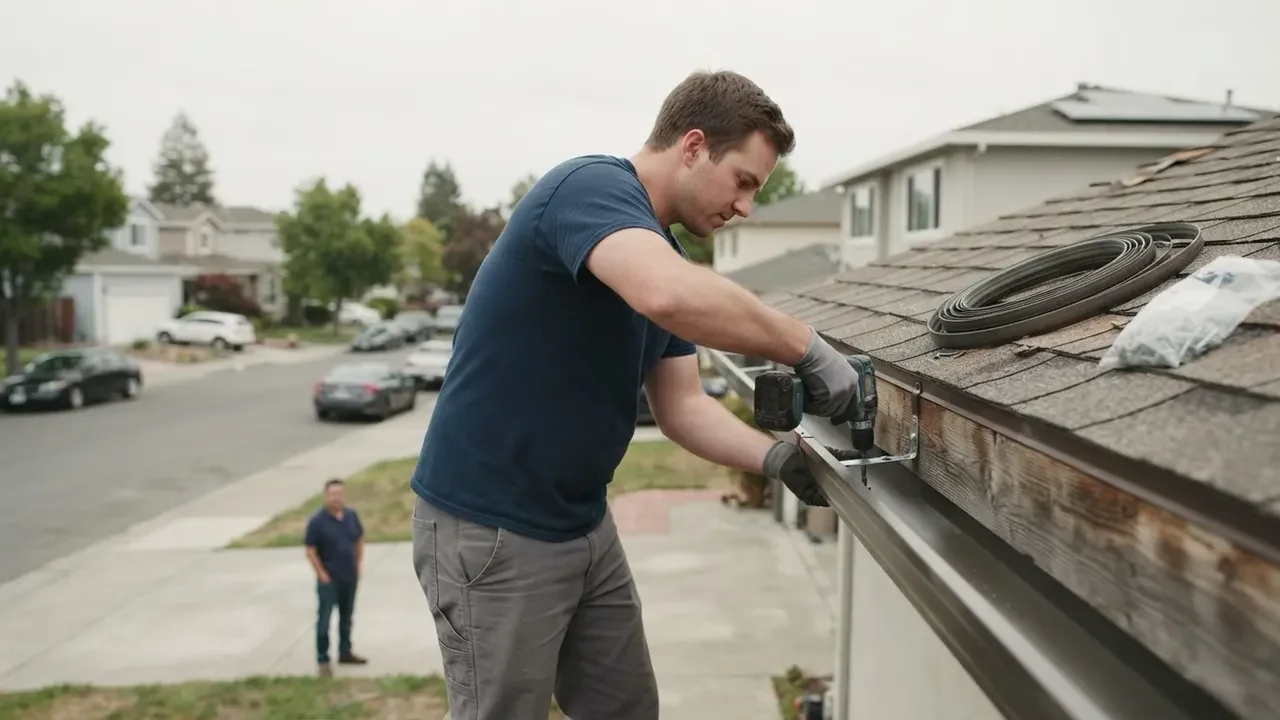
A leak can enter at a seam, drain, flashing joint, or rooftop penetration and travel before appearing indoors. We trace the moisture path and repair the actual entry point, not just the ceiling stain. That diagnostic approach is especially useful when a flat-roof leak returns after temporary sealant.
View service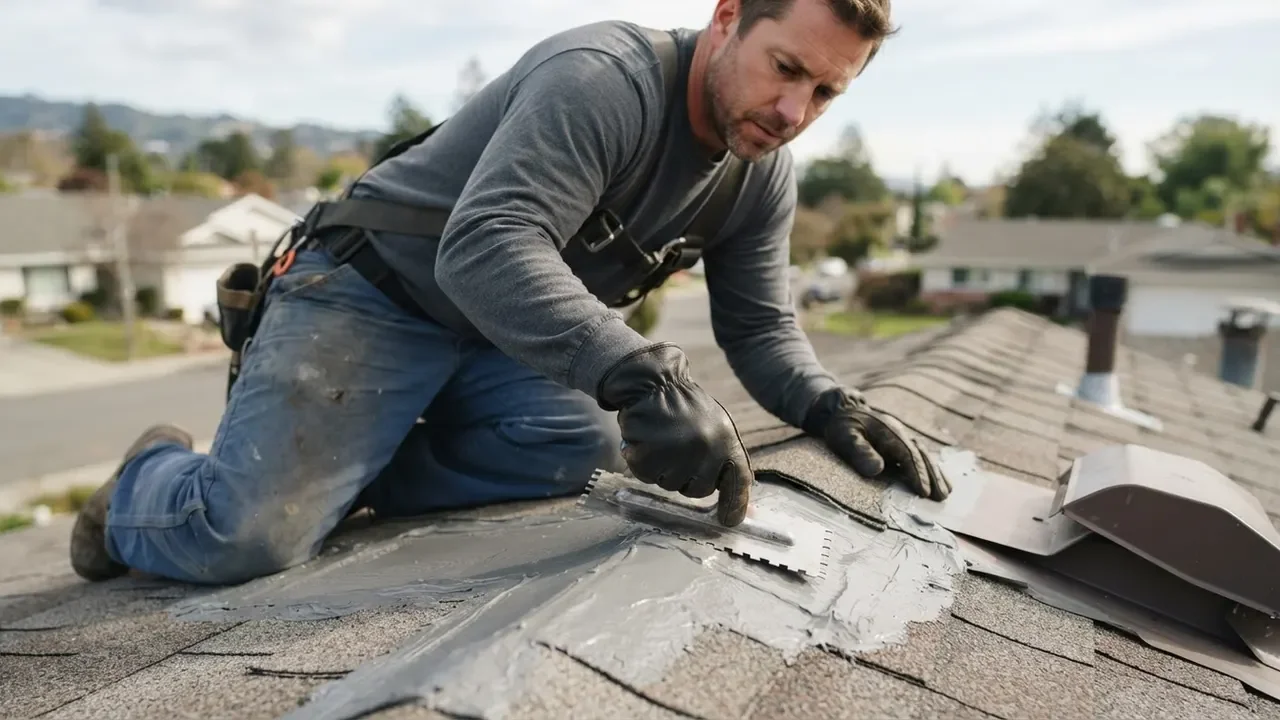
Active water entry needs prompt protection for the building's contents and interior. We assess the damaged area, secure vulnerable details, and stop water intrusion with a repair appropriate to the roof system and conditions. After the immediate problem is controlled, we explain any permanent membrane or deck work still needed.
View service
Call (877) 791-3217 to discuss a roof leak, storm damage, inspection, or replacement in Bay City. We connect you with independent roofing companies and help you get the conversation started. Calls are accepted around the clock for urgent roofing needs; tell us whether water is actively entering and where you see the damage.