Focused Arrival Windows
Useful updates and clear arrival timing.
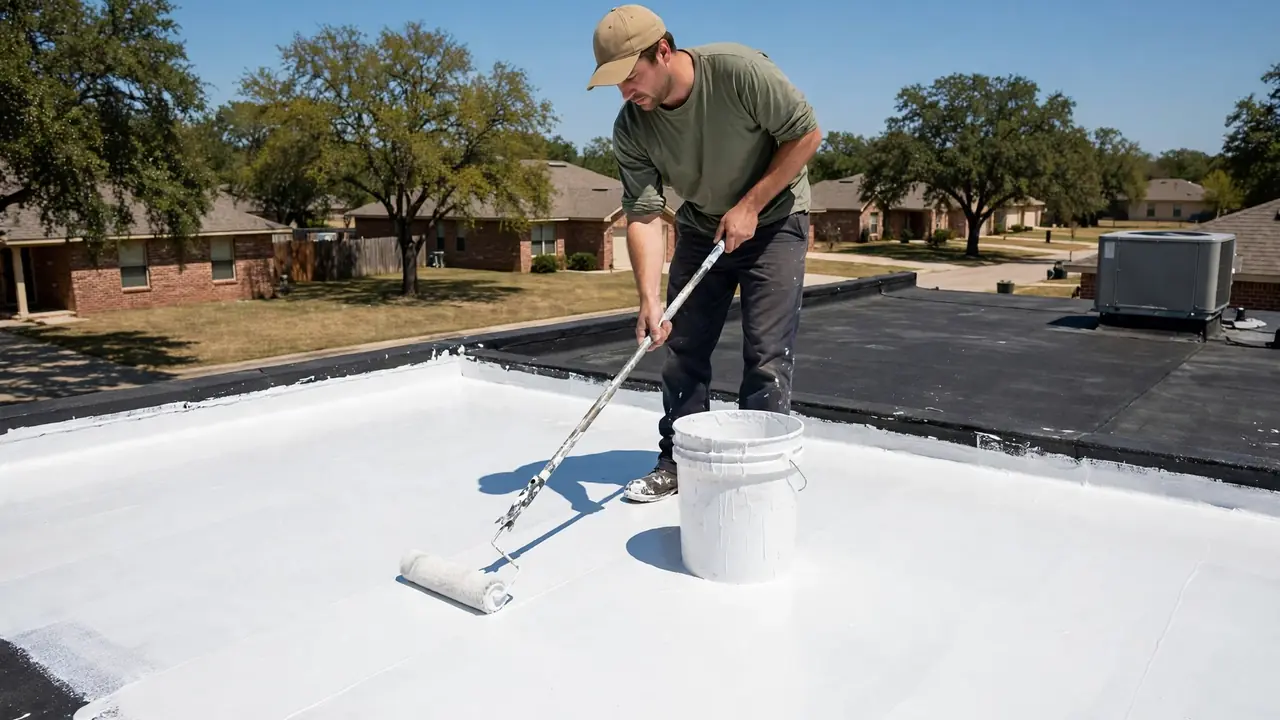
Roof coating in Bay City, Texas adds a protective layer to suitable, structurally sound roofs and helps reduce weather exposure between repairs and replacement. We assess homes, shops, and low-slope buildings, then prepare the surface and apply a compatible system. If you are comparing roof sealant Bay City TX options, we first check for trapped moisture, failing seams, and active leaks so the coating is matched to the roof rather than used to hide damage.
Useful updates and clear arrival timing.
Review the approach and price before deciding.
Equipped vehicles and respectful cleanup.
Neighbors serving neighbors with follow-through.
A roof coating project includes an inspection, surface preparation, compatible material selection, and application to the agreed roof areas. We repair coating-related defects identified during the assessment and check coverage after application. Major decking replacement, extensive membrane reconstruction, and unrelated gutter or interior repairs require separate work, because those problems need their own materials and labor rather than being buried beneath a coating.
We inspect the roof surface, seams, edges, penetrations, and drainage points to determine whether coating is appropriate. You receive a plain explanation of visible defects and preparation needs. Where moisture is suspected, we use suitable diagnostic checks before coating is recommended.
We remove loose debris and unsound coating, clean the substrate, and allow it to dry before application. Proper preparation helps the chosen system bond. We protect adjacent surfaces and keep drains clear while cleaning so debris does not create a separate drainage problem.
We address repairable seams, fasteners, flashing details, and small surface defects that affect coating performance. Materials must be compatible with the roof and the coating system. Widespread structural damage or saturated roofing needs a different repair plan before a finish layer is considered.
We apply the selected system at the manufacturer's specified coverage and follow required drying and curing conditions. Primers or reinforcement are used when the system calls for them. The work area remains restricted until the coating has cured enough for the next phase or safe foot traffic.
We check visible coverage at edges, penetrations, and repaired details, then review the completed areas with you. We explain care, inspection intervals, and cure restrictions. The review also clarifies which roof sections were treated and any separate repairs that remain on the property.
Share what is happening and receive a clear next step from the local team.
Roof coating in Bay City, Texas is a protective roofing treatment that forms a continuous surface layer to limit water entry and weathering on compatible roofs. It is not a substitute for repairing rotten decking, loose seams, or a saturated assembly. We inspect the roof, remove loose debris, address repairable defects, and confirm the substrate is clean and dry before applying a product at its specified coverage rate. On a flat roof, that preparation matters as much as the coating itself: ponding water and open seams need a practical repair plan before any finish layer goes down.
Bay City's mix of low-slope commercial roofs, metal panels, and older residential roof sections calls for a roof-by-roof decision. Strong sun, wind-driven rain, and standing water at drains can expose weak seams and aged surfaces. Our team uses a moisture meter where conditions warrant and checks roof flashing, penetrations, and drainage before recommending a Bay City, Texas roof coating application. If you are searching for roof coating to stop leaks Bay City TX, we trace and repair the leak source first; coating over an active leak can trap moisture and leave the underlying problem unresolved.
We begin with a walk-through of accessible roof areas, drainage points, penetrations, and edges. A moisture meter helps identify suspect wet areas; an infrared thermal camera can assist when conditions and roof construction make it useful. We photograph defects and explain whether the roof is a coating candidate. Your first conversation covers access, visible leaks, and any interior water marks.
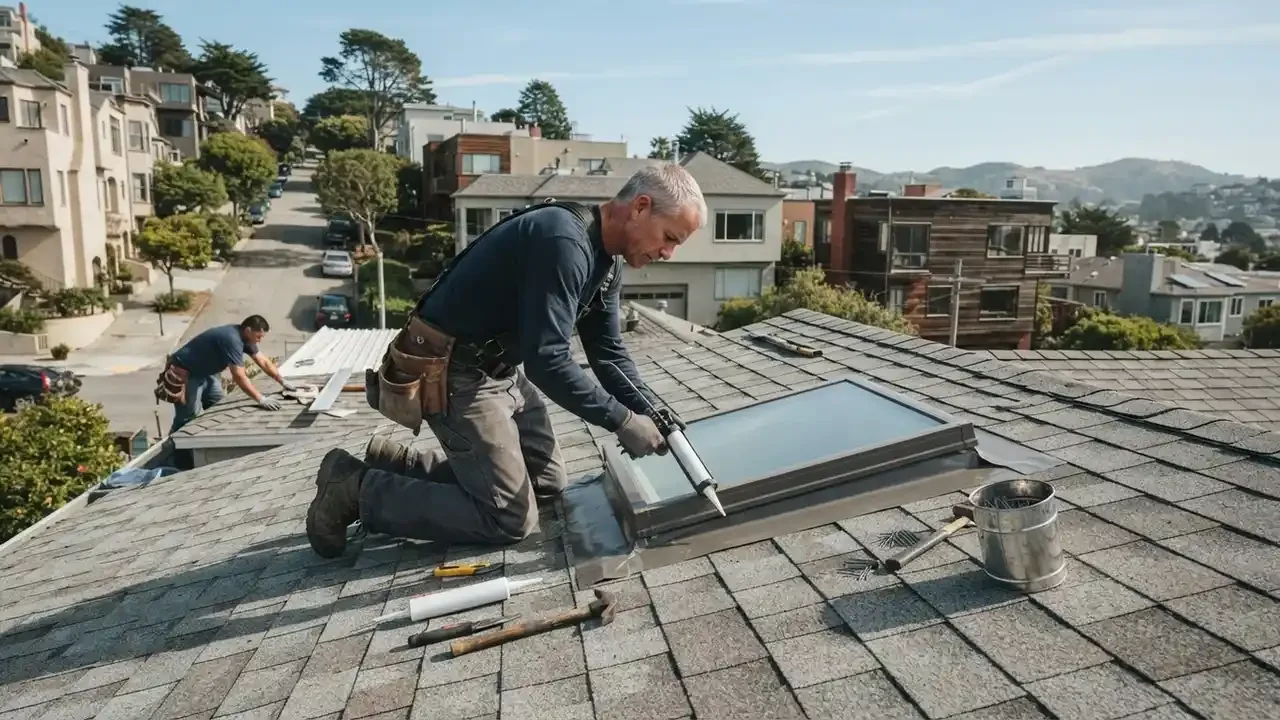
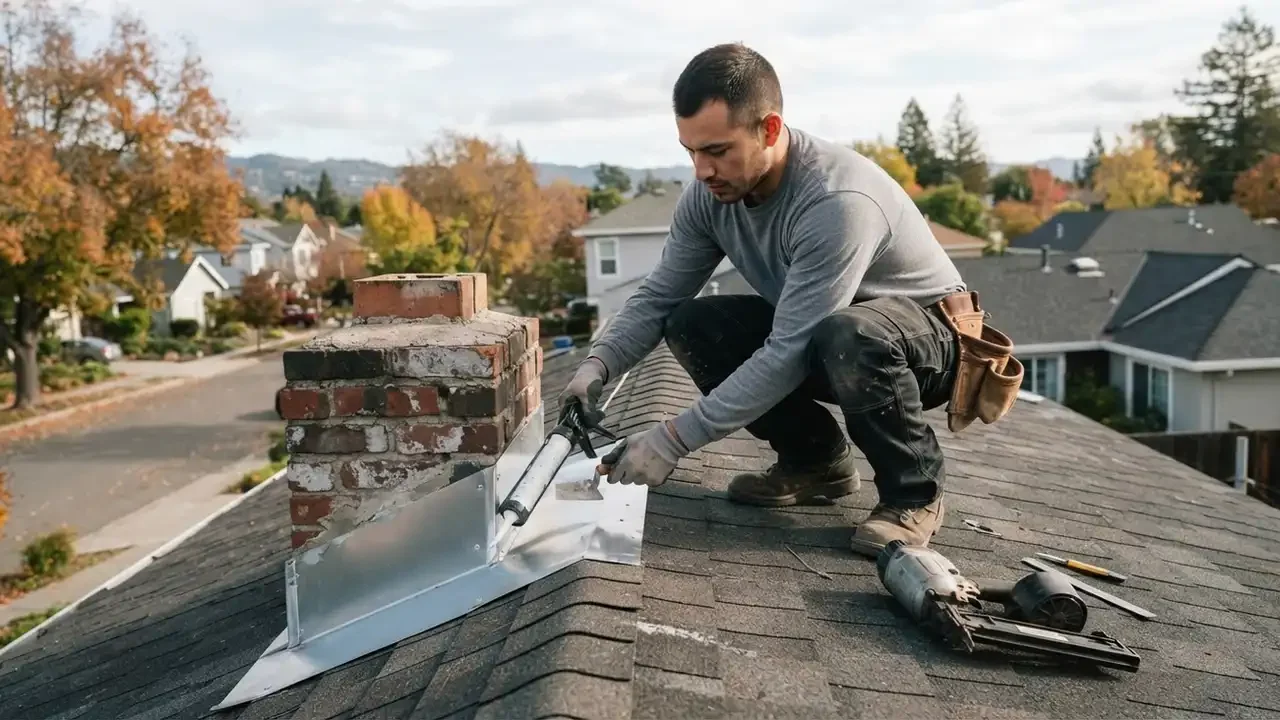
Before coating, we fix defects the selected system cannot bridge, such as loose flashing, open seams, damaged fasteners, and small areas of failed material. A caulking gun helps place compatible sealant at suitable details, while larger failures receive the correct repair rather than a cosmetic cover. Repairs can take a few hours or longer if concealed damage appears.
We remove loose dirt, leaves, and failing coating, then clean the surface using methods appropriate to the substrate. A leaf blower clears dry debris; stubborn residue requires additional preparation. The roof must be dry and stable before application. We also protect nearby surfaces and confirm drains are open so preparation debris does not wash into the drainage system.
Our crew applies the primer, reinforcement, or coating layers required by the chosen product and roof condition. We follow the manufacturer's coverage and temperature instructions rather than guessing at thickness. Application may be completed in one day on a modest, prepared area, but each layer needs its required cure time before the next step or foot traffic.
After application and curing, we check edges, seams, penetrations, and visible coverage for missed areas or defects. We review the treated sections with you, explain cure restrictions, and provide practical inspection guidance. Keep heavy foot traffic and stored equipment off the roof until the product allows it; premature use can mark or damage a fresh coating.
We use a moisture meter to investigate suspect areas and help determine whether a surface is dry enough for coating. Readings guide inspection; they do not replace opening or repairing a roof when concealed damage is suspected.
An infrared thermal camera can help locate temperature patterns associated with trapped moisture when conditions and roof construction support the method. We interpret results alongside visual inspection and other checks rather than treating an image as a stand-alone diagnosis.
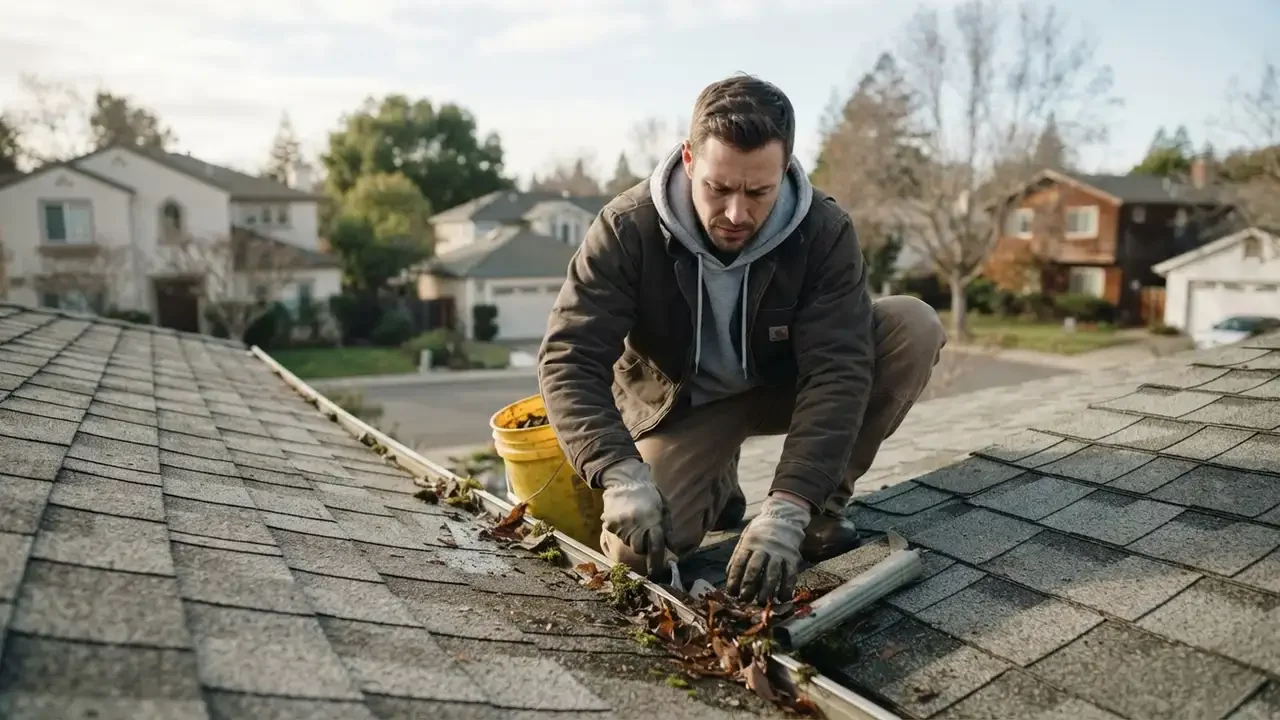
A leaf blower clears dry leaves and loose debris before washing or detailed preparation. We control where debris goes, keep drains open, and remove material that could interfere with primer or coating adhesion.
A caulking gun places compatible sealant at suitable joints and details after the underlying defect is assessed. We use it for targeted work at seams or penetrations, not as a substitute for replacing failed flashing or repairing damaged roofing.
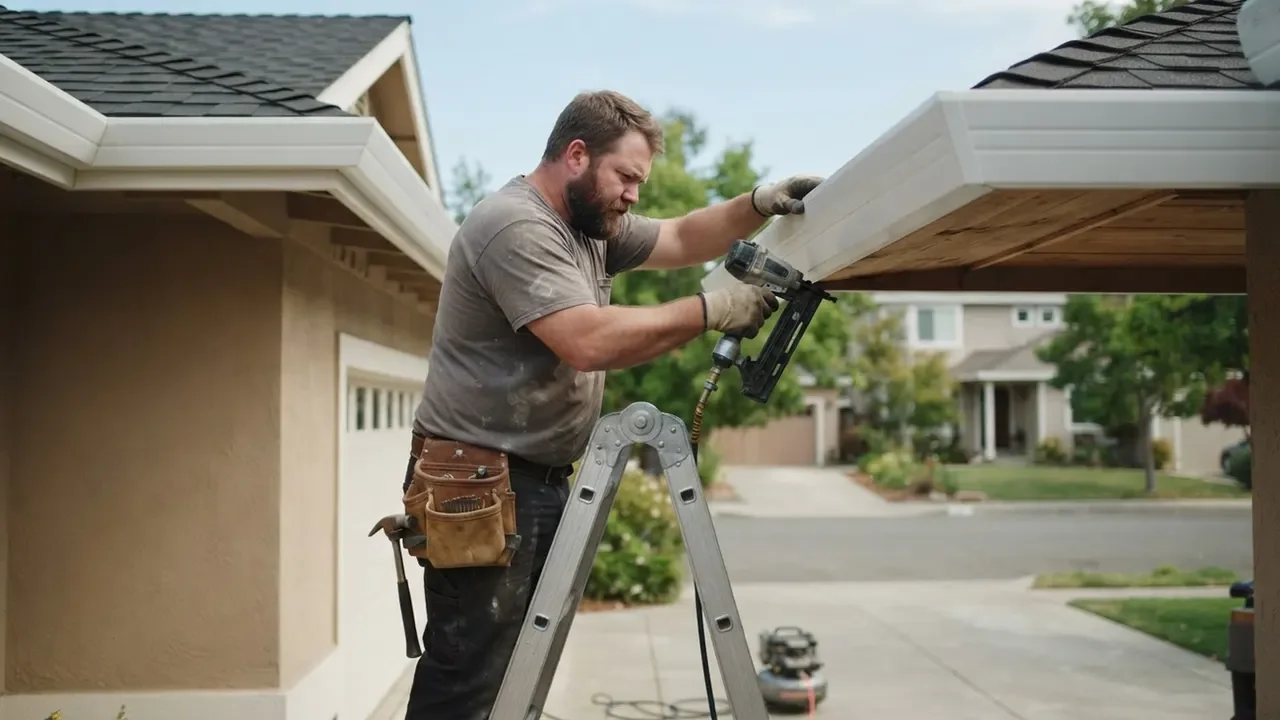
An extension ladder provides roof access, while a safety harness supports fall protection where the roof layout and hazards require it. We plan access before work and keep equipment secured throughout inspection and application.
We identify the roof material and inspect its condition before choosing a coating. The product must adhere to the existing surface and tolerate expected movement and exposure. We verify preparation and primer requirements, then decline coating when the roof is wet, unstable, or broadly deteriorated.
We repair leaks, failed seams, and damaged details before applying a field coating. This sequence prevents a finish layer from hiding a defect that still needs direct repair. We also check drainage, because persistent ponding can compromise a coating system even when the surface appears intact.
We follow the product's specified coverage, number of layers, drying conditions, and cure intervals. Application thickness is not guessed from appearance. Weather and substrate temperature matter, so work proceeds only when conditions meet the product requirements and the roof is suitably prepared.
After the coating cures, we inspect visible transitions, edges, penetrations, and repaired areas for complete coverage. We review the result with you and note any areas requiring separate attention. Maintenance checks focus on the same details where water entry is most likely.
We inspect the panels, tighten or replace suitable fasteners, repair failing laps, and prepare the surface. After confirming product compatibility, we apply the selected coating and keep the work area clear during cure. We explain which sections were treated and when the roof can be accessed. The owner gets a protected, more uniform roof surface and a clear record of repairs, without coating over loose or corroded panels.
We trace the water path around seams, penetrations, and drains before recommending a coating. We repair the source, confirm the substrate is dry, and apply a compatible system only to suitable areas. If concealed moisture or damaged insulation is found, we explain the repair needed first. The building receives a targeted roof repair and, where suitable, a protective finish rather than a surface layer masking an active leak.
We inspect the roof and identify sections that can benefit from coating, along with any defects that cannot wait. Our team explains expected preparation, cure restrictions, and maintenance checks. We do not represent coating as a replacement for a roof already at the end of its serviceable life. The manager gets a condition-based plan, practical short-term protection where appropriate, and a better view of future roofing needs.
We check the addition's seams, drainage, and moisture condition, then repair defects and prepare the surface. The application is scheduled only when the roof and weather meet product requirements. We explain how long to keep foot traffic off the fresh coating. A suitable addition receives a continuous protective layer, while any roof area that needs deeper repair is handled separately and openly.
Roof coating in Bay City starts with the roof's exposure and construction, not a one-product-fits-all pitch. Strong sun can age exposed surfaces, while wind-driven rain tests seams, roof edges, and penetrations. Low-slope commercial roofs need particular attention to drains and ponding; residential properties may have a small metal or flat addition beside a shingle roof. We inspect each section separately and keep incompatible materials apart. For a Bay City, Texas roof coating application, we plan around dry-surface requirements, product temperature limits, and safe access. Work is not rushed onto a damp roof to meet a calendar estimate. We check drainage, repair suitable defects, and confirm the coating can bond to the existing material. In Downtown Bay City and the Waterfront District, we also consider building access and how to keep customer or resident paths clear during application. We follow applicable local requirements and manufacturer instructions, then explain cure time and post-work restrictions. If the inspection finds saturated insulation or a failing assembly, we recommend the necessary repair instead of covering the evidence.
Commercial buildings and mixed roof layouts call for careful access planning. We inspect drains, penetrations, and surface condition before setting up a coating sequence.
Wind-driven rain can expose weak roof edges and seams. We pay close attention to flashing and drainage before deciding whether a coating is suitable.
Older buildings can have several roof materials and prior repairs. We identify each substrate and check compatibility rather than applying one system across every section.
Shops and service buildings may need work staged around access. We explain which roof areas remain restricted during application and curing.
Roof temperature can differ from the air temperature, and products have specific application limits. We check conditions and follow the manufacturer's instructions so the coating does not dry or cure improperly.
Water can enter at a detail even when the main roof surface looks sound. We trace stains to their source and repair vulnerable transitions before coating nearby areas.
Persistent ponding can shorten coating performance and conceal a drainage defect. We inspect the flow path and address suitable drainage or repair issues before recommending surface treatment.
A small commercial roof had a faded finish, exposed fastener heads, and two laps that showed signs of water entry. The owner wanted to avoid replacing sound panels, but coating the roof without repairs would have left the weak details in place. Our inspection separated repairable defects from intact metal.
We repaired the affected fasteners and laps, cleaned the surface, and applied a compatible coating to approximately 1,200 square feet. The owner received a more uniform protective finish and a record of the repaired details. Application and curing took two working days, with access restricted during the product's cure period.
Maintenance: Check fasteners, laps, and roof edges twice yearly and after severe weather. Keep leaves and debris away from drainage points, and call for inspection if a new stain or loose panel appears.
A residential addition had a recurring ceiling mark after heavy rain. The roof surface appeared mostly sound, but debris at the drain and a weak seam were contributing to water entry. Coating immediately would have covered the area without fixing the cause.
We cleared the drain, repaired the seam, and confirmed the surface was dry before coating approximately 450 square feet. The job took one full workday plus the required curing period. The homeowner had a clear explanation of the treated section and the roof areas that were not part of the coating.
Maintenance: Keep the drain clear and inspect the seam and nearby wall transition every spring and fall. Avoid placing equipment on the coated area unless the roof system is designed to carry it.
A Bay City property manager found several worn patches on a broad low-slope roof while preparing the annual maintenance plan. The roof had sound areas but also a few open details and standing water near one drain. A broad coating without drainage checks would have left those conditions unresolved.
We repaired suitable details, cleared the drain, and coated approximately 3,000 square feet in planned sections over three working days. The manager kept building access organized and received a walkthrough of the completed areas. We identified the separate drainage issue requiring continued monitoring rather than claiming the coating corrected it.
Maintenance: Inspect drains and penetrations quarterly, especially after storms, and schedule a full roof review twice each year. Address new ponding or coating damage promptly so small defects do not spread.
Roof coating can help protect a roof with surface wear when the underlying assembly remains sound. It is not a universal leak cure. We identify the water path, repair defects that need direct attention, and recommend coating only when the roof and product are compatible.
Unprotected areas can corrode, loosen, and admit water at fasteners or laps, increasing repair needs and risking interior stains. We inspect panel movement, fasteners, and seams, then repair defects and prepare the metal for a compatible system. The coating is applied only after the surface is clean and dry. We also check roof edges and drainage, since runoff problems can undermine otherwise sound panel work.
Standing water can stress seams and expose weak areas for extended periods, making small defects harder to distinguish from broader drainage failure. We check drain function, roof slope, and membrane condition before discussing coating. If water is ponding because of a drainage or structural problem, we address that issue first or explain why coating is not suitable. A coating should not be used to conceal persistent water accumulation.
Repeated dampness can stain ceilings, damage insulation, and spread beyond the point where water first entered the roof. We trace the leak to its source, repair the seam or flashing, and confirm the roof surface is ready for treatment. Where appropriate, roof sealant Bay City TX materials reinforce compatible details before the field coating is applied. We do not coat over wet or unsound material.
Leaving exposed wear untreated can lead to faster deterioration and a larger project if water reaches the roof assembly. We assess the remaining roof life and compare coating with repair or replacement. If the substrate is suitable, we prepare it and apply the specified system, then explain inspection and cleaning intervals. If the roof is beyond restoration, we recommend a repair or replacement path instead.
Roof coating work depends on diagnosing the roof beneath the finish, not simply spreading product across a surface. Our local experience covers residential and commercial roof conditions, including metal panels, low-slope assemblies, flashing details, and drainage issues. We choose the repair and coating sequence for the actual substrate and explain when coating is not the right answer. Our technicians follow product instructions, safe access practices, and applicable local requirements; we do not claim a credential or warranty that does not fit the materials and installation.
We had a flat section above the addition that kept showing a damp spot after heavy rain. The crew checked the seams and drain, repaired a weak area, and coated the prepared surface. They explained the cure time so we kept everyone off the roof. The next rain did not leave a new stain, and we know which areas to watch.
Our metal roof had worn patches around fasteners and the shop was getting too warm in the afternoon. The team checked the panel condition and explained which repairs had to come first. They worked in sections and told us when access was safe again. We appreciated the clear explanation of what the coating could and could not fix.
We needed a practical plan for a low-slope roof without closing the building. The crew inspected the drains and penetrations, repaired two problem details, then applied the coating after the surface was ready. They kept the work area organized and reviewed the finished sections with us. The maintenance guidance made it easier to schedule our next roof check.
Roof coating in Bay City, Texas often costs about $1.50-$5.00 per square foot installed, depending on roof condition, system, and preparation. A small repair or detail treatment may cost several hundred dollars, while a larger commercial surface can reach several thousand. These are planning ranges, not a quote; 2026 pricing depends on measured area, repairs, access, and product requirements. We inspect the roof and give you an upfront price for the agreed work.
A roof coating system commonly lasts about 5-15 years before significant renewal, depending on product, application thickness, roof movement, drainage, and maintenance. The manufacturer's system and warranty terms set the appropriate expectations for your specific roof. We recommend checking the surface at least twice a year and after severe weather, with attention to seams, drains, and penetrations. Ponding water or neglected damage can shorten service life.
Roof coating can help stop water entry at suitable, repaired surfaces, but it cannot reliably fix every active leak. We trace the source, repair failed flashing, seams, fasteners, or damaged material, and confirm the roof is dry enough for application. A leak caused by saturated insulation, rotten decking, or a failed assembly needs a deeper repair. Coating is a protective finish, not a substitute for correcting concealed damage.
The best coating for a Bay City roof is the one approved for its substrate, condition, drainage, and exposure. Silicone, acrylic, and elastomeric systems each have different strengths and limits, so the label alone does not determine the right choice. We inspect the roof and verify product compatibility, preparation needs, and application conditions. For example, standing water and metal movement require different considerations than a sound, sloped roof surface.
Not seeing your question? Our local team can help you understand urgency, scheduling and what to expect.
Ask the local team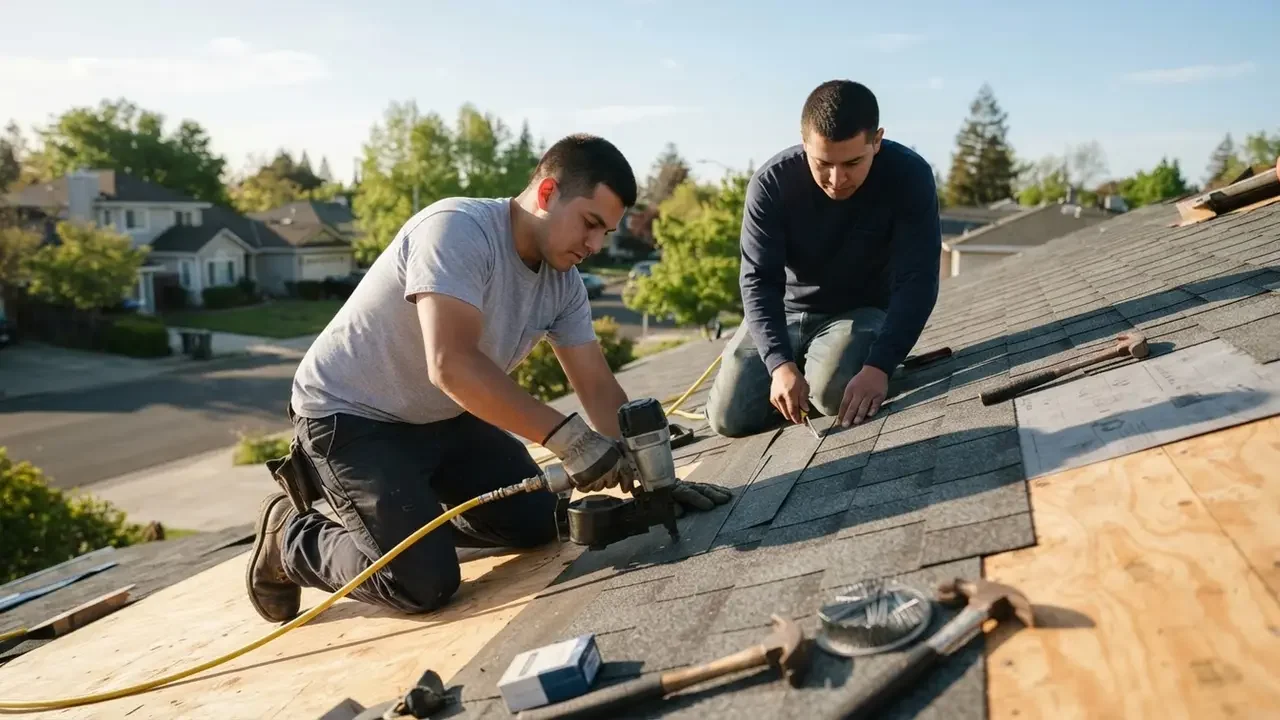
Roof repair addresses damaged material and details that should be fixed before coating. We repair loose sections, failed seams, and localized damage in Bay City, then determine whether the remaining surface is suitable for a protective coating or needs a different solution.
View service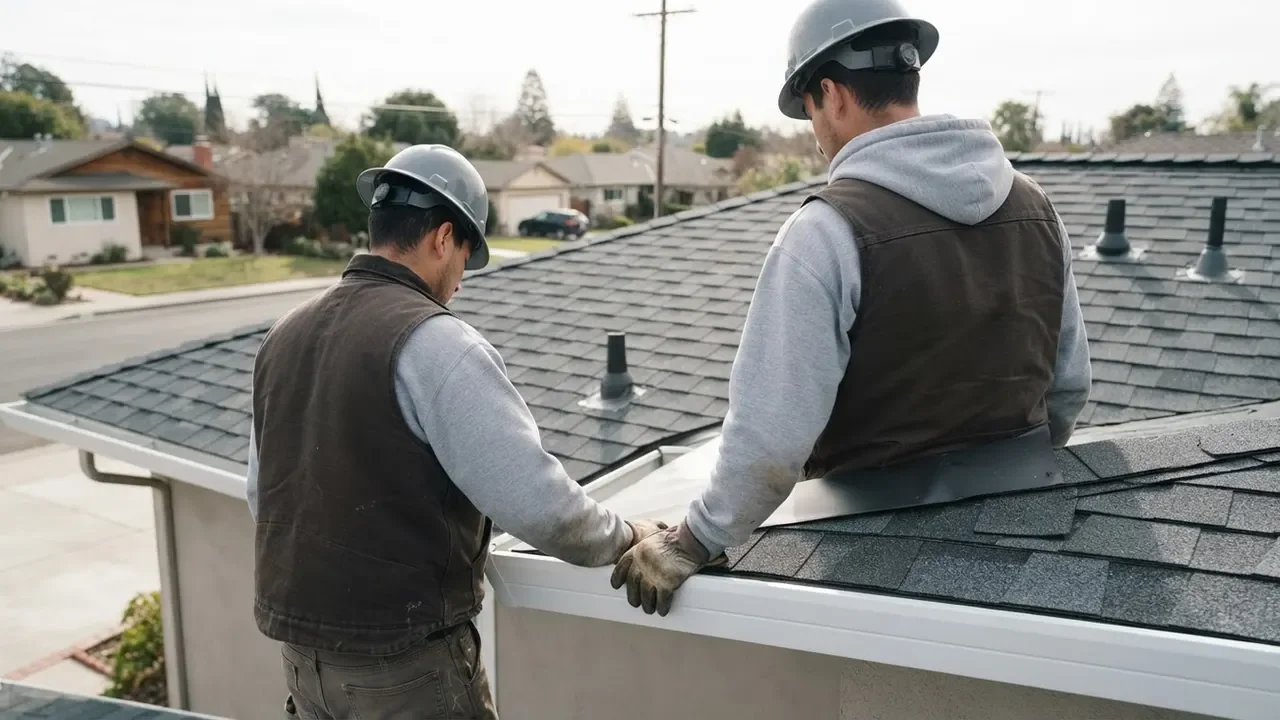
Replacement is the right path when a roof is broadly deteriorated, saturated, or beyond practical repair. We compare that option with coating after inspecting the deck and surface, helping Bay City property owners avoid spending on a finish that cannot correct widespread failure.
View service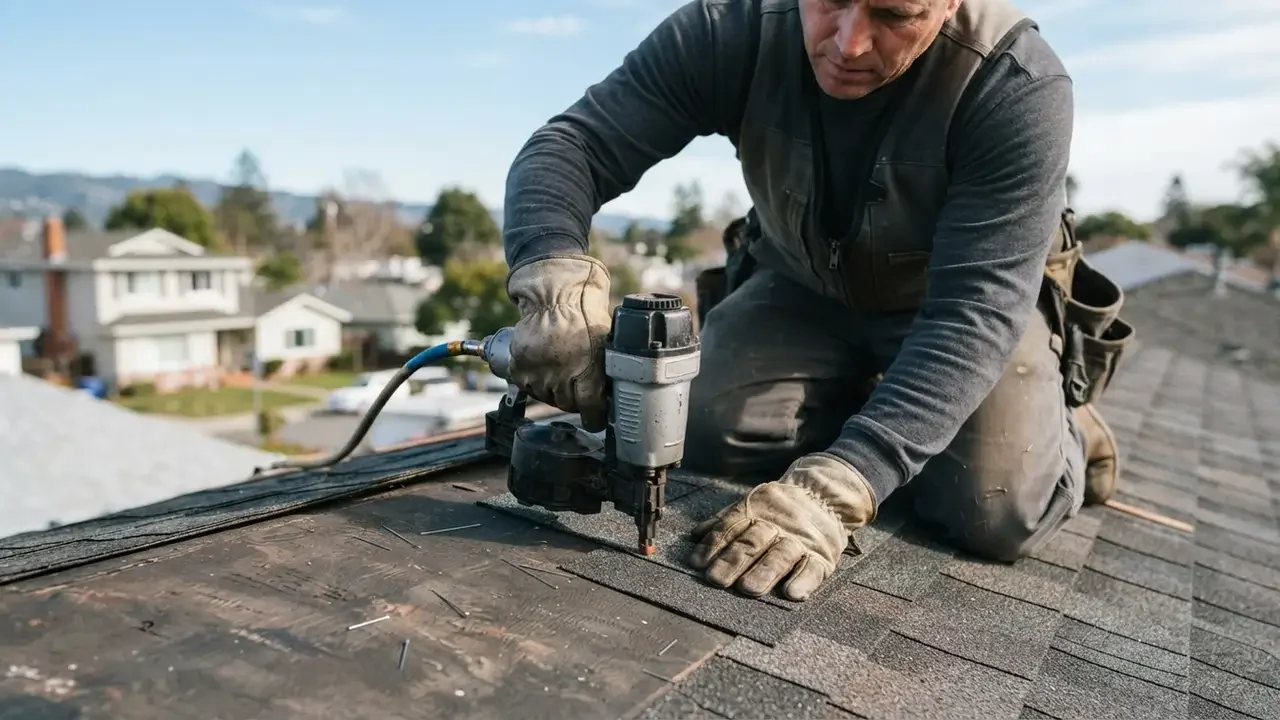
Leak repair traces water to its entry point and fixes the defect before any coating is considered. We inspect flashing, seams, and penetrations, then test the repaired area as conditions allow. This prevents a coating project from simply concealing an active leak.
View service
After wind-driven rain or sudden roof damage, emergency repair focuses first on limiting water entry and protecting the building. Once the roof is stable and dry, we assess whether a permanent repair and coating can help. Coating is not applied over wet or unsafe conditions.
View serviceCall (877) 791-3217 to discuss a roof leak, storm damage, inspection, or replacement in Bay City. We connect you with independent roofing companies and help you get the conversation started. Calls are accepted around the clock for urgent roofing needs; tell us whether water is actively entering and where you see the damage.