Focused Arrival Windows
Useful updates and clear arrival timing.
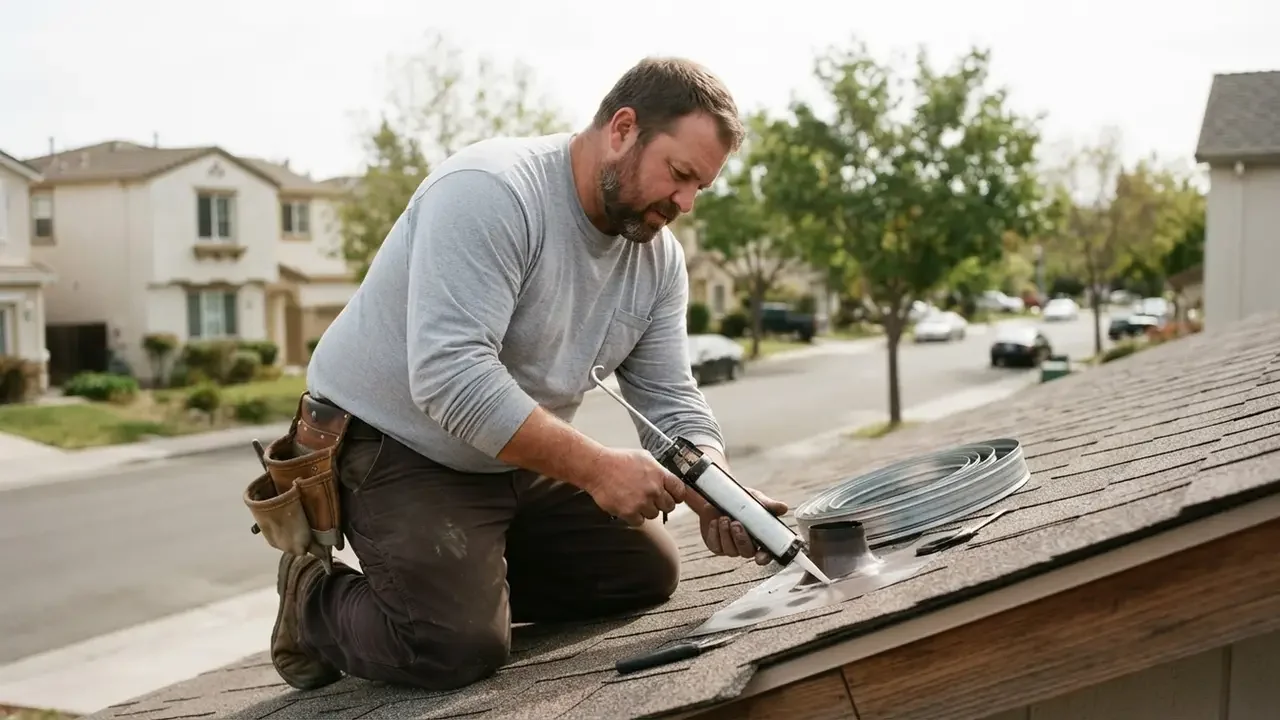
Roof valley repair in Bay City, Texas protects the channel where two roof slopes meet and direct rain toward the eaves. If water stains have appeared after a storm, shingles are lifting, or a roof leak returns after a patch, we inspect the valley and repair the actual failure. Our team serves Bay City homeowners and property managers with targeted valley leak repair Bay City TX, from damaged flashing to worn underlayment.
Useful updates and clear arrival timing.
Review the approach and price before deciding.
Equipped vehicles and respectful cleanup.
Neighbors serving neighbors with follow-through.
Roof valley repair covers inspection of the channel, removal of failed roofing materials in the affected area, and restoration of the water-shedding layers. We check the adjacent shingles and accessible decking because a visible leak can extend beneath the surface. If we find concealed rot or a larger damaged area after opening the roof, we explain the additional work and price before continuing.
We check the valley's shingle layout, flashing edges, fasteners, and drainage path, then look for nearby defects that can send water into the same area. The inspection helps identify whether the visible leak comes from the valley or a neighboring roof detail.
We lift or remove damaged shingles and underlayment within the repair area, keeping sound roofing intact where possible. If the roof deck is wet or soft, we identify the affected section so it can be repaired rather than concealed under new materials.
We repair or replace damaged roof flashing and restore the underlayment layers needed for the roof design. Ice and water shield is used where appropriate to the assembly, with edges integrated so runoff continues down the valley toward the eaves.
We reinstall compatible shingles with correct alignment and fastening, then check exposed transitions and remove loose debris from the work area. We finish by reviewing the completed repair with you and explaining any maintenance that can help keep the drainage route clear.
Share what is happening and receive a clear next step from the local team.
Roof valley repair in Bay City, Texas is a roofing repair service that restores the water channel where adjoining roof slopes meet and directs runoff safely to the eaves. We remove affected shingles, check the roof underlayment and ice and water shield, and inspect roof flashing for gaps, corrosion, lifted edges, or poor fastening. Then we replace failed components, weave or align shingles to suit the roof design, and seal only the appropriate details. A bead of sealant alone is not a lasting repair when water has already reached the deck.
Bay City roofs take hard rain, gusting wind, and repeated wet-dry cycles that expose weak valley details. Leaves and grit can slow drainage, while missing shingles or flashing failure let water travel beneath the roof covering and show up far from the entry point. If you are searching for roof valley repair near me in Bay City, Texas, we inspect the roof slopes, attic side when accessible, and nearby gutters before choosing a repair. That tracing matters in Downtown Bay City and older properties where several roof details can overlap.
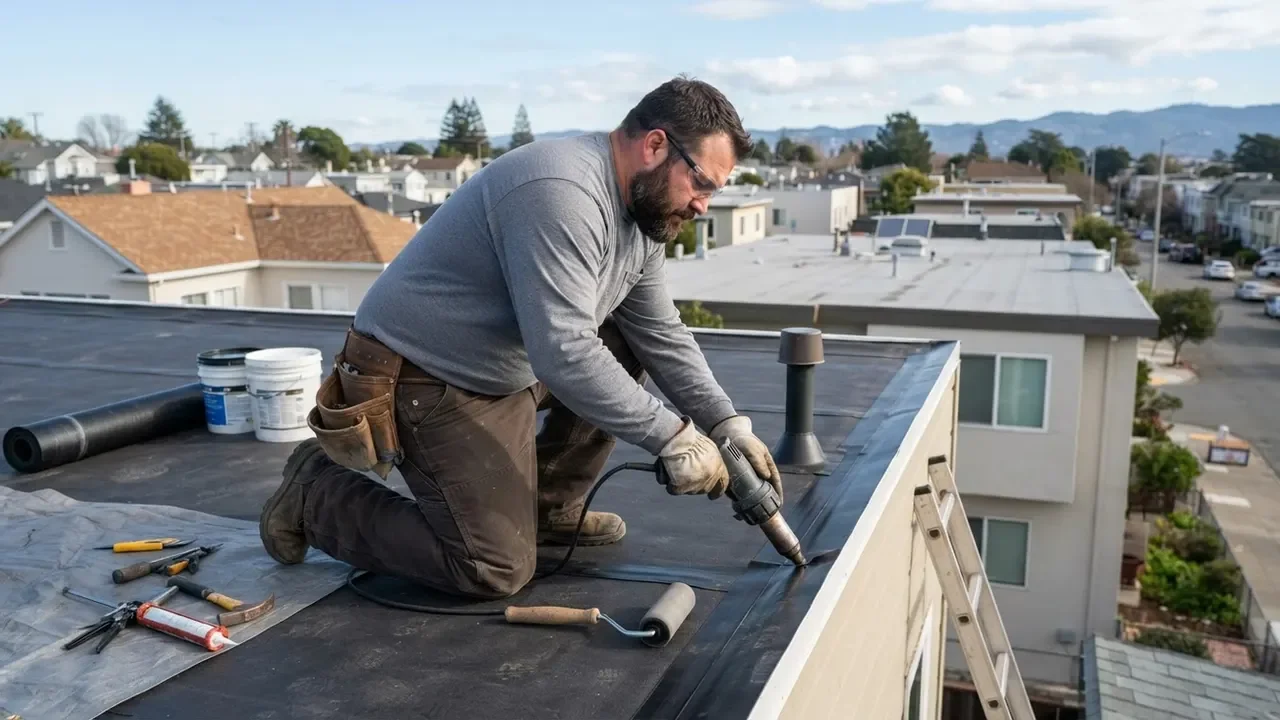
We begin with the valley, adjacent roof slopes, eaves, and gutters, looking for lifted shingles, exposed fasteners, debris, and staining. From a secured extension ladder and roof position, we document visible conditions and check the attic when access is available. This first visit commonly takes 30 to 60 minutes, depending on roof height and access.
A ceiling stain does not always sit directly below the entry point, so we compare interior evidence with exterior details. We use a moisture meter on accessible damp materials and inspect seams around nearby roof features. You hear what is failing before we open the roof, and we distinguish valley damage from a skylight leak or chimney leak.
We lift or remove the shingles needed to expose the valley assembly, using a shingle ripper and pry bar carefully to protect sound courses. If the underlayment or decking is wet, we mark the affected boundary and remove damaged material rather than covering it. Most straightforward repairs involve a contained work zone, not an entire roof.
We install compatible roof underlayment and ice and water shield where the roof assembly calls for it, then repair or replace damaged roof flashing and shingles. A chalk line helps keep courses aligned; a roofing hammer or roofing nail gun secures materials as specified. We use roof sealant only at appropriate details, not as a substitute for sound flashing.
Before we finish, we check the repaired edges, fasteners, and transition into the surrounding roof covering. We clear loose debris from the work area and confirm that water has a clear path toward the eaves. A typical targeted repair takes about two to four hours; decking replacement or difficult access adds time.
We use a moisture meter on accessible damp roof or interior materials to help distinguish active moisture from old staining. Readings guide where we inspect further; they do not replace opening the roof when concealed damage is suspected.
These tools lift or remove damaged shingle courses while helping us reach the valley assembly. Controlled removal reduces disturbance to sound roofing and exposes the flashing and underlayment that need inspection.
A chalk line helps maintain straight shingle courses and consistent alignment across the repaired roof area. Proper layout supports clean transitions and keeps the valley detail from obstructing the path of runoff.
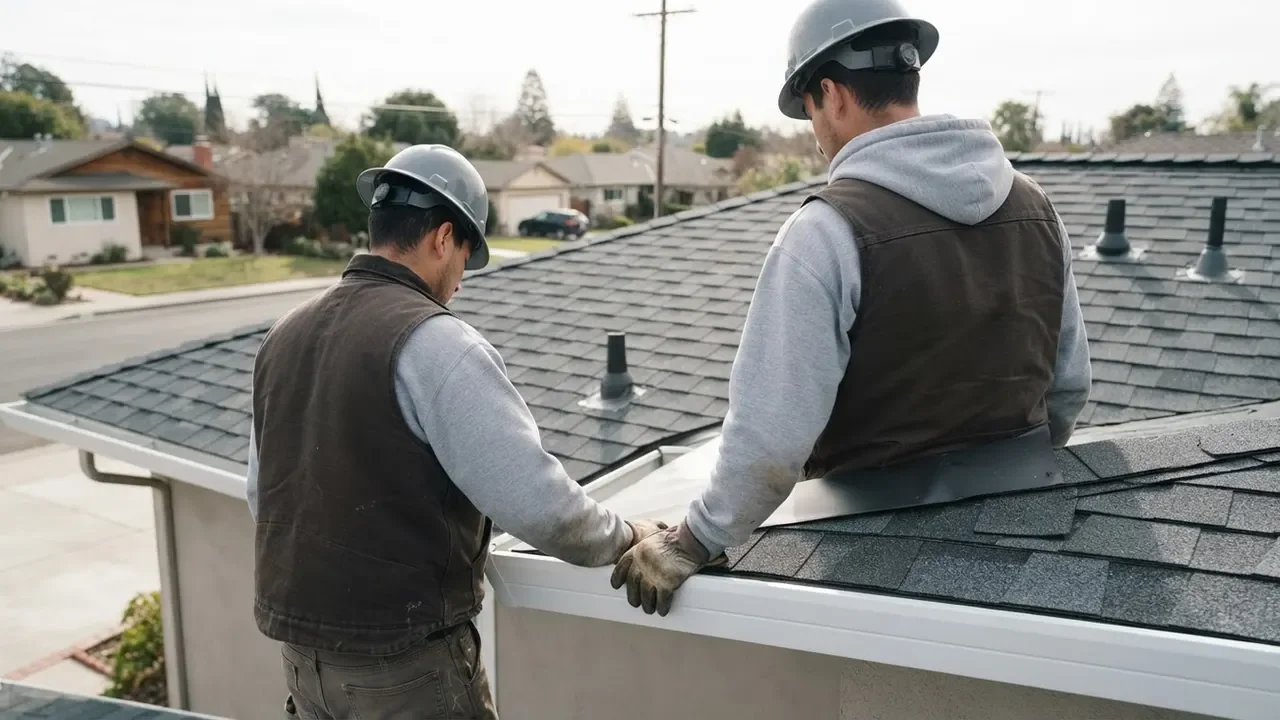
We use secured access equipment and fall protection suited to roof height and pitch. Before work begins, we plan a safe route to the valley and protect the surrounding area where materials are handled.
A caulking gun applies roof sealant at specific compatible joints where the roofing detail requires it. Sealant is not used to conceal a failed valley; we first repair the flashing, underlayment, or shingle layers responsible for water entry.
We identify whether the roof uses an open metal valley, a woven shingle valley, or a closed-cut arrangement before selecting a repair. The method determines how materials overlap and where fasteners belong. Matching the existing assembly prevents a repair from creating a new obstruction or water path.
We remove failed roofing in the affected area, inspect the roof deck, and restore underlayment and flashing in the proper sequence. Shingles are then set to direct runoff into and down the valley. This layered method corrects the path water follows instead of relying on sealant at the surface.
We compare visible staining with accessible moisture readings and exterior roof conditions. If evidence points to concealed wet materials, we open only the area needed to confirm the condition. After rebuilding the valley, we check seams and drainage transitions before closing out the work.
We select repair materials and fastening details compatible with the existing roof system and applicable manufacturer instructions. Shingle exposure, flashing overlap, and sealant placement all affect water movement. Following the intended assembly helps the repaired section perform with the surrounding roof.
We inspect the valley above the affected room, look for lifted shingles and displaced flashing, and trace water movement through accessible roof or attic areas. If the opening is limited, we replace the damaged layers and restore the surrounding shingle courses without disturbing sound roof sections. The entry point is repaired, and the homeowner knows whether any decking or interior material also needs attention.
We examine the transition, valley geometry, and materials on both roof planes. Our team corrects mismatched or failed flashing and underlayment details, then aligns the repair with the existing shingle system so the junction sheds water consistently. Runoff follows the repaired channel instead of backing beneath the older roof edge during heavy rain.
We inspect the valley and nearby penetrations from the roof, then compare exterior conditions with the stain. A moisture meter helps check accessible damp materials. Once we find the source, we repair the affected layers and tell you whether the interior insulation or ceiling needs separate attention. You get a source-based repair rather than a guess based on the location of the stain.
We clear the valley and inspect its shingles, flashing, and gutter connection. If the channel has been damaged by prolonged debris buildup, we replace the failed components and check that the gutter and downspout accept runoff without an obstruction. The valley drains toward the eaves again, reducing overflow and the risk of moisture reaching roof edges.
Bay City weather can turn a minor valley defect into an active leak when heavy rain meets gusting wind. We inspect the roof after storms for lifted shingles, exposed underlayment, and flashing movement, then check whether water has reached the deck. Humid, wet conditions also make debris buildup and slow drainage worth checking, especially where valley runoff enters older gutters. Bay City homes and commercial buildings use different roof pitches and materials, so we identify the assembly before choosing a repair detail. For valley flashing repair Bay City, Texas property owners need, our team checks the flashing and surrounding shingles together rather than treating metal as an isolated strip. If you are dealing with same day roof valley repair Bay City, Texas after sudden water entry, call us to discuss the leak and arrange an inspection. We plan elevated work around safe access and weather conditions, use compatible materials, and follow applicable Texas requirements and manufacturer instructions. A clear work area and a verified drainage path matter just as much as the new flashing.
Older roof layouts can have several intersecting slopes and previous repair layers. We inspect how those transitions meet before opening a valley, so the repair follows the existing roof structure.
Wind-driven rain can expose loose shingle edges and weak flashing. We check the valley and nearby roof features for movement that may direct water under the covering.
Homes with older shingles may have brittle surrounding material. We take care when lifting courses and identify whether a focused repair or broader work better suits the roof condition.
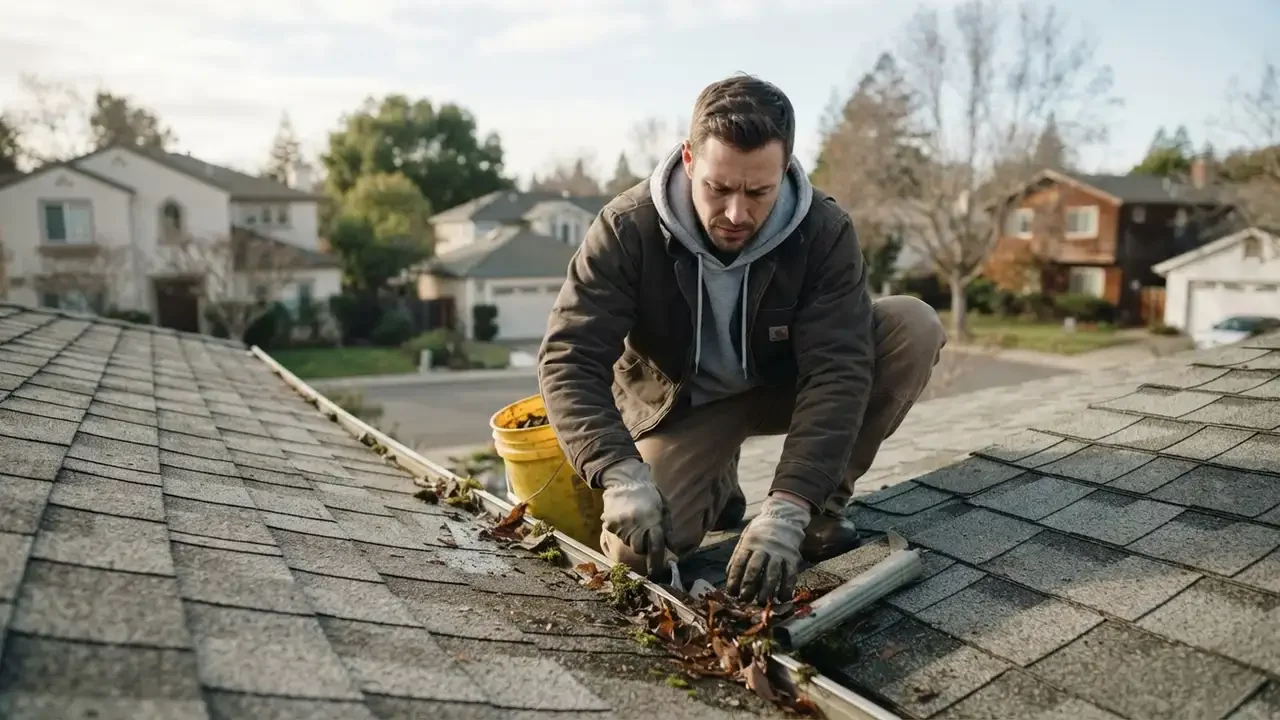
We check valley drainage and the connected eaves, since debris or a restricted gutter can compound a leak even after the roof channel is repaired.
Wind can drive rain beneath lifted shingle edges and around flashing transitions. We inspect the upper valley and adjoining slopes, then replace the failed layers and secure surrounding materials to restore the water path.
A blocked channel can hold water against flashing and slow discharge into the gutter. We clear debris, check for wear beneath it, and confirm that runoff can continue to the eaves and downspout.
Removing one damaged piece can disturb nearby shingles if the material has become brittle. We assess the surrounding courses before opening the valley and explain whether a small repair can be completed without causing additional breakage.
A homeowner in Downtown Bay City noticed a brown ceiling mark after each heavy rain. A previous surface patch had not stopped the leak, and the stain sat several feet from the roof valley. Inspection found a split flashing detail and damp underlayment extending beyond the visible ceiling mark.
We removed the affected shingles, replaced the failed flashing and wet underlayment, and reset the surrounding courses. The repaired section covered a 4-foot stretch of valley. The next rain passed without a new ceiling mark, and the homeowner had a clear record of the materials replaced.
Maintenance: Check the ceiling after major rain and keep the nearby gutter free of leaves. If a new stain appears, report where it starts and how quickly it grows so we can compare it with the repaired roof area.
After a windstorm in Bayview, several shingles had lifted along the valley edge and exposed a narrow strip of underlayment. The roof deck felt sound, but one shingle was split and the flashing had shifted slightly. More rain was forecast, increasing the chance of water entering the attic.
We replaced the split shingles, reset the valley flashing, and checked the adjacent 6-foot section for loose fasteners and wet material. The roof covering returned to a continuous, downhill overlap. The repair took about three hours, with the final inspection confirming that the valley channel remained open.
Maintenance: Look from the ground for lifted or missing shingles after strong wind, but do not climb onto the roof. Arrange an inspection if you see exposed underlayment or notice water inside.
A Harbor District property had leaves and grit packed into a valley, with water spilling over the eave during heavy showers. The homeowner also noticed granule loss around the lower shingle courses. Inspection found worn valley shingles and a restricted gutter outlet.
We cleared the channel, replaced the damaged lower valley shingles, and restored the gutter connection so runoff could leave the roof. The repair addressed both the worn roof surface and the drainage restriction. Water followed the channel into the gutter during the final check.
Maintenance: Have the valley and gutter checked as part of regular roof maintenance, particularly after seasonal leaf fall or storms. Clearing debris before it compacts helps preserve drainage and makes early shingle wear easier to spot.
A small opening at a roof valley can let water reach the underlayment, decking, insulation, and ceiling. We identify the route and repair the failed roof layers, so you are not left with a temporary surface patch while moisture continues moving beneath the shingles.
Water can travel along roof decking before it drips indoors, so the ceiling stain may not line up with the original opening. Continued moisture can damage insulation, paint, and wood. We compare the stain location with the roof layout, inspect the valley and adjacent features, and check accessible materials for moisture. After identifying the entry point, we open the affected section, replace failed components, and restore the shingle or flashing detail. We also explain any wet decking that needs repair.
A lifted edge can let wind-driven rain beneath the roofing and loosen neighboring shingles. Each storm can widen the opening and increase the area exposed to water. We inspect the damaged courses and valley edges, remove loose or split shingles, and check the underlayment for tears. We secure compatible replacement materials and correct any flashing displacement. If conditions prevent safe roof work, we protect exposed areas when feasible and return for the permanent repair.
Debris slows runoff and holds moisture against shingle edges and flashing. Backed-up water can find small gaps, while repeated dampness accelerates wear around the channel. We clear the obstruction and inspect the valley for worn or damaged materials underneath. We also check the gutter outlet and eaves to confirm water can leave the roof freely. If the valley components are intact, keeping the channel clear can reduce recurrence; damaged layers receive a targeted repair.
Surface sealant cannot restore torn underlayment or failed flashing, and trapped moisture may remain beneath the repair. The leak can return as the patch ages or roof materials move. We remove failed patch material where needed and inspect the underlying assembly. Our team replaces the damaged flashing, underlayment, or shingles and applies sealant only where the system calls for it. The repair addresses the water-shedding layers instead of adding another surface bead.
Bay City Roofing works on roof leakage repair, shingle systems, flashing details, and the transitions where leaks often begin. We assess how the valley was built before choosing a repair method, because an open metal valley and a closed-cut shingle valley do not use identical details. Our team follows manufacturer installation guidance and applicable local requirements, protects the work area, and checks adjacent components that can redirect water. We explain what needs repair and why, then complete the work with materials suited to your roof.
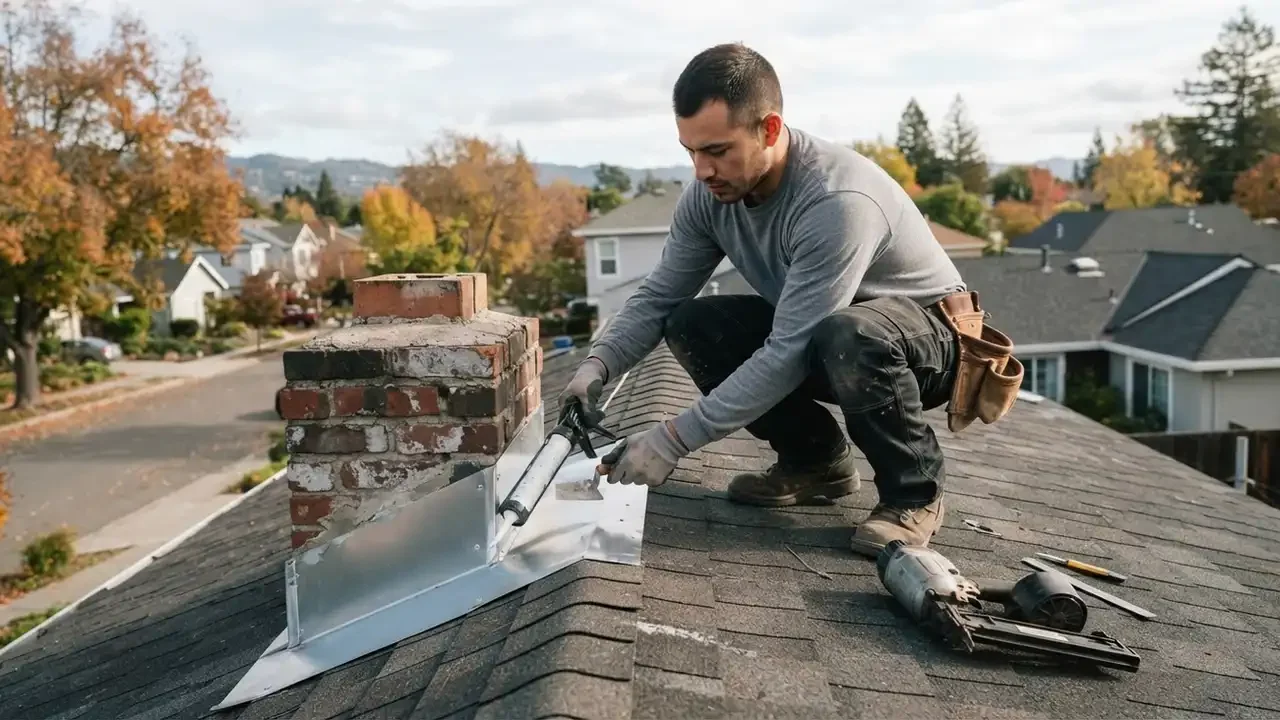
Water showed up in the bedroom after heavy rain, even though the stain was several feet from the valley. The crew checked the shingles above it, found a damaged flashing section, and replaced the wet underlayment. They cleaned up the granules and explained what they had changed. The next rain passed without another ceiling mark.
A few shingles had lifted near the valley after a windy storm, and I was worried water had reached the attic. The team inspected the decking, replaced the damaged section, and matched the shingle color closely. The repair took part of the day, and they showed me the repaired area before packing up.
We had recurring water near a top-floor hallway and could not tell whether it was the valley or a nearby roof feature. The crew checked both, found debris and a split valley detail, then restored the drainage path. They gave us a clear summary of the work, and the leak stopped.
A targeted repair commonly costs $350 to $1,500 in 2026, depending on valley length, roof access, materials, and whether decking is damaged. We inspect the failed area and nearby roof details before pricing the work. A small flashing repair costs less than rebuilding a long valley with underlayment and sheathing replacement. Your upfront price identifies the repair being completed.
A roof valley in Bay City TX most often leaks because shingles have lifted, flashing has failed, underlayment is damaged, or debris has slowed drainage. Wind-driven rain can expose small gaps, and water may travel along the decking before staining a ceiling. We inspect above and beside the stain, including nearby roof penetrations, to separate a valley leak from another source.
Yes, many roof valleys in Bay City, Texas can be repaired without replacing the entire roof when damage is limited to shingles, flashing, underlayment, or a small section of decking. We open the affected area, remove failed materials, and rebuild the valley detail. If the surrounding roof is brittle or widespread damage is present, we explain why a larger replacement may be the sounder option.
Fixing a roof valley leak in Bay City TX starts with finding the entry point, then replacing failed shingles, flashing, or underlayment rather than relying on surface caulk. Our team checks for wet decking, rebuilds the affected section, and verifies the runoff path. A straightforward repair often takes two to four hours; unsafe weather or concealed rot can extend the work.
Not seeing your question? Our local team can help you understand urgency, scheduling and what to expect.
Ask the local team
Roof Repair addresses damage beyond the valley, including missing shingles, loose edges, and localized leaks. We inspect the surrounding roof so your valley fix works with the rest of the system, then repair related failures when they contribute to water entry.
View service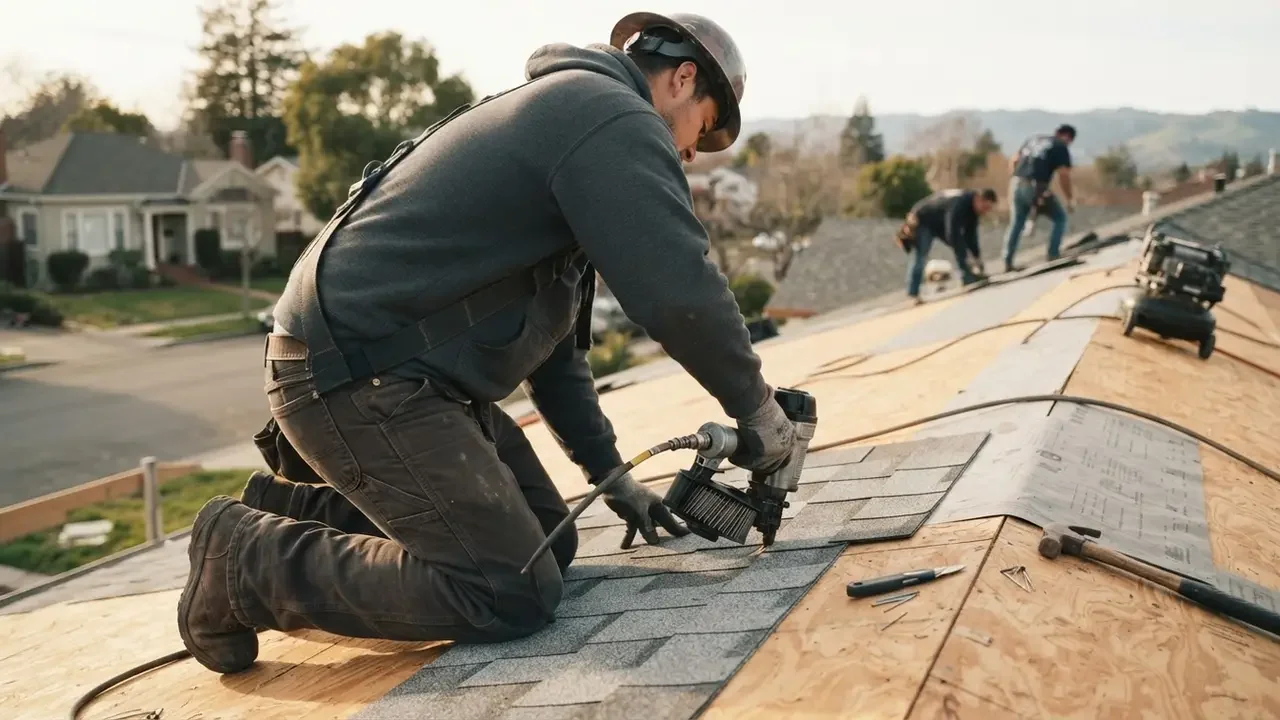
Roof Replacement becomes relevant when a valley leak is one sign of widespread wear or repeated failures. We assess the roof's overall condition and explain whether a targeted repair remains practical or a new roof system is the better long-term solution for your Bay City property.
View service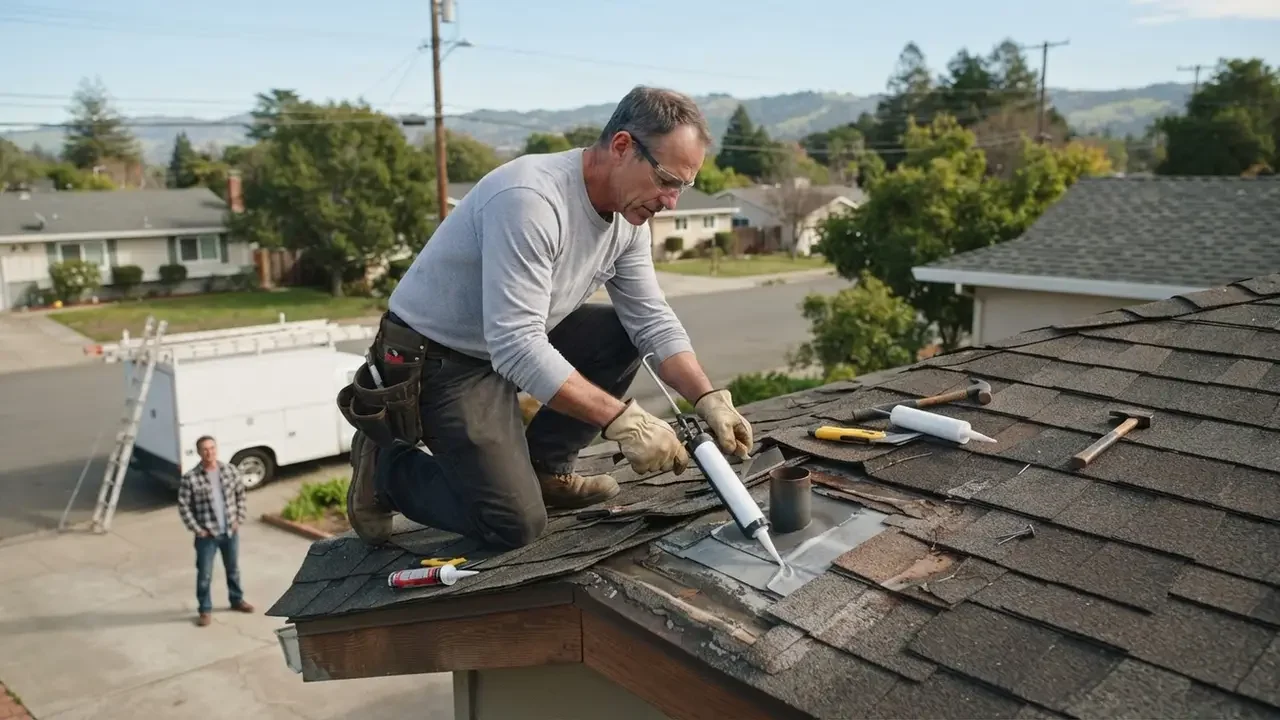
Roof Leak Repair tracks water intrusion to its source, whether it begins at a valley, flashing joint, or roof penetration. We compare interior stains with exterior evidence and repair the failed assembly, helping prevent recurring dampness and damage to ceilings or insulation.
View service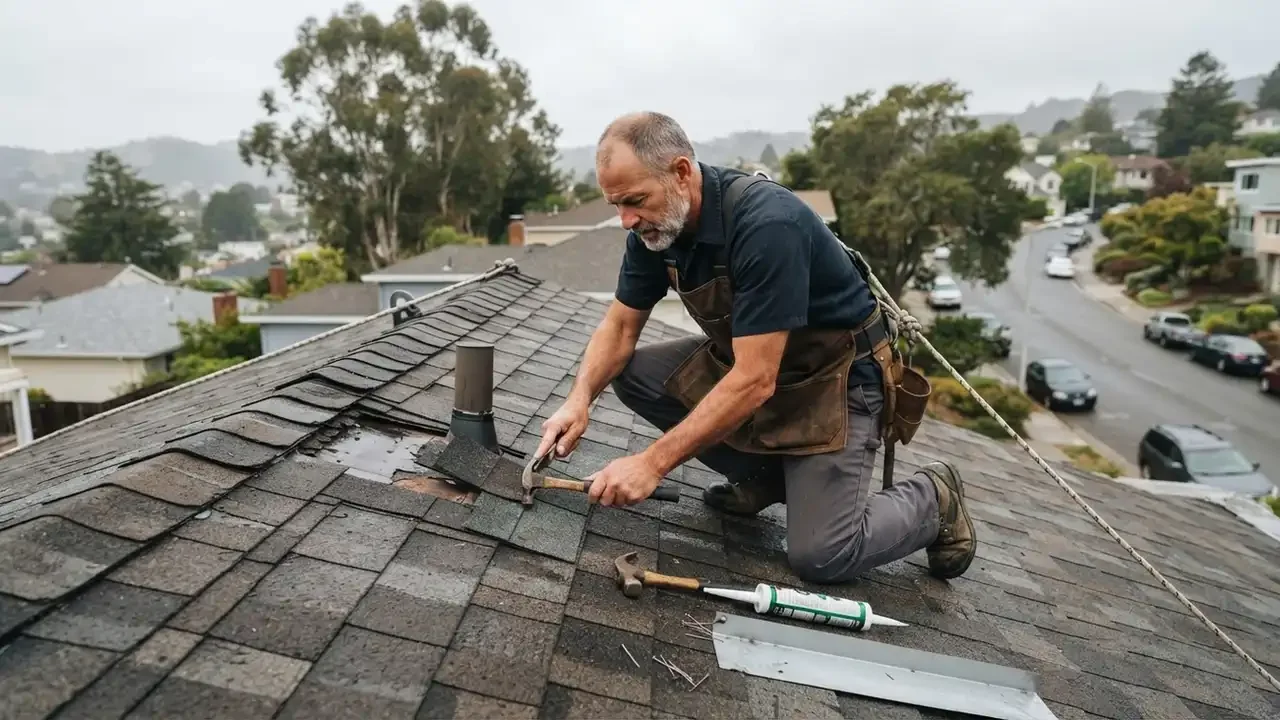
Emergency Roof Repair helps limit water entry after wind or hail displaces valley shingles or flashing. We assess the immediate hazard, protect exposed areas when conditions allow, and plan permanent repairs once the roof can be worked on safely.
View serviceCall (877) 791-3217 to discuss a roof leak, storm damage, inspection, or replacement in Bay City. We connect you with independent roofing companies and help you get the conversation started. Calls are accepted around the clock for urgent roofing needs; tell us whether water is actively entering and where you see the damage.