Focused Arrival Windows
Useful updates and clear arrival timing.
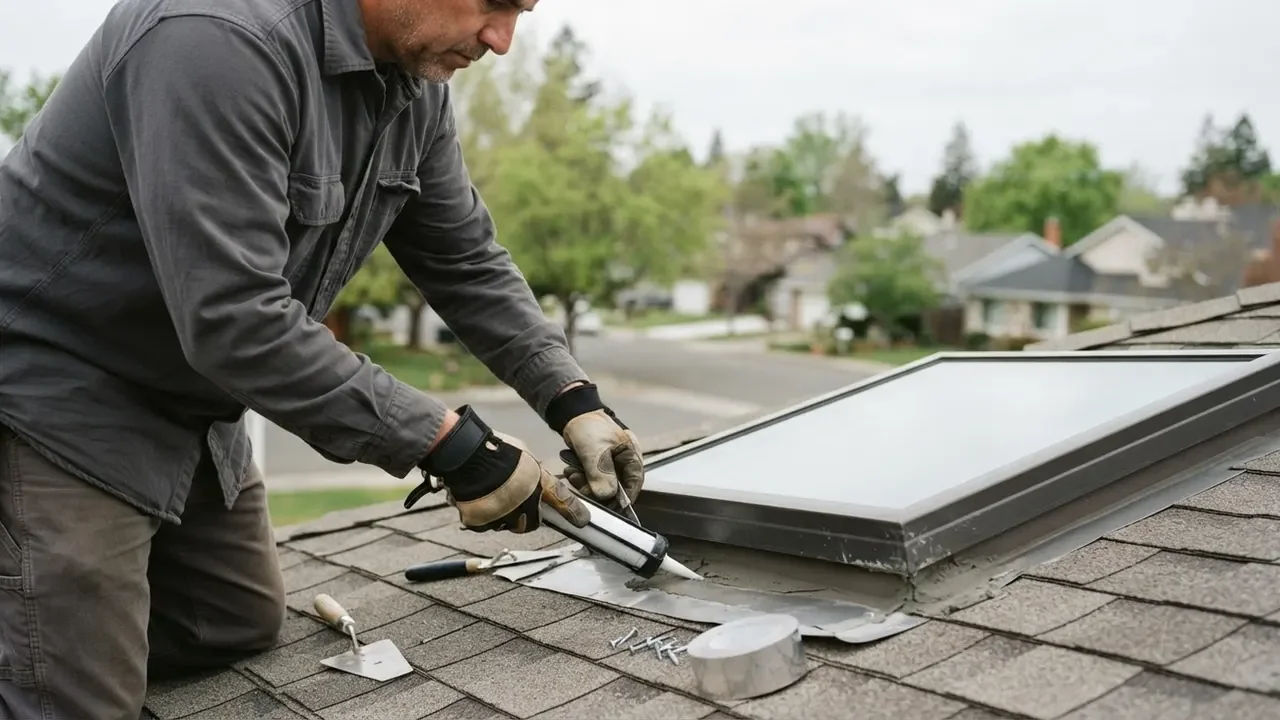
Roof vent installation in Bay City, Texas gives homeowners and property managers a practical way to reduce trapped attic heat and moisture. We assess the roof shape, existing intake vents, and attic conditions before recommending a vent layout. Our attic vent install Bay City TX service is for roofs with poor airflow, visible condensation, or rooms that stay hot long after sunset. You get a clear plan for the roof and the ventilation system working together.
Useful updates and clear arrival timing.
Review the approach and price before deciding.
Equipped vehicles and respectful cleanup.
Neighbors serving neighbors with follow-through.
Roof vent installation includes an attic and roof review, vent selection, measured opening, fastening, compatible flashing, and cleanup. We explain any separate roof-deck or leak repair needed if inspection reveals damage; those repairs are priced according to the materials and area involved. The goal is a properly placed exhaust opening that works with existing intake and the roof covering.
We inspect available soffit intake, existing exhaust vents, attic moisture, and roof-deck condition. This check informs vent type and placement, and helps identify whether a blocked intake or active roof leak is contributing to the symptoms.
We choose a ridge, box, or turbine vent based on roof geometry, covering, and airflow needs. You see where the vent will sit and how the planned exhaust relates to intake openings before the roof is cut.
We mark and cut a controlled opening, secure the vent, and integrate its flashing with nearby shingles or panels. Compatible roof sealant is used where the installation detail calls for it, with the roof's drainage direction kept in mind.
We examine the finished vent, fasteners, and surrounding roof surface, then remove work debris. Before leaving, we show you the installation and point out any attic condition that needs separate attention.
Share what is happening and receive a clear next step from the local team.
Roof vent installation in Bay City, Texas is a roof ventilation service that creates a balanced path for hot, moist attic air to exit while cooler outdoor air enters through intake vents. We check the roof slope, attic size, existing soffit openings, and roof covering before choosing ridge, box, or turbine vents. The opening is cut and flashed to suit the roofing material, then sealed against rain entry. Proper placement matters: exhaust vents should not compete with one another or draw air from lower exhaust vents instead of the soffits.
Warm, humid weather and long cooling seasons can leave Bay City attics holding heat after the sun goes down. Signs include damp roof sheathing, rusty fasteners, musty odors, and uneven room temperatures. Bay City, Texas roof vent installation begins with checking intake and exhaust balance, not simply adding vents. If you're searching for roof vent installation near me in Bay City, Texas, we inspect the attic and roof together, then explain whether ventilation, a roof leak repair, or both address the actual cause.
We inspect the attic for dampness, blocked intake, insulation interference, and signs of a roof leak, then examine the exterior roof and ridge. You can point out hot rooms, odors, or condensation you've noticed. A moisture meter helps us distinguish damp wood from staining, and we identify whether existing vents are working together or against one another.
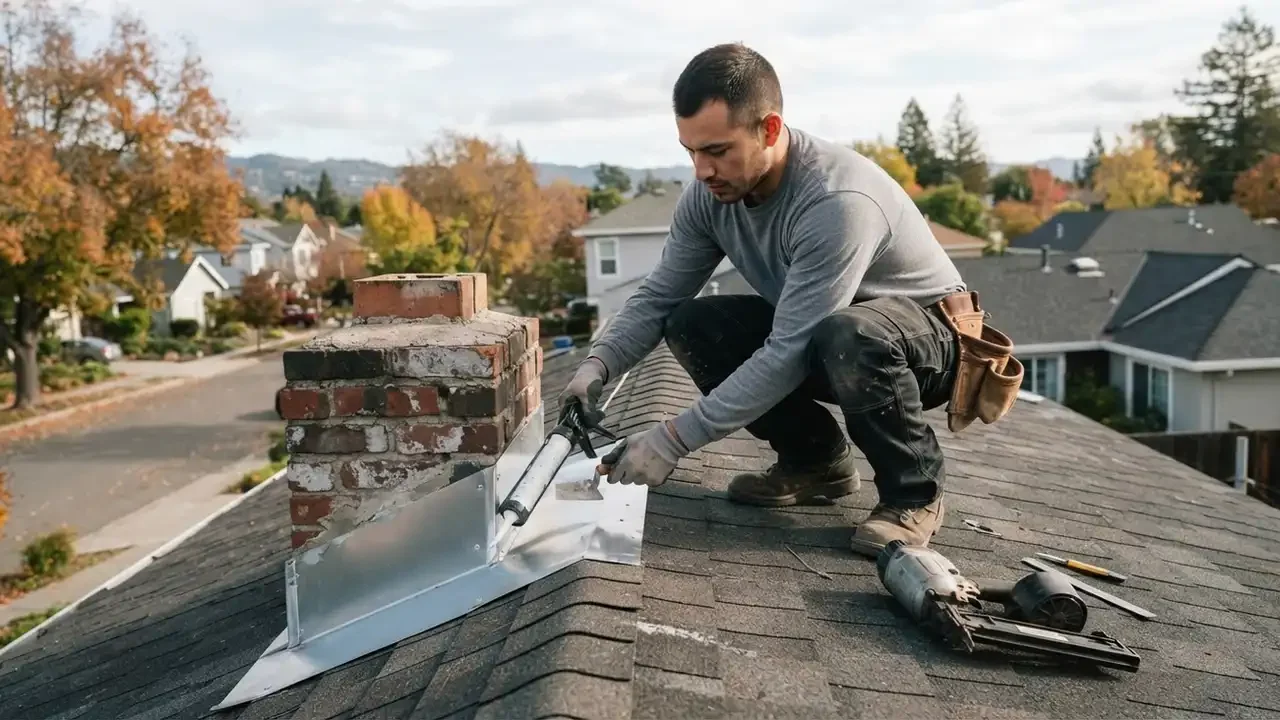
We map the roof shape, slope, and available intake before choosing a ridge, box, or turbine vent. The plan accounts for the roof covering, framing, and nearby chimneys or skylights. We tell you where each vent will sit and why, so you can see how the layout supports airflow rather than creating isolated openings.
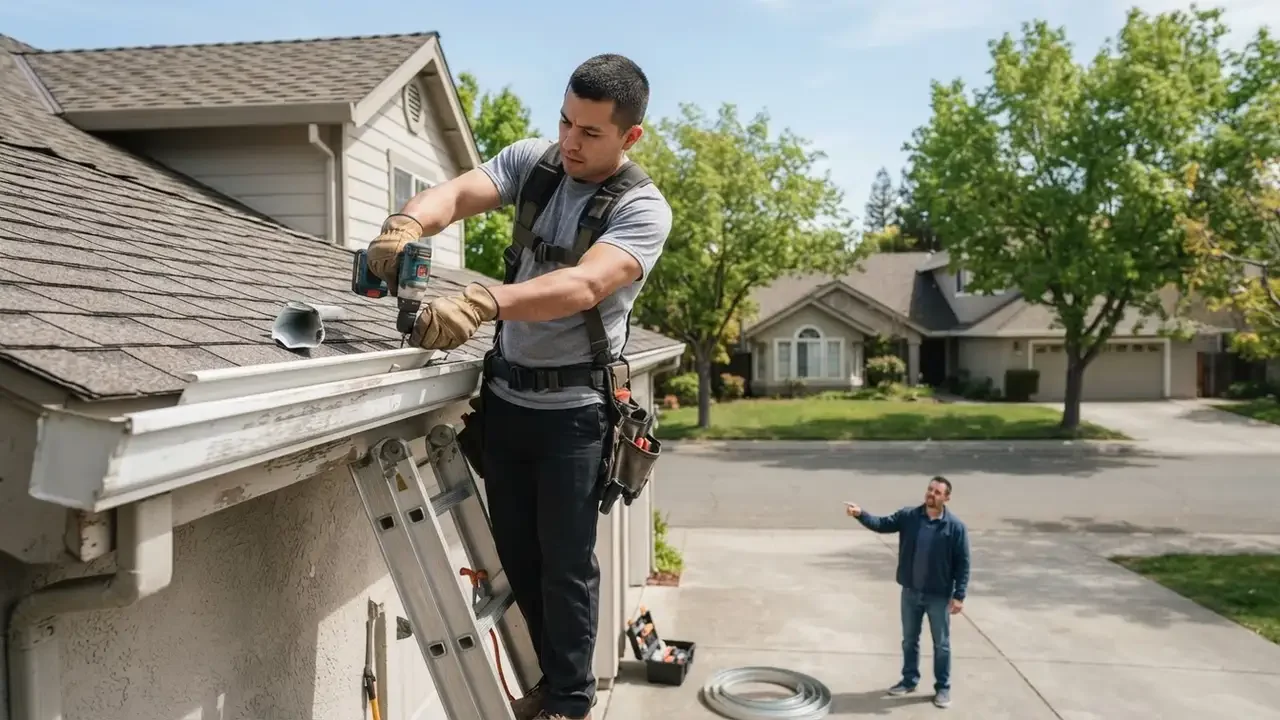
Our installers protect the work area, use an extension ladder and safety harness, and mark the opening with a chalk line. We remove only the shingles needed, check the roof deck, and cut the opening to the vent manufacturer's dimensions. If we find rot or a hidden leak, we show you the affected area before making the related repair.
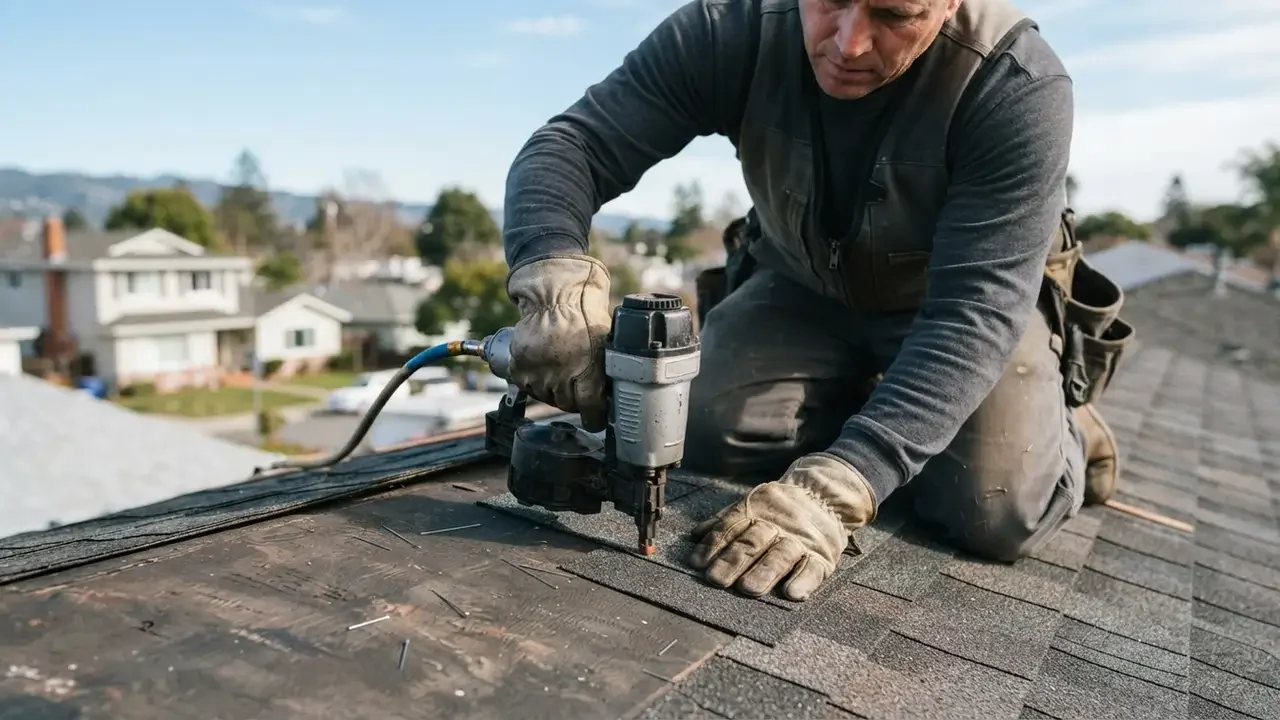
We secure the vent with roofing fasteners, integrate its flange with surrounding shingles or roofing panels, and apply compatible roof sealant where the installation calls for it. A roofing nail gun and roofing hammer help keep the fastening consistent. We take care not to obstruct the vent throat or leave exposed edges that can catch wind-driven rain.
We check the finished flashing, fasteners, and roof surface, then clear scraps and loose granules from the work area. You receive a walkthrough of the installed vent and any attic findings. The installation itself commonly takes two to four hours for a straightforward job; added decking repairs or difficult access can extend that window.
We check suspect roof sheathing for elevated moisture and compare affected areas with dry wood nearby. That helps distinguish a ventilation concern from a leak requiring roof repair.
We use thermal patterns to help locate temperature differences in the attic and roof assembly. Findings guide a closer visual check; the camera supports, but does not replace, direct inspection.
A chalk line marks a controlled layout, while a utility knife trims roofing materials where appropriate. Accurate marks help keep the opening aligned with framing and the selected vent dimensions.
We use a roofing nail gun for consistent fastening where the vent and roof manufacturer's installation detail permits it. The fastener pattern must secure the flange without compromising the water-shedding layers.
We use roof access equipment and fall protection suited to the work area. Safe access matters during measurement, shingle removal, flashing installation, and the final inspection of the vent.
We inspect both the air entering at soffits and the air leaving through roof vents. The layout is assessed as a system, because adding exhaust without adequate intake can reduce performance. We also check that separate exhaust types do not compete or short-circuit airflow.
For shingle roofs, we lift only the courses needed and position the vent flange so water flows over the proper layers. We fasten according to the vent detail, replace disturbed shingles, and inspect the finished edges for exposed gaps or lifted tabs.
We mark the opening to the vent dimensions and verify its location against framing before cutting. This limits unnecessary deck removal and keeps the vent throat clear. If the deck is soft or damaged, we stop and identify the repair area before covering it.
We inspect the cap, flange, fasteners, surrounding roof material, and sealant application where specified. We clear debris from the work area and explain what to look for after rain, including new staining or loose material around the opening.

We inspect the attic, check soffit intake, and measure moisture in the affected wood. We also examine nearby roof penetrations and flashing for water entry. If the roof is sound and airflow is unbalanced, we recommend a vent layout that supports the existing intake rather than cutting an arbitrary opening. You learn whether the moisture comes from condensation or a roof leak and get a repair plan aimed at the correct cause.
We compare attic conditions with the roof's ridge, slope, and soffit openings. If the roof supports it, we discuss ridge vent installation Bay City, Texas and confirm that intake is adequate. We mark the proposed line and check for framing or roof details that affect placement before work begins. The attic gains a planned exhaust path, and you understand what intake openings must remain clear for the system to function.
We secure the opening, inspect the flashing and surrounding roof for wind damage, and check the deck for dampness. If rain is entering, we repair the weatherproofing before considering any airflow changes. We then explain whether the existing vent design remains suitable for the attic. The immediate opening is made weather-tight, and you receive a clear next step for ventilation without confusing it with leak repair.
We coordinate vent placement with the replacement roof layout, confirm intake, and choose flashing compatible with the selected shingles. We install the vent as the roof work progresses, so the flange can be integrated cleanly with surrounding courses rather than cut into finished material later. The new roof and exhaust layout are planned together, reducing avoidable disturbance to recently installed shingles.
Bay City properties face long warm periods and humidity that can leave an attic holding heat or moisture. Roof vent installation here starts with a close look at the whole roof assembly: intake at the eaves, exhaust at the roof, and any leak paths around chimneys or skylights. We do not assume every attic needs another opening. The roof's slope, framing, covering, and existing vent layout determine the right approach. For homes with asphalt shingles, we integrate the vent flange into the shingle courses and check the roof underlayment around the opening. Metal roofing panels need a detail suited to panel ribs and fasteners; low-slope roofs require membrane-compatible work. We also check gutters and soffits, since debris or damaged eaves can limit intake. If you are looking for same day roof vent installation Bay City, Texas, call with the symptoms and roof type; we will discuss the work window and assess the conditions before installation. All work follows the applicable product instructions and local requirements.
Older roof layouts and additions can create mixed attic sections. We check each section's intake and exhaust rather than assuming one vent serves the entire roof.
Wind-driven rain makes vent flashing and cap condition important. We inspect the surrounding roof covering and water path before choosing an opening location.
Homes with persistently warm upper rooms benefit from an attic check that includes blocked soffits, insulation placement, and the existing exhaust layout.
Roof styles and coverings can vary from property to property. We match vent flashing and fastening details to the material already on the building.
Warm, moist attic air can persist after the day's heat has passed. We inspect for condensation and verify that indoor moisture is not being mistaken for roof leakage before recommending more exhaust.
A poorly flashed or damaged vent can admit water even when the rest of the roof appears intact. We check the cap, flange, shingles, and deck for signs of entry before completing ventilation work.
Leaves and damaged soffit material can restrict incoming air, limiting the benefit of a new roof vent. We examine the eaves and note any obstruction that needs clearing or repair for balanced airflow.
A homeowner reported an upstairs bedroom that stayed warm into the evening. The attic had one small exhaust vent and partially blocked soffit openings, so hot air had no consistent route out. The roof surface was intact, but the existing setup did not provide balanced airflow across the attic.
We cleared the airflow path and installed a vent layout suited to the ridge and intake. The straightforward roof work took about three hours, including inspection and cleanup. The attic now has a defined intake-to-exhaust route, and the homeowner has clear guidance on keeping the soffit openings unobstructed.
Maintenance: Check soffit openings each spring and after major debris buildup. From the ground, look for a loose cap or lifted shingles; schedule a roof inspection if you notice a new ceiling stain or musty attic odor.
After wind-driven rain, a Bay City property developed a ceiling mark below an aging roof vent. The cap was loose, and the flashing edge had lifted from the shingle surface. Water had dampened a small area of sheathing, though the damage had not spread across the attic.
We replaced the damaged vent components, repaired the affected flashing, and checked the sheathing before closing the area. The repair and installation took roughly half a day because the deck needed drying and a careful final check. The roof opening was weather-tight when we finished.
Maintenance: After strong wind or hail, inspect the roof from the ground for shifted caps or missing shingles. If a stain returns, arrange a prompt inspection rather than sealing the ceiling before locating the entry point.
A roof replacement was planned for a home with uneven attic temperatures and no continuous exhaust along the ridge. Installing a vent after the new shingles went on would have required disturbing finished courses and repeating some flashing work.
We checked intake and framing before the replacement roof was finished, then integrated a ridge vent into the new shingle courses. The layout used the available ridge length and preserved the roof's water-shedding details. The homeowner received one coordinated roof and ventilation plan.
Maintenance: Keep the ridge area clear of accumulated debris and have the roof checked during routine maintenance. Ask for a review if attic symptoms return or if nearby shingles are damaged after a storm.
Roof vent installation helps when attic air stays hot or damp, but ventilation is not a cure for every roof problem. We check the roof, intake openings, and attic together to find the cause. If you are considering ridge vent installation to prevent moisture Bay City TX, we first verify that the roof layout and intake support a balanced system.
Heat held beneath the roof deck can make upper rooms uncomfortable and increase the load on cooling equipment during long warm periods. We check existing intake, exhaust, and attic obstructions, then recommend vent placement that gives hot air a clear exit. If insulation blocks soffit airflow, we identify that issue rather than adding exhaust alone. You receive a practical plan based on the roof's actual geometry.
Persistent moisture can support wood deterioration and create odors, while staining may also point to a roof leak that needs separate attention. We use a moisture meter and inspect nearby flashing, penetrations, and attic conditions to tell condensation from water entry. Once the cause is clear, we install or repair ventilation as needed and address the roof opening if it is leaking.
Water can travel from a failed vent flashing along the roof deck before appearing as a ceiling stain, making the source difficult to spot. We inspect the vent cap, base, surrounding shingles, and decking. Our crew replaces damaged components, integrates the flashing with the roof covering, and checks adjacent material for wind damage. Ventilation adjustments follow only when the airflow system also needs correction.
Without a clear intake path, exhaust can pull air from unintended gaps and still leave sections of the attic poorly ventilated. We trace the airflow route from soffits to exhaust and check for insulation or debris blocking entry. We clear or identify intake constraints, then select an exhaust layout that suits the available airflow. That prevents a vent-count-only approach from masking the real restriction.
Ventilation only works when the roof, attic intake, and exhaust are treated as one system. We bring local experience with asphalt shingles, architectural shingles, and metal roofing panels, and we adapt the detail to the material already on your home. Our crew uses fall protection and checks for water entry at every new penetration. We do not claim a certification that has not been established; instead, we explain the installation method, materials, and workmanship directly so you can make a sound decision for your property.
The upstairs stayed hot well into the evening, so we asked about a ridge vent. The crew checked the soffit openings first and explained why adding exhaust alone would not solve it. They finished the installation in a few hours, cleaned up the shingle scraps, and showed us the flashing before leaving. The attic airflow issue finally had a clear plan.
We noticed a musty smell and dark marks on the attic sheathing. The team used a moisture meter and found a small area that needed attention before the vent went in. They repaired the opening detail, installed the vent, and walked us through what to watch after heavy rain. The explanation was direct and the work area was left tidy.
A damaged roof vent was letting water reach the ceiling below. Bay City Roofing checked the surrounding shingles and flashing rather than just replacing the cap. They secured the opening and explained the follow-up ventilation recommendation for the attic. We appreciated seeing the roof condition and knowing which part was the leak repair.
A straightforward roof vent installation often costs $250-$750 per vent, depending on vent style, roof material, access, and flashing work. Typical 2026 pricing in Bay City varies when a ridge vent replaces a longer section or damaged decking needs repair. We inspect the roof and attic before pricing so the recommendation reflects the actual opening and airflow needs. Call (877) 791-3217 to arrange an assessment.
You need a ventilation assessment if your attic has persistent heat, condensation, musty odor, or damp roof sheathing. Those signs do not prove that adding an exhaust vent is the right fix; blocked soffits, a roof leak, or indoor moisture can cause similar symptoms. We check intake, exhaust, and the roof deck together, then explain whether a new vent or another repair addresses the problem.
The best vent depends on your roof shape, existing intake, covering, and available ridge length. A ridge vent can provide continuous exhaust along a suitable ridge, while box or turbine vents suit some roof layouts. We compare airflow capacity and placement rather than choosing by appearance. A balanced system also needs adequate intake, commonly through unobstructed soffit openings.
Yes, roof vents can be installed on an existing roof when the decking and surrounding roofing are sound. We lift or remove the necessary courses, cut a measured opening, fit the vent, and integrate its flashing with the existing covering. The work often takes two to four hours for a simple installation. If we find rot, missing shingles, or a leak, we address that condition as part of the repair plan.
Not seeing your question? Our local team can help you understand urgency, scheduling and what to expect.
Ask the local team
A vent installation can uncover cracked shingles, loose fasteners, or damaged decking nearby. Our Roof Repair service addresses those defects before they allow water beneath the covering. We check the surrounding courses and flashing so the new ventilation opening sits within a sound roof system.
View service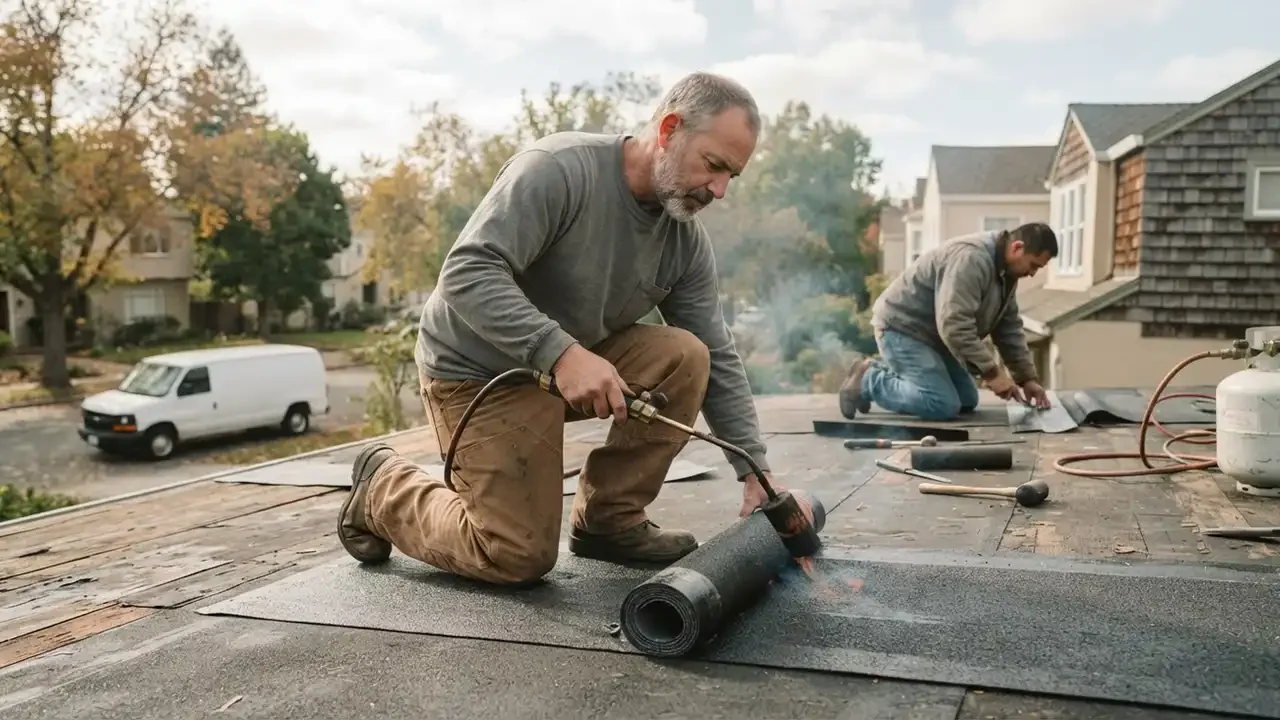
If your roof is nearing replacement, planning ventilation with the new covering avoids cutting into finished shingles later. We coordinate vent placement with the roof layout and intake design, helping Bay City property owners select compatible flashing and preserve a clean ridge detail.
View service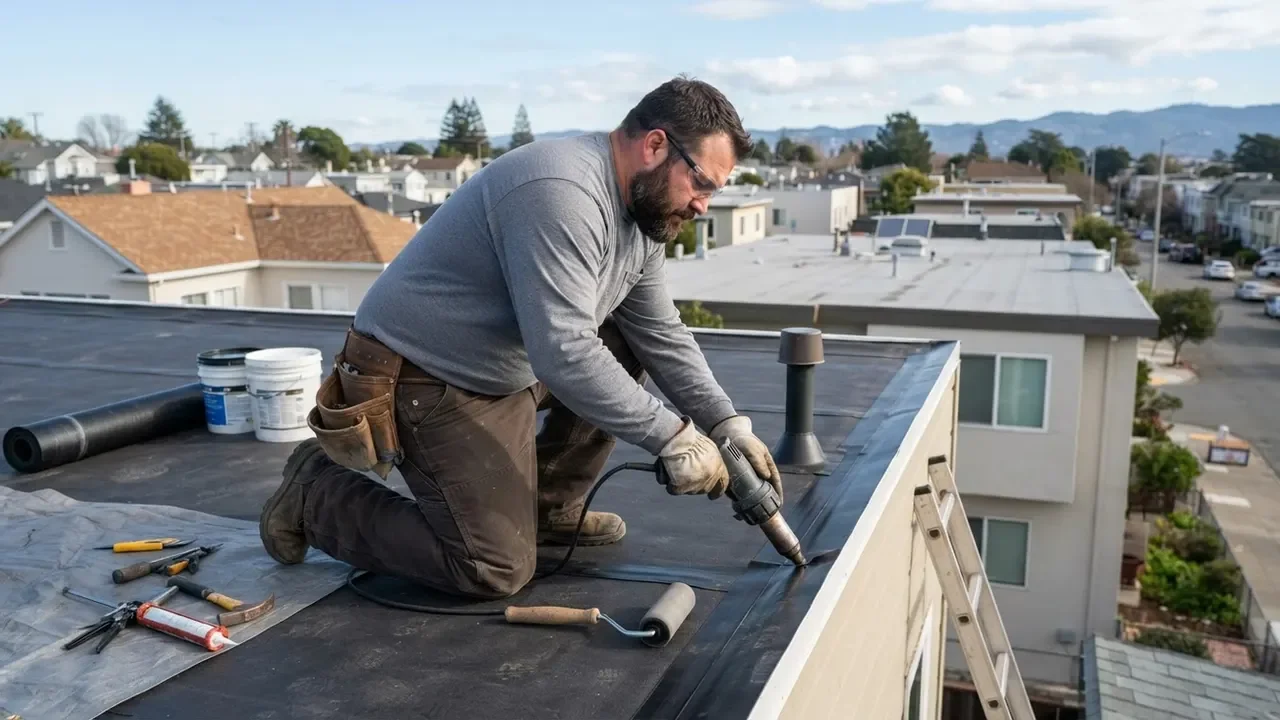
Water staining around a vent may come from failed flashing rather than poor airflow. Roof Leak Repair traces the entry point, checks the roof deck, and corrects the opening detail. We distinguish leak repair from ventilation changes so moisture symptoms receive the right fix.
View service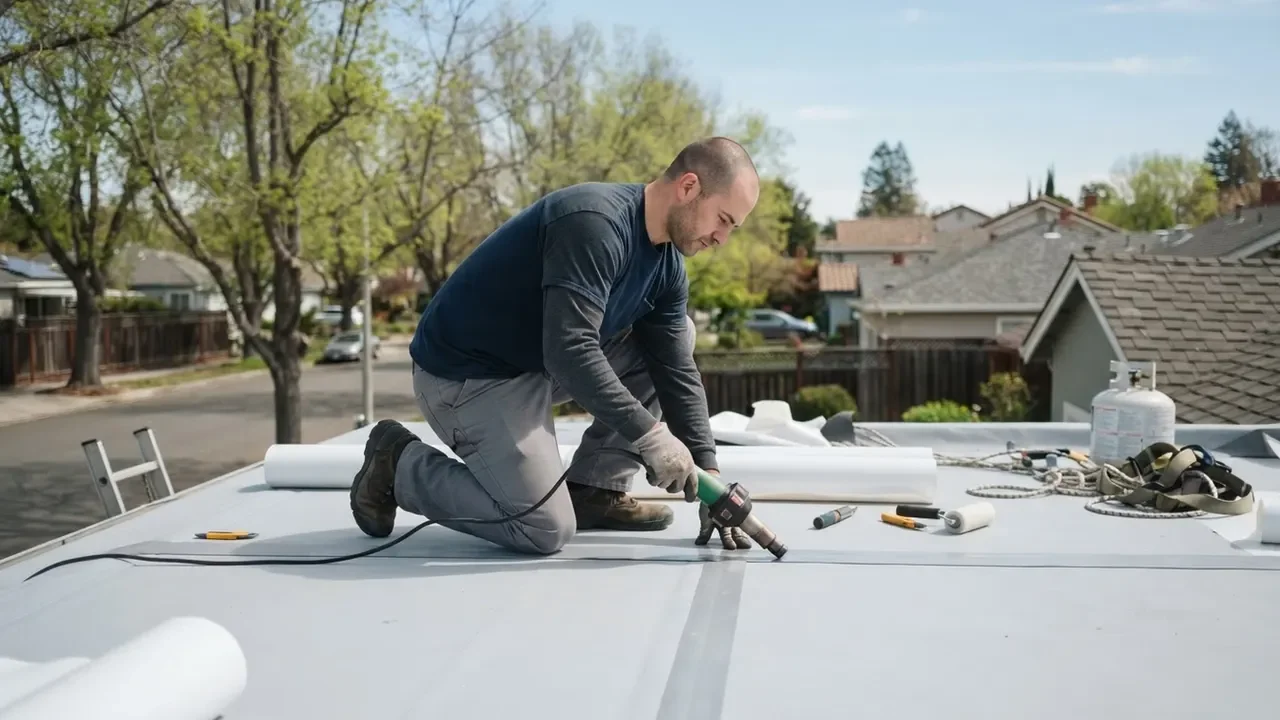
Wind or hail can loosen a vent cap and expose the roof opening to rain. Emergency Roof Repair secures the damaged area and restores weather protection, then we inspect the vent and surrounding shingles. That keeps an urgent leak from becoming hidden attic damage.
View service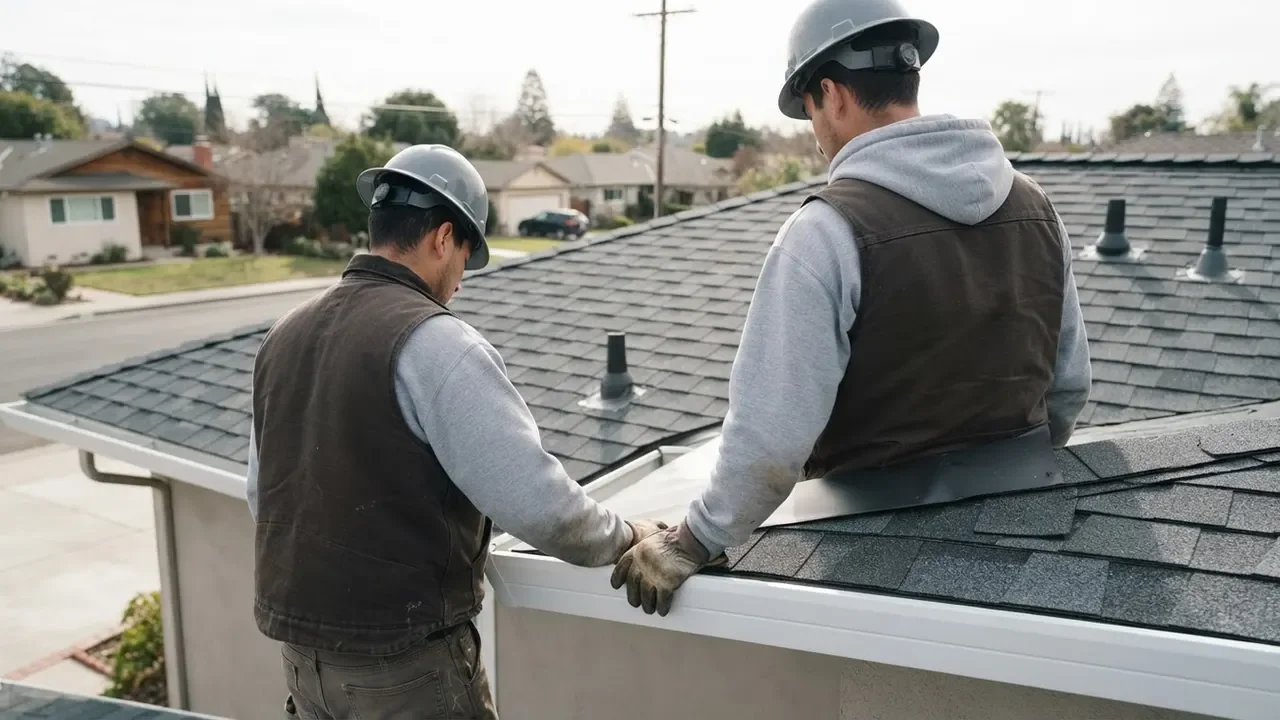
Call (877) 791-3217 to discuss a roof leak, storm damage, inspection, or replacement in Bay City. We connect you with independent roofing companies and help you get the conversation started. Calls are accepted around the clock for urgent roofing needs; tell us whether water is actively entering and where you see the damage.