Focused Arrival Windows
Useful updates and clear arrival timing.

Roof waterproofing in Bay City, Texas helps protect homes and commercial buildings from leaks at seams, flashing, and exposed roof surfaces. We inspect the source, repair failed details, and apply compatible waterproofing materials for the roof type. If you have staining, ponding water, or a recurring drip, our team can assess the damage and explain the repair that will keep your property drier through changing weather.
Useful updates and clear arrival timing.
Review the approach and price before deciding.
Equipped vehicles and respectful cleanup.
Neighbors serving neighbors with follow-through.
Your service begins with leak tracing and an inspection of the affected roof area, then includes the surface preparation and compatible repair needed for that defect. We identify adjacent damage and explain any additional repair before proceeding. Waterproofing is not a blanket coating over every roof; the roof condition, material, and drainage determine the right treatment and whether a separate repair is necessary.
We inspect the reported leak area and nearby roof details, including penetrations, flashing, seams, and drainage. Our team compares exterior conditions with interior signs so water tracking does not lead to a guesswork repair. You learn which defect is allowing water in and what repair addresses it.
We remove loose material, dirt, and failed sealant from the repair zone, then prepare the surface for the selected product. A clean, appropriately dry substrate supports adhesion and helps the repair perform as intended. Any saturated or deteriorated material is identified rather than hidden under a new layer.
We apply a roof-system-compatible seal, patch, or coating to the affected detail. The product and method depend on whether the surface is shingle, metal, or membrane roofing. We follow application and cure instructions, with special attention to seams, flashing edges, and roof penetrations.
We check that the repaired area sheds water toward the roof drainage path and that nearby gutters or drains are not obstructed. After finishing, we remove loose job debris and review the completed area with you. We also explain cure time and when to recheck the repair.
Share what is happening and receive a clear next step from the local team.
Roof waterproofing in Bay City, Texas is a roof-protection service that seals vulnerable joints and surfaces to reduce water entry and address leak-prone areas. We start by tracing moisture rather than coating over symptoms, then check roof condition, drainage, penetrations, and flashing. Depending on the assembly, work may involve replacing damaged material, reinforcing seams, applying a compatible roof sealant, or installing a coating system. The right repair follows the roof manufacturer's requirements and the condition of the substrate; a coating is not a substitute for replacing saturated or failed roofing.
Bay City properties face hard rain, wind-driven moisture, hot roof surfaces, and debris that can obstruct drainage. These conditions expose weak roof valleys, chimney flashing, skylight edges, and flat-roof seams. We provide a Bay City, Texas roof waterproofing service that begins with a moisture check and clear repair plan. If you are searching for roof waterproofing near me in Bay City, Texas, tell us where the leak appears and whether it worsens after heavy rain; that helps direct the inspection.
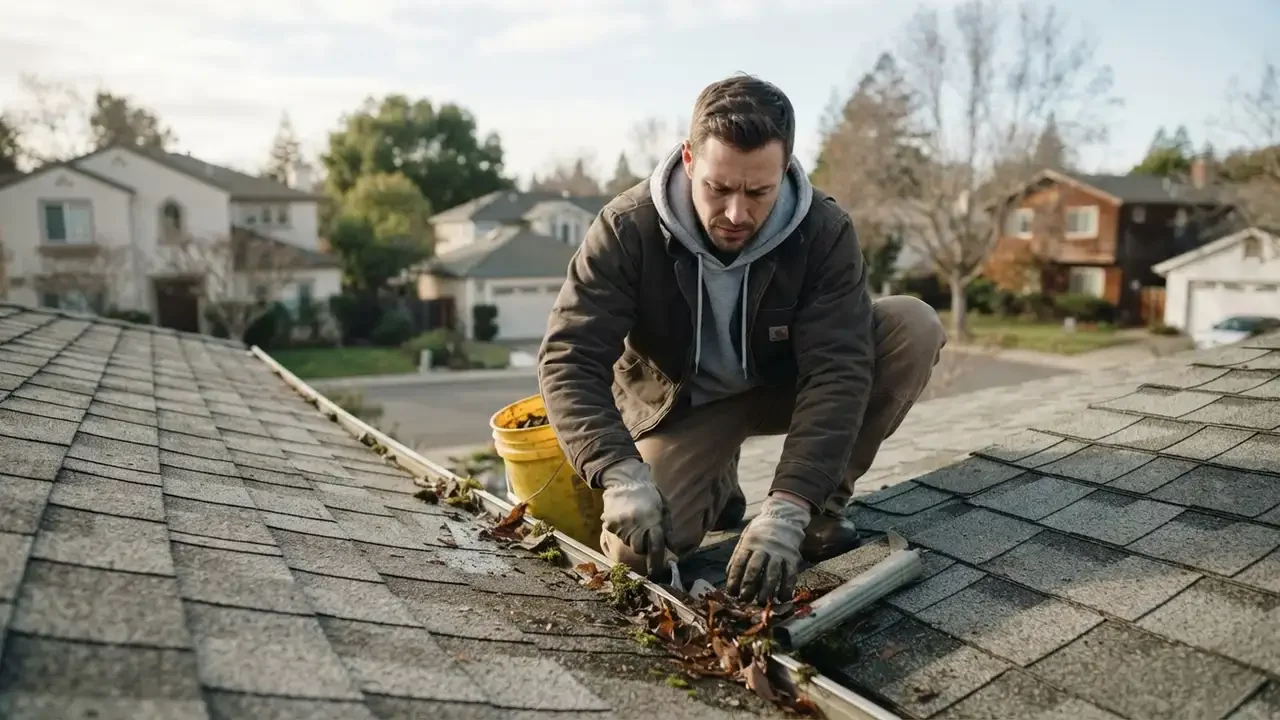
We ask where you first saw water, then inspect the roof surface, penetrations, valleys, and drainage points. A moisture meter helps check suspicious areas from accessible locations, while a visual review looks for open seams, loose flashing, and damaged shingles. An initial inspection often takes 30 to 90 minutes, depending on roof size and access.
Water can travel along decking before it appears indoors, so we compare interior staining with exterior roof details. We check around skylights, chimney flashing, vents, and roof transitions, then separate active defects from unrelated wear. You receive a clear explanation of the likely entry point and whether wet or deteriorated material needs removal.
Our crew removes loose sealant, dirt, and failed coating from the repair area, then dries and prepares the substrate according to the product requirements. A leaf blower clears loose debris where appropriate, and hand tools expose edges without damaging sound roofing. Clean, dry preparation matters; coatings applied to contaminated or wet surfaces can lose adhesion.
We install the repair matched to your roof: a reinforced seam, replacement flashing, compatible membrane patch, or roof coating where the system allows it. A caulking gun places sealant into prepared joints rather than across the entire roof. Most localized waterproofing work takes a half day or less, while larger areas need more time.
After materials cure as directed, we check the repaired details and confirm the water path is clear. We remove job debris, show you the completed work, and explain cure time and maintenance intervals. You leave with the repair location identified and practical guidance for checking the roof after the next heavy rain.
We use a moisture meter to check suspicious building materials for dampness and help determine whether water has spread beyond the visible stain.
An infrared thermal camera helps locate temperature patterns that can point to trapped moisture; we confirm findings with a close inspection before choosing a repair.
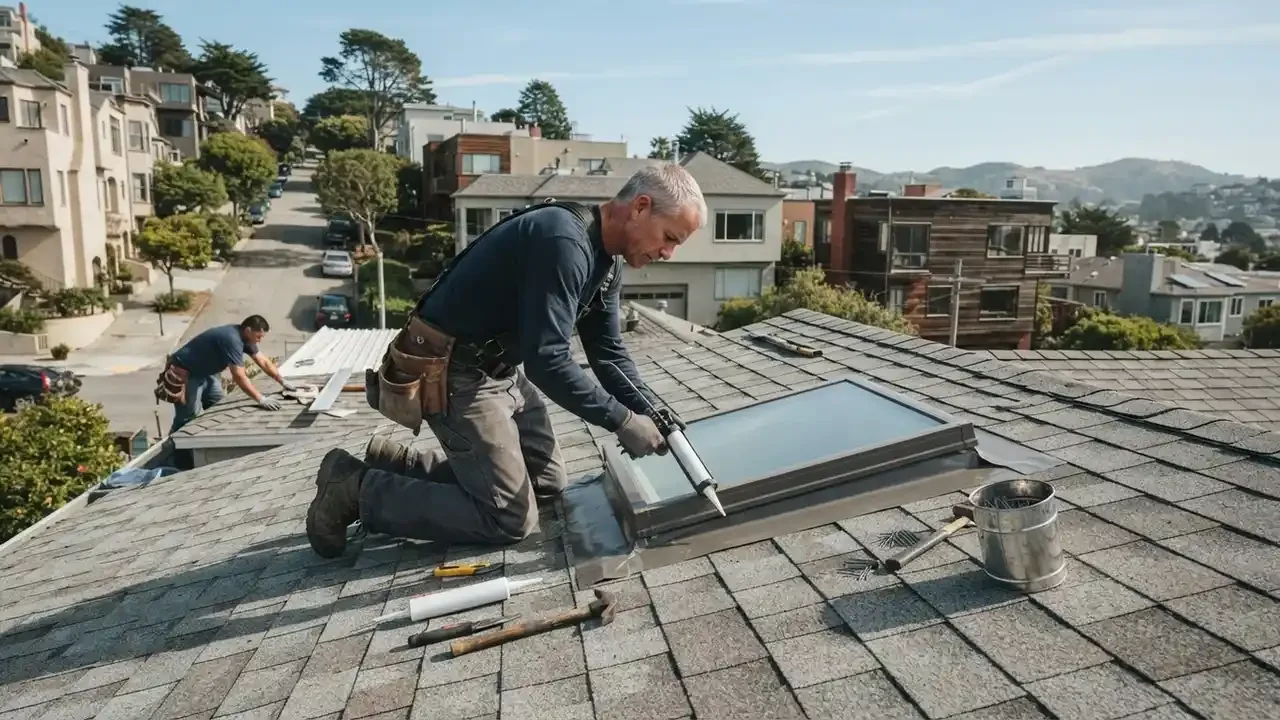
A caulking gun places compatible roof sealant into prepared joints and flashing details, keeping the repair material where it can bond and protect.
We use a safety harness with appropriate roof access procedures to help protect crew members while inspecting slopes, edges, and elevated repair areas.
A roofing hammer helps secure or remove roofing fasteners during localized repairs, allowing us to restore shingle and flashing details without unnecessary disturbance.
We compare the interior water mark with the exterior roof layout, then inspect likely paths such as valleys, penetrations, and flashing. Water can travel before it becomes visible indoors, so we verify the suspected entry point rather than patching directly above the stain.
We remove loose, contaminated, or failed material and prepare a sound, dry surface for the selected sealant or membrane repair. Product instructions control cleaning, primer, coverage, and cure time. This step helps prevent premature separation and keeps the repair compatible with the existing roof.
We choose a sealing or patching method according to the roof assembly, including shingle transitions, metal panels, or membrane seams. Each repair must shed water with the existing layers and allow for expected movement. We do not assume one coating belongs on every roofing material.
We check roof drains, gutters, and downspouts near the repair so water can leave the surface without backing up against seams or edges. Clearing a blockage or identifying a low spot can be as important as sealing. We explain any drainage correction needed to protect the completed work.
We inspect the roof above the stain and check flashing, valleys, and penetrations that face the weather. Once we find the entry point, we repair the failed detail and explain whether the surrounding roofing is sound. If the area is actively wet, we prioritize safe protection before permanent sealing. You get a targeted repair plan, a corrected leak path, and clear guidance on checking the ceiling after the next rainfall.
We inspect drains and membrane laps, measure the affected area, and check for soft or saturated material. Our team clears obstructions and repairs the seam with a product compatible with the roof assembly. If slope or insulation issues are contributing, we identify those conditions before recommending a coating. The repair addresses both the open seam and water flow, reducing the chance that ponding continues to stress the same spot.
We remove loose sealant and inspect the skylight flashing and adjacent shingles for movement or damage. We replace failed components where needed, then reseal the transition with compatible materials. You receive the product cure guidance and know when the roof is ready for ordinary weather exposure. The skylight perimeter sheds water more reliably, and you have a clear maintenance point to check during seasonal roof inspections.
We examine the penetration boot, surrounding shingles, and roof underlayment rather than repeating an exterior patch. After correcting damaged material, we seal the detail and inspect nearby drainage. We also show you whether the repair is localized or whether aging roof components require a broader plan. You get a repair based on the actual failure, with fewer repeat patches and a documented area to monitor after storms.
Roof waterproofing in Bay City, Texas must account for heat, intense rain, wind, and the roof's ability to drain. We inspect the property rather than assuming one repair fits every building: a shingle roof needs different attention from a low-slope membrane. In the Waterfront District and Harbor District, wind-driven rain can press against flashing and exposed edges; across older properties, previous patches may conceal a failed joint. We check those transitions before applying material. For a Bay City, Texas roof waterproofing service, the surface must meet product requirements for temperature, dryness, and preparation. Many systems require a dry substrate and application within a product-specific temperature window, often roughly 50 to 90 degrees Fahrenheit; the label controls. We avoid sealing over active moisture or compromised decking. If you are considering roof waterproofing in Downtown Bay City TX, we can inspect the roof, identify the water path, and confirm whether sealing, drainage work, or component replacement is the right step. We also review gutters and downspouts, because roof protection depends on water moving off the building.
Mixed roof ages and close-set buildings make careful leak tracing important; we inspect flashing and shared runoff paths before sealing a suspected entry point.
Wind-driven rain can test roof edges and penetrations, so we pay close attention to exposed flashing, skylight transitions, and membrane seams.
Low-slope commercial roofs need clear drains and sound laps; we check ponding and seam condition together before recommending a waterproofing repair.
For residential roofs, we inspect shingle transitions, roof valleys, and gutters to make sure repaired areas shed water away from the home.
Heat and weather cycling stress exposed sealants and roof joints. We check for brittle material, open laps, and movement before selecting a repair, and apply products only within their stated conditions.
Rain can push against flashing, skylights, and vents rather than flowing straight down the slope. We inspect the uphill side and layered transitions so water is directed back onto the roof surface.
Blocked drainage raises water levels at roof edges and low points, putting additional pressure on seams. We clear the relevant path and identify any damage caused by overflow before completing the waterproofing work.
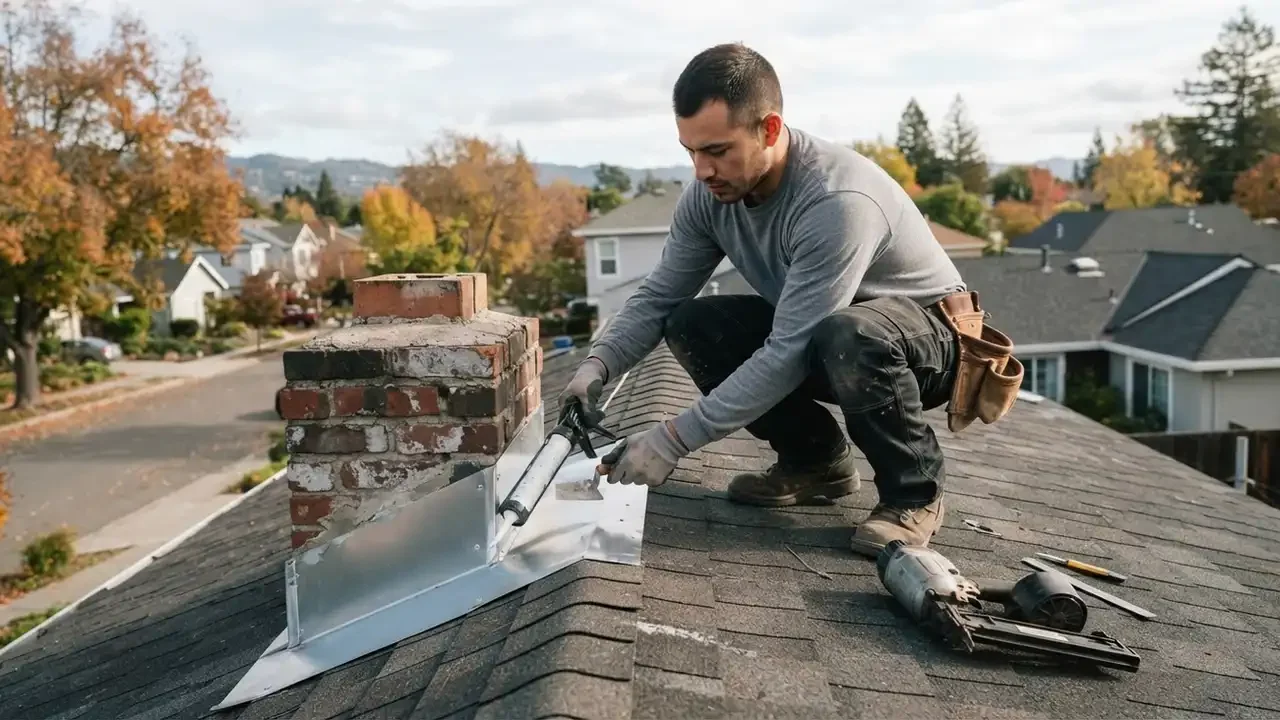
A homeowner had a ceiling stain near the chimney that returned after each heavy storm. Earlier surface caulk had cracked, and water was slipping behind the flashing. The visible stain was several feet from the likely entry point, making an interior-only patch ineffective.
We removed failed sealant, repaired the damaged flashing detail, and restored the water-shedding layers around the chimney. The repair took about four hours, excluding any material cure period. The homeowner had a clear repair location and instructions for checking the ceiling after the next rainfall.
Maintenance: Check chimney flashing in spring and fall, and after severe wind or rain. Keep nearby gutters clear, and call if a new stain appears; fresh moisture can point to a separate roof detail.
A small commercial roof had water ponding near an open seam, with a drip appearing in a storage room. Debris partly blocked the drain, and the existing coating had lifted at the lap. Applying another coat without preparation would have trapped the defect.
We cleared the drain, removed loose coating, and repaired the seam with a compatible membrane method. The localized work took roughly half a day, followed by the specified cure period. Water could flow toward the drain again, and the interior drip stopped after the repair.
Maintenance: Inspect the drain monthly during leaf-heavy periods and after major storms. Check the seam twice a year for lifting or cracking, and arrange a repair before ponding lasts beyond 48 hours.
Rain left a damp mark below a skylight even though the glazing looked intact. The exterior sealant had separated at one corner, and nearby flashing had shifted. Water tracked along the roof deck before reaching the ceiling trim.
We reset the failing flashing detail, removed loose sealant, and sealed the prepared transition with compatible material. The repair took about three hours, with curing time set by the product instructions. The next rainfall produced no new ceiling mark, and the homeowner could see exactly what had been corrected.
Maintenance: Review skylight edges twice a year and after severe weather. Keep the nearby roof and gutters free of debris, and report any new interior staining before it spreads into trim or insulation.
A roof leak rarely stays confined to the spot where you first see a stain. Water can travel through roof layers, framing, and insulation before reaching a ceiling. We trace the path, repair the failed detail, and tell you when the damage calls for more than sealing.
Moisture can damage nearby decking and interior finishes, while repeated wetting weakens the roof-to-chimney transition and spreads staining. We inspect the chimney flashing and surrounding shingles, then remove failed sealant or damaged flashing as required. We rebuild the transition so each layer sheds water correctly and apply compatible sealant at the detail. If water has damaged the roof deck, we show you the affected area and address that before closing the assembly.
Standing water places prolonged stress on seams and drains, increasing the chance of membrane separation and leaks into the space below. We check drain function, membrane condition, and the extent of ponding before choosing a treatment. Our team repairs the open seam with a compatible membrane method and clears blocked drainage. Where the roof has a low spot or saturated layers, we explain the needed correction instead of relying on coating alone.
A failed skylight connection can let water reach insulation and interior trim, even when the glass and frame look intact from indoors. We inspect the skylight perimeter, step flashing, and uphill water path, then identify whether the problem is sealant, flashing, or surrounding roofing. We repair the failing connection and protect the transition with compatible materials. Afterward, we review cure time and advise when to check for fresh staining.
Valleys carry concentrated runoff, so a small opening can send water beneath shingles and across the roof deck during heavy rainfall. We clear debris and inspect the valley lining, shingle edges, and nearby underlayment for damage. Our crew replaces compromised components where needed, then restores the water-shedding layers and seals compatible details. This corrects the path of entry instead of spreading sealant over the visible symptom.
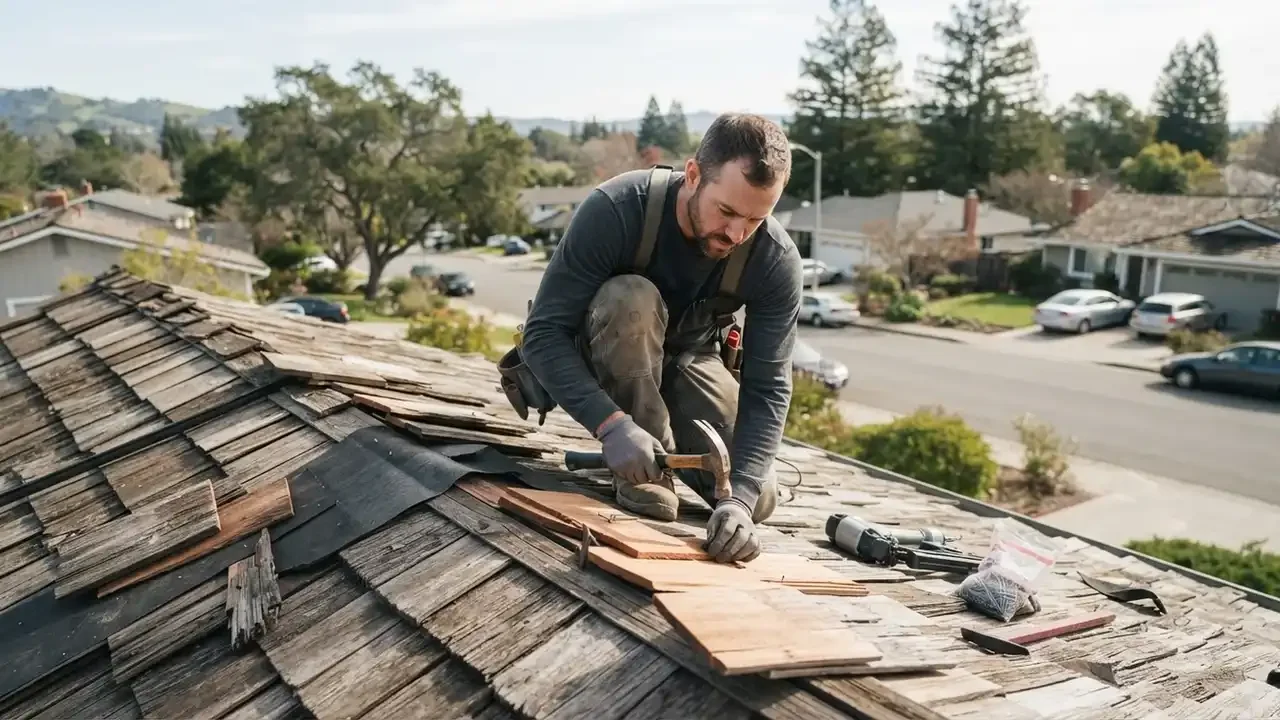
Waterproofing succeeds when the repair suits the roof assembly, so we assess shingles, metal transitions, and low-slope membranes differently. Our team checks product compatibility, drainage, and the condition beneath the visible leak before recommending a repair. We use established roofing practices and manufacturer instructions rather than applying one coating to every roof. That approach helps you avoid sealing over trapped moisture or covering a defect that needs replacement first.
A stain kept returning near our hallway after heavy rain. The crew checked the roof valley and found a damaged flashing detail rather than just coating the shingles. They explained the repair, sealed the area, and showed me what to watch after the next storm. The ceiling stayed dry through the following rain, and the work area was left clean.
Our low-slope roof had water sitting near a seam, and a drip appeared inside the storage room. The team cleared the area, repaired the membrane detail, and checked the drain path before applying the compatible treatment. They explained the cure time and maintenance checks clearly. We now know where the repair is and what to inspect.
Water was showing around the skylight after wind-driven rain, but the glass itself was fine. Bay City Roofing found the issue at the surrounding flashing and repaired that transition. They showed me the before-and-after area and explained why a simple bead of caulk would not have held. The next rainfall passed without another ceiling mark.
Localized roof waterproofing in Bay City usually costs $250 to $1,200, while larger coating or membrane work can range from $1,500 to $6,000 or more. Typical 2026 pricing depends on roof access, surface area, material, and whether damaged decking or flashing needs repair. We inspect the leak path and give upfront pricing for the recommended work. A small seam repair costs less than treating a broad low-slope roof.
A localized seal may last 2 to 5 years, while a compatible roof coating system often lasts 5 to 10 years with proper preparation and maintenance. Actual life depends on product, roof movement, drainage, sun exposure, and workmanship. We explain the expected service range for the material used and recommend checking seams and drains twice yearly and after severe storms.
Yes, roof waterproofing stops leaks when the source is identified, the roof is structurally sound, and the repair matches the material. It will not fix saturated insulation, widespread decay, or a drainage defect by itself. We trace the leak, remove failed material where needed, and seal or replace the affected detail. For active interior dripping, protect belongings and call before water spreads.
The best roof waterproofing in Bay City TX is a compatible repair system chosen for your roof, not one universal coating. Shingles, metal panels, TPO, and EPDM need different preparation and products. We check the existing assembly, moisture, and drainage, then recommend a repair suited to those conditions. A product's manufacturer instructions and cure requirements guide application.
Not seeing your question? Our local team can help you understand urgency, scheduling and what to expect.
Ask the local team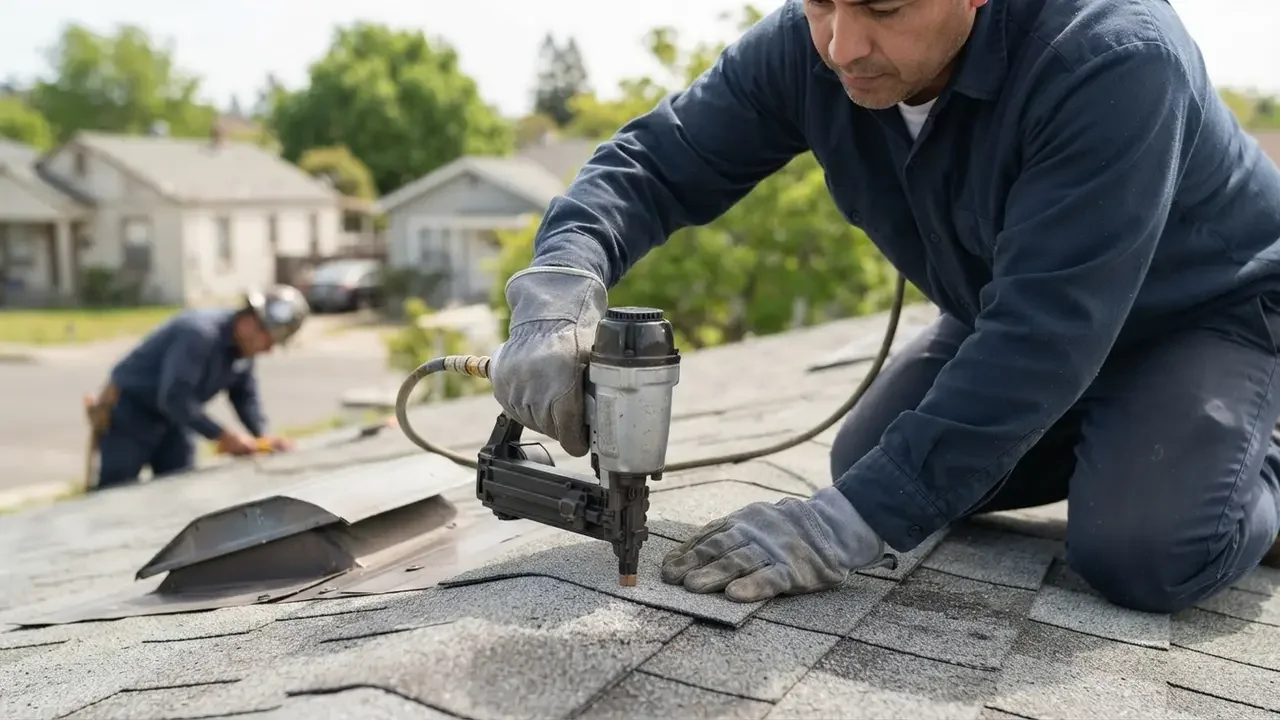
Roof repair addresses damaged roofing that waterproofing alone cannot correct. We replace failed shingles, secure loose components, and repair the underlying defect before sealing nearby details. If you see granule loss, curling shingles, or a fresh ceiling stain in Bay City, a focused repair can restore the roof surface and protect the waterproofing work.
View service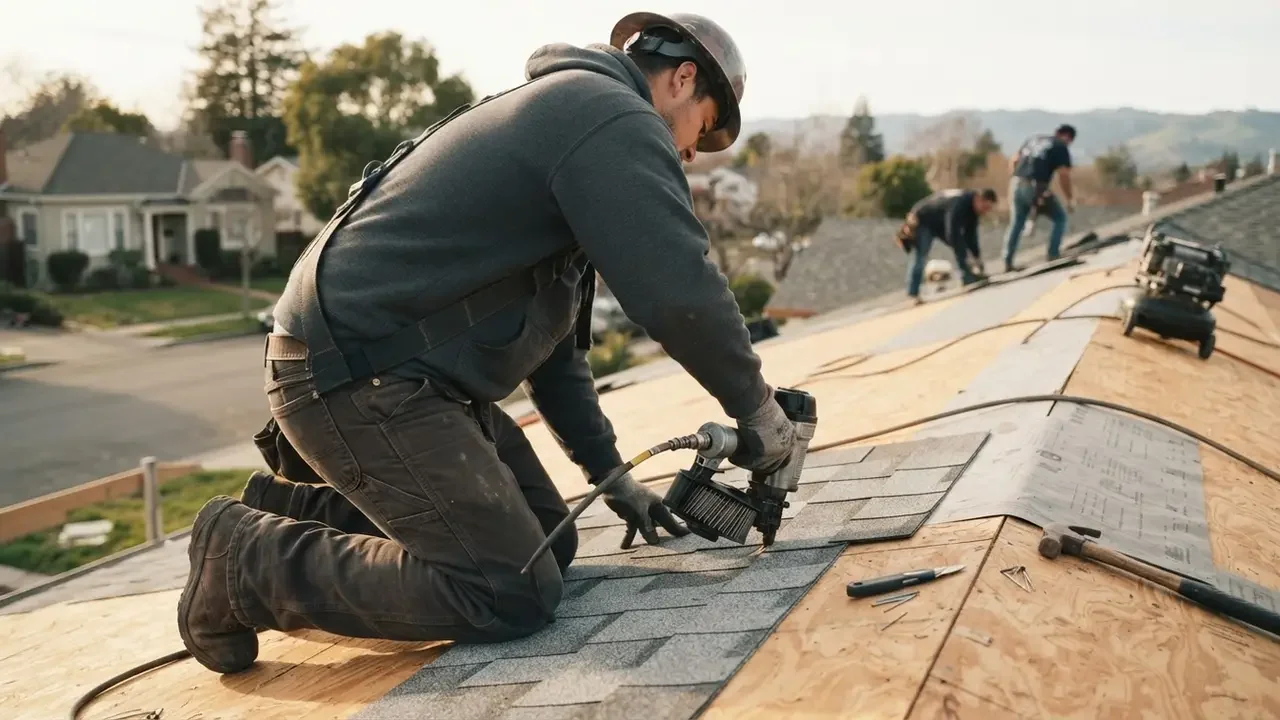
A roof with widespread deterioration may need replacement rather than repeated sealing. We assess the roof covering, underlayment, and decking to help determine whether a new system is more practical. A replacement gives Bay City property owners the opportunity to install new flashing and water-control details throughout, rather than patching multiple aging sections.
View service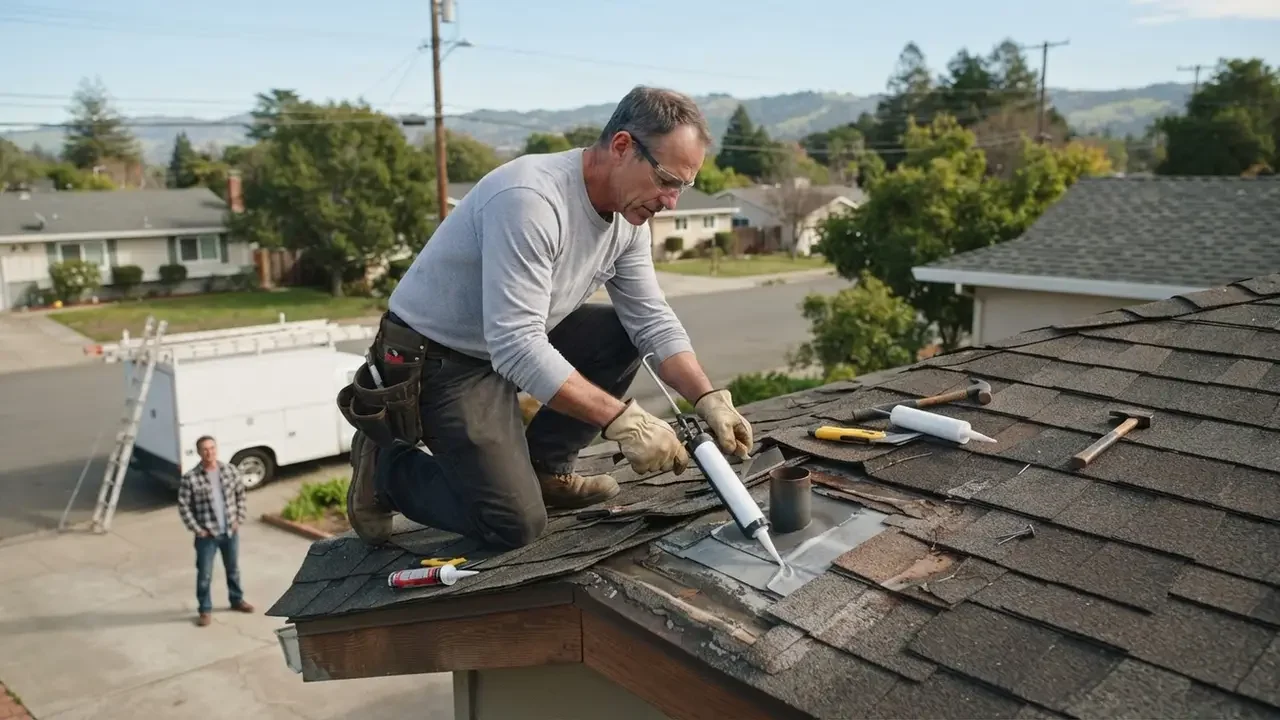
Roof leak repair locates and fixes the entry point causing interior water marks or active drips. We inspect flashing, valleys, penetrations, and roof edges, then repair the defective component. Waterproofing supports that repair by protecting vulnerable seams, but the leak source must be corrected first for a durable result.
View service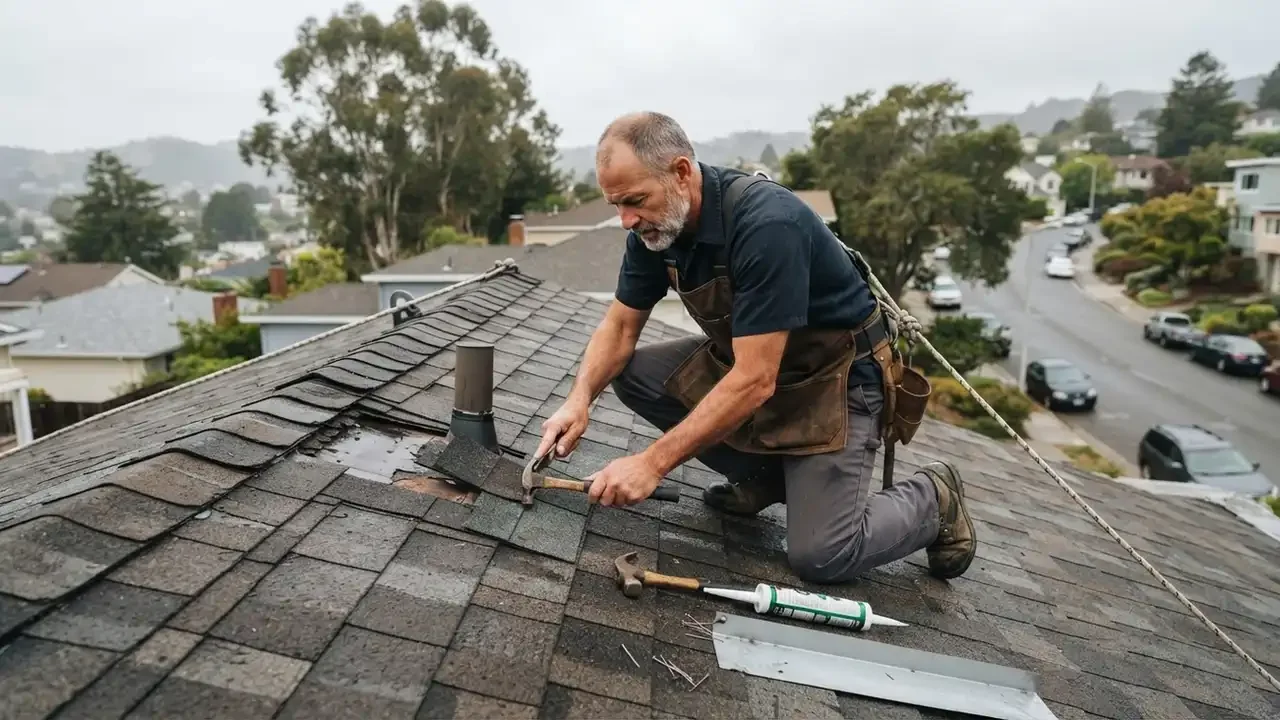
When storm damage leaves an opening or water is entering your home, emergency roof repair prioritizes temporary protection and safe access. We assess exposed areas, secure a suitable temporary cover when conditions allow, and plan permanent repairs. Waterproofing follows after the roof is stable and the substrate is ready for sealing.
View service
Call (877) 791-3217 to discuss a roof leak, storm damage, inspection, or replacement in Bay City. We connect you with independent roofing companies and help you get the conversation started. Calls are accepted around the clock for urgent roofing needs; tell us whether water is actively entering and where you see the damage.