Focused Arrival Windows
Useful updates and clear arrival timing.
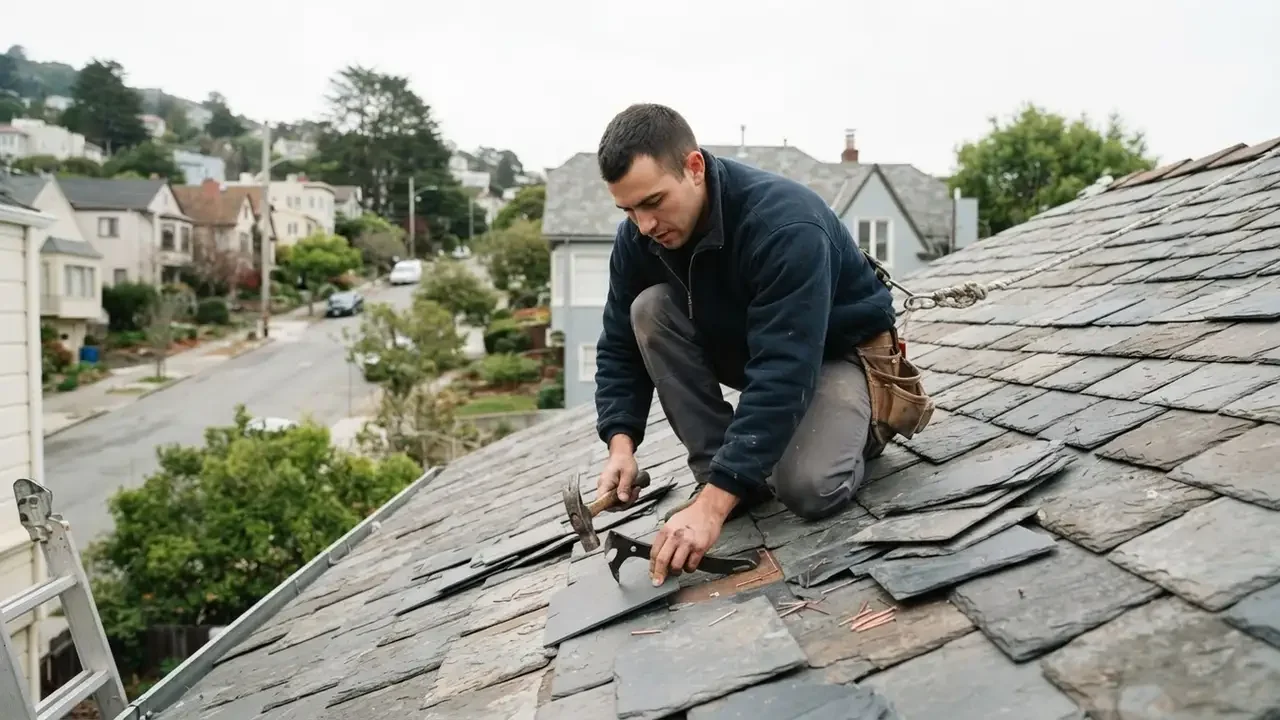
Skylight repair in Bay City, Texas helps homeowners and property managers stop leaks, drafts, and condensation before water damages ceilings or insulation. We inspect the skylight, roof flashing, seals, and nearby shingles, then explain the repair and price plainly. For skylight fixing Bay City TX, we focus on the source of the problem rather than masking interior stains with surface sealant.
Useful updates and clear arrival timing.
Review the approach and price before deciding.
Equipped vehicles and respectful cleanup.
Neighbors serving neighbors with follow-through.
Our skylight repair covers roof-side diagnosis and correction of common leaks around the unit, including flashing, seals, fasteners, and nearby roofing. We inspect for water damage and explain what needs attention before starting. If the skylight glazing or frame is beyond repair, or concealed structural damage requires broader work, we discuss the next step and price before proceeding.
We examine the skylight perimeter, uphill roof area, flashing laps, nearby shingles, and interior signs of moisture. This helps distinguish a failed roof detail from condensation or a leak traveling from another part of the roof.
We reset or replace damaged flashing and renew compatible sealant at appropriate joints. The repair restores the water-shedding transition around the skylight rather than relying on a surface bead to cover an underlying gap.
Loose or damaged shingles around the opening are repaired where they affect the skylight's weather seal. We lift only what is needed to reach the problem and rebuild the roof layers so runoff continues downhill.
We check accessible roof materials for dampness and review the indoor stain or drip pattern. After the roof work, we clear debris and explain what was repaired, what may need monitoring, and whether a separate interior finish repair is needed.
Share what is happening and receive a clear next step from the local team.
Skylight repair in Bay City, Texas is roof-envelope repair that restores the weather seal around a skylight when flashing, fasteners, glazing, or surrounding roofing lets water or air inside. We trace the leak from the roof side, check the frame and curb, and look for damage beneath the shingles before choosing a repair. A loose sealant bead is not always the cause; failed roof flashing or a roof leak uphill can send water to the skylight opening. Finding the entry point first helps prevent repeat staining and unnecessary replacement.
Bay City homes face sun, wind-driven rain, humid air, and sudden heavy showers that test skylight seals and roof joints. Our team checks for lifted or missing shingles, cracked sealant, blocked drainage, and moisture in the roof deck; a moisture meter helps distinguish a damp surface from wet framing. If you searched for skylight leak repair in Downtown Bay City TX, we look beyond the visible drip and inspect the full perimeter, so the repair addresses the route water actually takes.
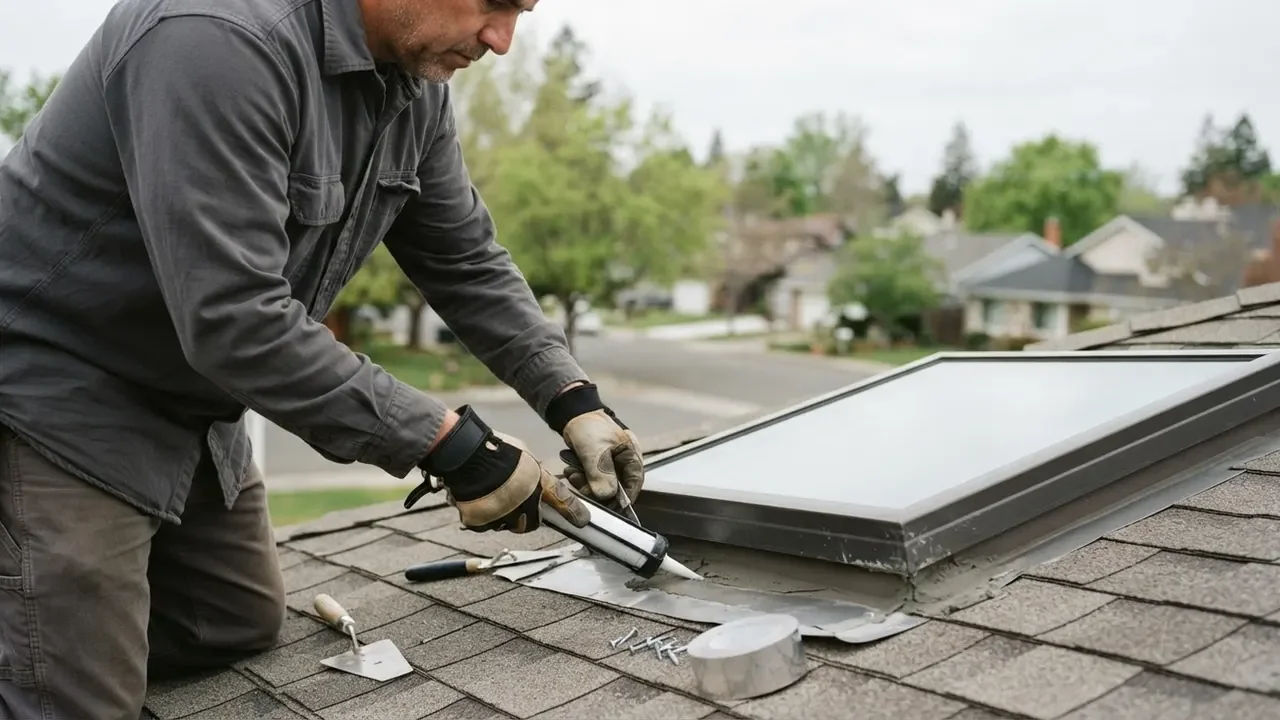
We begin with your report of when the drip appears, then inspect the skylight, roof slope, nearby penetrations, and interior staining. A moisture meter can help map damp material without opening a finished ceiling. The initial assessment usually takes 30 to 60 minutes, depending on roof access and the number of suspected entry points.
Before opening roofing, we set an extension ladder on stable ground and use a safety harness where required by the work conditions. We protect the roof surface and interior below, then remove only the shingles or trim needed to reach the failed joint. You will see the affected area before repair begins.
We replace or reset damaged roof flashing, renew compatible sealant, secure loose components, and address nearby shingle damage as needed. A shingle ripper and pry bar let us lift roofing carefully instead of tearing a wide area open. If the glazing or frame is cracked, we explain the limits of a surface repair.
We rebuild the roof assembly around the opening with sound underlayment, properly lapped flashing, and matching roofing materials where available. The repair must direct water downhill and keep fasteners out of vulnerable channels. Many straightforward repairs take two to four hours; concealed rot or a complex curb can extend the work.
We inspect the completed perimeter, clear debris, and verify that drainage paths remain open. Where conditions allow, we perform a controlled water check without forcing water beneath the flashing. Before leaving, we show you the repaired detail, explain what was changed, and point out any separate roof issue that needs attention.
We use a moisture meter to compare suspect roof sheathing and nearby dry areas. The readings help identify concealed dampness and guide whether materials need further inspection before the opening is closed.
An infrared thermal camera can help locate temperature patterns associated with moisture or air movement. We use its findings alongside a roof inspection, not as a substitute for checking flashing and roofing directly.
These tools lift shingles carefully so we can reach flashing and underlayment without removing an unnecessarily large roof area. We reset sound shingles and replace pieces that are cracked or no longer secure.
A caulking gun places compatible roof sealant accurately at joints designed to be sealed. Sealant supports a correct flashing detail; it does not replace missing flashing or repair rotten roof decking.
We use an extension ladder for roof access and a safety harness where the work conditions require fall protection. Safe access protects both the crew and your property during inspection and repair.
We start where water appears indoors and work outward across the roof assembly, checking uphill roofing, flashing overlaps, and the skylight curb. This method accounts for water that travels before dripping. We use visible evidence and moisture checks together so the repair targets the entry point rather than the stain.
We lift the necessary roofing, inspect underlayment, and rebuild the flashing transition in the correct drainage sequence. Each layer must overlap so runoff moves onto the roof surface. We avoid relying on exposed sealant as the main defense because it cannot replace sound, properly integrated flashing.
We compare the timing, location, and appearance of moisture with indoor humidity and roof-side evidence. Room-side droplets or fog between panes can point to condensation or glazing failure, while rain-linked water at a flashing joint suggests roof entry. That distinction prevents the wrong repair.
We identify the roof covering and skylight design before choosing repair materials. Shingles, metal panels, and membrane roofs require different transition details. Matching the method to the assembly helps preserve water flow and avoids creating a new weak point beside the repaired opening.

We inspect the roof opening, nearby shingles, and the uphill roof area to locate the entry point. If weather prevents a lasting repair, we focus on immediate water control and return to complete the roof work when conditions are safe. You know whether the stain came from flashing, roofing, or condensation, and the active path is addressed before more water reaches the ceiling.
We check the frame, seals, glazing, and roof transition for gaps or loose components. We distinguish an air leak from a water entry problem, then repair the failed joint or explain when a worn unit needs replacement. The opening seals more effectively, and you get a clear answer about whether the frame remains serviceable or has reached the end of its useful life.
We inspect both roof penetrations and the drainage path between them. A chimney leak can travel across the roof deck and show near the skylight, so we test the likely source before selecting materials or opening roofing. The repair targets the true leak instead of treating the nearest visible opening, reducing the chance of another stain after the next storm.
We examine the membrane, curb transition, and drainage around the opening. We identify whether an open seam or standing water is compromising the roof, then repair the compatible membrane detail and clear the route where appropriate. The skylight transition is restored as part of the roof system, with fewer conditions that allow water to sit against the curb.
Bay City's humid air, strong sun, and wind-driven rain put stress on skylight seals, flashing, and surrounding roof materials. In November and the cooler months, a storm can reveal a loose uphill lap; warmer, humid periods can make indoor condensation look like a roof leak. We check both conditions before choosing a repair. On shingle roofs, our team examines the courses and underlayment around the curb; on low-slope roofs, we inspect membrane seams and standing water. skylight fixing Bay City TX is not a one-seal solution: the roof transition must shed water in the same direction as the rest of the roof. For older homes in Old Town Bay City and properties near the Waterfront District, roof updates may have left different materials meeting at the opening. We identify those layers and repair the actual junction. We also keep the work area controlled, protect the interior below, and clear leaves or debris that block drainage. If you are looking for same day skylight repair Bay City, Texas, call with the leak details; urgent water entry is assessed for immediate protection and a lasting repair plan.
Older roof assemblies can have layered repairs around skylights. We inspect the existing flashing and underlayment carefully before lifting shingles, so the correction works with the roof already in place.
Wind-driven rain can test the uphill side of a skylight curb. We check shingle edges, flashing laps, and the route water takes across the roof after storms.
Homes with aging skylights may have worn glazing seals alongside roof wear. We inspect the frame and roof transition together to decide whether repair or replacement is the sound choice.
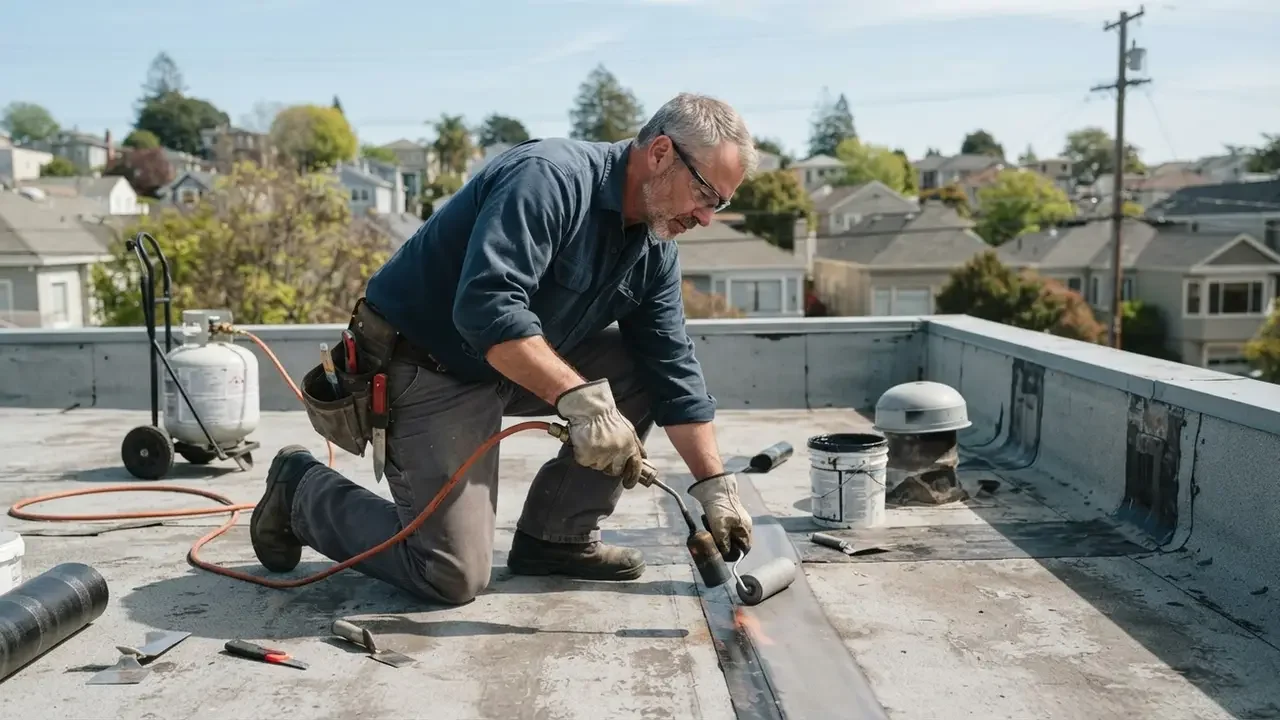
Commercial and low-slope roofs need close attention to curb transitions and drainage. We check membrane seams and water movement around skylights before selecting compatible repair materials.
Droplets can appear without rain and may be mistaken for a roof leak. We inspect the glass and frame, then compare the moisture pattern with ventilation and roof-side evidence before recommending a repair.
A weak uphill overlap can admit water even when the rest of the roof looks intact. We check the direction of the leak and rebuild the flashing detail so runoff sheds away from the curb.
Debris can hold moisture against flashing or redirect runoff toward a seam. We clear the affected path during service and inspect for staining, seal failure, or softened roofing beneath the debris.
A homeowner in Downtown Bay City saw a ceiling stain grow after each hard rain. The skylight glass looked intact, but a lifted shingle above the curb let water travel beneath the flashing. Dampness had reached a small area of roof sheathing, and the previous surface sealant had not stopped the leak.
We replaced the damaged flashing section, reset surrounding shingles, and addressed the affected sheathing. The roof-side repair took about three hours, including inspection and cleanup. A controlled water check showed runoff passing the opening without entering the curb, and the homeowner had a clear record of the repaired area.
Maintenance: Check the ceiling after the next two heavy rains and look for fresh staining. Keep debris clear of the roof around the skylight, and arrange an inspection if a new drip or lifted shingle appears.
A family in Bayview found droplets on the room-facing side of a skylight each morning. They assumed the roof was leaking because the moisture gathered near the frame. The roof-side inspection showed sound flashing, while bathroom humidity and limited airflow were contributing to condensation on the glazing.
We confirmed that the roof transition was intact and explained the difference between condensation and water entry. The family improved bathroom ventilation and monitored the glazing over the following week. No roof sealant was added, and the clear diagnosis avoided unnecessary roof work or a premature skylight replacement.
Maintenance: Use bathroom ventilation during showers and keep it running afterward to clear humid air. If fog develops between glazing panes or moisture returns after rain, have the unit and roof transition checked again.
A Bay City commercial property had water marks near a roof skylight after prolonged rain. The membrane was intact across most of the roof, but a loose curb transition and debris held water at one corner. The building manager needed the leak controlled without replacing the full roof surface.
We cleared the blocked drainage area, repaired the membrane transition with compatible materials, and checked the curb perimeter. The focused repair took most of a workday because access and cleanup required coordination. Water no longer sat against the repaired corner during the follow-up inspection.
Maintenance: Keep the roof drain path and skylight curb clear, especially after windy weather. Have the membrane seam and curb inspected during routine roof maintenance so loose edges are caught before water reaches the interior.
A skylight leak can stain a ceiling, wet insulation, or weaken roof sheathing long before the source is obvious. We inspect the roof assembly and the indoor symptoms together, then repair the failed detail. Acting while the affected area is small helps keep the job focused.
Repeated moisture can stain drywall, saturate insulation, and soften roof sheathing. Water may travel from an uphill flashing gap, so the visible drip can mislead. We trace the water path from the roof surface to the frame, checking flashing laps, shingles, and the curb. We remove damaged material only as needed, replace failed components, and restore the drainage route. A final inspection checks that the repair is not simply covering the interior symptom.
A recurring ring signals that moisture is reaching the same area again. Left unchecked, the stain can spread and conceal damp insulation or deteriorating wood above the ceiling. We inspect the roof-side perimeter and assess accessible materials for moisture before recommending a repair. Our team fixes the entry point and explains whether the ceiling finish needs separate attention after it dries. That keeps the roof correction distinct from interior painting.
Moisture trapped between panes can indicate a failed glazing seal, while room-side droplets may result from indoor humidity. Treating either as a roof leak can waste time and leave the actual problem unresolved. We inspect the glazing, frame, and roof flashing, then compare the moisture pattern with weather and indoor conditions. If the glazing seal has failed, we explain replacement options; if the roof is sound and droplets form inside, we point to the condensation cause rather than applying exterior sealant.
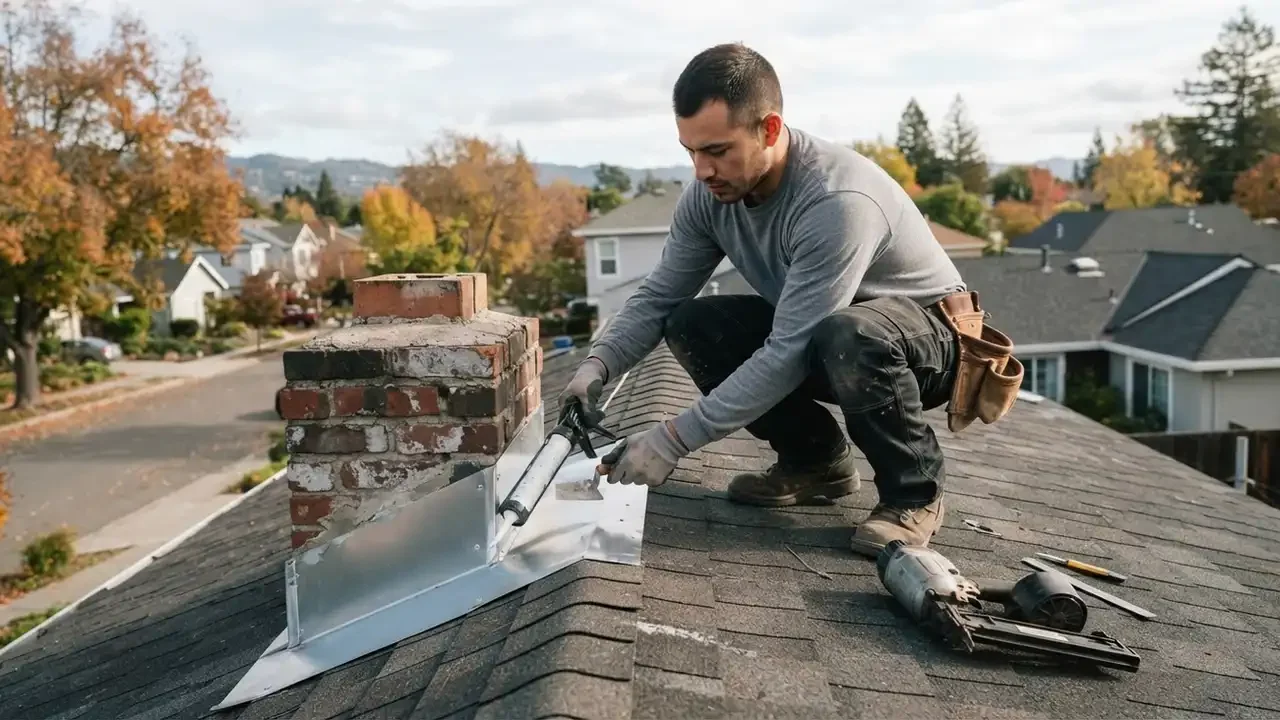
An open transition lets rain reach underlayment and roof decking. Wind can lift nearby roofing further, turning a small defect into a wider repair after another storm. We secure the affected roof layers, replace damaged flashing or shingles, and check that each course overlaps correctly. For a skylight flashing repair Bay City TX homeowners need, the goal is a continuous path that sheds water away from the curb, not a patch that traps it.
Skylight work succeeds when the repair respects the whole roof assembly, not just the visible frame. Our roofing team evaluates shingles, underlayment, curb construction, flashing laps, and interior moisture together. We use manufacturer installation guidance where it applies, including details for Velux units, and select compatible materials rather than combining products that do not belong together. Bay City Roofing, TX brings local experience to residential and commercial roof repairs, with a careful inspection and a practical explanation of the work. We do not claim a credential that is not applicable to the specific job.
Water showed up beside our skylight every time rain came from the waterfront. The crew checked the shingles above it, found a flashing gap, and repaired that instead of smearing sealant around the inside frame. They showed me the repaired area and cleaned the loose roofing granules before leaving. The ceiling stayed dry through the next storm.
I thought the skylight was leaking, but the drops were condensation from a steamy bathroom. They checked the roof and glazing, then explained the difference without pushing a replacement. We adjusted the room ventilation and cleaned the glass; the moisture stopped returning each morning. The inspection was clear and useful.
A tenant reported a ceiling stain after a windy rain. The crew found a lifted shingle and damaged flashing at the skylight curb, replaced the affected pieces, and checked the roof deck for moisture. The repair took part of the morning, and we received a straightforward explanation of what failed and what to watch.
Most skylight repairs cost about $250 to $1,200 in 2026, depending on the failed part and roof access. A reseal or small flashing correction sits near the lower end; replacing damaged flashing, shingles, or wet decking raises the price. We inspect the roof and skylight before giving you an upfront price. If the glazing or frame has failed, we compare repair with replacement so you can choose based on condition, not guesswork.
A skylight in Bay City TX most often leaks because flashing, sealant, shingles, or the roof deck around it has failed. Wind-driven rain can enter uphill and travel before appearing at the frame, while indoor condensation can look like a roof leak. We inspect the roof-side perimeter, nearby shingles, and interior moisture pattern to separate those causes. A ceiling stain alone does not identify the entry point, so tracing the water path matters.
Yes, a skylight in Bay City, Texas can often be repaired when the frame and glazing remain sound and the failure is limited to flashing, sealant, fasteners, or nearby roofing. We check for cracked glazing, warped frames, and soft roof decking before recommending a repair. A focused roof skylight repair Bay City, Texas homeowners need can take two to four hours when access is straightforward; extensive hidden damage changes the scope.
Reduce indoor humidity and improve ventilation first; condensation is not fixed by adding roof sealant. In Bay City TX, warm humid indoor air can meet a cooler skylight surface and form droplets, especially in kitchens and bathrooms. We check for a roof leak as well, then inspect glazing, seals, and airflow around the room. Persistent moisture, fog between panes, or stained framing calls for an inspection to distinguish condensation from a failed unit.
Not seeing your question? Our local team can help you understand urgency, scheduling and what to expect.
Ask the local team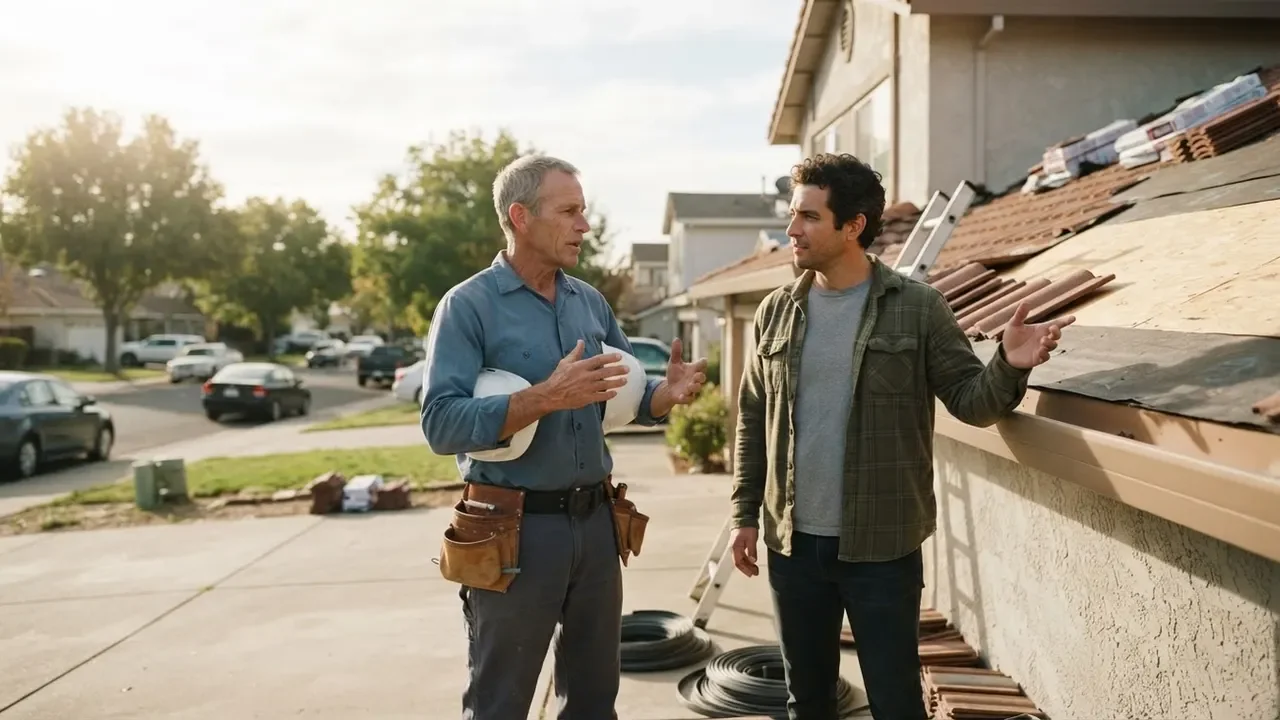
A skylight leak can be part of a wider roof failure. Our roof repair service checks the shingles, underlayment, and nearby penetrations around your Bay City home, so the skylight work connects with any damaged roofing instead of leaving another entry point untreated.
View service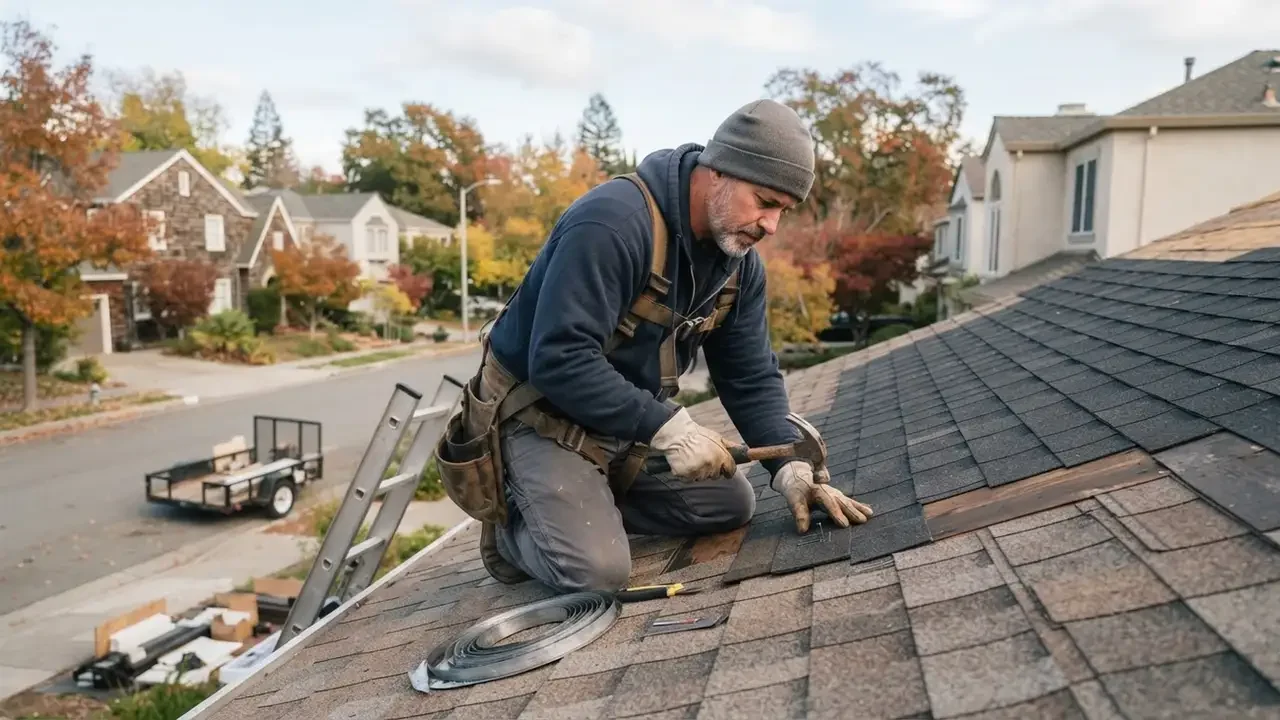
When aging shingles or widespread roof damage surround a skylight, replacement may be more durable than repeated patching. We coordinate the skylight curb and flashing with the new roof layers, protecting the opening as your Bay City property receives a complete roofing system.
View service
Water appearing near a skylight may enter higher on the roof. Roof leak repair traces the path through shingles, valleys, and flashing, then addresses the actual opening. This service is useful when staining spreads beyond the skylight or appears after wind-driven rain.
View serviceA broken skylight or active leak during a storm needs immediate water control. Emergency roof repair focuses first on safe temporary protection, then on a lasting correction when conditions permit. We help limit water reaching ceilings, insulation, and furnishings in Bay City.
View service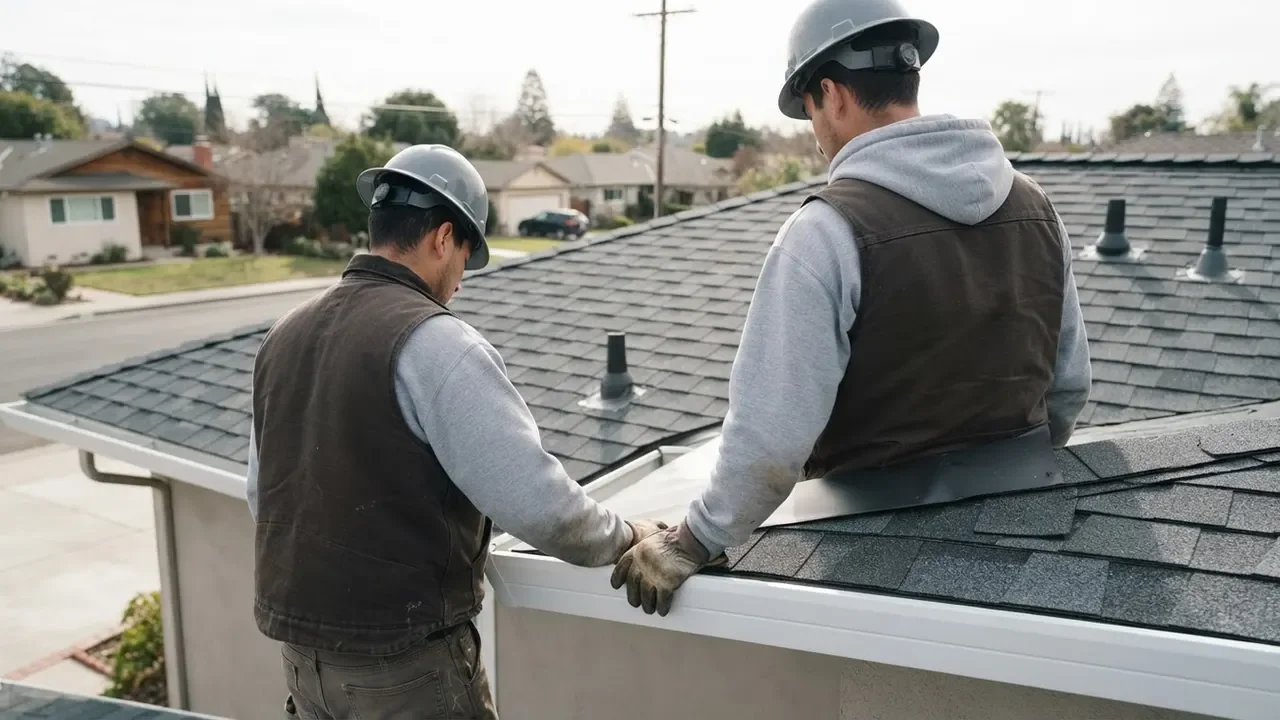
Call (877) 791-3217 to discuss a roof leak, storm damage, inspection, or replacement in Bay City. We connect you with independent roofing companies and help you get the conversation started. Calls are accepted around the clock for urgent roofing needs; tell us whether water is actively entering and where you see the damage.