Focused Arrival Windows
Useful updates and clear arrival timing.
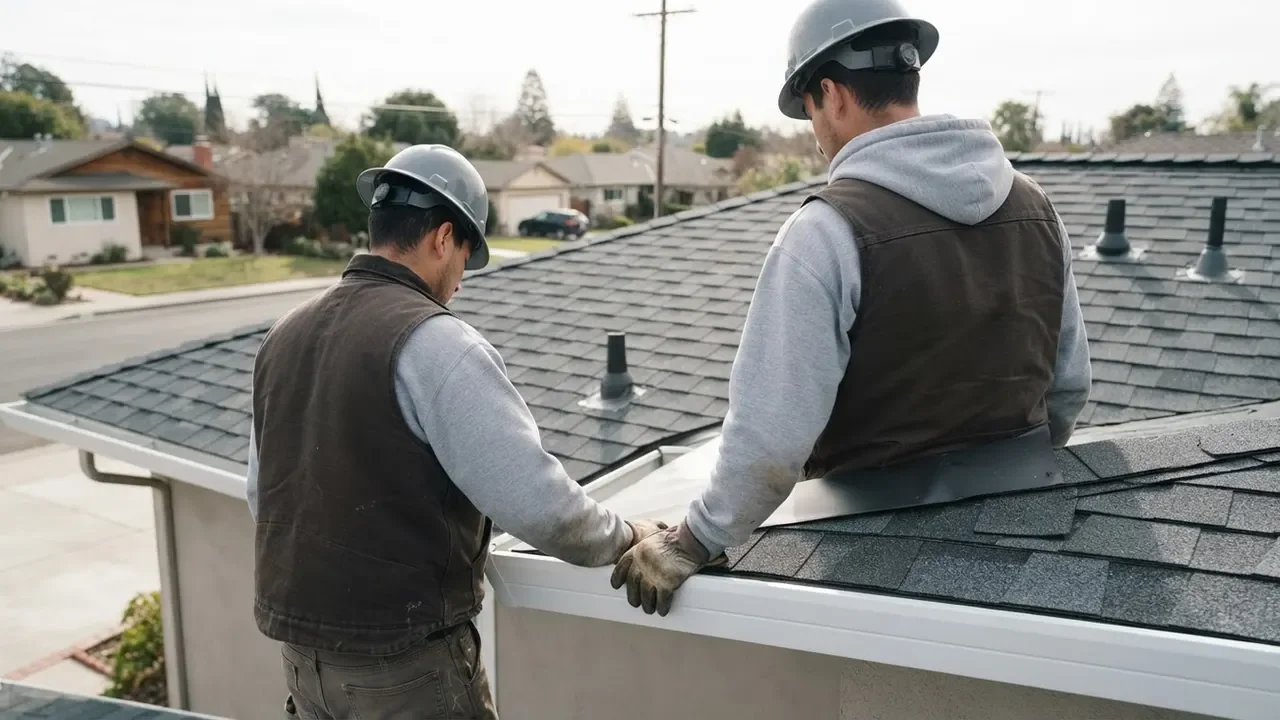
Slate roof repair in Bay City, Texas helps homeowners and property managers stop leaks, replace broken tiles, and protect sound slate without unnecessary roof replacement. Our team traces water entry to its source, checks the surrounding courses and flashing, then makes repairs suited to the existing roof. If you have a ceiling stain, loose slate, or storm damage, prompt attention can limit moisture damage to the roof deck and interior.
Useful updates and clear arrival timing.
Review the approach and price before deciding.
Equipped vehicles and respectful cleanup.
Neighbors serving neighbors with follow-through.
Slate repair covers locating the leak, assessing affected tiles and adjoining details, and restoring the damaged area with compatible materials. We check fasteners, flashing, and the visible supporting layers at the opening. If inspection uncovers broader decking damage or a separate roof system issue, we explain the additional work and price before proceeding, so you know exactly what the planned repair addresses.
We compare interior staining with the roof surface, attic evidence, valleys, and penetrations to find where water enters. The inspection focuses on the actual route, since water can travel along decking before appearing indoors. We explain our findings in plain language before recommending tile or flashing work.
We remove broken or missing slate with controlled lifting, inspect the opening, and fit a replacement suited to the existing roof dimensions. Fastening and exposure matter: a tile that sits incorrectly can interrupt water flow. We check adjacent pieces before closing the repair area.
A slate that has moved can expose fasteners or leave a gap between courses. We check why it shifted, reset or replace it as needed, and secure the repair without forcing neighboring pieces. This restores coverage while reducing the chance of another tile moving.
We inspect roof flashing around chimneys, valleys, edges, and penetrations where slate meets another surface. If a flashing joint is the leak source, we repair that detail rather than relying on a tile-only fix. The completed transition is checked for proper water direction.
We remove broken slate pieces and job debris, check the repaired courses, and review the work with you. If we spot a separate concern outside the repair area, we point it out and explain its relevance. Your final walkthrough covers the repaired location and the next practical maintenance step.
Share what is happening and receive a clear next step from the local team.
Slate roof repair in Bay City, Texas is a roofing service that restores damaged slate, fasteners, and flashing to stop water entry while preserving serviceable roof materials. We inspect from the roof and, when needed, from the attic; identify cracked or slipped tiles; and check valleys, chimney flashing, and roof underlayment. For replacement, we lift adjacent slate carefully with a slate ripper, remove damaged pieces, and fit compatible slate secured without loading nearby tiles. The repair is finished with a water-path check and cleanup, not a surface smear of sealant that can conceal a failing detail.
Bay City homes face rain, wind, humidity, and strong sun that can expose weak joints, corroded fasteners, and previous patch failures. A ceiling mark does not always sit below the roof opening, so we follow the water path before opening the slate field. For a slate roof leak repair in Downtown Bay City TX, our inspection also checks roof valleys, penetrations, and the attic for damp decking or staining. Early repair can keep a small opening from spreading moisture into insulation, rafters, or finished rooms.
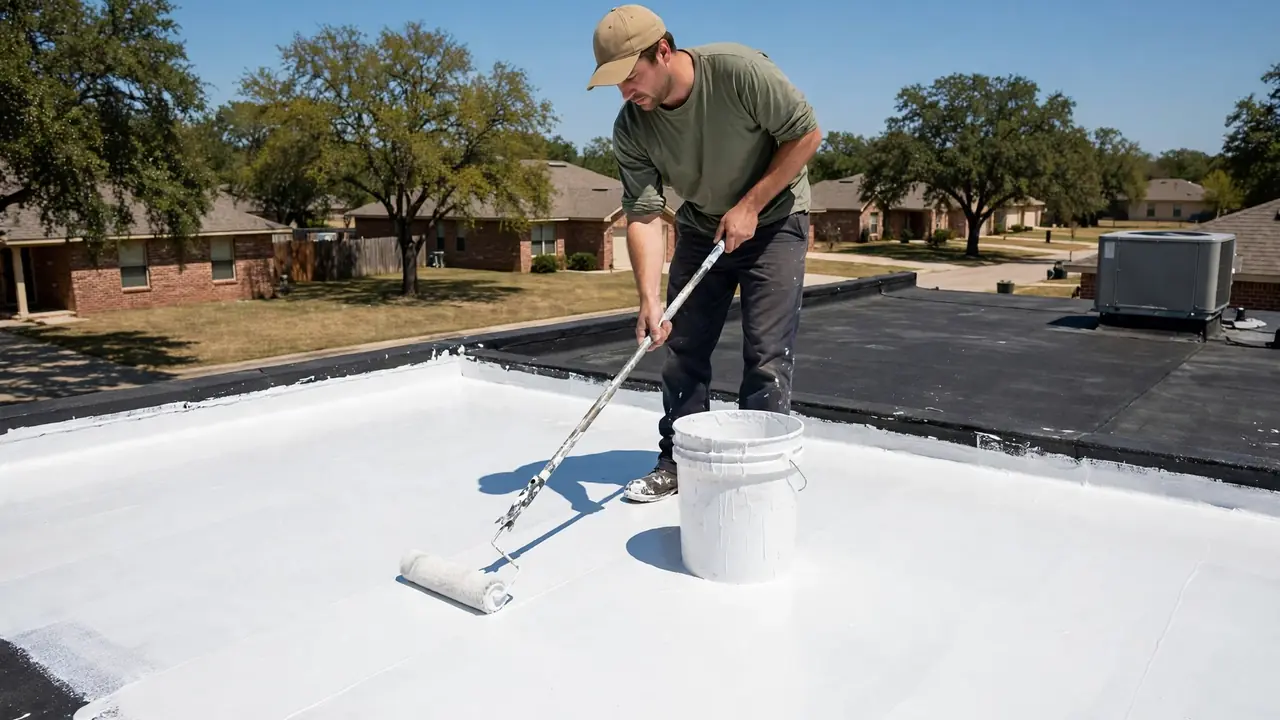
We ask when the leak appears, what rooms show staining, and whether wind or falling branches recently affected the roof. A visual inspection usually takes 30 to 60 minutes, depending on access and roof size. You can point out interior marks while we check the exterior, attic access, and nearby penetrations.
We inspect the slate courses above and around the reported leak, then follow likely paths through valleys, flashing, and roof edges. A moisture meter helps distinguish active dampness from old staining; an infrared thermal camera may help locate temperature patterns associated with trapped moisture. We explain the likely source before touching the slate.
Before removing a tile, we secure ladder access, use a safety harness where required, and protect landscaping and the entry path. We stage slate tools and replacement pieces so the roof is not left open while materials are gathered. If rain is imminent, we first stabilize exposed areas with a suitable temporary covering.
We use a slate ripper or pry bar to release failed fasteners and lift neighboring tiles with controlled movement. Broken slate is removed, the supporting detail is checked, and a compatible replacement is fitted and secured. Where the cause is flashing failure, we repair that transition instead of merely replacing the visible tile.
After installation, we check tile alignment, fastening, and the repaired water-shedding detail. The crew removes slate fragments and debris, then reviews the completed work with you and notes any separate maintenance concerns. A small repair can take two to four hours; larger or complex work may require a full day.
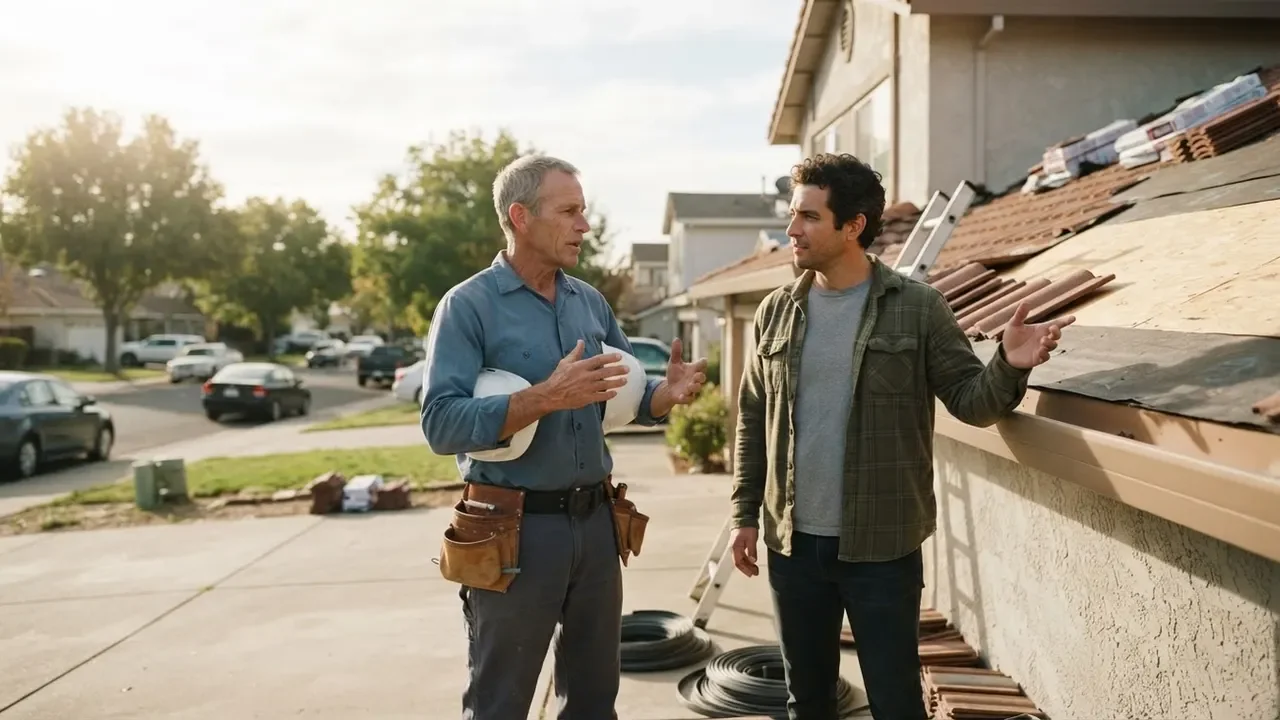
We slide the slate ripper under a damaged tile to cut or release failed fasteners. Its narrow blade helps remove slate without levering force against the surrounding courses.
A roofing hammer helps set slate fasteners and make controlled adjustments during fitting. We use it carefully because excess force can crack brittle slate or damage the tile edge.
We use a moisture meter to compare suspect roof or interior materials and identify areas that remain damp. The readings support visual inspection; they do not replace tracing the leak source.
An infrared thermal camera can show temperature patterns that help direct further inspection when moisture is concealed. We confirm any suspected issue with physical checks and roof observations.
A safety harness supports controlled roof access where conditions require fall protection. We also secure the extension ladder and plan movement to limit pressure on the slate surface.
We start with the interior symptom, inspect the attic when accessible, and follow the likely path toward roof valleys, penetrations, flashing, and slate courses. This sequence matters because water often travels sideways before it reaches a ceiling. The repair follows the identified entry point.
We release the damaged tile's fasteners with a slate ripper and lift nearby slate only as much as needed. After checking the opening and supporting layers, we fit and secure a compatible piece. This method limits unnecessary disturbance to the existing roof.
At chimneys, valleys, and roof openings, we assess both the flashing and the adjacent slate. We correct the failing water-shedding detail, then reset or replace tiles removed for access. The finished junction is checked for alignment and a clear route for runoff.
We visually check the repaired slate, fastening, and adjoining courses, then inspect the work area for debris. When practical, we compare the repaired location with interior evidence and explain any drying time for previously wet materials. You receive a direct review of what was corrected.
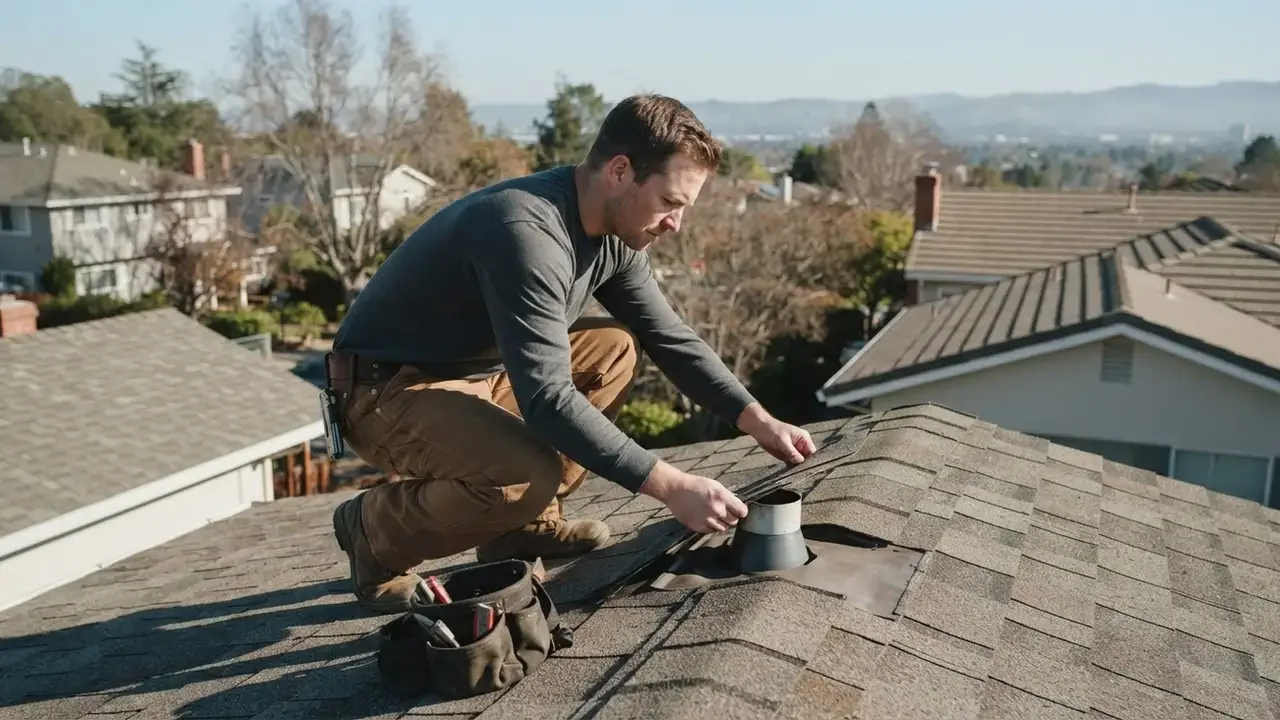
We inspect the roof field around the missing piece, check for lifted neighboring tiles, and look for exposed underlayment or fasteners. If rain is forecast, we first protect the opening, then fit a compatible replacement and review nearby vulnerable details. Your roof regains a continuous slate covering, and you know whether the storm affected one tile or a wider section.
We trace the water path through the attic and inspect valleys, chimney flashing, roof edges, and penetrations. Our team identifies the likely entry point before choosing tile work or flashing repair, then checks the affected area for retained moisture. You get a repair directed at the cause, reducing repeat staining and unnecessary replacement of sound slate.
We inspect accessible slate courses and key roof details, noting cracked tiles, slipped pieces, and flashing concerns. We explain which repairs address active risk and which conditions can be monitored, so you can plan the roof work alongside the property project. You have a clearer record of roof condition and can address specific defects before they complicate other work.
We check the slate and flashing around the opening, then inspect from inside where access permits. The crew repairs the failed transition and replaces slate disturbed during access, using a method suited to the existing roof layout. The opening is restored as a coordinated roof detail instead of receiving a temporary seal over the visible symptom.
Slate roof repair in Bay City must account for rain, humidity, wind-driven water, and strong sun that can stress exposed roof details. Our team checks valleys and flashing closely because water can enter at a transition and travel before appearing indoors. In older homes around Old Town Bay City, we take care to preserve existing slate courses and limit disturbance to sound material. Around the Waterfront District, we also inspect exposed roof edges and penetrations after strong winds. For slate roof restoration Bay City, Texas property owners request, we begin with a condition check rather than assuming every aged tile needs replacement. A slate roof flashing repair Bay City TX plan may include correcting a chimney or valley detail and replacing only the slate needed for access. We use safe ladder access, protect the work zone, and account for the forecast when securing an open area. Call us with the neighborhood, leak location, and symptoms; those details help us prepare for your inspection.
Older roof layouts can include chimneys, intersecting slopes, and varied slate dimensions. We inspect these transitions carefully when a ceiling stain does not line up with a visible tile defect.
Wind-driven rain can test roof edges and flashing around penetrations. After a storm, we check for loose slate and openings that could admit water during the next rainfall.
Preserving existing slate matters on established properties. We identify sound courses and remove only the pieces needed to reach the failed fastener, flashing, or tile.
Occupied homes and businesses need a tidy work area and clear access. We plan material handling and cleanup around entrances while keeping the repair focused on the affected roof section.
Water can move beneath a slipped slate or enter at a weak transition, then travel along the deck. We inspect nearby details rather than limiting the assessment to the tile above an interior stain.
Wet underlayment or decking can remain damp after the weather clears. We check for moisture at the repair opening and explain what needs replacement versus what can dry after the leak is stopped.
Hot roof conditions make safe work timing and material handling important. We plan the repair around safe access and avoid forcing brittle slate during removal or refitting.
A cracked slate sat above a bedroom ceiling, leaving a small brown mark after heavy rain. Two nearby tiles had shifted slightly, and the homeowner was concerned that replacing the visible piece would not stop the leak. Water had reached the underlayment, but the roof deck remained firm at the opening.
We replaced the damaged tile, reset two displaced pieces, and checked the exposed underlayment and fasteners. The repair took about three hours, and the affected roof area returned to a continuous pattern. The homeowner had a clear explanation of the work and no new ceiling staining during subsequent rainfall.
Maintenance: Check the ceiling and attic after the next substantial rain, and arrange a roof review after severe wind. Keep gutters clear so runoff leaves the roof edge freely, and report any new slate fragments or interior marks promptly.
A Bay City homeowner had patched slate near a chimney more than once, but water continued to mark the upstairs wall. The nearest tiles were intact. Inspection showed a deteriorated flashing transition and moisture tracking down the roof structure away from the entry point.
We corrected the chimney flashing detail, replaced one slate disturbed during access, and checked the surrounding courses. The work addressed the water path rather than covering the visible stain. The homeowner saw the repaired transition in photos and understood which interior materials needed time to dry.
Maintenance: Look for new staining around the chimney after rain and keep an eye on the attic side of the roof. A prompt check of a returning mark can prevent another patch from masking a failing transition.
After a windy storm, several slate pieces near a roof valley had slipped, leaving small gaps and a risk of water entering below the courses. Debris had collected near the valley, making it harder for runoff to move cleanly. No major interior damage had appeared yet.
We cleared the immediate debris, replaced one fractured slate, and reset three displaced pieces. The valley detail was inspected and left with a clear water path. The repair took most of a workday because access and careful slate handling required more time than a single-tile replacement.
Maintenance: Have the valley checked after major storms and keep drainage routes free of accumulated leaves and fragments. Do not walk on slate to inspect it; call for a roof-level check if pieces appear loose or debris collects.
A slate roof can leak even when most tiles look sound. Bay City Roofing, TX checks the full water path and repairs the failed component, whether it is a tile, fastener, valley, or flashing transition.
Rain can wet underlayment and roof decking, then stain ceilings or damage insulation. Repeated moisture can turn a small repair into interior restoration work. We locate the cracked piece, check nearby slate for movement, and inspect the exposed support before fitting a replacement. Our crew uses slate-specific tools to avoid loading adjacent tiles. We then confirm that the repaired course overlaps correctly and directs water toward the roof edge.
A leak that travels along the roof deck can leave homeowners repairing the wrong area while damp materials remain hidden above the ceiling. We compare the stain location with attic marks, valleys, flashing, and penetrations to trace the water route. A moisture meter helps identify damp areas, and we inspect the roof surface above and beside them. The repair targets the source, not just the point where water becomes visible.
A displaced tile can allow wind-driven rain beneath the roof covering and loosen nearby pieces. Each storm can widen the exposed section. We secure access, check the surrounding slate courses, and reset or replace tiles based on their condition. Our team also checks the failed fastener and the roof edge or valley nearby. For Bay City, Texas slate roof fixing, we restore coverage and verify that the courses sit evenly.
Repeated water entry can damage framing and interior finishes while temporary surface patches conceal the underlying flashing failure. We inspect the transition and adjacent slate, then repair the flashing detail responsible for the leak. We remove only the pieces needed to access the junction and reset them after correcting the water path. This addresses the connection rather than repeating a patch on the same symptom.
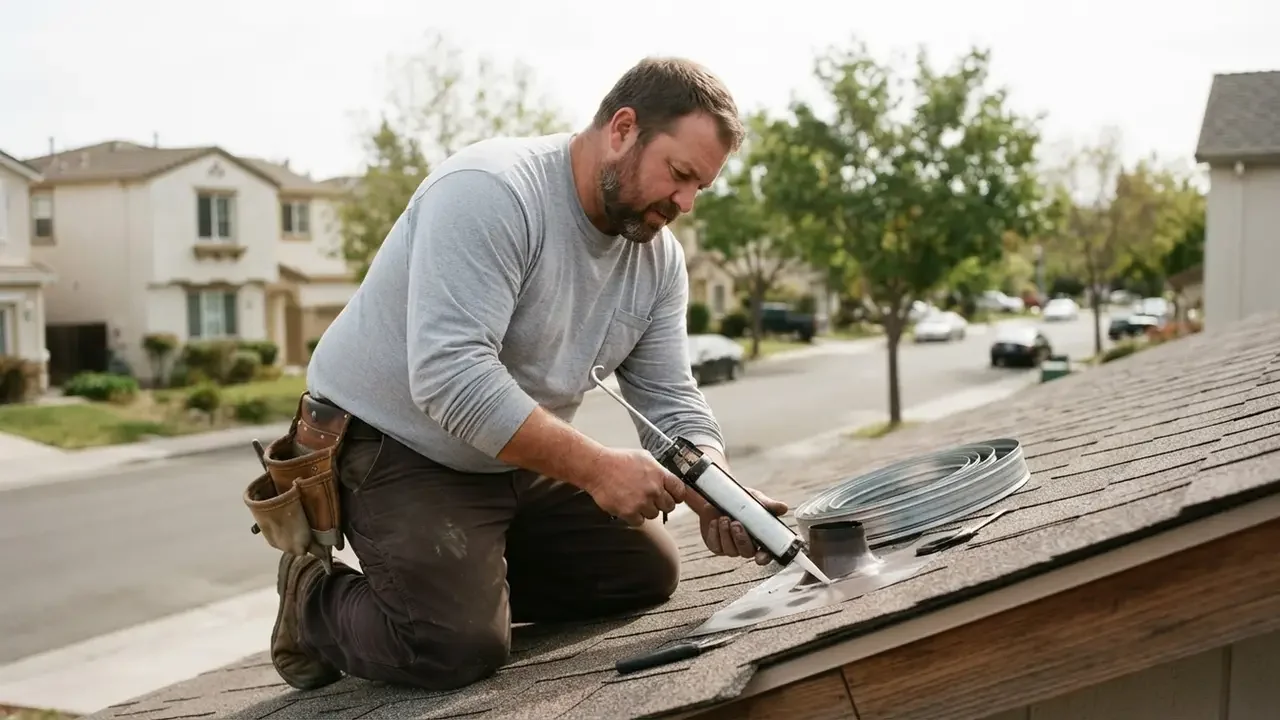
Slate behaves differently from asphalt shingles: it is durable but brittle under concentrated foot pressure, and an incorrect removal technique can crack neighboring tiles. Our team approaches each roof by identifying slate size, thickness, exposure, fastening, and the condition of the supporting layers. We use local experience to distinguish a tile failure from water entering at flashing or a valley, then choose a repair that addresses the actual defect. We also explain when a localized repair is appropriate and when widespread deterioration calls for a broader roof assessment.
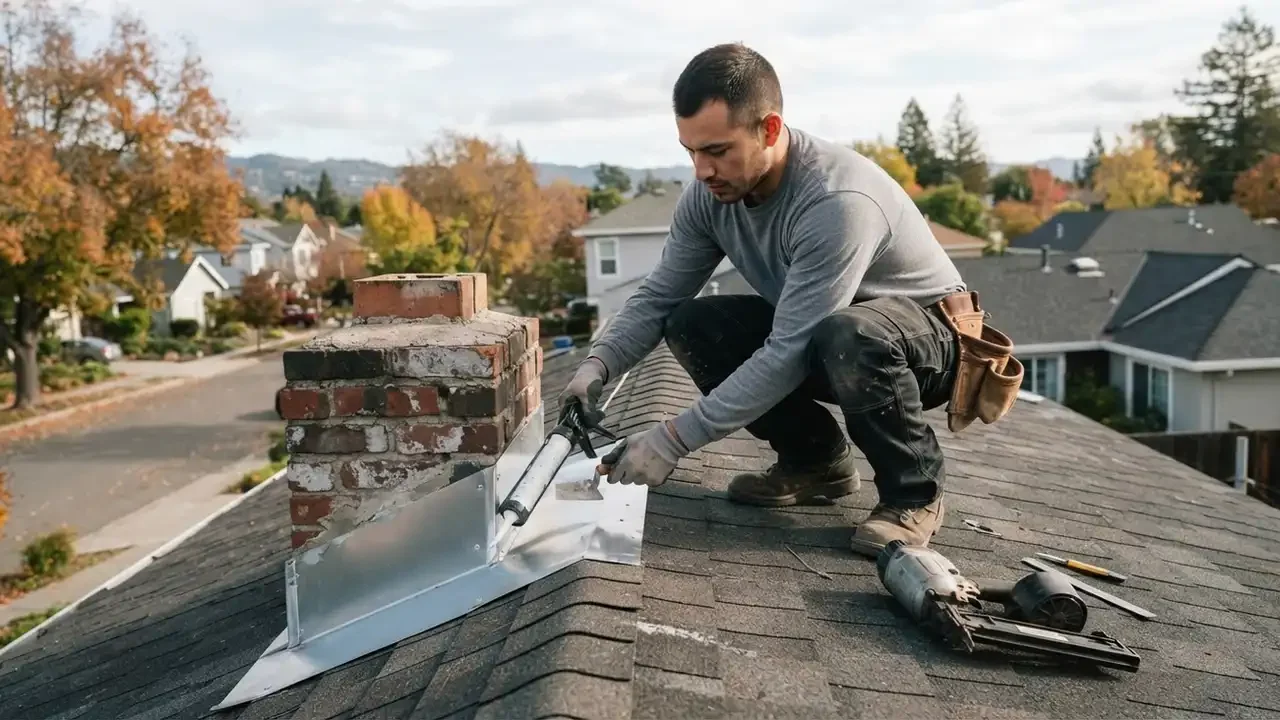
We had a brown ceiling mark after rain and assumed the slate above it was broken. The crew found a problem at the chimney flashing instead, then replaced two cracked tiles nearby. They showed us the repair from the roof photos and cleaned up the fragments. The leak has not returned through the storms since the work.
A slate had slipped near the back roof edge, and we could see daylight from the attic. The team secured the area, fitted a replacement tile, and checked the neighboring courses rather than coating everything with sealant. They explained why the fastener had failed and finished the repair in one visit.
We called after a leak appeared in a second-floor room. The inspection traced it to the valley, several feet from the stain. The crew replaced the damaged slate and corrected the water path at the valley. They kept us updated during the repair and left the entry and grounds clear.
Most localized slate repairs cost about $250 to $1,200, depending on access, slate quantity, and flashing work. A simple replacement of one or two accessible tiles is less involved than repairing a valley or chimney transition. For typical 2026 pricing in this area, we inspect the damage and explain the cost before starting. If the repair reveals damaged decking, we discuss that added work separately rather than disguising it in a tile-only price.
A well-installed natural slate roof can last 75 to 150 years, while service life depends on slate quality, installation, fasteners, and maintenance. Individual tiles or flashing can fail long before the whole roof reaches the end of its life. We check for widespread delamination, recurring leaks, and failing support materials to distinguish a repairable area from broader deterioration. Regular visual checks after major wind or hail events help catch loose or cracked slate early.
Yes, slate roofs in Bay City can be repaired by replacing cracked or missing tiles, resetting slipped slate, and correcting failed flashing or fasteners. The repair method depends on tile condition and how water enters the roof. We use a slate ripper and controlled lifting to avoid breaking surrounding pieces, then inspect the opening and secure a compatible replacement. If damage is widespread, we explain the condition and options before recommending a larger project.
Common causes include a cracked or slipped tile, corroded fastener, failed chimney flashing, or a leak at a valley or roof penetration. Water can travel along the roof deck, so an indoor stain may not sit directly below the opening. We trace the route from the attic and roof surface, then recommend slate roof flashing repair Bay City TX or tile work according to the actual failure. If water is entering now, call us to arrange an assessment.
Not seeing your question? Our local team can help you understand urgency, scheduling and what to expect.
Ask the local teamGeneral roof repair addresses damage beyond slate, including flashing failures, loose components, and storm openings. If your Bay City property has both slate damage and a separate roof defect, we can assess how the areas interact and plan repairs that restore the full water-shedding system.
View service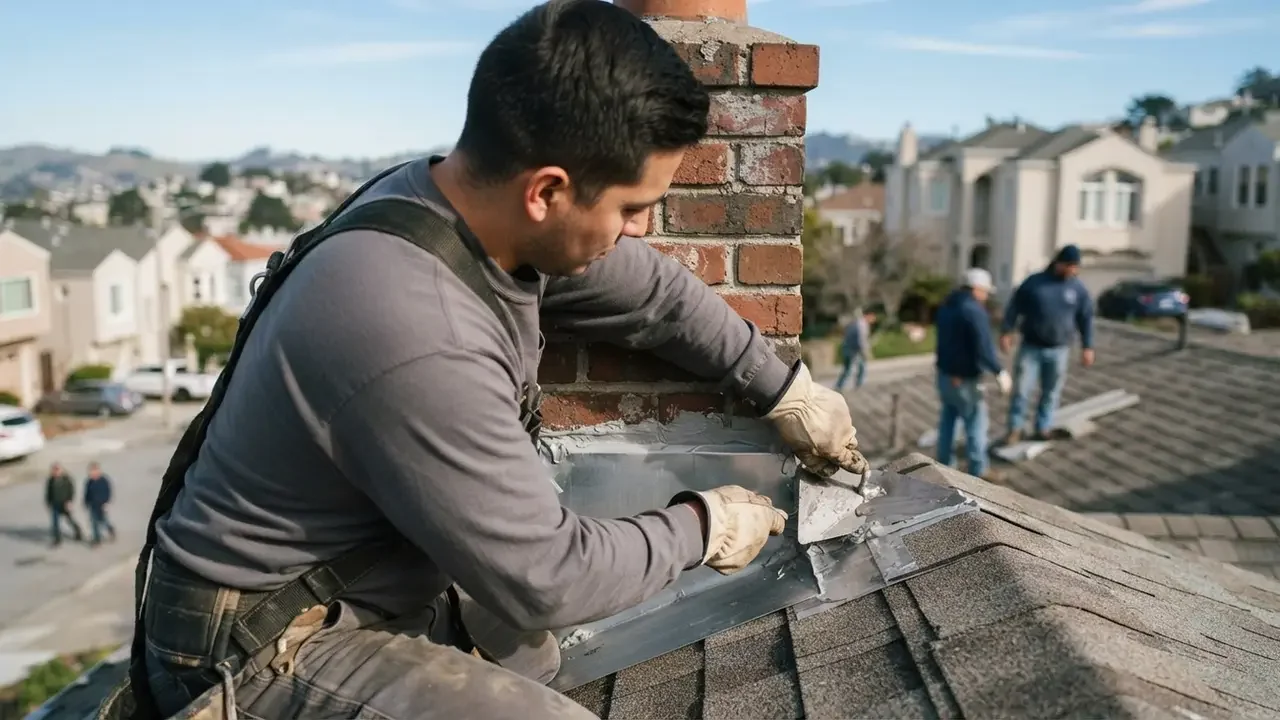
Replacement becomes relevant when slate, fasteners, or supporting materials show widespread failure rather than isolated damage. We inspect the roof condition and explain whether targeted repairs remain practical. For Bay City owners, that comparison helps distinguish a few replaceable tiles from a roof that needs a larger plan.
View service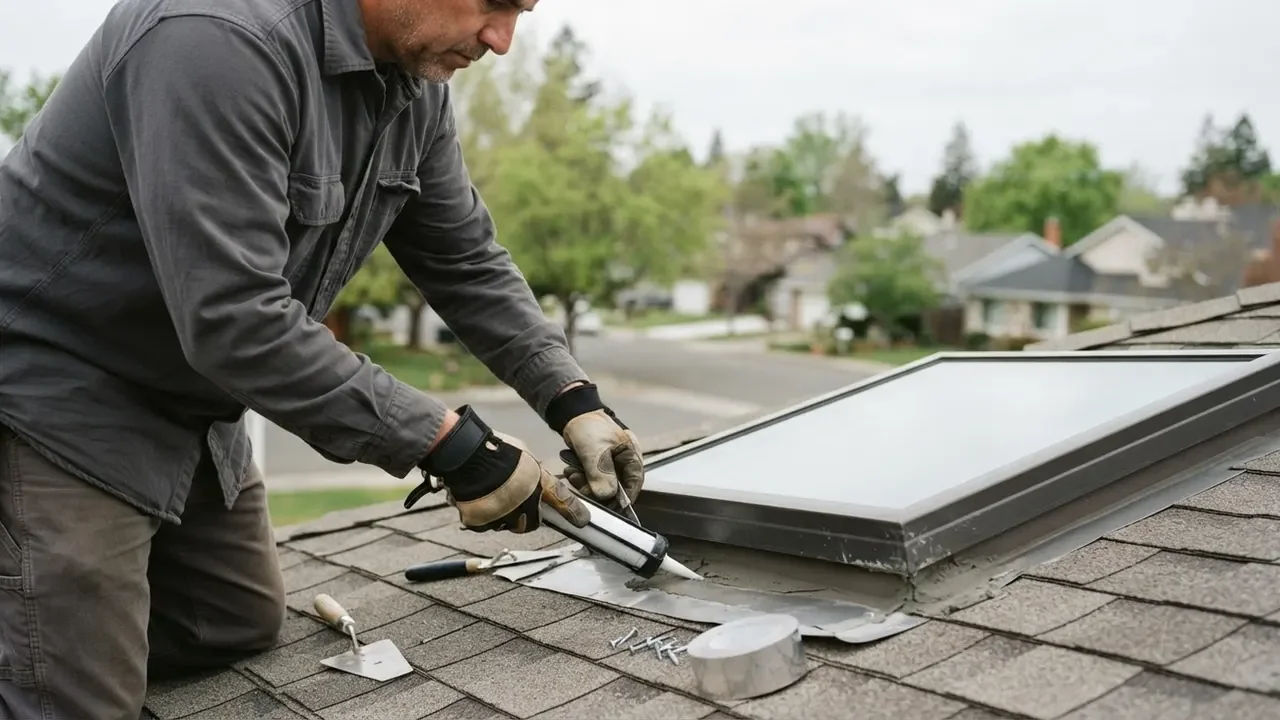
Roof leak repair focuses on locating and stopping water entry, whether it comes from slate, flashing, a valley, or a penetration. We trace the route from interior evidence to the roof surface, then correct the cause. This is useful when staining appears far from the damaged slate.
View service
Emergency roof repair addresses an open roof or active leak that cannot wait for routine scheduling. We work to secure the affected area, protect interior belongings, and arrange a permanent slate repair. If water is entering during a storm, keep clear of wet electrical fixtures and call for help.
View serviceCall (877) 791-3217 to discuss a roof leak, storm damage, inspection, or replacement in Bay City. We connect you with independent roofing companies and help you get the conversation started. Calls are accepted around the clock for urgent roofing needs; tell us whether water is actively entering and where you see the damage.