Focused Arrival Windows
Useful updates and clear arrival timing.
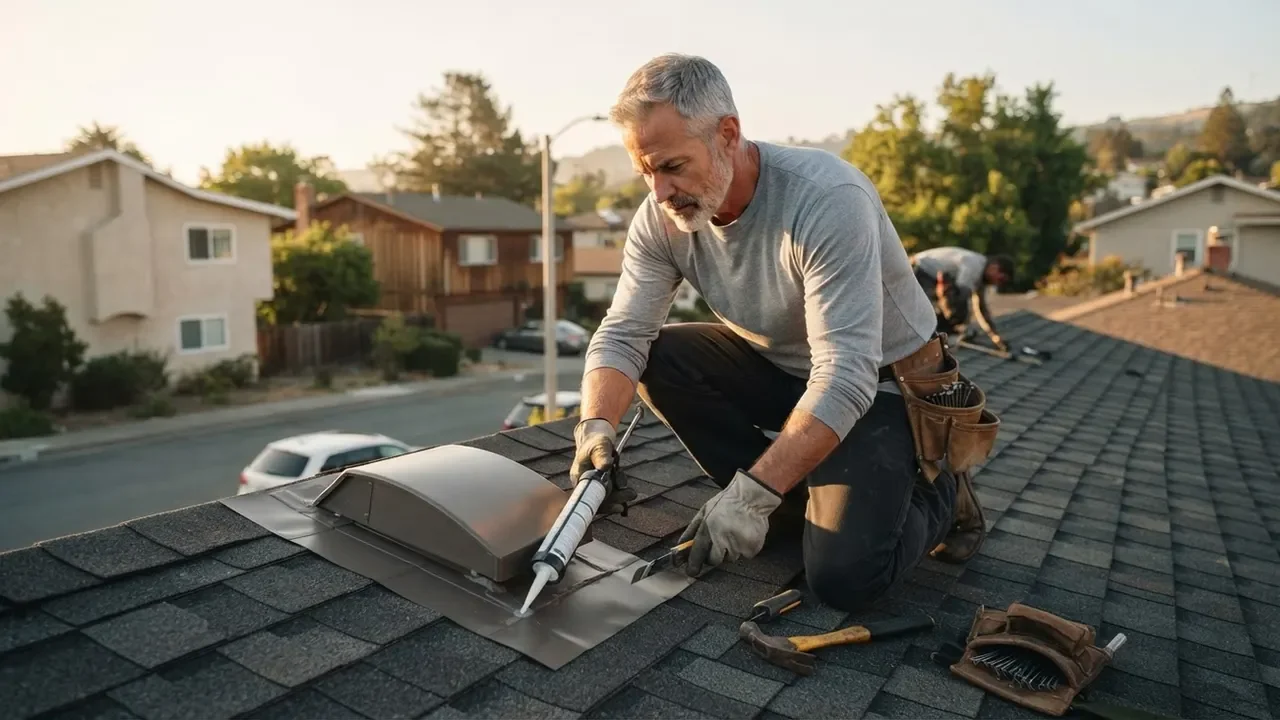
Soffit and fascia repair in Bay City, Texas restores damaged roof edges for homeowners dealing with rot, loose trim, pests, or water stains. We inspect the roofline, identify the source, and repair or replace affected sections so you can protect the roof deck and attic. If wind-driven rain or overflowing gutters have opened a gap, our team can trace the damage and explain the repair before work starts.
Useful updates and clear arrival timing.
Review the approach and price before deciding.
Equipped vehicles and respectful cleanup.
Neighbors serving neighbors with follow-through.
Our service covers inspection and repair of damaged soffit panels, fascia boards, and their immediate roof-edge connections. We trace visible moisture, remove failed material, secure replacements, and check the gutter attachment. If the inspection finds a separate roof leak or extensive structural decay, we explain the connected work and price before proceeding; the goal is to leave you with a stable, properly drained edge.
We inspect visible fascia, soffit, gutter connections, and the roof edge above the damaged area. We look for soft wood, loose fasteners, stains, failed sealant, and gaps that could admit water or pests, then explain which findings relate to the repair.
We carefully remove loose panels and weakened boards while protecting adjacent sound material. Once the area is open, we check the backing and roof edge so replacement is attached to solid support rather than hiding decay beneath a new surface.
We fit replacement boards or panels to the affected section, secure them with suitable fasteners, and align the finish with the existing eave. Ventilation openings are kept clear where the original design includes them, and exposed joints receive appropriate sealing.
We check the nearby gutter, downspout connection, and roof-edge detail for conditions that could wet the new repair. When a defect is part of the same leak path, we explain the needed correction so water can leave the roofline instead of collecting against it.
Share what is happening and receive a clear next step from the local team.
Soffit and fascia repair in Bay City, Texas is roof-edge restoration that stops water and pests from entering through damaged eaves and protects the roof deck. The fascia is the board along the roof edge that supports the gutter; the soffit closes the underside of the eave and often provides attic ventilation. We check both surfaces, the adjoining roof underlayment, drip edge, and gutter attachment before removing loose or soft material. Then we replace only the sections that have lost their holding strength, secure the assembly, and seal exposed joints with compatible roof sealant.
Bay City's humid conditions, heavy rain, and gusting coastal weather can push water behind trim or keep damp debris against the eaves. A clogged gutter, loose roof flashing, or small roof leak can leave fascia rot hidden until paint bubbles or the gutter begins to sag. Our crew checks the roofline and nearby drainage rather than covering a symptom. For homeowners searching for roof soffit water damage repair Bay City TX, we trace the moisture path and match the repair to the actual source.
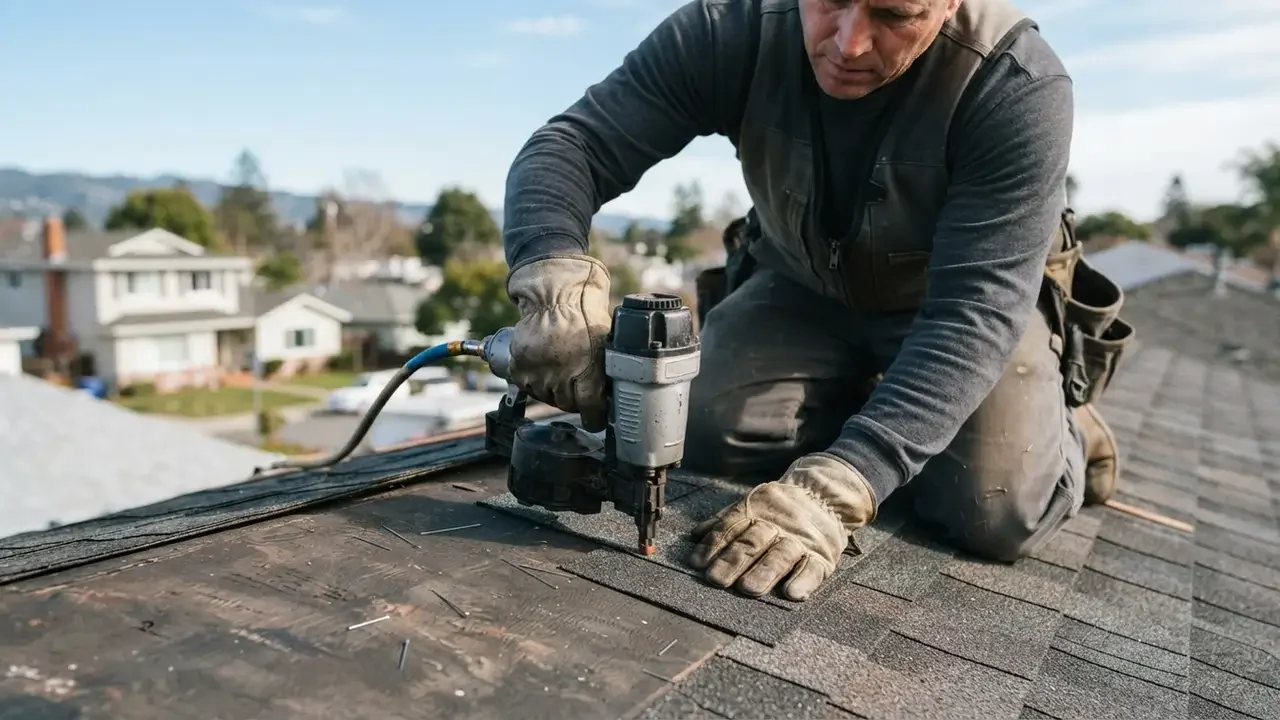
We start with the affected elevation and inspect adjoining roof edges, gutters, and attic access where practical. A moisture meter helps distinguish damp wood from sound material, while visual checks reveal loose panels, nail movement, and failed sealant. A focused inspection usually takes 30 to 60 minutes, depending on access and how many roofline sections show damage.
We look above the damaged area for the source, including clogged gutters, lifted shingles, or flashing failure. Water can travel along the roof deck before appearing at the fascia, so we follow staining and check nearby joints rather than assuming the visible spot is the entry point. We show you the evidence and identify the repair boundary.
After protecting the work area, we use a pry bar and utility knife to remove damaged soffit panels or fascia without tearing sound material. We check the exposed framing and roof edge for soft spots. If hidden decay extends beyond the original section, we explain the added area before continuing, keeping the repair focused on structurally weak material.
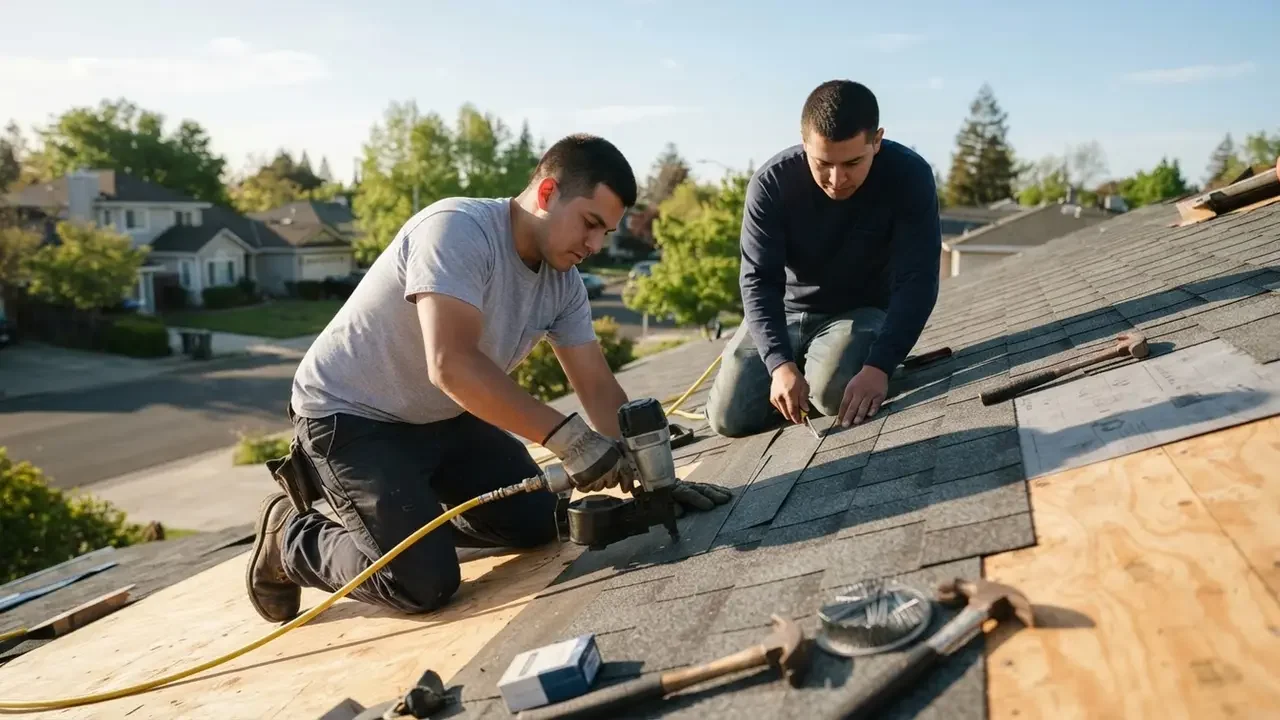
We fit replacement boards or panels, secure them to solid backing, and align the edge with the existing roofline. A roofing hammer or roofing nail gun is selected according to the material and fastening location. We restore ventilation openings where present and seal appropriate joints with roof sealant, avoiding blocked airflow or a bead that traps water.
We confirm that the fascia is firm, soffit panels sit evenly, and the gutter attachment is supported. We clear debris and review the repaired area with you before leaving. A small, accessible repair often takes 2 to 4 hours; extensive rot, difficult access, or connected roof work can extend the job into a full day.
We check suspect fascia and exposed backing for retained moisture, helping distinguish a dry surface stain from material that remains wet and needs further inspection.
We use controlled leverage to remove loose boards and panels while limiting damage to adjacent trim that remains secure and suitable to keep.
We cut sealant and trim cleanly around damaged sections, allowing removal and fitting without tearing the surrounding soffit or finish.
We use a roofing hammer to set appropriate fasteners and secure replacement components where hand fastening gives better control near existing roofing.
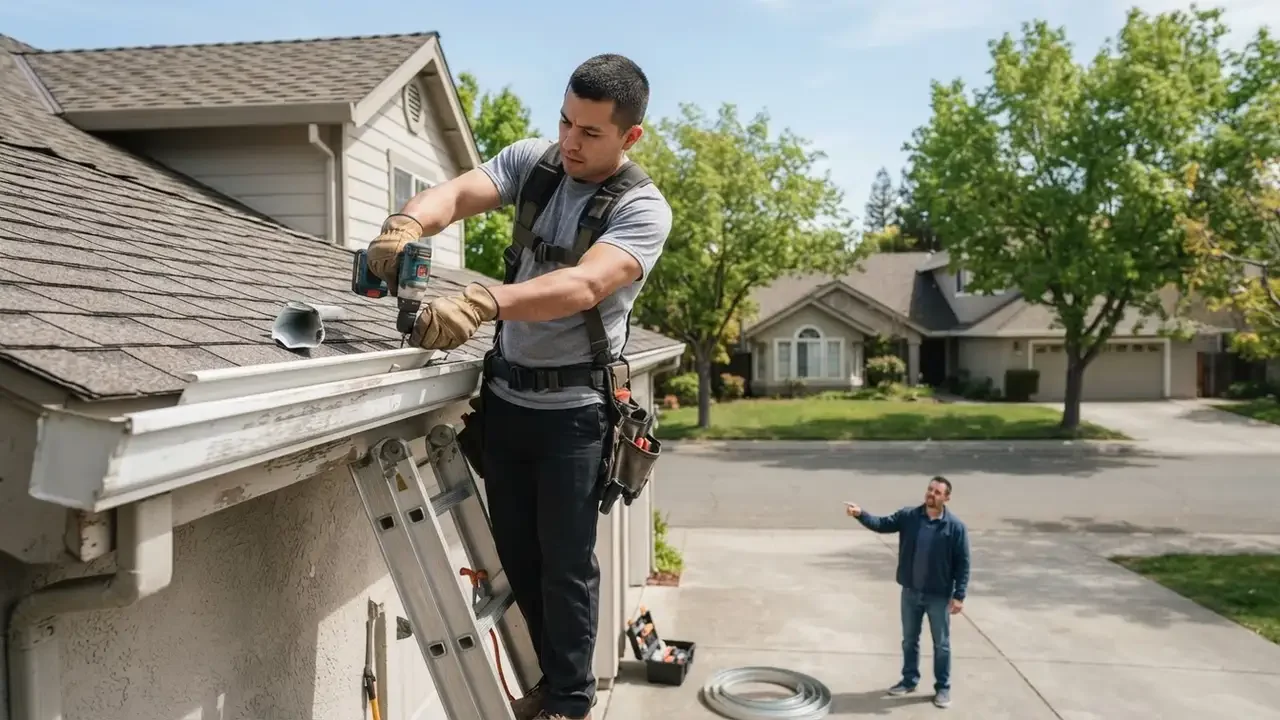
We use stable access equipment and fall protection when the roofline requires elevated work, keeping inspection and installation controlled at the eave.
We start at the visible stain or rot, then check the gutter, roof covering, and flashing above it. Water can travel before it appears, so we compare staining, material condition, and drainage details to locate the entry. This prevents a trim-only repair from covering an active leak.
We remove material that is detached, soft, or unable to hold fasteners and retain sound sections where practical. After opening the area, we inspect the backing and fit the replacement to the actual repair boundary. This method limits unnecessary removal while keeping the new assembly attached to solid support.
We identify existing soffit ventilation before fitting panels or sealing joints. Replacement material is installed to close unwanted gaps without blocking designed airflow. That distinction matters because sealing every opening can interfere with attic ventilation even when the exterior looks neat.
We check how the gutter, fascia, drip edge, and nearby roof surface move water together. If a leaking connection or overflow caused the damage, we address that condition along with the trim repair. The completed edge should shed rain into the drainage system instead of directing it behind the board.
We inspect the gutter fasteners and fascia behind them, then trace whether overflow or roof leakage wet the corner. We replace weakened material, reset the supported gutter section, and check the adjoining eave for loose panels or staining. The gutter has a firm attachment, the damaged edge is closed, and the water path is addressed before repeated winter rain reaches the roof structure.
We inspect the roof edge at close range, check flashing and gutter joints, and look for water moving behind the fascia. If the source is above the trim, we repair that connection before replacing affected boards or soffit panels. You get a repair based on the leak source, not just a new painted surface that could conceal continuing moisture.
We secure the area, inspect nearby panels and framing, and remove any material that cannot hold fasteners. We fit a replacement panel, maintain existing ventilation, and check for roof or gutter damage that contributed to the failure. The roof edge is closed against pests and blowing rain, with adjacent panels checked for the same loosened condition.
We assess the full gutter run before new hangers are installed, identify weak board sections, and replace them with sound material. Then we coordinate the repaired fascia with the gutter layout so the new system is not fastened into rotten wood. The replacement gutter has a stable mounting surface, reducing the risk of sagging and repeat fascia damage.
Soffit and fascia repair in Bay City has to account for humid air, heavy rain, and gusts that can drive water beneath roof edges. We inspect both the damaged trim and the components above it, especially where gutters meet fascia or roof flashing ends near an eave. A roof leak can travel along sheathing, so a stain at one corner does not always mark the entry point. Our team checks the roofline before deciding which boards or panels need replacement. Bay City homes and buildings vary in roof pitch, eave depth, and gutter setup. We adapt access and fastening to the structure, keep ventilation openings clear, and use materials suited to their exposure. For Bay City, Texas soffit and fascia repair, we also consider whether debris or a downspout issue has caused repeated overflow. Homeowners looking for fascia board repair in Downtown Bay City TX can call us to inspect soft wood, loose gutters, or recurring stains. We explain the repair and price upfront, then leave the eave secured and the work area clear.
Older rooflines and varied eave details call for careful checks behind stained trim. We inspect the board and gutter attachment before recommending a focused repair.
Wind-driven rain can reach exposed roof edges during storms. We check for lifted panels, open joints, and water paths behind the fascia.
Existing trim profiles and repair history can differ from one property to the next. We match the affected section to the current roof edge and preserve sound material.
Gutter overflow and persistent dampness can leave fascia soft. We check drainage connections alongside the damaged board so the repair addresses the source.
Repeated wetting can keep fascia and backing damp, encouraging rot beneath paint or sealant. We look for soft areas and trace the source instead of relying on surface appearance alone.
Overflow or a loose gutter seam can soak the fascia and push water behind soffit panels. We inspect drainage connections and the roof edge when staining appears after rain.
A partially detached panel may expose the eave to blowing rain and pests, while nearby fasteners can also loosen. We check the full affected run before refitting or replacing material.
A 12-foot gutter run had pulled away from a fascia board softened by repeated overflow. The homeowner noticed a low spot after rain, with peeling paint and a damp soffit corner below. The gutter fasteners had little solid wood to grip, and sealing the visible seam would not restore support.
We replaced the weakened fascia section, secured the gutter to sound backing, and corrected the leaking connection. The repaired 12-foot run sat level, and the soffit corner was closed without blocking its vent opening. The owner could see the damaged wood that had been removed and the completed attachment before we left.
Maintenance: Clear the gutter at least twice a year and after heavy leaf fall. Check for standing water, loose hangers, or fresh paint bubbles; each can signal overflow or renewed moisture at the fascia.
A 3-foot soffit panel had dropped after gusty weather, leaving an opening near the porch. The surrounding edge looked intact from the ground, but two nearby fasteners had also loosened. The gap allowed insects and wind-driven rain toward the attic edge.
We removed the loose panel, checked the backing, and fitted a replacement that matched the existing run. Two adjacent fasteners were reset, and the ventilation opening remained clear. The repaired 3-foot section sat flush, with no open seam at the porch corner.
Maintenance: After strong wind, inspect the eaves from the ground for dropped or bowed panels. Do not pull on a loose section; call for an inspection if a gap or movement appears.
A brown stain appeared beneath an eave, although no missing shingles were visible from the yard. Inspection found failed roof flashing above the stained section and damp trim along a 6-foot run. Water had traveled before reaching the soffit, making the stain an unreliable guide to the entry point.
We repaired the flashing connection, replaced the affected 6-foot fascia and soffit sections, and checked the surrounding material for moisture. The roof edge was secured, and the source above the stain was corrected rather than hidden. The owner received a clear explanation of both parts of the repair.
Maintenance: Check attic or ceiling areas after prolonged rain and look for new staining along the eaves. Keep gutters clear so water does not create a second moisture path beside the repaired flashing.
Soffit and fascia repair in Bay City addresses the weak points that let water, pests, and wind-driven debris reach the eaves. We investigate the source, identify affected material, and restore the edge so the gutter, fascia, and soffit function as a connected assembly.
Persistent moisture weakens fastener hold, lets the gutter sag, and can spread into the roof edge. Paint and sealant alone will not restore the board's strength. We check the gutter seam and its attachment, remove fascia that has lost strength, and secure replacement material to sound backing. Then we correct the related drainage issue when it is part of the same repair. That leaves the gutter supported by a firm board rather than fresh coating over damaged wood.
An open panel can expose the attic edge to pests and blowing rain. Nearby panels may also have pulled free if fasteners no longer hold. We inspect the full affected run, remove loose or broken panels, and check the supporting edge before fitting replacements. Our team keeps existing ventilation paths open and secures the finished panels evenly. If roof damage above the soffit caused the opening, we identify that entry point as part of the repair.
Water can travel along the roof deck before appearing at the soffit, so a visible stain may sit away from the actual leak. Delay can hide worsening rot. We follow the stain upward, checking shingles, flashing, gutter overflow, and the eave assembly. A moisture meter helps us assess suspect material after the area is exposed. We repair the source and replace only the damaged soffit or fascia sections needed to restore a dry, secure roof edge.
Entry openings can lead into attic spaces and allow wind-driven debris to collect behind the panels. Repeated movement can enlarge a small gap. We inspect the opening and adjacent panels, confirm whether the supporting material is sound, and close the gap with a fitted replacement. Where ventilation is required, we retain the designed airflow instead of sealing the entire area. You receive a finished edge that closes the entry without trapping moisture.
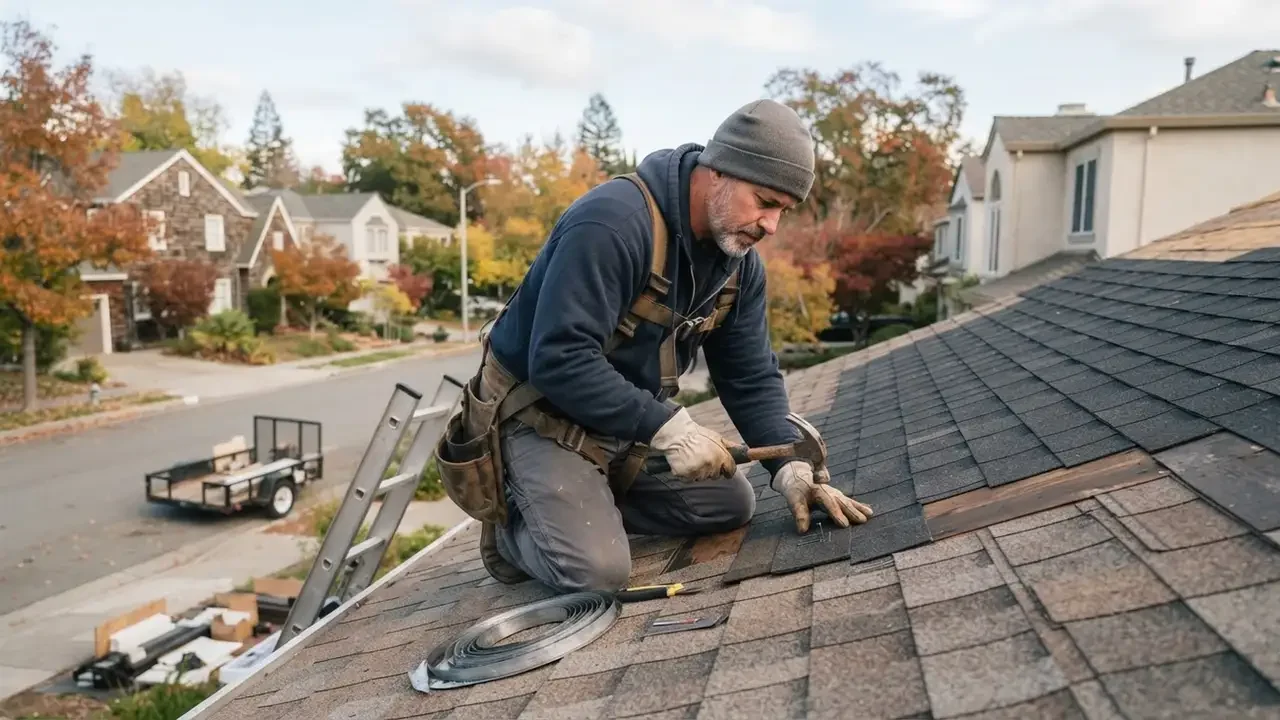
Our local experience covers the details that make an eave repair last: identifying the moisture source, matching replacement material, preserving ventilation, and fastening into sound backing. Bay City Roofing, TX handles soffit and fascia work alongside roof repair, gutter repair, and roof flashing repair, so we can follow damage beyond the trim when needed. We use established roofing methods and manufacturer guidance for compatible materials. We do not guess at hidden rot; we open the affected area carefully, check what is behind it, and explain the repair in plain language.
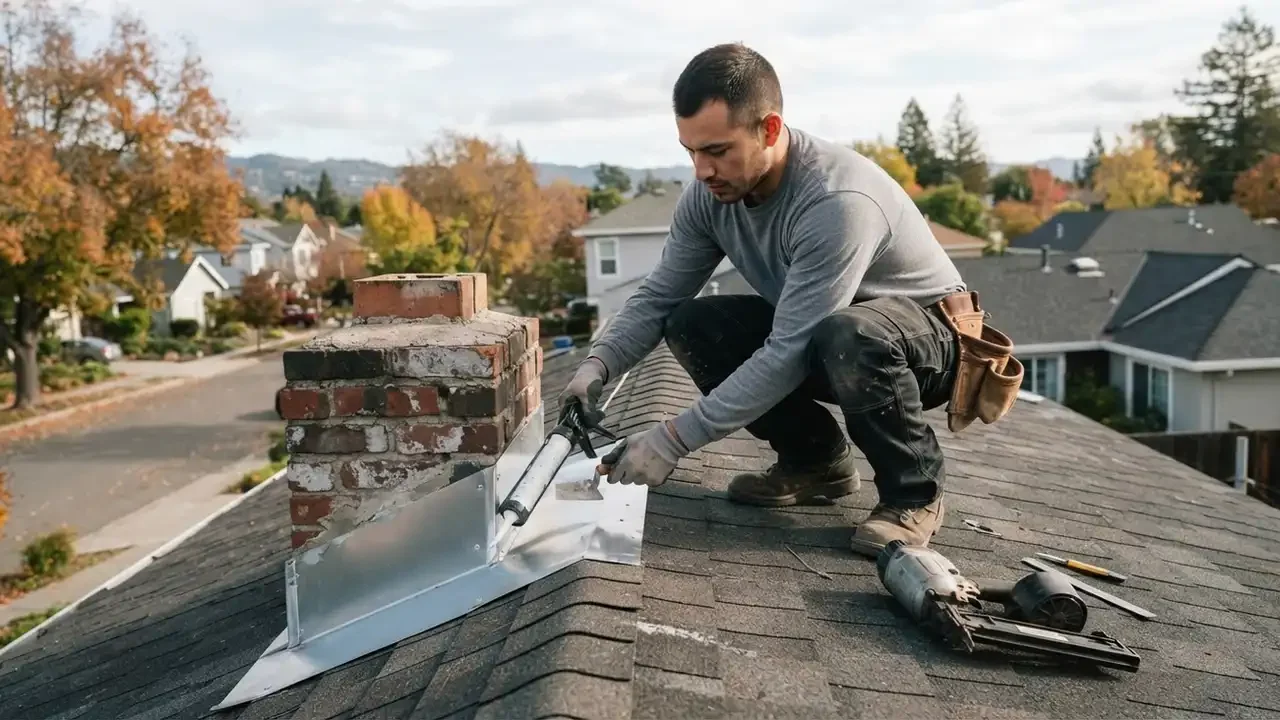
The fascia above our front porch had gone soft and the gutter was pulling away. The crew checked the roof edge, found the weak section, and replaced the damaged board instead of covering it with caulk. They also secured the gutter and cleaned up the loose material. The repair looks straight, and the next rain stayed out of the soffit.
We noticed a brown mark under one eave after a windy rain. Bay City Roofing traced it to water getting behind the fascia near a gutter joint. They repaired the joint and replaced two short soffit panels that had bowed. The team showed me the opening before closing it, and the roof edge is now firm.
A section of soffit had come loose, and I was worried about pests getting into the attic. The crew inspected the surrounding panels, replaced the damaged piece, and kept the vent opening clear. They also pointed out where debris had collected in the gutter. The repair was completed in an afternoon, and the panels sit flush again.
Small soffit or fascia repairs often cost $180 to $450, while larger replacement runs can reach $1,500 or more. In 2026, the price depends on damaged length, material, access, hidden rot, and whether gutter or roof repairs are also needed. We inspect the roof edge, identify the moisture source, and provide upfront pricing before work starts. A clear photo of the affected eave can help us understand the issue when you call.
Fascia board rot in Bay City TX most often starts when water repeatedly reaches unprotected wood through overflowing gutters, failed roof flashing, or wind-driven rain. A loose gutter joint can keep the board wet after a storm, while clogged debris slows drying. We check the board, gutter fasteners, and roof edge above the damage. Replacing the rotten section without correcting the water path leaves the same conditions in place.
Yes, soffit and fascia in Bay City, Texas can be repaired when the damage is limited and the supporting roof edge remains sound. We remove loose panels or weakened boards, inspect the exposed framing, and fit replacement material where needed. Small repairs often take 2 to 4 hours; widespread decay or difficult access takes longer. We also preserve existing ventilation openings and check adjacent gutters so the repair does not simply hide an ongoing leak.
A soffit leak in Bay City TX usually means water is entering higher on the roof and traveling to the eave, or a gutter is overflowing behind the fascia. Check for staining, soft trim, loose shingles, and water marks after rain; avoid climbing onto a wet roof. We inspect the roofline, gutter, and flashing to locate the entry point, then recommend roof soffit water damage repair Bay City TX that addresses the source as well as the visible panel.
Not seeing your question? Our local team can help you understand urgency, scheduling and what to expect.
Ask the local team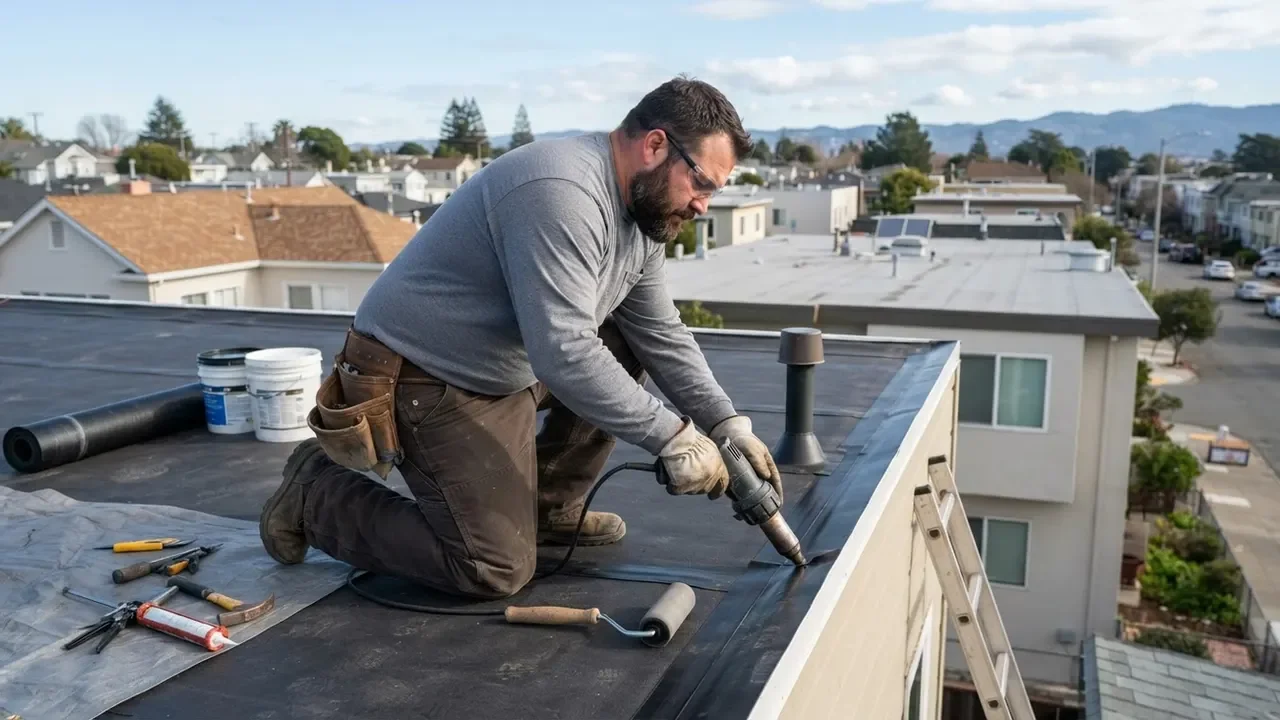
A roof leak or missing shingle can send water into fascia and soffit. We inspect the roof above the damaged eave, repair the entry point, and restore weakened trim so the roof edge and upper roof work together to shed rain.
View service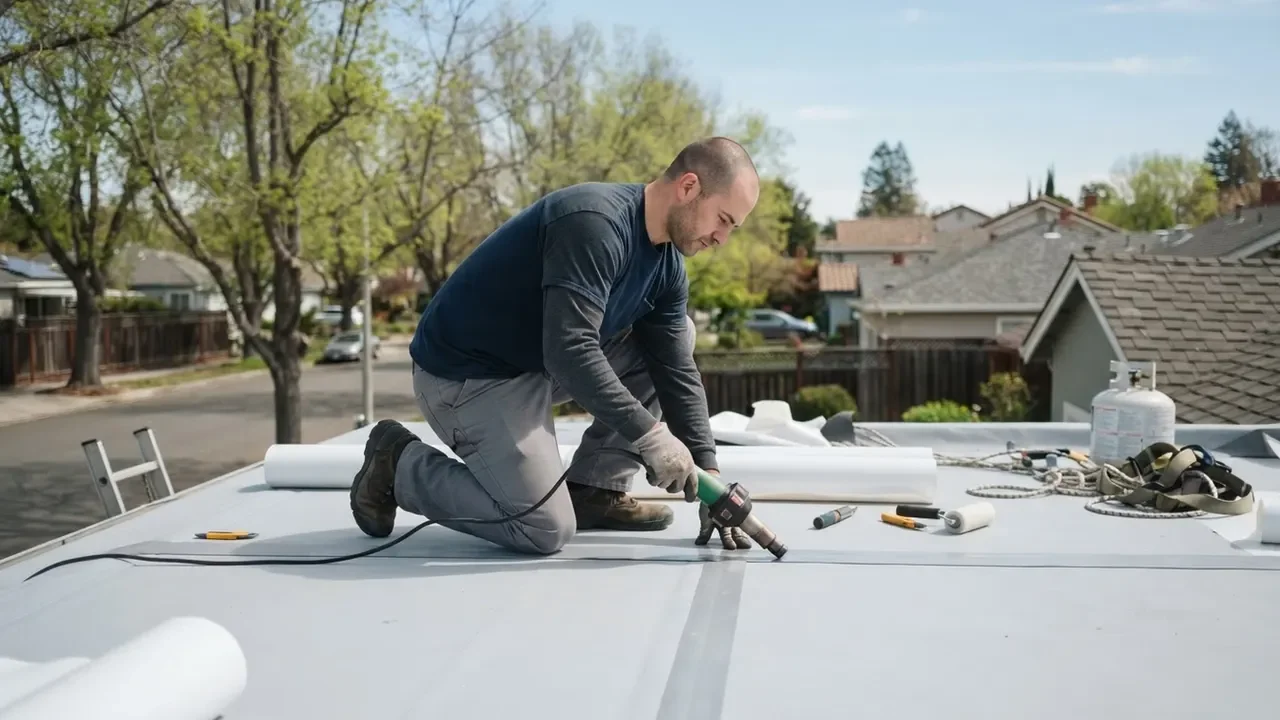
When a roof replacement is planned, we inspect fascia and soffit before new roofing goes on. Replacing rotten roof-edge boards during the project gives the drip edge and shingles a firm base and avoids leaving weakened trim beneath a new roof.
View service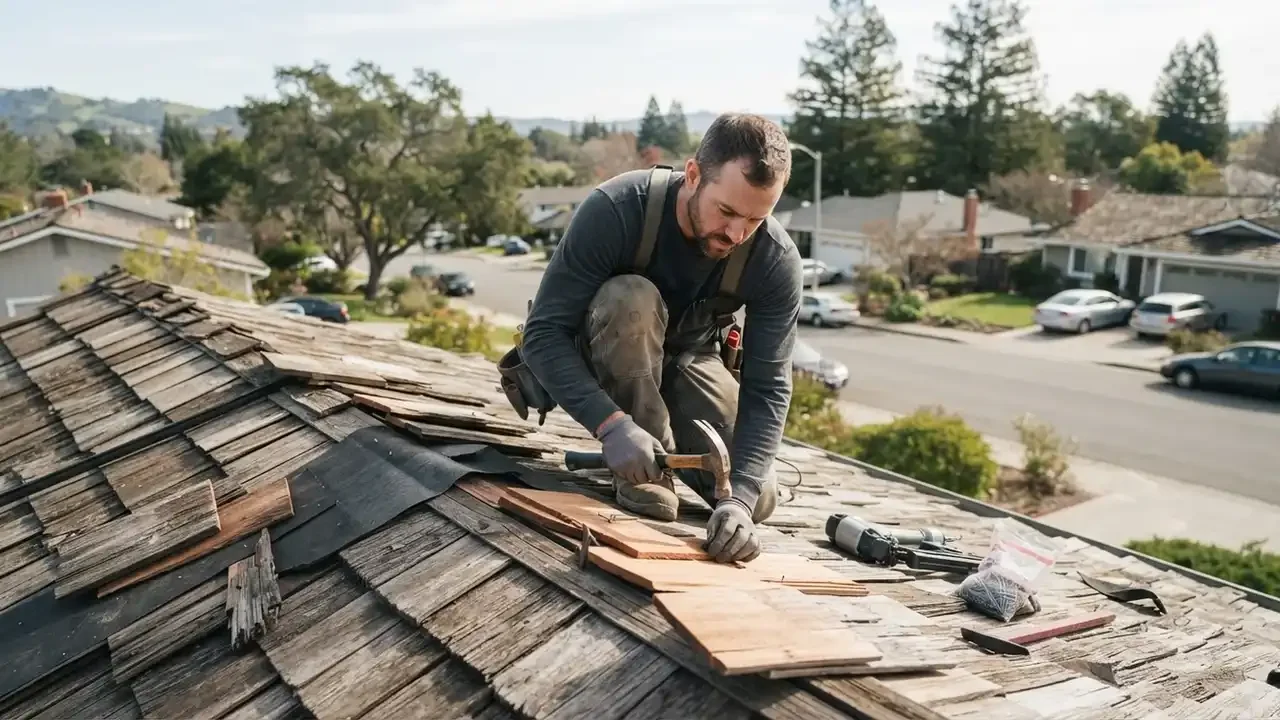
Water showing at a soffit can originate at a roof penetration, shingle, or flashing joint. We trace the leak path, repair the roof opening, and address damaged eave material so the same water does not continue to stain the ceiling or rot the fascia.
View service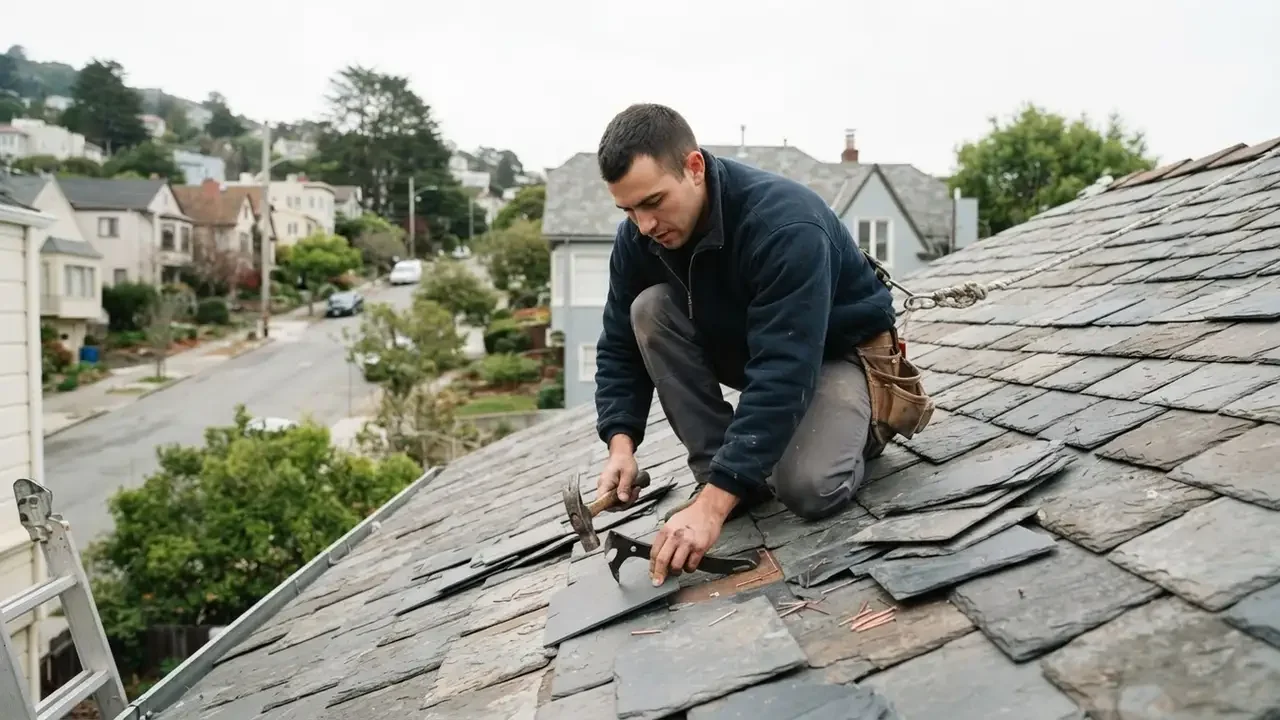
After a storm tears away soffit panels or loosens fascia, exposed roof edges need prompt attention. We assess immediate water entry, secure the affected area, and identify permanent repairs. Call (877) 791-3217 if active rain is reaching the eave or attic.
View service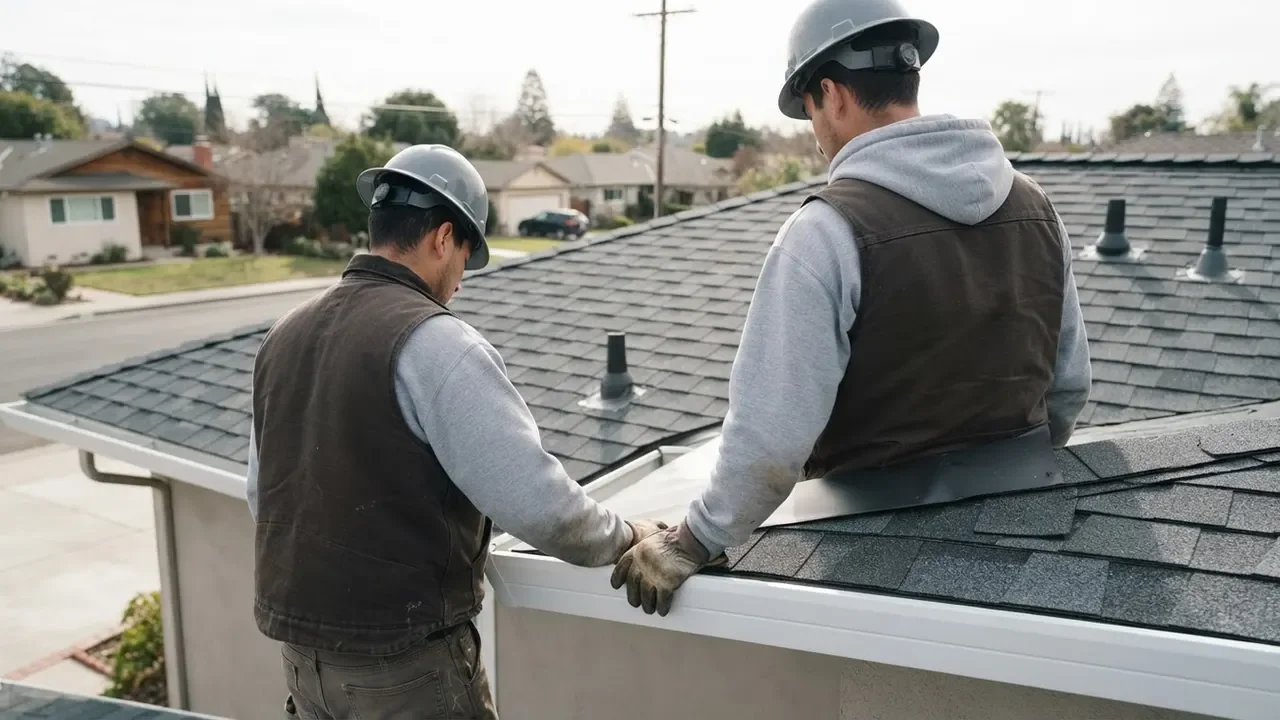
Call (877) 791-3217 to discuss a roof leak, storm damage, inspection, or replacement in Bay City. We connect you with independent roofing companies and help you get the conversation started. Calls are accepted around the clock for urgent roofing needs; tell us whether water is actively entering and where you see the damage.