Focused Arrival Windows
Useful updates and clear arrival timing.
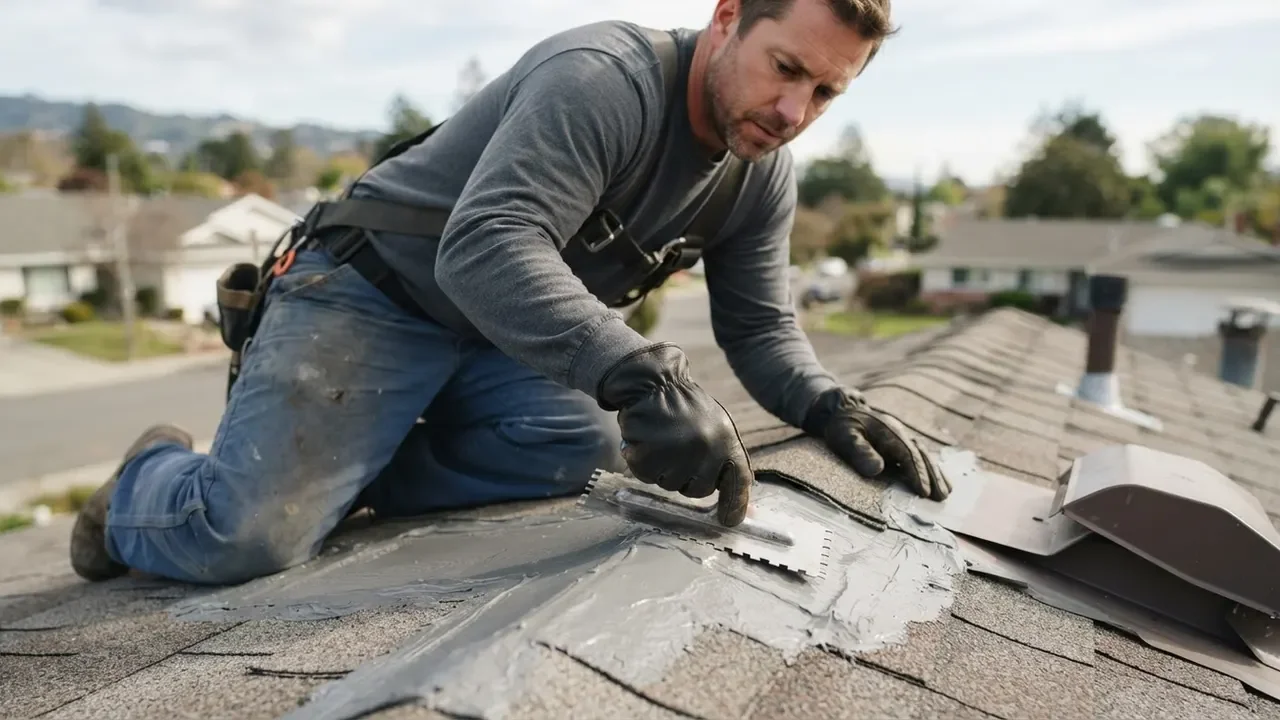
Tile roof repair in Bay City, Texas restores cracked, slipped, or missing tiles and addresses the underlayment or flashing problem that let water in. We help Bay City homeowners protect ceilings, framing, and belongings before a small leak spreads. Our team checks the roof system, explains the repair, and gets to work with a tile-safe approach. For tile roofing repair Bay City TX residents can call us to trace the source, not just cover the stain.
Useful updates and clear arrival timing.
Review the approach and price before deciding.
Equipped vehicles and respectful cleanup.
Neighbors serving neighbors with follow-through.
A standard tile repair includes inspection of the affected roof area, careful access, replacement or resetting of damaged tile, and correction of the related leak point when it is within the agreed repair. We also check nearby transitions and clear repair debris. Extensive decking replacement, interior finish work, broad underlayment renewal, and full roof replacement are separate projects when inspection shows they are needed.
We follow the water path from the reported stain to the tile surface and check nearby valleys, penetrations, and roof edges. The inspection identifies visible damage and helps determine whether the leak involves tile, underlayment, or flashing rather than assuming the nearest tile is the cause.
We carefully lift surrounding pieces as needed, then reset displaced tile or install a suitable replacement for cracked or missing material. We check how the pieces overlap so runoff continues down the slope. A close match depends on the existing tile profile, color, and availability.
Where the repair exposes a localized underlayment or flashing failure, we correct the affected connection as part of the defined repair. We do not rely on surface sealant to hide an open water path. Broader deterioration is identified and discussed as additional work.
Our crew removes broken tile and repair debris, checks that the worked area is secure, and explains what was completed. You can ask about the condition of the surrounding roof and what signs to monitor. We leave the immediate work area clear when the job is finished.
Share what is happening and receive a clear next step from the local team.
Tile roof repair in Bay City, Texas is a roofing service that restores damaged tile assemblies and stops water entry when tiles, underlayment, valleys, or flashing fail. A sound repair starts with locating the path water follows, because the ceiling stain often sits downhill from the actual opening. We inspect tile condition and roof transitions, then lift only the tiles needed to reach failed components. Damaged pieces are replaced or reset, exposed fastening is corrected, and compatible roof sealant is used only where the assembly calls for it.
Wind-driven rain, falling branches, loose ridge pieces, and aging underlayment can all leave a Bay City roof vulnerable. We check valleys, chimney flashing, penetrations, and drainage instead of treating every leak as a broken tile. If you search for tile roof repair near me in Bay City, Texas, you need a crew that can distinguish surface damage from moisture below the tile. Our local service addresses the cause, documents what we find, and helps prevent repeat water entry.
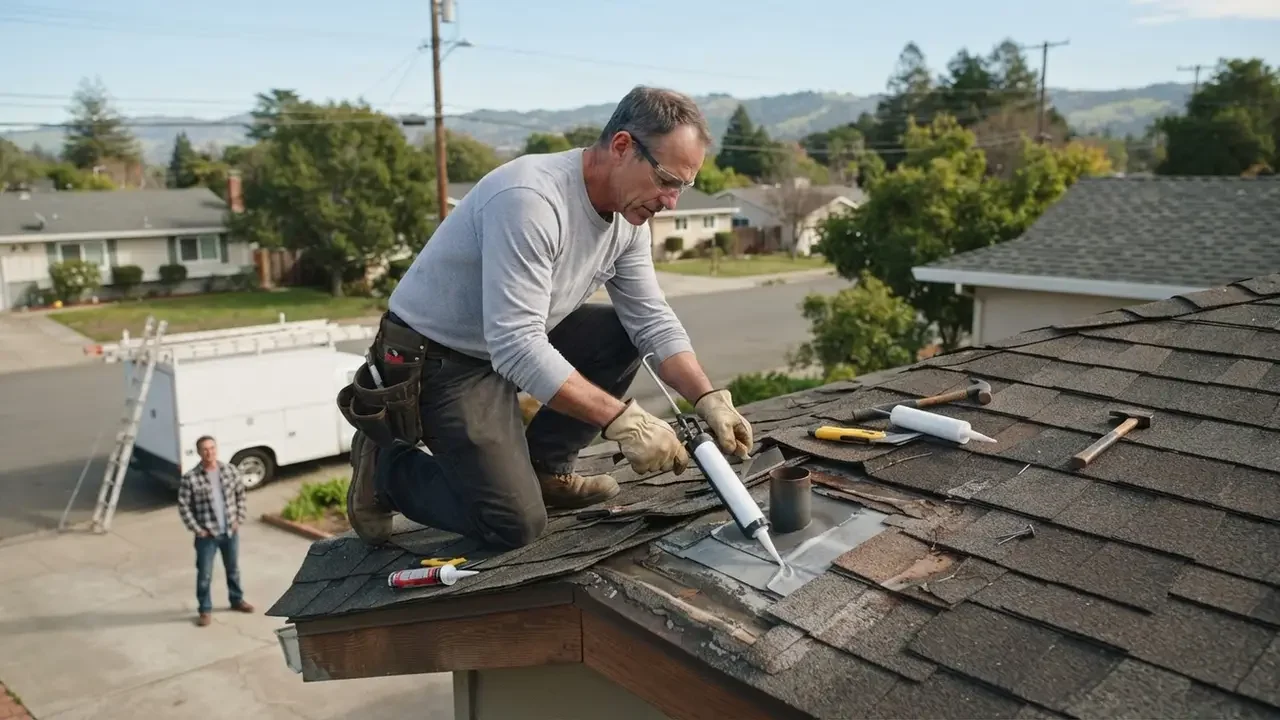
We begin with your leak history, the location of interior staining, and a visual roof review from safe access points. A moisture meter or infrared thermal camera can help map damp areas when conditions support a useful reading. The inspection usually takes 30 to 90 minutes, depending on roof size, pitch, access, and how many leak symptoms need tracing.
Our crew follows the likely water path across tile courses, valleys, penetrations, and roof edges. We look for cracked or displaced tile, damaged roof underlayment, and flashing failure rather than assuming the visible stain marks the opening. You see the affected area and hear what we found before the repair method is chosen.
We set an extension ladder on stable ground and use a safety harness and appropriate fall protection for the roof conditions. A leaf blower clears loose debris where needed without using foot traffic to crush tile. Before moving any pieces, we protect the work area and stage compatible replacement materials close to the repair.
We use a pry bar and tile-safe handling to lift neighboring pieces, then replace broken tile or correct the layer beneath it. The repair may include a small underlayment patch, fastening correction, or roof flashing work. Many localized repairs take two to five hours; widespread concealed damage requires additional work and time.
We reset surrounding tiles, check that water-shedding overlaps are aligned, and inspect the completed area for loose pieces and exposed openings. The crew removes debris and explains the work performed before leaving. If weather prevents a safe permanent repair, we focus on temporary water control and return to finish when roof conditions allow.
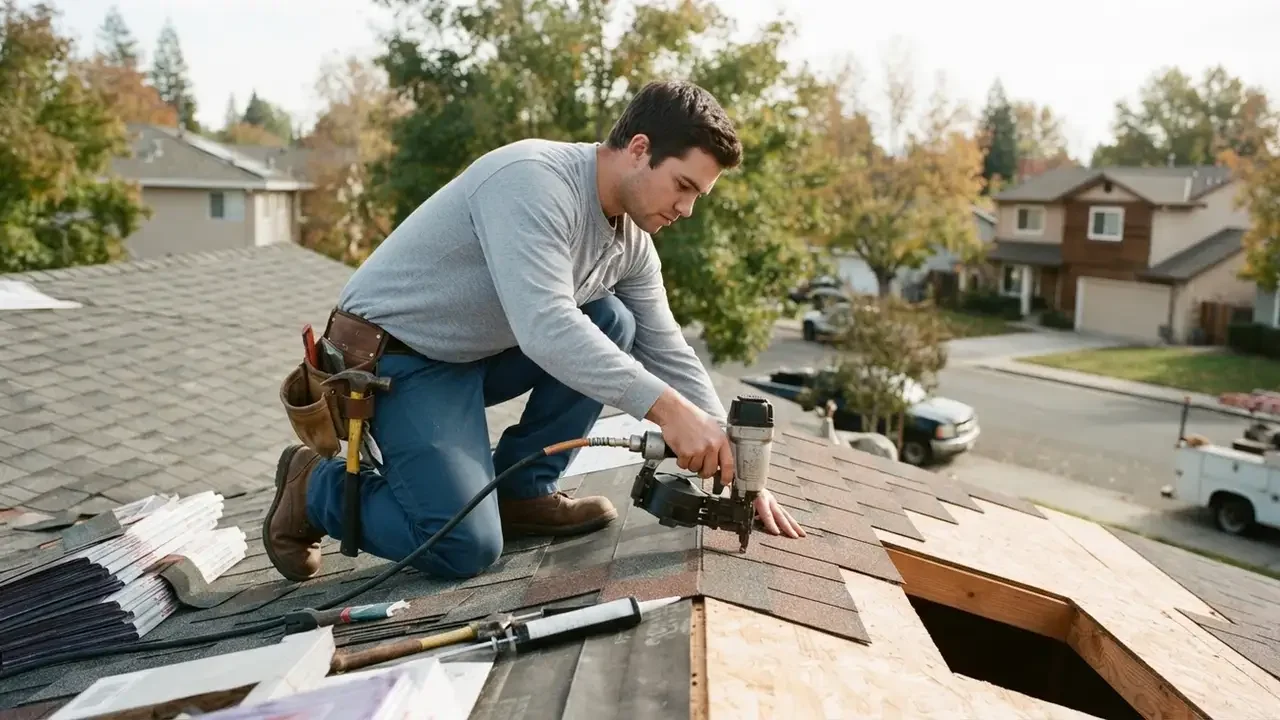
We use stable access equipment and fall protection suited to the roof height and slope. The setup helps our crew reach the repair area without treating fragile tile as a walkway.
A moisture meter checks accessible materials around a suspected leak. Comparing readings in affected and dry areas helps us judge whether water has spread beyond the visible stain.
When conditions support useful thermal readings, this camera helps identify temperature patterns that can indicate damp areas. We use it as an inspection aid, then confirm findings against visible roof conditions.
We use controlled hand tools to lift or reposition tile and work on accessible fastening points. Careful tool placement helps limit breakage while exposing the damaged roof layer beneath.
A leaf blower clears loose leaves and light debris from accessible roof areas and valleys. We use it selectively to reveal drainage paths without scraping tile with hard-edged tools.
We start at the interior symptom and inspect the roof area uphill, following valleys, penetrations, and tile courses. Because water can move sideways along the roof deck, we check more than the point directly above a stain. This narrows the repair to the actual opening.
We lift only the pieces needed to see the affected underlayment or flashing. Surrounding tile is handled and staged carefully, then returned in the correct overlap sequence. This limits disturbance and preserves reusable materials while giving access to the failed layer.
We correct the water-shedding layer as well as the visible tile when both are involved. That may mean replacing a damaged piece, repairing a localized underlayment opening, or restoring a flashing connection. We match the repair to the existing roof assembly rather than applying a universal patch.
Before cleanup, we confirm that repaired tile is seated, adjacent overlaps remain aligned, and no loose debris is left in the work area. We review the completed area with you and explain any nearby condition that merits attention later.
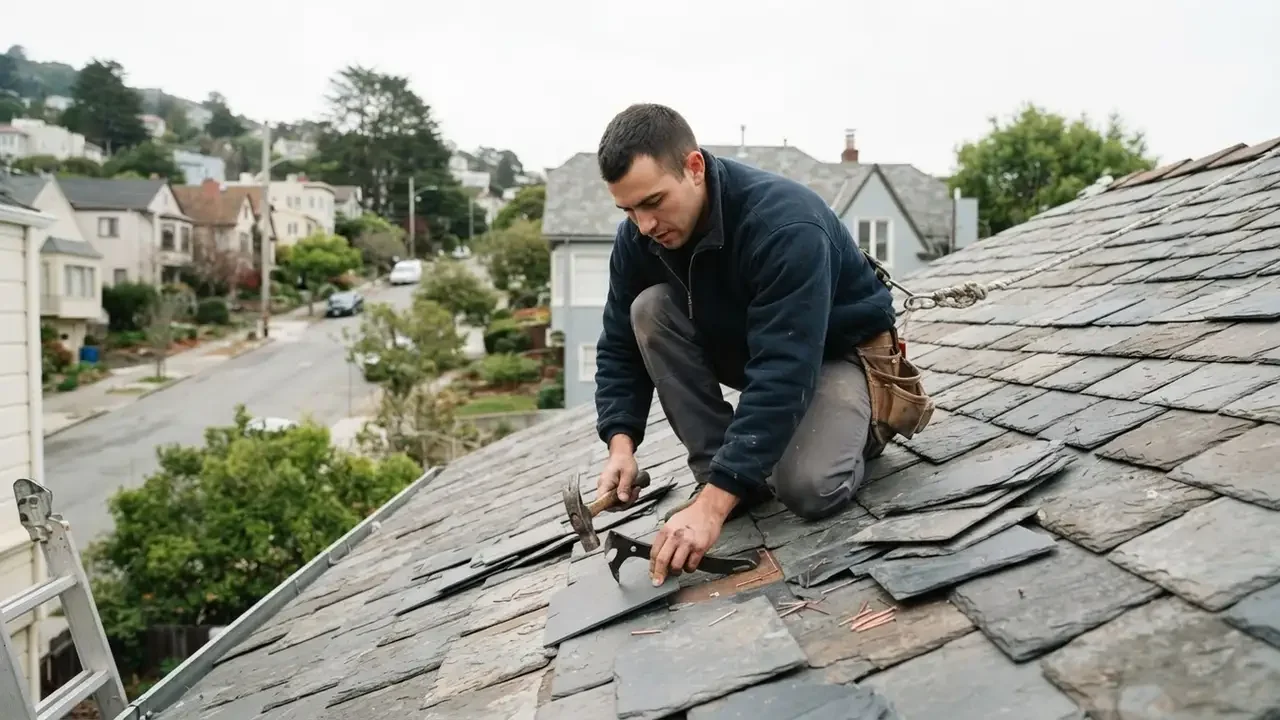
We inspect the roof slope above the stain, check tile alignment and nearby flashing, and trace the likely water route. If a localized opening is responsible, we repair the tile assembly and look for dampness around it. We also explain whether the interior area needs separate drying or finish work. The roof opening is addressed before another storm adds water, and you know whether the visible ceiling mark needs follow-up.
We assess the impact area for fractured pieces, damaged underlayment, and damage to the supporting roof surface. We remove unsafe fragments, protect any exposed area, and replace tile that can be matched. If the impact has affected a wider section, we show you the extent before recommending the repair. The exposed roof is secured and damaged pieces are replaced, reducing the chance of rain entering through the impact point.
We examine the chimney flashing, tile overlap, and roof section uphill from the interior stain. Our crew repairs the failed transition rather than repeatedly sealing the ceiling or the nearest tile. We then check adjoining components for gaps that could let water return. The repair targets the chimney connection, and you have a clear record of what was corrected and where.
We check the displaced pieces, their fastening, and the underlayment below before resetting them. A wider review identifies whether the movement is isolated or repeated along the same slope. We replace broken tile and advise on any related ridge or edge repairs found during access. Loose pieces are returned to a stable position, while early signs of a broader issue are identified before they become leaks.
Bay City tile roofs face periods of strong sun, humid air, and wind-driven rain, all of which make sound drainage and sealed transitions important. Storms can shift ridge pieces or expose a crack that had not leaked during dry weather. We check valleys, chimney connections, roof edges, and penetrations because water can travel under tile before appearing indoors. On older roofs, the tile may still be serviceable while underlayment has weakened, so we inspect both layers before recommending replacement. For tile roof repair Bay City, Texas property owners need after a storm, we first assess safe access and whether the roof is dry enough for permanent work. Slippery tile and active lightning or high winds are not safe repair conditions. We use fall protection, limit foot traffic, and protect exposed openings when immediate permanent work is unsafe. If you are searching tile roof repair cost in Bay City, Texas, access, tile matching, and the size of any underlayment repair are the main cost variables. We explain the findings and give upfront pricing before work begins.
Closely spaced homes can make ladder placement and debris control important. We plan access around the affected slope and keep broken tile contained during the repair.
Wind-driven rain can test flashing and tile transitions in exposed locations. We check the roof edges and penetrations around the reported leak, not only the tile field.
Older roof assemblies may combine tile profiles and previous repairs. We identify the existing materials first and explain matching options before replacing visible pieces.
A branch strike or shifted ridge tile can leave a small opening after a storm. We inspect the impact area and nearby courses for damage that is not obvious from the ground.
Rain pushed beneath a displaced tile can travel along the underlayment or roof deck. We inspect uphill from interior stains and check the junctions where roof planes or materials meet.
Repeated heat and moisture can age underlayment and sealant at vulnerable details. A tile surface that looks sound may cover a weakened layer, so we inspect beneath the covering when leak signs point there.
A branch may break tile and damage the layer below without creating a large visible opening. We check the full impact area and secure exposed sections to keep water out.
A homeowner reported a ceiling stain that grew after each hard rain. Several tiles looked intact from the ground, but debris had collected near the valley and water was reaching the underlayment. The visible stain sat below and to one side of the roof opening, making a surface-only repair likely to miss the cause.
We cleared the affected valley, replaced two damaged tiles, and repaired a localized underlayment opening. The work took about four hours, including access and cleanup. The roof was left with a clear drainage path and aligned tile at the repair, and the homeowner received an explanation of the concealed damage found beneath the surface.
Maintenance: Keep valleys clear of loose leaves and arrange a visual check after severe weather. Watch the ceiling through the next rainfall and report any fresh discoloration promptly; a new stain can indicate a separate opening or a wider underlayment issue.
A falling branch left three cracked concrete tiles and fragments beside the home. One piece had shifted enough to expose the roof layer below. The owner needed the opening secured before more rain, but the surrounding tile was still in usable condition and did not warrant a full replacement.
We removed the fragments, checked the exposed area, and installed three compatible replacement tiles. The repair took roughly three hours, with no damage found in the surrounding underlayment. The remaining tile courses were reset and checked for movement, leaving the roof surface covered without disturbing the sound sections.
Maintenance: After tree work or strong winds, look from the ground for new fragments or a changed roof line. Do not climb onto the tile. Arrange an inspection if you see a gap, debris impact, or water stain.
Water appeared on an upstairs wall near a chimney, while the tile around it seemed undamaged. A prior surface seal had not stopped the leak because the opening was at the flashing transition. Dampness was visible around the interior trim after repeated rain.
We inspected the chimney perimeter, corrected the failed flashing connection, and reset two adjacent tiles. The work took about five hours because the repair required careful access around the chimney. The owner could see the completed junction and understood why the leak had appeared away from the roof entry point.
Maintenance: Check the interior wall and ceiling near the chimney after heavy rain. Keep nearby roof drainage clear and schedule a roof inspection if sealant separates, flashing lifts, or a new stain appears.
Tile can remain in place while water slips beneath it, so a leak deserves more than a quick surface patch. We inspect the visible covering and the water-shedding layers around it. These are common Bay City problems we address with targeted tile-system repairs.
Water can soak the underlayment and roof decking, then stain ceilings or damage insulation. Repeated wetting makes the affected area harder to dry and may spread damage beyond the original crack. We locate the fractured piece, lift neighboring tile carefully, and inspect the layer beneath it. If the underlayment is sound, we replace the tile and reset the course. If a localized opening is present, we repair that connection before returning the tiles to position.
Valleys collect runoff from adjoining slopes, so a small opening can send water along the roof deck before it reaches an interior ceiling. Delayed diagnosis can affect a wider area. We inspect the valley channel, adjacent tile edges, and exposed underlayment for blockage or failure. Our repair restores a clear water route and replaces damaged components in the affected section. We also explain whether nearby wear suggests monitoring or a larger repair.
A gap at the chimney can admit wind-driven rain even when the surrounding tile looks intact. Water may travel along framing and create stains or soft interior finishes. We check the flashing, tile interface, and uphill water path around the chimney. We correct the failed transition and reset or replace affected pieces. Afterward, we verify that the roof sheds water around the penetration rather than toward the opening.
A loose ridge piece can expose the roof edge and allow rain beneath adjoining courses. Unsecured tile also risks falling and causing damage below. We inspect the ridge length for movement, broken pieces, and failed attachment points. We secure or replace affected tile using a method suitable for the existing assembly, then check adjacent sections for similar movement so the repair does not stop at the first loose piece.

Our Bay City crew approaches tile as a complete roof assembly, not a decorative surface. We inspect the tile, fastening, underlayment, valleys, and penetrations together, then choose a repair that fits the damage. Roof systems vary, so we identify whether the covering is clay or concrete and match replacement pieces as closely as practical. We work with fall-protection practices and explain when a localized repair is suitable versus when age or widespread moisture points toward a larger project. You get a clear description of the findings and the work completed.
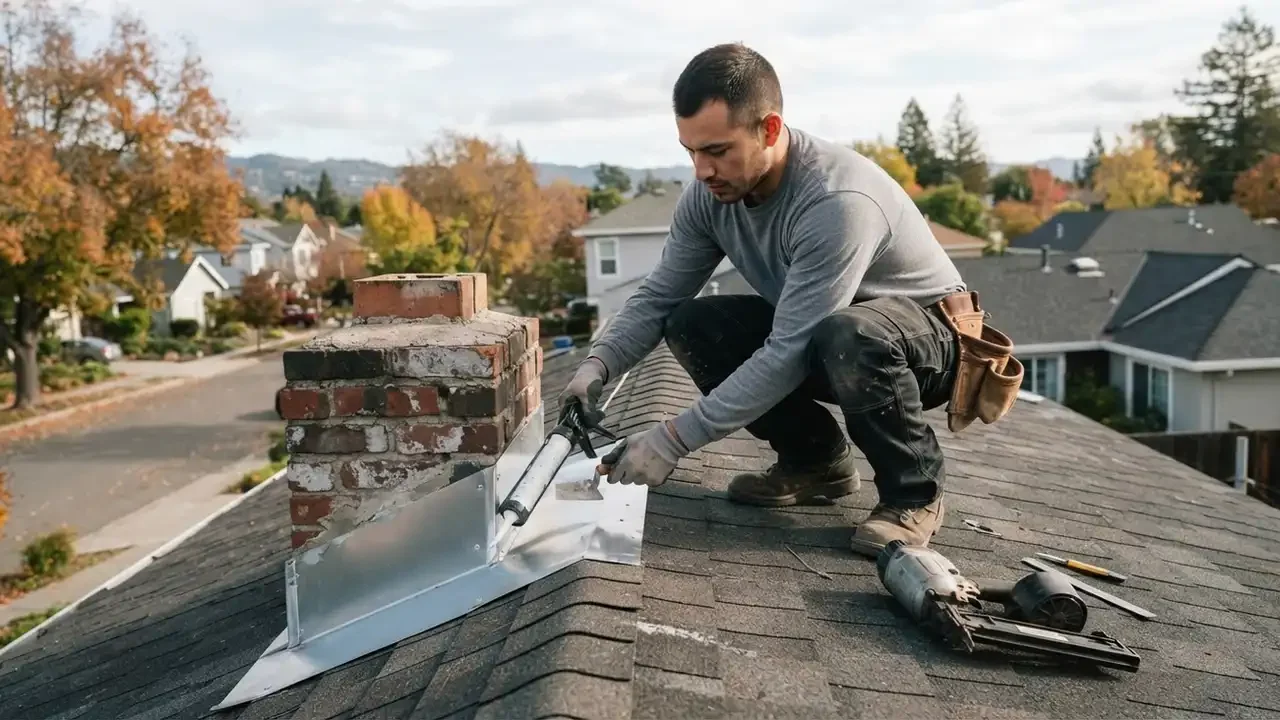
We noticed a brown mark near the hallway after hard rain and thought the tile above it had simply cracked. The crew checked the valley, found a shifted piece and damp underlayment, and repaired both. They showed me the damaged area before closing it and cleared the broken tile from the yard. The ceiling stayed dry through the next rainfall.
Two concrete tiles had broken near the edge after a branch came down. The team protected the surrounding courses, replaced the damaged pieces, and checked the gutter line while they were there. The repair took part of the morning, and I appreciated getting a clear explanation of what was fixed instead of a recommendation to replace the whole roof.
Water was showing near our chimney even though the tiles looked mostly fine from the ground. The crew traced it to the flashing and a nearby tile connection, then corrected the opening. They explained why the stain was not directly below the leak and cleaned up the old sealant and debris before leaving.
A localized tile repair often costs $250 to $1,200 in 2026, depending on access, tile availability, and concealed damage. Replacing several pieces on an easy-to-reach slope costs less than opening a valley to repair wet underlayment. We inspect the affected area and give upfront pricing before work starts. If you are comparing tile roof repair cost in Bay City, Texas, ask whether the price includes resetting surrounding tile and checking the leak source.
Clay or concrete tiles can last about 50 to 100 years, while underlayment often needs attention much sooner, commonly around 20 to 30 years. Actual life depends on installation, maintenance, weather exposure, and the condition of the supporting roof assembly. We check both the tile and the layers beneath it, because a roof can have intact tile but a leaking or deteriorated underlayment.
Yes, trained roofers can access tile roofs, but stepping on unsupported tile can crack it; foot placement and equipment matter. We use safe access planning, fall protection, and careful movement across suitable load-bearing areas. Homeowners should avoid walking on tile to inspect a leak. A ground-level photo or interior description is safer and gives our crew a starting point.
A tile roof often leaks because water passes a broken or shifted tile, failed underlayment, open valley, or damaged flashing. The interior stain may appear downhill from the entry point, so its location alone does not identify the defect. We trace the water path, inspect nearby transitions, and check for damp roof layers. Prompt tile roof leak repair in Downtown Bay City TX can limit damage to ceilings and framing.
Not seeing your question? Our local team can help you understand urgency, scheduling and what to expect.
Ask the local team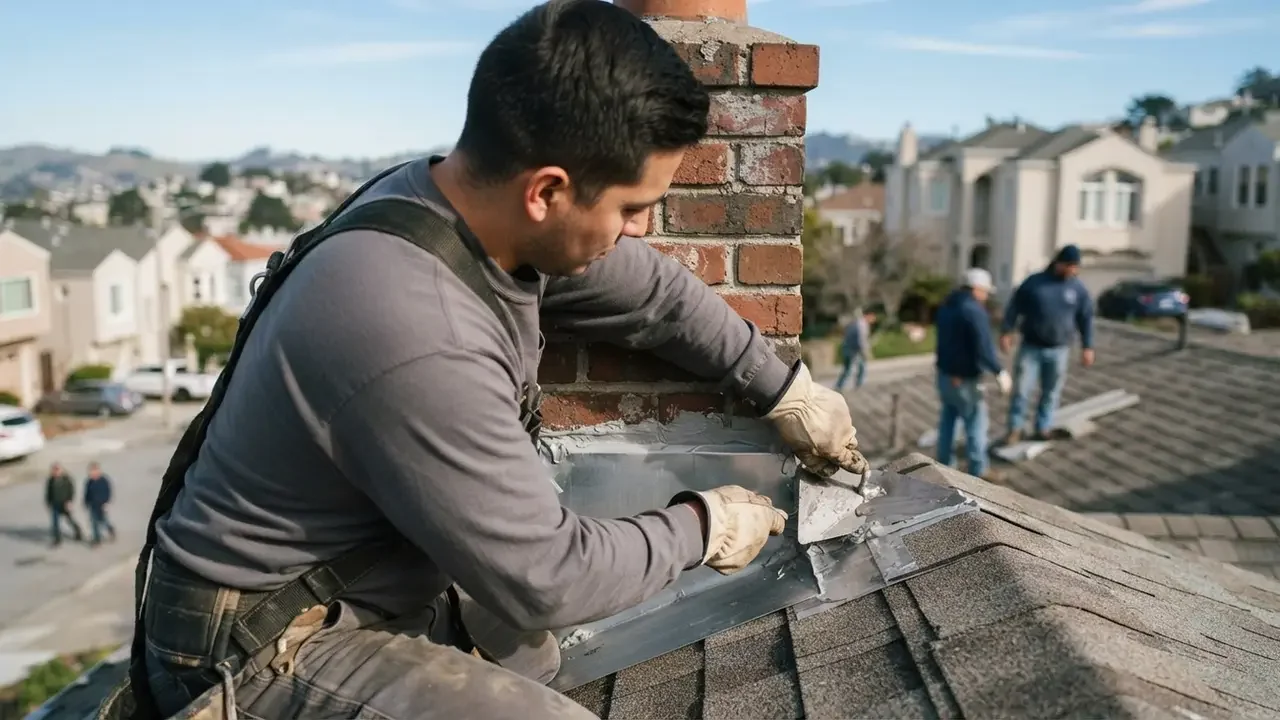
Our Roof Repair service addresses damage beyond individual tile, including deteriorated edges or more extensive roof assembly issues. We inspect the full affected area and separate tile-specific repairs from work needed on adjoining roofing components. Bay City homeowners get a repair plan based on the roof's actual condition.
View serviceWhen tile, underlayment, or decking damage is widespread, Roof Replacement may be more practical than repeated patching. We assess the roof's age and condition, then discuss replacement scope and material choices. This helps Bay City property owners compare a durable repair with a full-system solution.
View service
Roof Leak Repair focuses on tracing water from an interior stain back to the opening in the roof system. We inspect tile, valleys, and flashing, then correct the failure and check surrounding materials. It pairs closely with Tile Roof Repair when water has traveled beneath the tile covering.
View service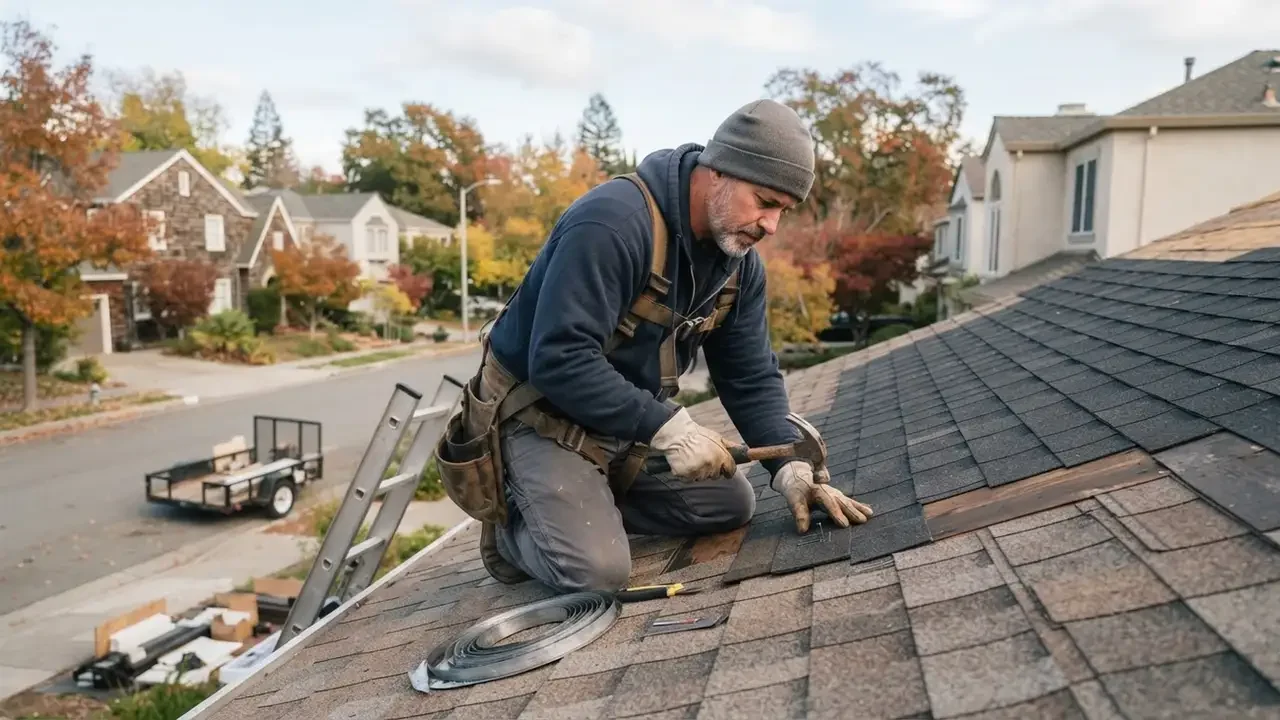
Emergency Roof Repair helps limit water entry after a storm breaks tile or exposes underlayment. We address the immediate opening and use temporary protection when weather makes permanent work unsafe. Once conditions allow, we complete the tile repair and check for related damage.
View service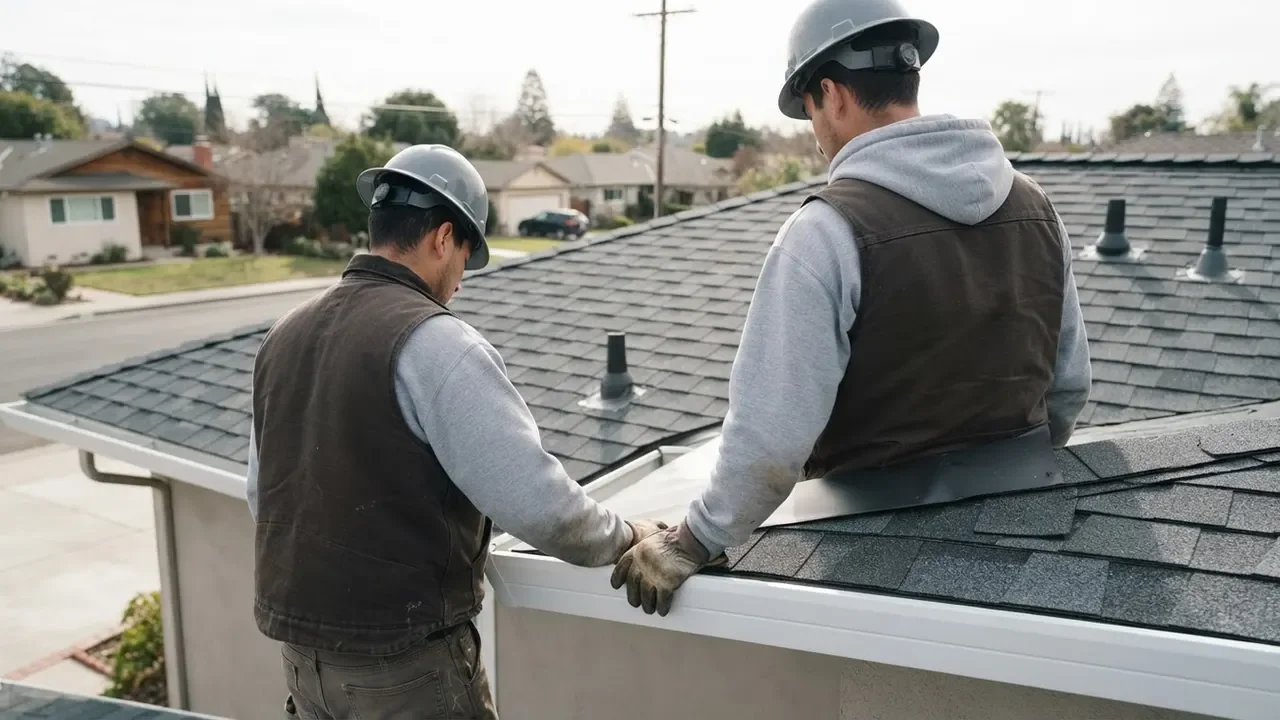
Call (877) 791-3217 to discuss a roof leak, storm damage, inspection, or replacement in Bay City. We connect you with independent roofing companies and help you get the conversation started. Calls are accepted around the clock for urgent roofing needs; tell us whether water is actively entering and where you see the damage.