Focused Arrival Windows
Useful updates and clear arrival timing.
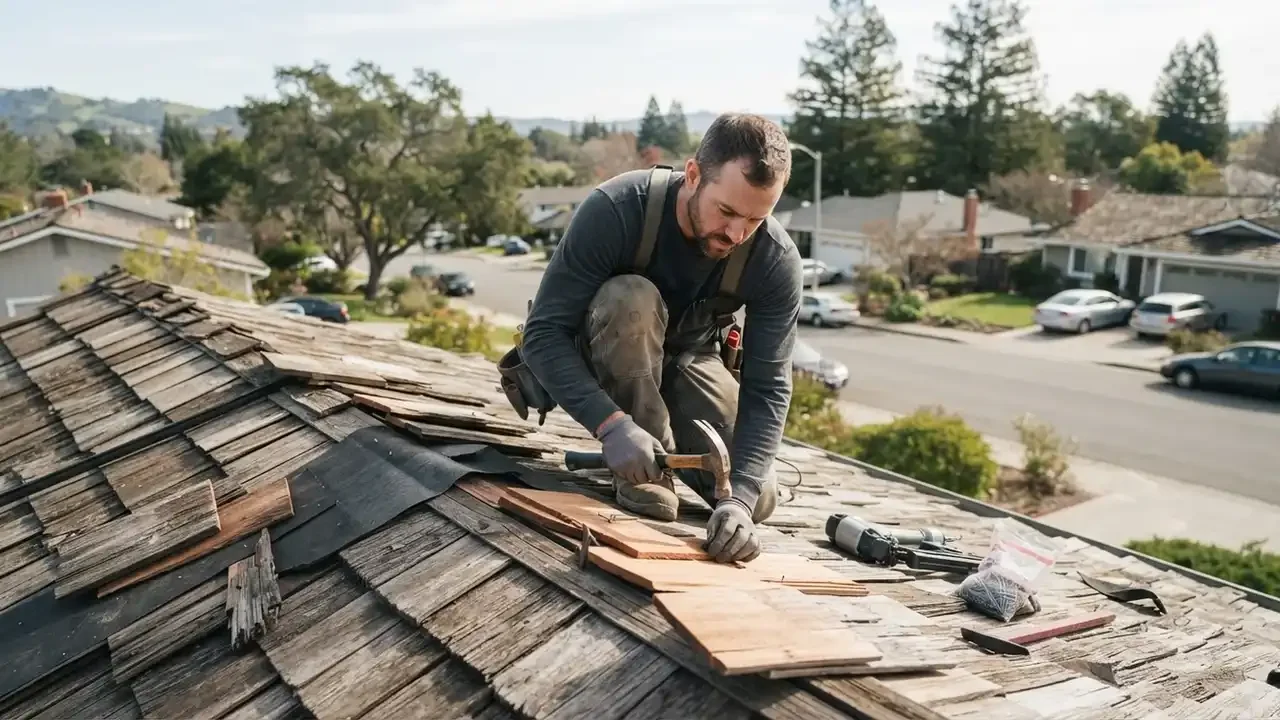
TPO roofing in Bay City, Texas gives homeowners and commercial property owners a practical way to protect low-slope roofs from leaks, standing water, and intense sun. We install, repair, and replace thermoplastic polyolefin membrane, sealing seams with heat rather than relying on exposed adhesive alone. If your flat roof is blistering, leaking around equipment, or nearing the end of its service life, we inspect the assembly and explain the repair path clearly.
Useful updates and clear arrival timing.
Review the approach and price before deciding.
Equipped vehicles and respectful cleanup.
Neighbors serving neighbors with follow-through.
Our TPO service covers roof assessment, preparation, membrane repair or installation, and attention to seams, edges, drains, and penetrations. We identify damaged or moisture-affected material before installing over it and explain the work your roof needs. Optional work such as replacing extensive decking, correcting major drainage problems, or modifying rooftop equipment is handled as a distinct part of the roof plan, with pricing explained upfront.
We inspect visible TPO sheets, seams, perimeter terminations, and penetrations for openings, wear, or impact damage. We also check the drainage path and look for interior signs of leakage. This gives you a roof-specific basis for choosing repair, maintenance, or replacement.
We clear debris and prepare the work area so patches and new membrane bond or weld as intended. Where damaged or wet material is present, we identify the affected section before covering the roof. A sound substrate is essential for a durable installation.
We repair or form membrane seams and address transitions at drains, edges, curbs, and roof penetrations. These details are checked as carefully as the open roof field because many leaks begin at a change in material or direction. We finish with a visual inspection of the completed work.
We confirm that the roof's drainage outlets are clear of work debris and that water has a path off the membrane. After installation or repair, we remove offcuts and review the completed area with you. You leave knowing which roof sections were corrected and what routine checks matter.
Share what is happening and receive a clear next step from the local team.
TPO roofing in Bay City, Texas is a single-ply roofing system that covers low-slope roofs with a durable, heat-welded membrane to keep water out. We inspect the deck and existing layers, correct damaged or wet sections, then secure the membrane using the system suited to the roof. Seams are fused with controlled hot air, and details at edges, drains, penetrations, and roof flashing receive focused attention. A white TPO surface reflects sunlight, while the flexible sheet accommodates normal building movement. Correct drainage remains essential; membrane alone cannot fix a poorly pitched roof.
Bay City properties face strong sun, heavy rain, humid air, and wind-driven weather that expose weak seams and clogged drains. We look for ponding water on flat roof areas, punctures, loose termination edges, and moisture beneath the surface before recommending a repair or replacement. TPO membrane roofing Bay City TX is often selected for shops, additions, and other low-slope structures where a continuous waterproof layer is needed. If you are searching for TPO roofing near me in Bay City, Texas, we can assess the roof and identify whether a localized repair will hold or a new system makes better sense.
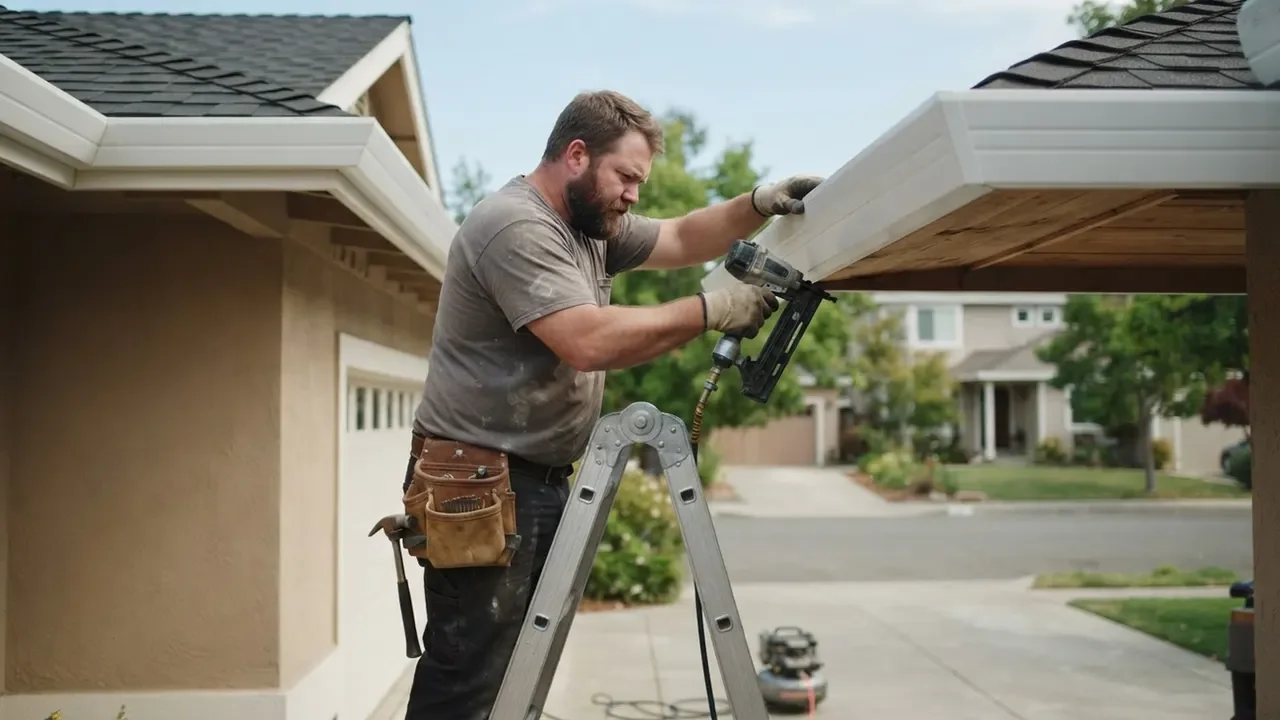
We examine the membrane, roof edges, drains, penetrations, and interior signs of leakage. A moisture meter helps identify damp materials, while an infrared thermal camera can help locate temperature patterns that warrant closer inspection. We also check whether ponding follows a blocked drain or a low area in the roof deck. You receive a clear explanation of the observed condition and next step.
Before repair or installation, we clear loose debris and protect access points. A leaf blower removes dry surface debris, and we use a utility knife to cut damaged membrane cleanly where removal is required. If wet insulation or weakened decking is found, we address that area before covering it. Preparation prevents trapped moisture from undermining the new work.
We remove unsound material, check the exposed deck, and replace or secure sections that cannot support the roof assembly. The crew confirms that the surface is clean and suitable for the selected attachment method. At this stage, we also plan transitions around drains, curbs, and edges so water has a reliable route off the roof rather than collecting at a weak detail.
We position the TPO membrane, fasten or adhere it according to the roof design, and heat-weld seams using controlled equipment. For a localized repair, we clean the surrounding sheet and install a compatible patch with adequate overlap. We form details around penetrations and roof flashing carefully; workmanship at these transitions often determines whether a flat roof stays watertight.
We inspect seams and detail work, check the repaired or installed membrane for visible defects, and confirm that drains and water paths are clear. The crew removes offcuts and tools, then walks you through the finished areas and maintenance points. You know what was corrected and what to watch during the next seasonal roof check.
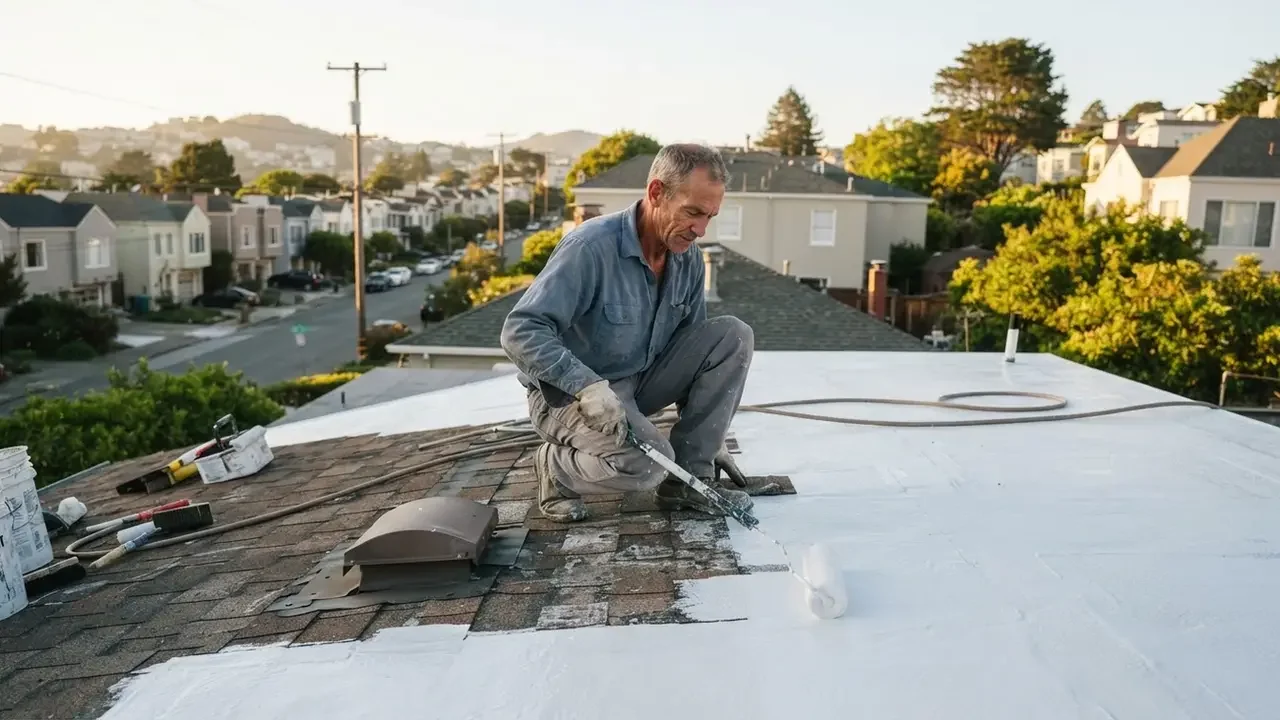
We use thermal patterns as an inspection aid to identify areas that need closer moisture investigation. Findings are checked against roof conditions rather than treated as a diagnosis on their own.
This tool helps assess suspected damp insulation or substrate during an inspection. Readings guide where we look more closely before deciding whether material can remain beneath a repair.
We use a sharp utility knife to make controlled cuts when removing damaged membrane or trimming a patch. Clean edges help prepare the repair area without unnecessary disturbance.
A hot-air welder fuses compatible TPO membrane seams and patches. We control the heat and speed, check sample welds, and inspect completed joints for continuity.
A leaf blower clears loose, dry debris from the roof before inspection or repair. A clean surface helps reveal punctures, seam openings, and drainage obstructions.
We align adjoining TPO sheets, prepare the contact area, and fuse the lap using controlled hot air. The crew checks weld quality and pays particular attention to corners, changes in direction, and transitions. A properly formed seam becomes part of the membrane system rather than a surface cover placed over a gap.
Before installing over an existing assembly, we inspect for moisture and remove material that cannot support the new roof. We use visible conditions and meter readings to guide the check, then confirm the deck is suitable for the planned work. This prevents a new membrane from hiding a continuing problem.
We inspect drain openings, roof edges, curbs, and penetrations as part of the roof plan. Membrane details must connect cleanly and allow water to move toward outlets. After repair or installation, we check that debris has not blocked the drainage route and that completed transitions are visually sound.
We inspect the membrane around each curb, check seam welds, and trace the water path toward the nearest drain. Our crew repairs damaged transitions and checks the surrounding sheet for punctures or loose edges. If moisture has reached the insulation, we identify the affected area before closing the roof. The repair targets the actual entry points, protects the equipment transitions, and gives the property manager a clear list of remaining maintenance needs.
We assess the existing roof layers, substrate condition, and drainage before recommending repair or a new TPO system. If replacement is appropriate, we remove unsound material, prepare the deck, and install the membrane with carefully detailed edges and penetrations. We also check the connection to the adjoining roof. The addition receives a continuous waterproof surface, and the owner understands how drainage and seasonal inspections support the new roof.
We inspect the puncture and nearby sheet for foot-traffic damage, moisture, and seam separation. If the substrate is dry and the membrane is sound, we prepare the surface and fit a compatible patch. We then check the route workers use so future access avoids vulnerable roof details. A focused repair restores the damaged area without replacing sound membrane, and a safer access plan helps reduce repeat punctures.
Bay City roofs face heat, humidity, heavy rain, and gusty weather that test membrane seams and edge details. We inspect drainage first because clogged outlets and low areas can leave water standing against a seam. For TPO membrane roofing Bay City TX buildings, the installation plan also accounts for roof access, rooftop equipment, and how the membrane meets walls or adjoining pitched sections. In Downtown Bay City and Bay City Center, occupied commercial properties often need a sequence that keeps entrances and service routes usable. Waterfront District and Harbor District roofs call for careful attention to wind-exposed edges and secure terminations. If you need TPO roof replacement Bay City, Texas, we check for wet insulation and weak decking before installing new material. We also confirm the roof's drainage layout and detail each curb, drain, and penetration. When a leak is active, our first task is to identify the entry point and limit further water intrusion; the permanent repair follows once the roof surface is safe to work. We explain the condition we find and the next practical step without confusing a patch with a full replacement.
Commercial roofs with rooftop equipment and frequent service access need carefully maintained paths and sound membrane details around curbs.
Busy properties benefit from an installation sequence that keeps building access organized while crews work on the low-slope roof.
Wind exposure makes secure perimeter terminations and careful checks of roof edges important after severe weather.
We pay close attention to drains and membrane transitions where persistent moisture can reveal a weak seam or flashing detail.
Blocked outlets can leave water standing around seams and penetrations. We check drainage alongside membrane condition so the repair addresses both the opening and the route water should take off the roof.
Heat and weather exposure place ongoing stress on seams, sealants, and edge transitions. We inspect those locations for separation or deterioration and choose repair materials compatible with the existing membrane.
Loose edge details can lift or admit water during severe conditions. We inspect termination points and adjacent flashing, then secure or repair the affected transition as part of the membrane work.
A commercial roof had a recurring ceiling leak below an HVAC curb. Surface sealant had been added more than once, but water returned during heavy rain. Inspection found a weak membrane transition and damp insulation around the curb, while the open roof field remained mostly serviceable.
We removed the compromised section, addressed the damp material, and rebuilt the curb transition with compatible TPO detailing. The repaired area covered roughly 80 square feet, and the crew checked adjacent seams and the nearest drain before cleanup. The property manager received a clear walkthrough of the corrected detail.
Maintenance: Check curb transitions after severe weather and keep a record of any interior stains. Schedule roof maintenance twice a year, clear debris from drains, and avoid placing tools directly on membrane seams during equipment service.
A small puncture near a service route allowed water to reach the insulation. The stain inside appeared several feet from the damaged spot, and the roof owner could not locate the entry point by looking from the ground. The surrounding TPO sheet showed no widespread seam failure.
We traced the moisture, replaced the affected small section, and heat-welded a compatible patch over sound membrane. The repair area was about 2 by 3 feet. We also identified a safer walkway route to reduce foot traffic over the repaired section and checked the nearby drain outlet.
Maintenance: Keep service access on a defined route and inspect the patch during routine roof checks. Remove loose debris without dragging equipment across the membrane, and report any new ceiling staining promptly so water does not spread.
A residential addition had brittle, repeatedly repaired roofing with water collecting near one edge. Interior paint had begun to discolor after rain, and the deck had not been inspected beneath the old covering. Several layers made it difficult to see the original condition.
We removed failed roof materials, checked the exposed deck, and installed a new white TPO membrane with detailed perimeter and drain transitions. The finished area was approximately 600 square feet. Water now has a clear route to the outlet, and the owner received a walkthrough of the seams and edges.
Maintenance: Inspect the membrane twice each year and after severe weather. Keep the drain clear, watch for punctures after service visits, and note any water that remains on the surface after rainfall so drainage concerns can be addressed early.
TPO roofs often fail first at seams, penetrations, or drainage details rather than across the entire membrane. We find the entry point and check how far moisture has moved before choosing a repair. That protects your interior and avoids spending money on a patch that misses the actual defect.
Water can travel through roof layers before staining a ceiling, damaging insulation and finishes while the original leak remains open. We inspect the roof area above and around the interior stain, checking seams, drains, wall transitions, and penetrations. Moisture readings help identify affected materials. Once we locate the likely entry point, we repair the membrane detail and explain whether any wet insulation or deck section needs correction.
Standing water keeps seams and details wet for longer, encourages debris buildup, and increases the chance that a weak point will leak. We clear the drainage path and inspect the drain assembly and surrounding membrane for separation or damage. If the roof surface has a persistent low area, we explain the corrective options rather than treating the symptom with sealant. The repair plan prioritizes moving water off the roof.
Moisture can spread beneath the sheet, loosen the roof assembly, and create stains or deterioration inside the building. We identify the membrane type, clean and prepare the damaged area, and install a compatible patch or restore the seam with a suitable heat-weld technique. We check the surrounding sheet for additional damage and inspect the nearest drain and edge details before finishing.
Sealant over dirt, movement, or a failed seam can separate again, leaving the underlying opening active and delaying a lasting repair. We remove or work around unsuitable surface material as needed, expose the true defect, and prepare sound membrane for repair. We address the failed detail rather than adding another layer over it, then inspect nearby transitions that may have contributed to the repeated leak.
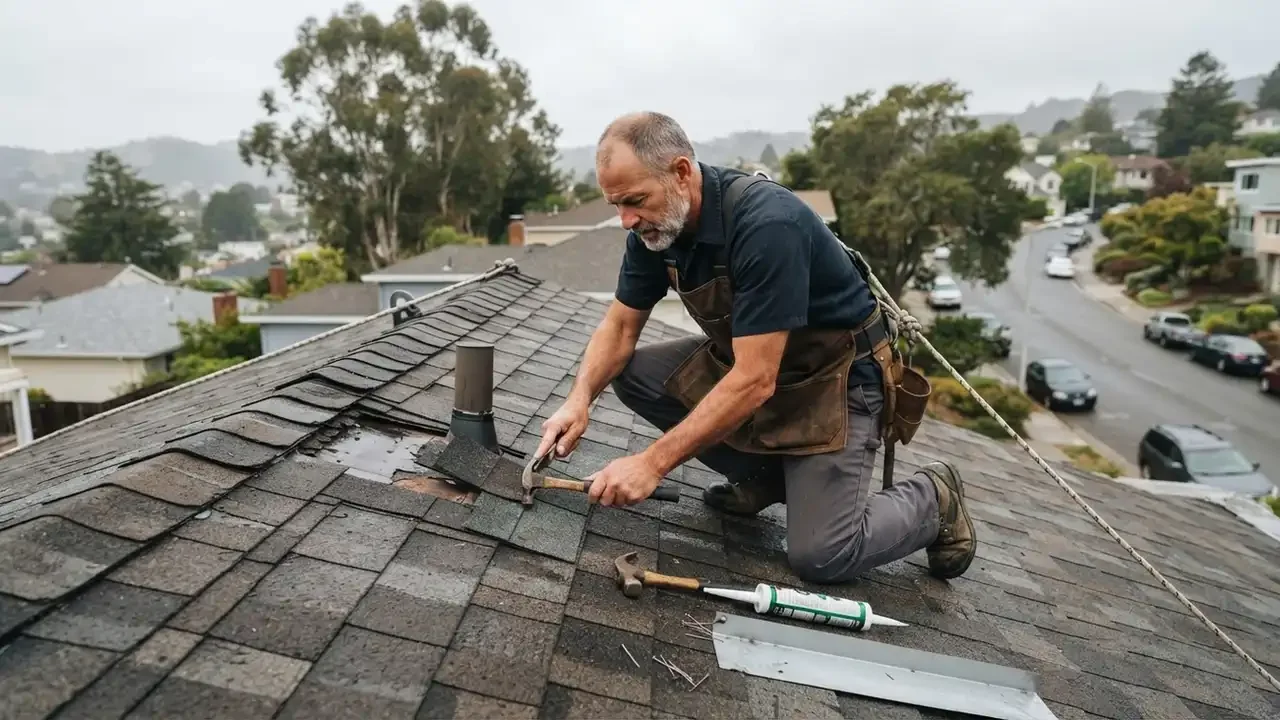
Our roof work is grounded in local experience with flat-roof leaks, membrane details, and the practical demands of occupied buildings. We identify the source of water entry before recommending a patch or replacement, because the visible stain inside is not always directly below the roof defect. Our team uses manufacturer installation guidance and established roofing practices to plan seams, edges, and penetrations. We do not claim a certification we have not established; instead, we explain the materials being used and show you the areas that need attention. You get workmanship focused on the roof assembly, not just the visible leak.
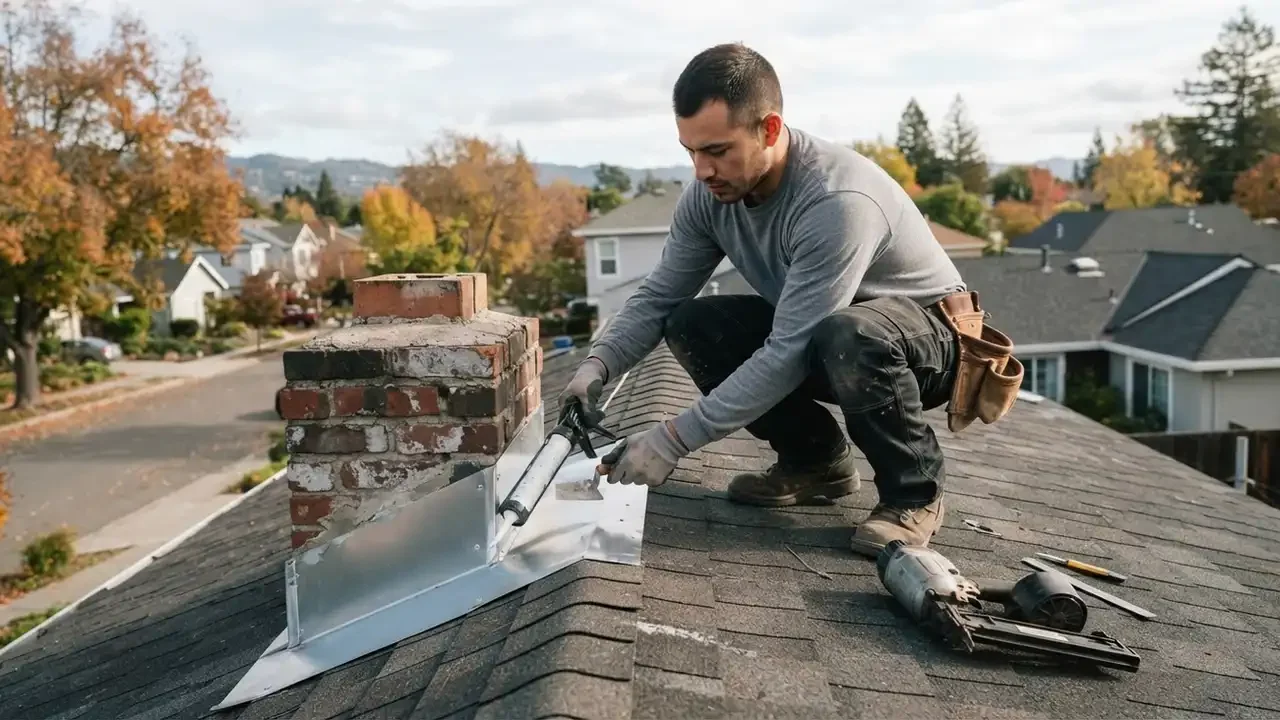
Water kept showing up on the ceiling beside our flat-roof addition after heavy rain. The crew checked the drain and found an open membrane seam several feet away. They repaired the seam, cleared the outlet, and showed me the finished weld. We have had no repeat leak through the next rain.
Our shop roof had several soft spots and water collecting near an equipment curb. The team checked the membrane and explained why a patch alone would not address the damp insulation. They replaced the affected section, detailed the curb, and left the loading area clean. The roof drains properly now.
We needed a replacement for an aging low-slope roof without losing a full week of operations. The crew planned the work around access, removed the failed material, and installed white TPO with clean seams around the rooftop units. They walked us through the completed areas and the drain checks before wrapping up.
A TPO repair often costs $350 to $1,500, while a full installation commonly falls between $6 and $12 per square foot in 2026. Final pricing depends on roof size, tear-off, insulation, deck repairs, access, and detail complexity. We inspect the roof first and provide upfront pricing for the work. A small seam repair is not priced like a full replacement, and hidden wet materials can change the required scope.
A properly installed TPO roof commonly lasts about 15 to 25 years, depending on membrane quality, installation, drainage, and maintenance. Strong sun, standing water, foot traffic, and neglected seams can shorten that range. We recommend checking drains and visible details at least twice a year and after severe weather. If your roof is older or showing recurring seam failures, an inspection can help you plan repair or replacement before leaks spread.
Yes, TPO is a common choice for low-slope and flat roofs because its continuous membrane and heat-welded seams create a water-resistant surface. A white sheet also reflects sunlight, though insulation and the full roof assembly affect energy performance. TPO still needs proper drainage; persistent ponding can stress seams and details. We check slope, drains, penetrations, and deck condition before recommending it for your building.
Yes, punctures, open seams, and localized membrane damage can often be repaired when the surrounding sheet and substrate remain sound. We locate the entry point, clean and prepare the membrane, then fit a compatible patch or re-weld the seam as appropriate. If moisture has spread beneath the roof or the membrane is broadly deteriorated, a patch may not solve the underlying problem. We explain the difference after inspection.
Not seeing your question? Our local team can help you understand urgency, scheduling and what to expect.
Ask the local teamA roof leak, damaged edge, or loose detail needs a repair matched to the roof material. We trace the source, correct the affected area, and check nearby transitions so water does not simply enter at the next weak point. This service complements TPO work when only part of your roof needs attention.
View service
When a membrane is worn across broad areas or moisture has compromised the roof assembly, replacement can be more dependable than repeated patches. We inspect the existing layers, explain preparation needs, and install a system suited to the building. For TPO roofs, the condition of the deck and drainage shapes the replacement plan.
View service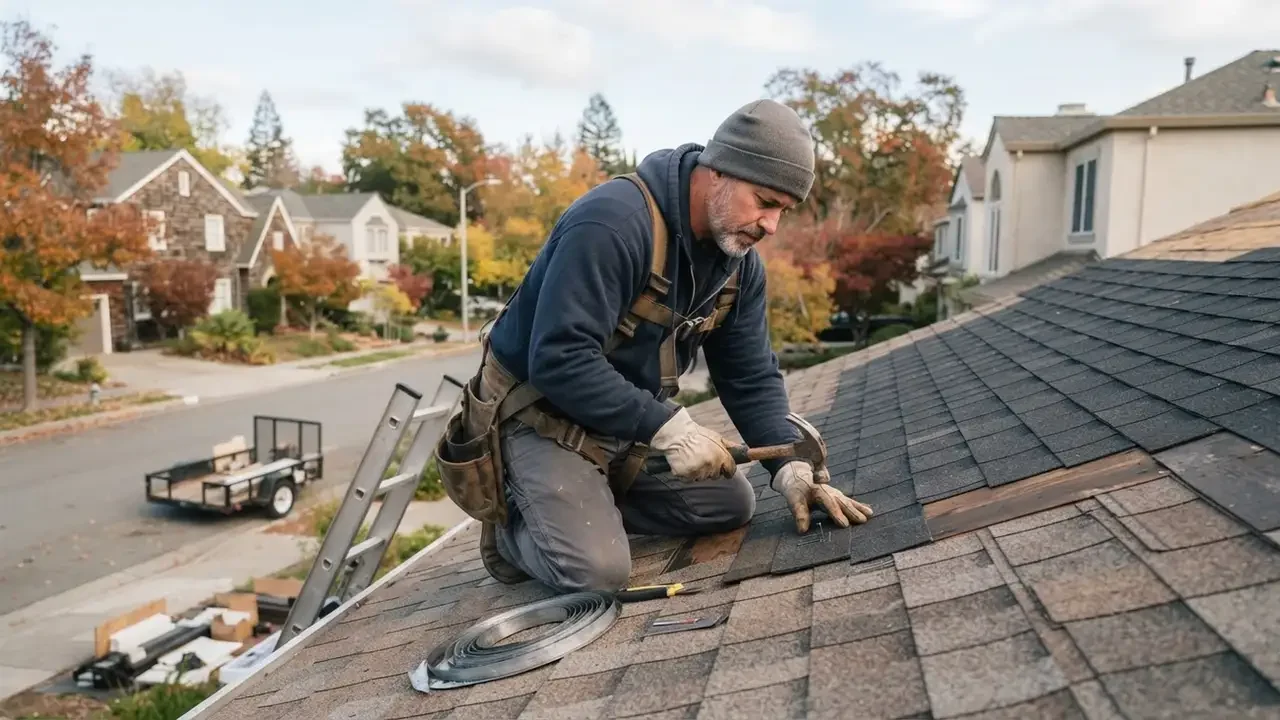
A ceiling stain can originate at a seam, drain, curb, or roof edge some distance away. We trace water entry on your TPO roof, repair the damaged detail, and check surrounding membrane for related defects. Prompt leak repair limits damage to insulation, ceiling finishes, and the roof deck.
View service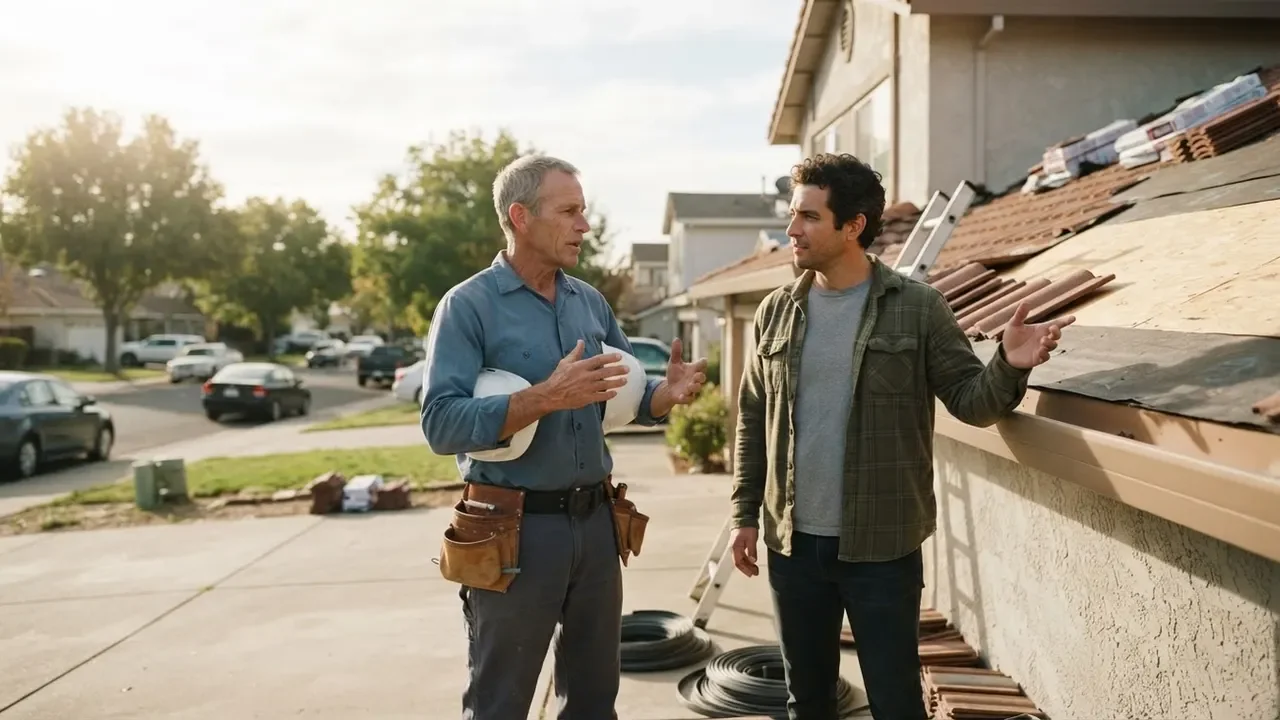
Active water entry after severe weather needs immediate attention to limit interior damage. We assess the safest way to control the leak, protect vulnerable areas, and plan a durable TPO repair once conditions allow. Tell us where water is entering and whether the roof is accessible when you call.
View service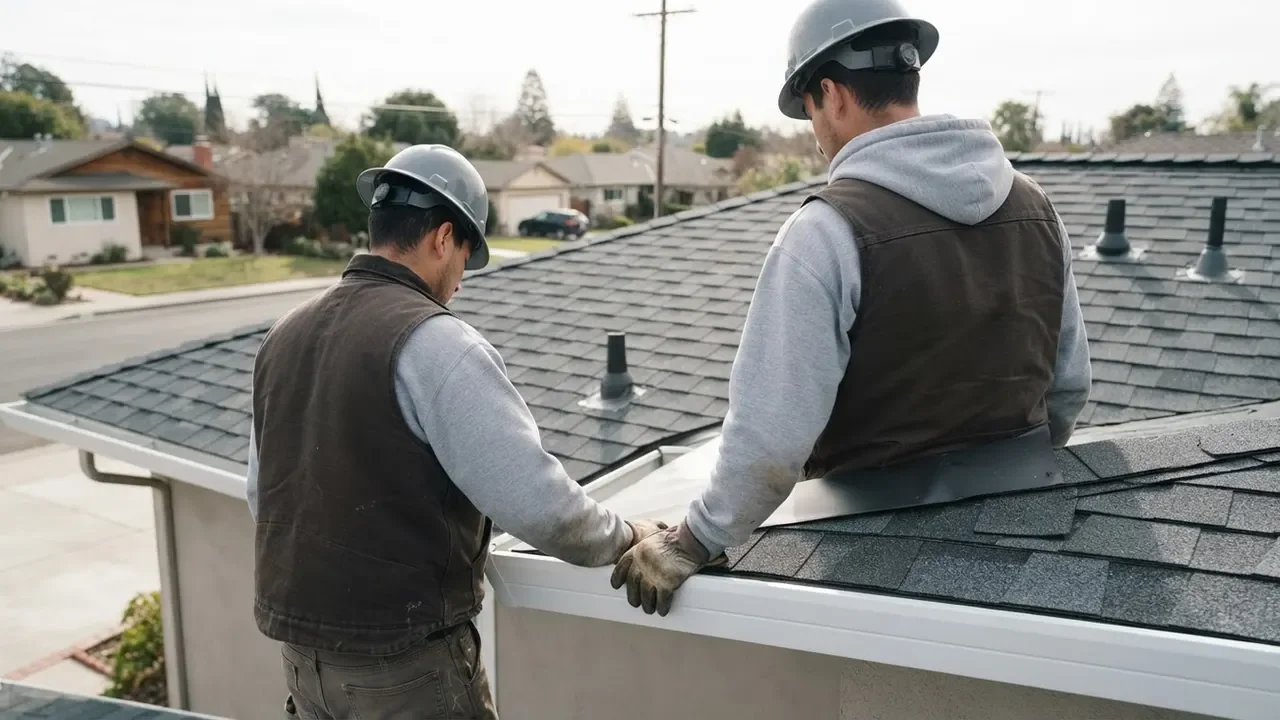
Call (877) 791-3217 to discuss a roof leak, storm damage, inspection, or replacement in Bay City. We connect you with independent roofing companies and help you get the conversation started. Calls are accepted around the clock for urgent roofing needs; tell us whether water is actively entering and where you see the damage.