Focused Arrival Windows
Useful updates and clear arrival timing.
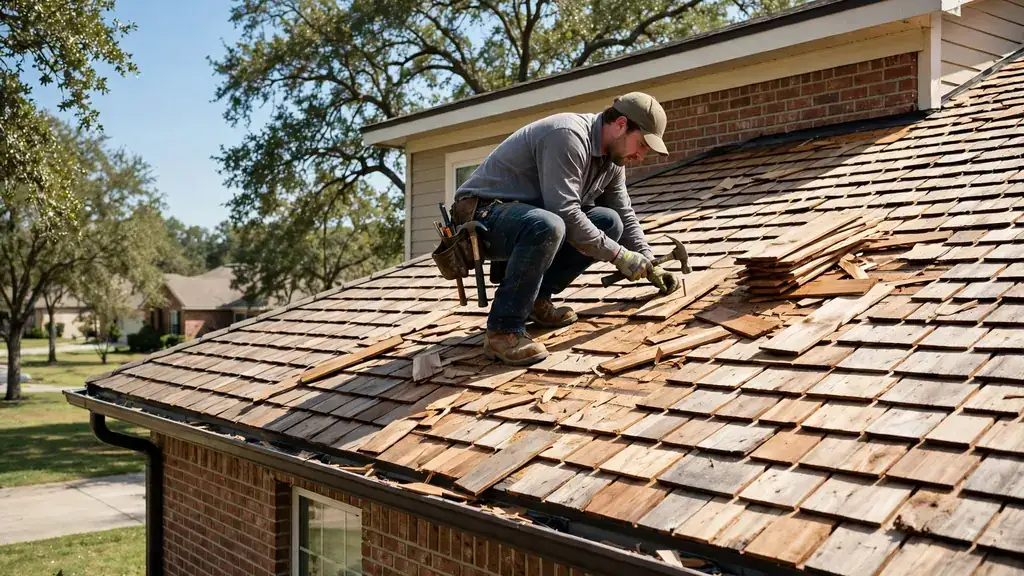
Wood shake roof repair in Bay City, Texas helps homeowners stop active leaks, replace split or missing shakes, and protect the roof deck before water spreads indoors. Our team repairs cedar and other wood shake roofs, from isolated storm damage to worn valleys and failing flashing. If you are searching for wood shingle roof repair Bay City TX, we inspect the damaged area, explain the repair, and get your roof shedding water again.
Useful updates and clear arrival timing.
Review the approach and price before deciding.
Equipped vehicles and respectful cleanup.
Neighbors serving neighbors with follow-through.
Our repair covers inspection of the affected roof area, removal of damaged shakes, and replacement or correction of related components required to stop the leak. We check exposed underlayment and sheathing while the area is open and review the finished repair with you. Broad roof replacement, unrelated gutter work, and concealed damage beyond the repair area are handled as separate work only after we explain the condition and price.
We inspect the reported leak area and trace water across nearby shakes, valleys, and flashing. Where access allows, we check the attic or roof deck for moisture evidence. This helps distinguish a damaged shake from water entering at a transition farther uphill.
We carefully remove split, loose, or missing shakes while protecting neighboring pieces. The exposed section is checked for failed fasteners, wet underlayment, and soft decking. We keep the opening limited to the work needed to restore the roof surface.
We fit compatible shakes to the existing course and secure them so their edges shed water correctly. The new pieces are aligned with surrounding exposure, reducing gaps and raised edges. We also check adjacent shakes for movement that could undermine the repair.
We inspect nearby valleys, chimneys, vents, and roof intersections for failed flashing or gaps that could feed the same leak. If a related defect is part of the repair, we explain it and address it with suitable materials. The finished area is checked for a clear runoff path.
Share what is happening and receive a clear next step from the local team.
Wood shake roof repair in Bay City, Texas is a roof restoration service that replaces damaged shakes and corrects the water-entry paths threatening the roof deck. We inspect each course, remove split or loose pieces with a shingle ripper and pry bar, and check the underlayment, fasteners, valleys, and flashing beneath. Matching thickness and exposure matters: a replacement shake must sit flat without creating a raised edge that catches wind or channels runoff. We secure sound material, replace failed pieces, seal appropriate transitions, and check that the repaired section drains properly.
Bay City roofs face repeated rain, humid air, gusty weather, and seasonal temperature changes that can open cracks or loosen fasteners. A small roof leak near a valley or chimney can wet the sheathing before ceiling stains appear. Our Bay City, Texas wood shake roofing repair starts by tracing water uphill from the interior evidence, then checking the roof surface and attic where accessible. If you searched for wood shake roof repair near me in Bay City, Texas, we can assess whether a localized repair will hold or whether wider deterioration calls for a different plan.
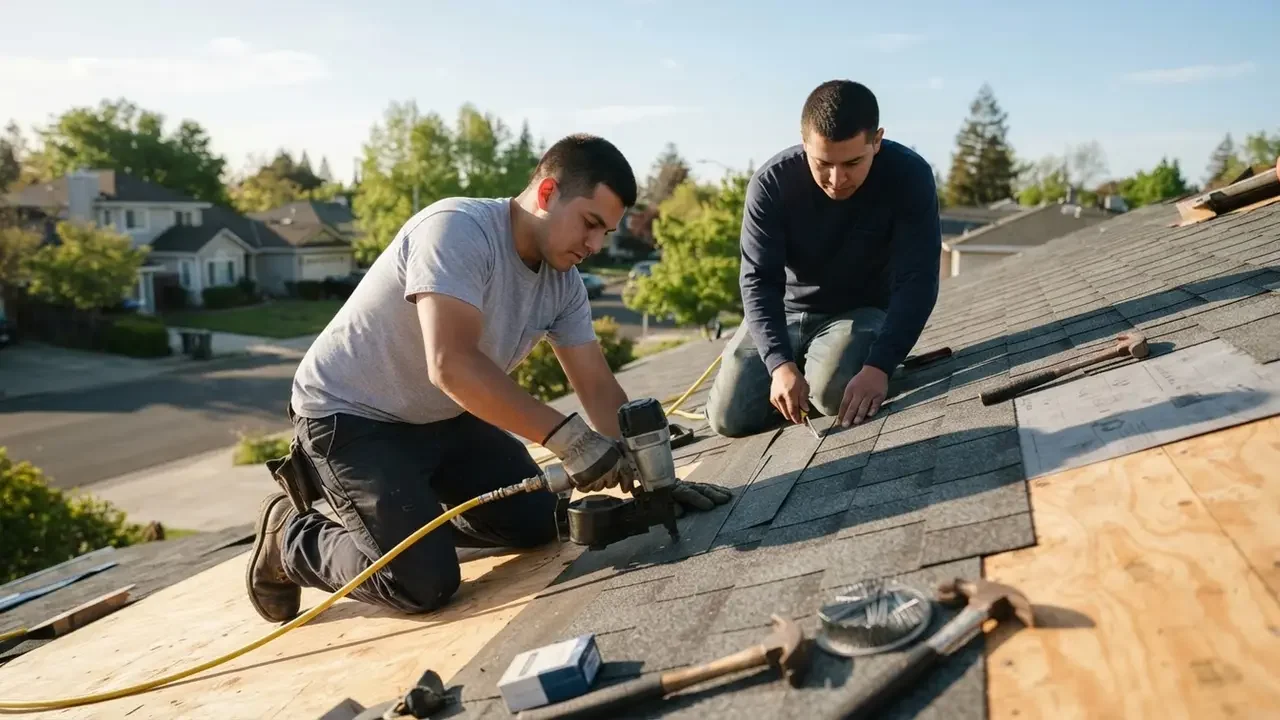
We begin by asking where you noticed water, when it appears, and whether the leak changes during rain or wind. Then we inspect the roof from a safe access point and check relevant attic areas. An extension ladder and safety harness support safe access; the initial inspection usually takes 30 to 60 minutes, depending on roof size and access.
We follow water paths rather than assuming the stain marks the exact entry point. The crew checks shake edges, valleys, roof flashing, chimney transitions, and nearby penetrations. A moisture meter or infrared thermal camera can help locate damp material beneath the surface, especially when water has traveled along the deck.
We lift affected pieces with a pry bar or shingle ripper, taking care not to break sound neighboring shakes. The exposed area is checked for soft or delaminated sheathing, failed fasteners, and damaged roof underlayment. We use a utility knife where needed to trim material cleanly and keep the opening limited to the repair.
We replace damaged shakes with compatible material, align exposure to the existing courses, and secure each piece without placing fasteners where water can track through. Where a transition needs attention, we repair the flashing or apply roof sealant appropriately. Small repairs often take two to four hours; broader deck work takes longer.
Before leaving, we check that the repaired shakes sit securely and that runoff can move past the work area. We remove loose debris, use a leaf blower where suitable, and show you the completed repair. You receive a plain explanation of the work performed and any nearby wear that deserves monitoring.
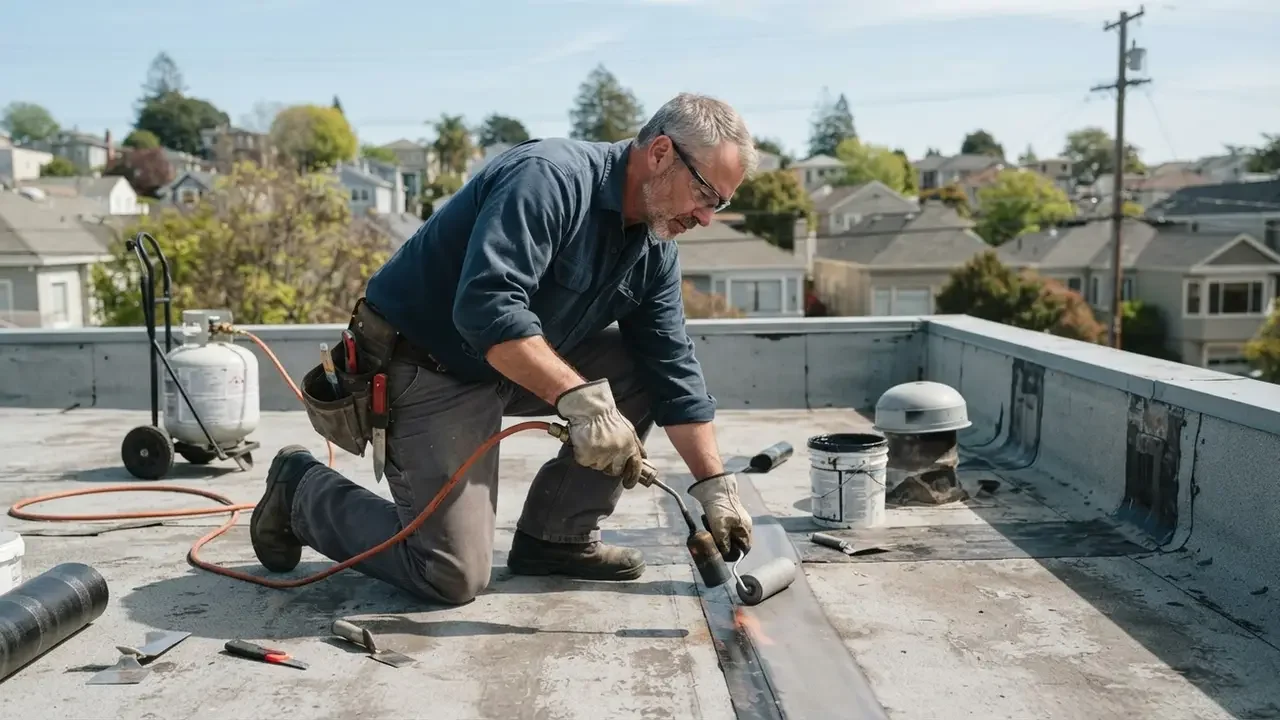
We use these tools to lift damaged shakes and release fasteners while limiting breakage to neighboring pieces. Careful removal keeps the repair area controlled and exposes the layers beneath for inspection.
A moisture meter helps us check exposed sheathing or framing for retained moisture. Readings support the visual inspection and help identify whether the deck should dry or be repaired before new shakes cover it.
When water has traveled beyond the visible stain, thermal imaging can help identify temperature patterns associated with damp areas. We use it as an inspection aid alongside direct checks, not as a substitute for opening and examining damaged material.
We select fastening tools to suit the repair and the material being installed. Controlled fastening helps hold replacement shakes without damaging their edges or placing fasteners where water can track into the roof assembly.
We use appropriate access equipment and fall protection for elevated roof work. The setup is selected for the building and roof pitch, allowing the crew to inspect and repair the affected area while maintaining a controlled work zone.
Where appropriate, we use a leaf blower to clear loose debris from the repair area and nearby drainage paths. We avoid forceful cleaning that could lift or damage aged shakes, and we check the roof surface after cleanup.
We start from the reported interior leak and inspect uphill along the likely route, checking valleys, roof intersections, and penetrations. Water may travel under several courses before entering the house. This method helps us repair the point of entry rather than treating only the visible stain.
We remove only unsound shakes where surrounding material remains serviceable. The exposed roof layers are checked before compatible replacement pieces are fitted to the existing course. Careful alignment preserves drainage and reduces disturbance to nearby shakes that are still holding securely.
When a shake is removed, we inspect the underlayment and deck before closing the roof. Wet or deteriorated material is not simply hidden beneath a replacement. We explain any additional damage, repair the affected layers as needed, and restore the surface so the roof can drain correctly.
At chimneys, valleys, and roof penetrations, we check how flashing overlaps with the surrounding shakes and directs runoff. Failed transitions are corrected with suitable materials and careful integration. This approach addresses a frequent source of repeat leaks without relying on surface sealant alone.
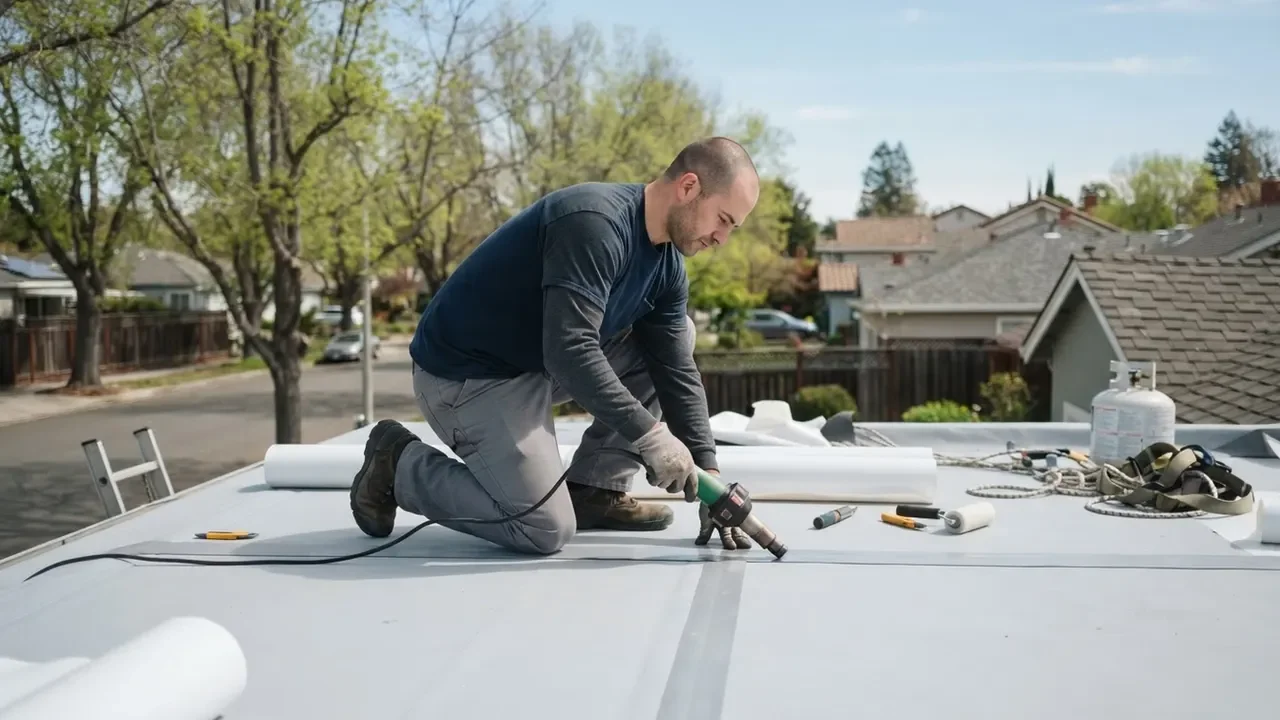
We inspect the damaged slope, check adjoining shakes for lift, and follow the interior moisture evidence toward the entry point. The crew replaces missing pieces, examines exposed underlayment, and checks the eave transition. If rain is still entering, we first focus on limiting exposure before completing the permanent repair. The opening is closed, the leak path is addressed, and you know whether nearby shakes also need repair.
We inspect the chimney flashing and nearby shake courses because water can travel beneath the roof surface before appearing indoors. We open the affected area as needed, check the deck, and repair the transition rather than sealing the ceiling stain. The repair is reviewed with you before cleanup. The chimney-side water entry is corrected, and you have a clear account of the flashing and shakes repaired.
We examine the affected slope and compare isolated damage with the condition of the surrounding roof. Loose pieces are secured or replaced, while broader deterioration is documented for discussion. We also look at valleys and drainage points where water can collect during a prolonged rain. You address vulnerable sections before the next wet spell and avoid treating every worn shake as an emergency.
We check the windward slope, shake overlaps, penetrations, and flashing where gusts can push water under the course. If necessary, we inspect from the attic and use a thermal camera to help locate moisture. We repair the failed entry point and check that surrounding materials still shed water. The repair targets wind-driven water entry, with nearby weak points identified before they create another stain.
Wood shake roof repair in Bay City requires attention to moisture, wind exposure, and the way local homes combine roof slopes, additions, chimneys, and porches. Humid conditions can slow drying after a leak, while wind-driven rain can force water beneath shakes that appear intact from the ground. We check valleys, eaves, and flashing before deciding how much material to remove. In neighborhoods such as Downtown Bay City and the Waterfront District, roof layouts vary, so we assess the actual slope and access rather than assume a standard assembly. Our Bay City, Texas wood shake roofing repair considers the existing roof materials and applicable local building requirements. If you need cedar shake roof maintenance Bay City TX, we can also identify loose pieces and drainage concerns during a repair visit. In November, we prioritize leaks and vulnerable details before the winter rain season; spring and summer inspections help catch storm damage and wear before it spreads. We leave the area clear and explain what we repaired, what we found beneath the shakes, and which nearby conditions deserve monitoring.
Older roof sections and later additions can meet at valleys or flashing transitions. We trace leaks across those connections instead of assuming the stain sits directly below the failed shake.
Open exposure can make wind-driven rain more noticeable at roof edges and penetrations. We check shake lift, flashing laps, and the direction water takes across the affected slope.
A roof may include several repairs or material changes over time. We identify the existing layers and match the repair method to the actual shakes and flashing on your home.
Where homes have porches or additions, runoff can cross roof junctions. We inspect the shared transition and nearby drainage before closing a shake repair.
A small leak can leave the underlayment or sheathing damp after the visible rain ends. We check beneath removed shakes and avoid covering wet or deteriorated decking without addressing its condition.
Wind can lift loose pieces and push rain across normal overlaps, particularly around ridges, valleys, and roof penetrations. We inspect the windward area and adjoining courses to find the point where water bypasses the surface.
Blocked drainage can hold water against roof edges and contribute to fascia or sheathing damage. We check nearby gutters and runoff paths during the inspection and identify cleaning or repair needs separately from shake replacement.
A homeowner had a ceiling stain beside the chimney that returned during heavy rain. Several shakes looked intact from the yard, but water was entering where the flashing met the roof. Moisture had reached the underlayment, and a surface bead of sealant would not have corrected the failed transition.
We removed the affected shakes, corrected the chimney flashing, and replaced three split pieces. The exposed sheathing was checked before the roof was closed. The water path was restored across the transition, and the homeowner could see the repaired area and the materials that had been replaced.
Maintenance: Check the ceiling and attic after the next heavy rain, and arrange a roof inspection if the stain returns. Keep nearby gutters clear so runoff does not back up at the eaves.
After gusty weather, a Bay City homeowner found four loose shakes over a porch and one missing piece. The remaining edges moved by hand, leaving gaps where rain could enter. The roof deck was not visibly damaged from below, but the open section needed inspection before replacement.
We removed the loose pieces, checked the exposed underlayment, and fitted four compatible shakes. The surrounding course was checked and secured where needed. The repaired section shed water cleanly, and the porch ceiling stayed dry through subsequent rain reported by the homeowner.
Maintenance: After significant wind, look for missing pieces from the ground rather than climbing onto the roof. Schedule an inspection if you see lifted edges, fresh debris, or a new interior stain.
A recurring leak appeared in a bedroom below a roof valley, but the interior stain was several feet from the visible shake damage. Debris had gathered in the valley, and a cracked shake beside the channel allowed water beneath neighboring courses during prolonged rain.
We cleared the affected area, replaced the cracked shake, and repaired the compromised valley transition. A check of the exposed deck found no soft sheathing in the opened section. The repair restored the runoff path and addressed the leak source rather than covering the bedroom stain.
Maintenance: Keep valleys free of accumulated leaves and arrange a check after strong storms. If water marks return, note when they appear so the inspection can focus on the relevant slope and rainfall conditions.
Small surface defects can lead to wet decking, damaged ceilings, and repeated calls if the underlying water path remains open. We look for the cause, repair the affected section, and tell you whether nearby wear needs attention. If you need same day wood shake roof repair Bay City, Texas, call with the leak location and current conditions.
Water can spread along the sheathing before it reaches a ceiling, leaving hidden dampness and making the visible stain a poor guide to the leak source. We remove the split piece, examine the exposed underlayment and sheathing, and replace any material that no longer protects the roof. Then we fit a compatible shake and check surrounding courses for cracks or lifted edges. You see the condition beneath the surface before the repair is closed.
Repeated movement can loosen adjoining pieces, allowing wind-driven rain beneath the roof covering and increasing the area that needs repair after each storm. We inspect the affected course and adjacent shakes for movement, broken edges, and exposed fasteners. Loose or damaged pieces are secured or replaced with attention to proper spacing and exposure. We also check nearby flashing so the repair does not leave another entry point beside the wind-damaged area.
Water entering at a roof intersection may travel under several shakes, so a bead of sealant over the visible spot often leaves the real failure untouched. We trace the water path to the valley or chimney transition, inspect the flashing, and remove affected shakes to see what lies underneath. We correct the failed detail and restore the surrounding courses so runoff moves across, not beneath, the repair. We explain any deck damage discovered during the work.
A soft deck cannot reliably hold roofing fasteners, and covering it can leave the repaired surface unstable while dampness continues to affect the roof assembly. We check the exposed deck for softness and use a moisture meter when useful to assess damp material. If sheathing needs repair, we address that before installing replacement shakes. We show you the affected area and explain whether the damage is confined to the opened section or extends beyond it.
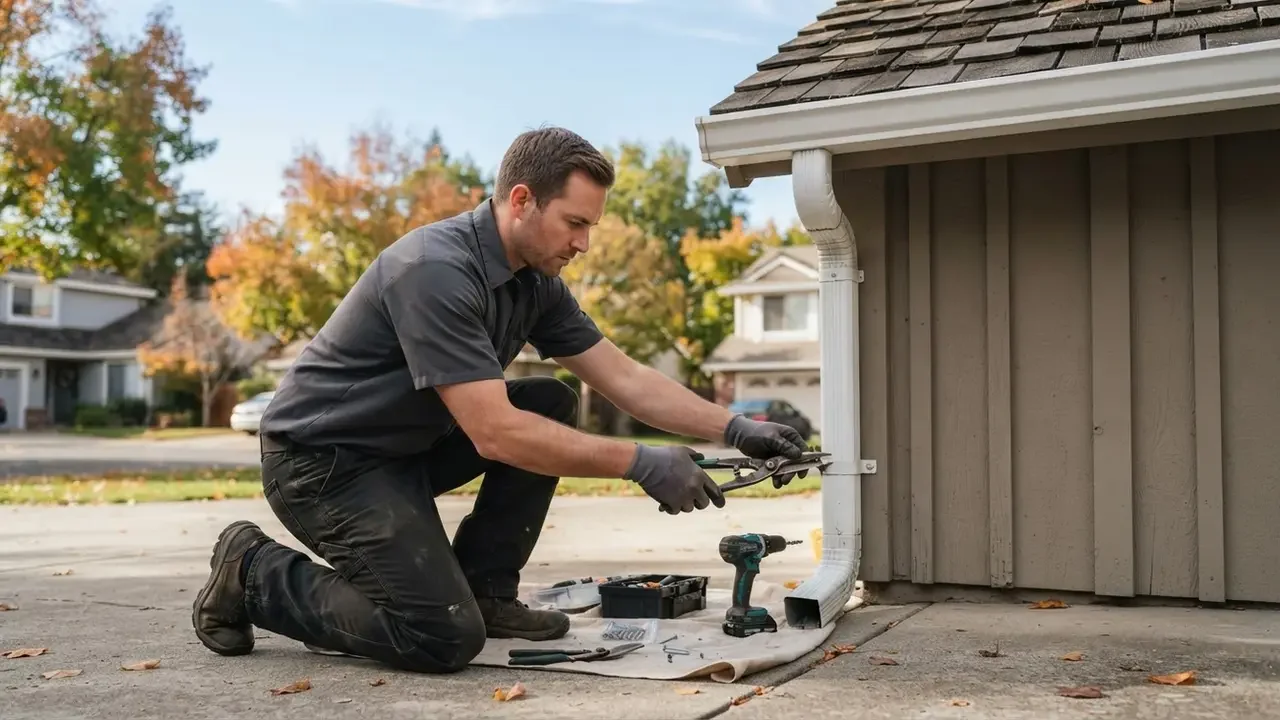
Wood shakes need a different repair approach from asphalt shingles: their thickness, grain, spacing, and exposure all affect how water moves across the roof. We inspect the individual pieces and the layers beneath them, then choose a repair that fits the existing roof rather than forcing a generic patch. Our local experience includes leak tracing, shake replacement, flashing corrections, and storm-related damage. We follow safe access practices and assess the roof against applicable local requirements, while explaining the repair in direct terms you can use to make a decision.
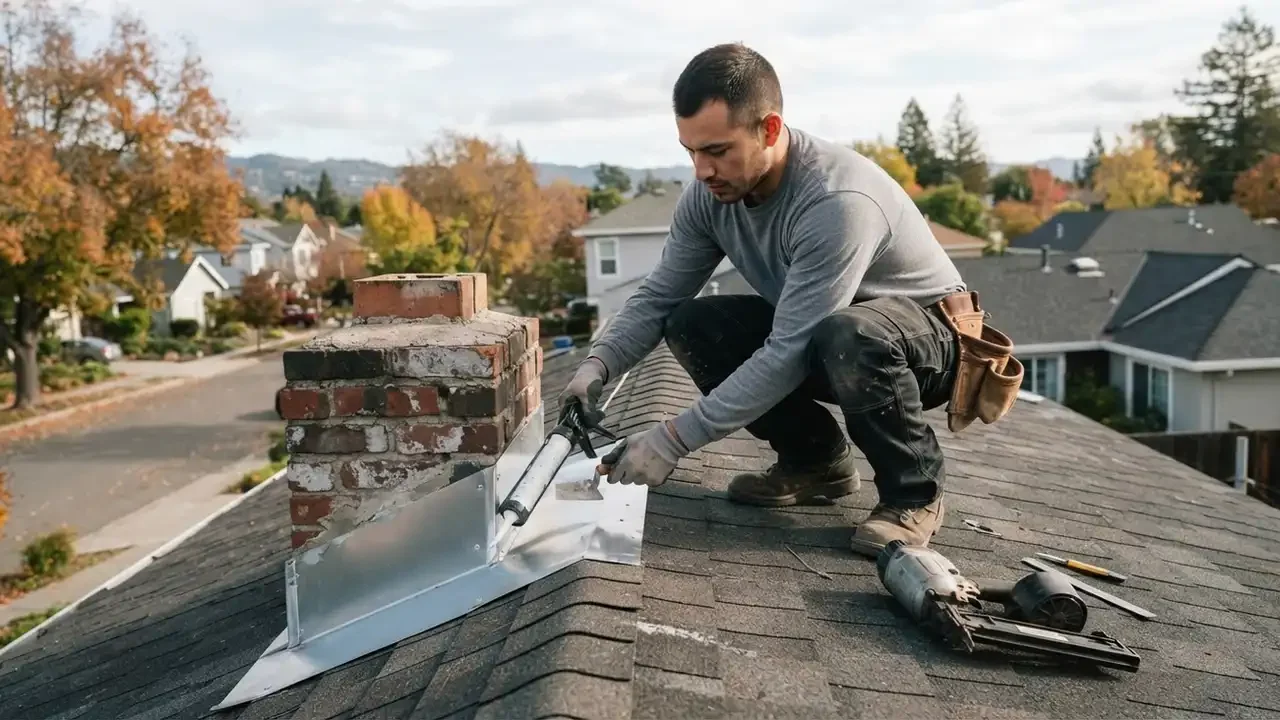
Rain kept showing up as a stain beside our bedroom chimney, even after we had checked the attic. The crew found a split shake next to failed flashing and showed us the damp area beneath it. They replaced the damaged pieces and corrected the transition. We appreciated being shown the repair before they cleaned up.
Several shakes loosened during a windy storm, and water started getting into the porch ceiling. The repair team checked more than the missing pieces and found the underlayment was still sound. They fitted replacements and secured the surrounding course. The leak stopped, and we received a straightforward explanation of what to watch.
We had a small leak that only appeared during hard rain. Bay City Roofing traced it to the valley instead of the roof area directly above the stain. They replaced the damaged shakes, fixed the water path, and cleared debris from the work area. The crew explained the repair without making the job feel bigger than it was.
Small wood shake repairs often cost $250 to $900, while extensive deck or flashing work can exceed $2,500. Typical 2026 pricing in Bay City depends on the number of shakes, roof access, material matching, and any damaged underlayment or sheathing. We inspect the affected area and explain the price before work begins. If you are comparing wood shake roof repair cost in Bay City, Texas, ask whether the quoted repair includes the layers beneath the visible shakes.
A well-maintained wood shake roof often lasts about 20 to 30 years, though Bay City's moisture, ventilation, installation quality, and storm exposure can shorten that range. We check for widespread splitting, soft decking, persistent moss or moisture retention, and repeated leaks to judge remaining service life. Regular inspections once a year and after significant storms help catch loose shakes before water reaches the roof deck.
Yes, wood shake roofs can be repaired in Bay City, Texas when damage is limited and the surrounding shakes and roof deck remain sound. We replace split or missing pieces, correct failed flashing, and check the underlayment and sheathing below. If deterioration spans multiple slopes or the deck is broadly damaged, we explain why a larger repair or wood shake roof replacement Bay City TX may be more practical.
A wood shake roof in Bay City TX commonly leaks because of split or missing shakes, lifted fasteners, worn valley details, or failed flashing around a chimney or penetration. Wind-driven rain can travel beneath several courses before appearing as an indoor stain. We trace the moisture path, inspect adjacent shakes and roof transitions, and repair the entry point. For an urgent leak, tell us where water appears and whether it worsens during wind.
Not seeing your question? Our local team can help you understand urgency, scheduling and what to expect.
Ask the local team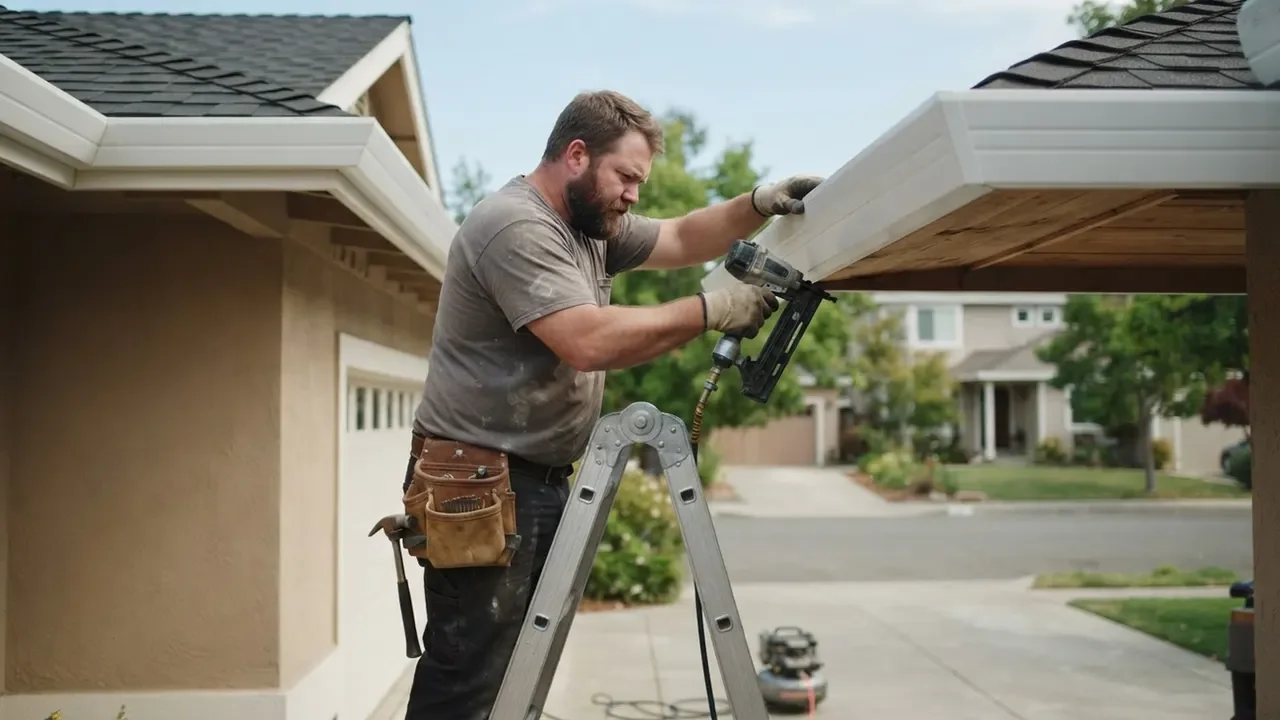
Wood shakes are one part of the roof system, and related damage can extend to flashing, valleys, or decking. Our roof repair work addresses those connected failures so a shake replacement is not left beside an untreated leak. We inspect the full affected section and explain the repair sequence.
View service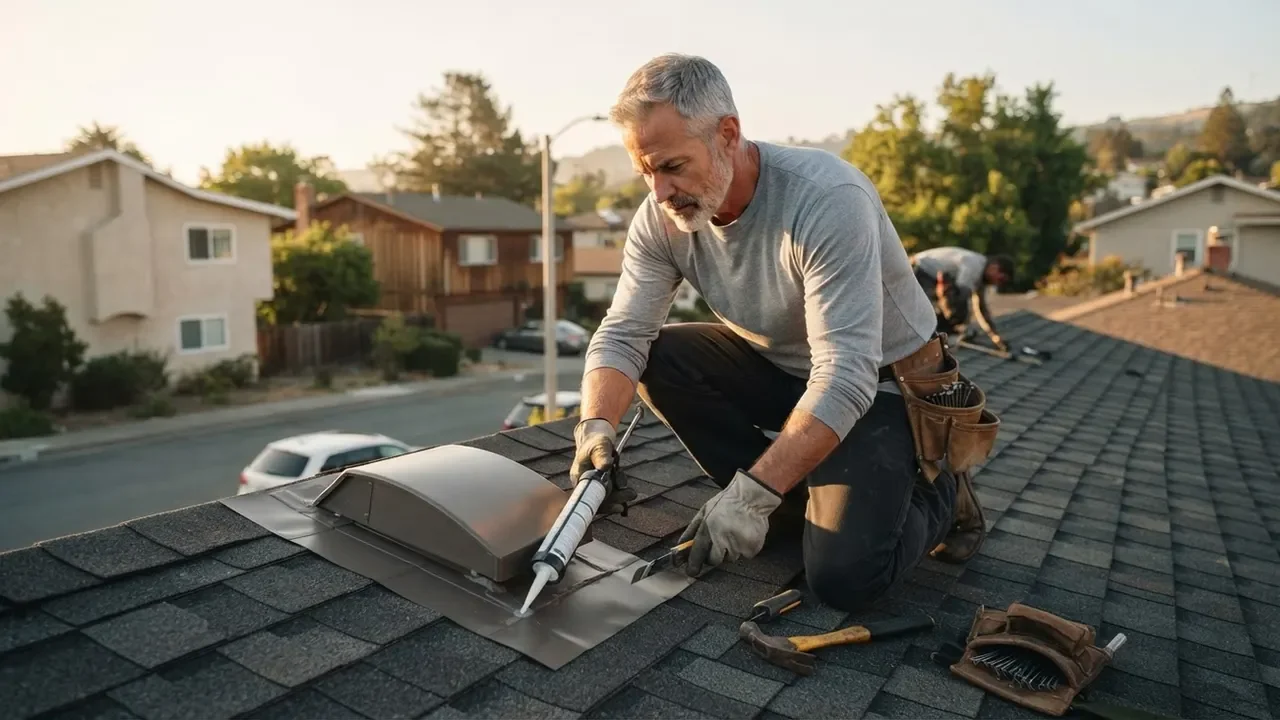
When shakes are failing across multiple slopes or the deck has widespread deterioration, replacing the roof may be more practical than repeated patches. We assess the roof's condition and discuss replacement as an option only when the damage supports it. You get a clear comparison with localized repair.
View service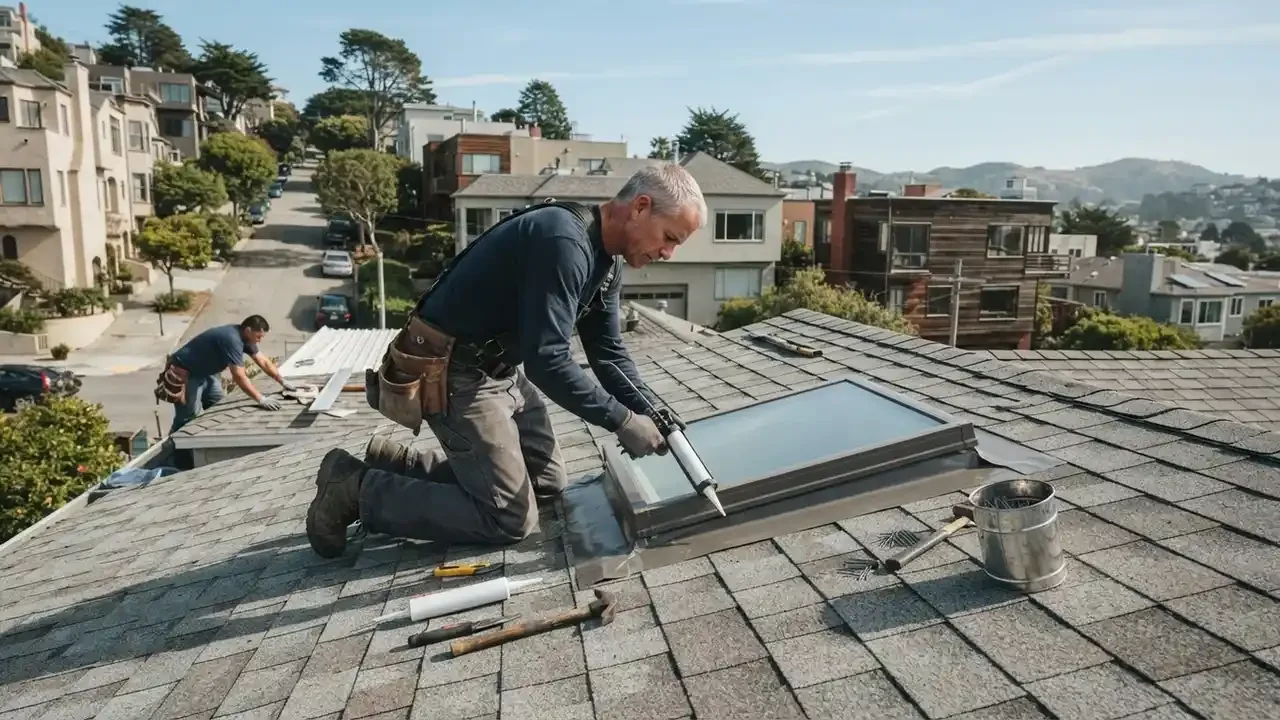
A ceiling stain can originate far uphill from the visible damage. Our leak repair service traces water through shake courses, valleys, and roof flashing, then fixes the point of entry. We also check exposed underlayment and decking so the repair protects more than the surface.
View service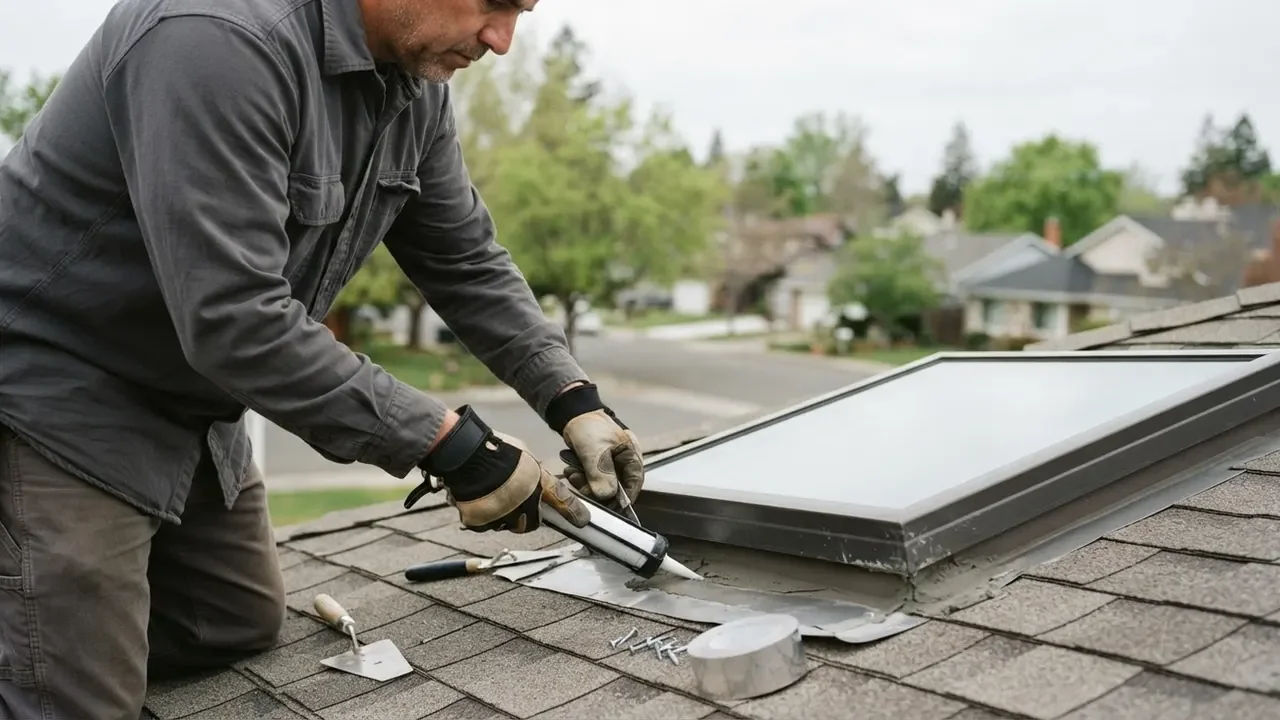
If a storm opens the roof or water is entering your home, emergency roof repair focuses first on controlling the immediate exposure. We assess the unsafe or damaged section, take steps to limit further water entry, and plan the permanent shake repair once conditions allow.
View service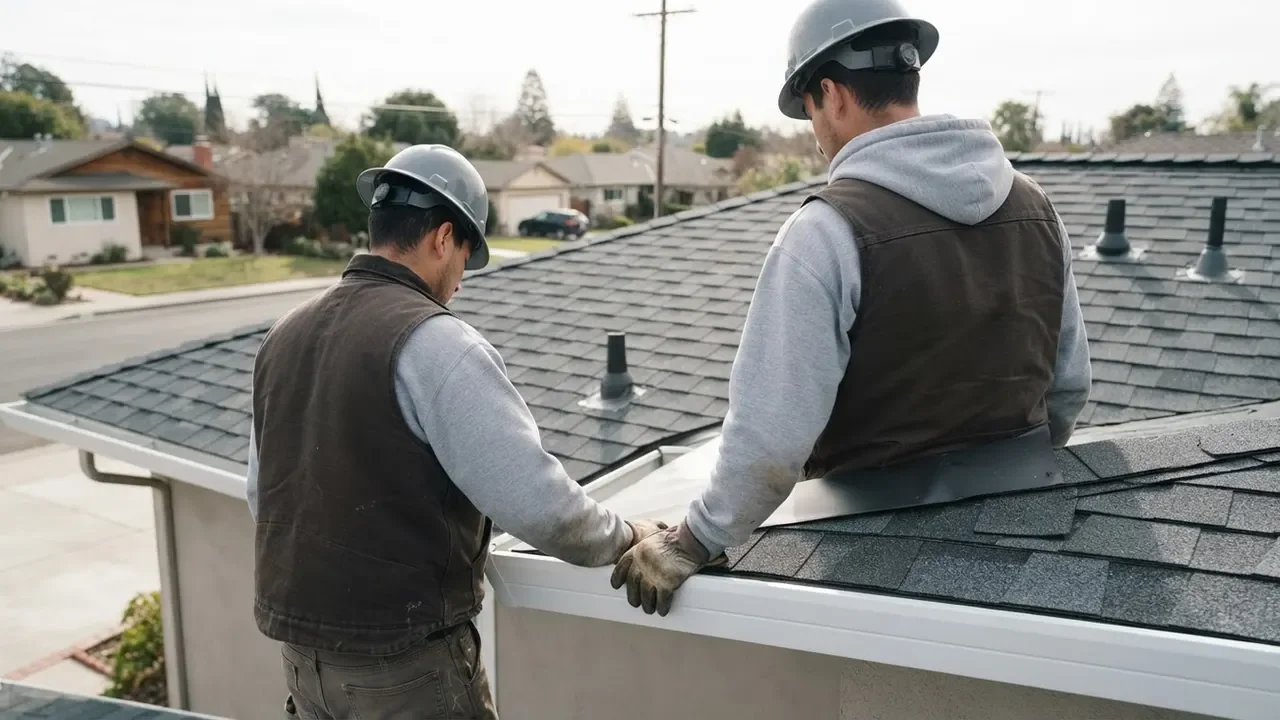
Call (877) 791-3217 to discuss a roof leak, storm damage, inspection, or replacement in Bay City. We connect you with independent roofing companies and help you get the conversation started. Calls are accepted around the clock for urgent roofing needs; tell us whether water is actively entering and where you see the damage.